 Funky Millions
How to Get Rid of Ear Infection
Quick summary
Key Takeaways
- Ear infection relief depends on whether the infection is in the middle ear or the outer ear canal.
- Warm compresses, rest, fluids, and proper pain relievers can help comfort while mild symptoms are monitored.
- Do not put oils, herbal drops, or peroxide into an ear that is draining, bleeding, or may have a damaged eardrum.
- Severe pain, high fever, hearing loss, worsening symptoms, or pus from the ear needs medical care.
How to get rid of Ear Infection? Ear infections can be the most dreadful experience which becomes a horrible nightmare for anybody suffering from it. Mainly there are two types of ear infections. The inner one and the outer one. The outer ear infection is a result of excessive exposure to water which leads to the inflammation of outer ear canal. It is most common in swimmers as it occurs due to water fungus. While the inner ear infection mainly occurs due to a virus or bacteria. The virus creates a hindrance for the Eustachian tube in the ear. It can be due to the increase moisture or earwax as well.
The infections can be awful as they cause itchiness, pain and uncomforting consciousness to you. Mostly ear infections also cause puses coming out of an ear. The inflammation caused by ear infection leads to severe pain and even fever. Individual suffering from infection will also experience hear loss ranging from minor to modest. Typically, ear infections are treated by anti-biotics but if the infection isn’t that bad then you can also go for some easy home remedies that are DIY.
How to Get rid of Ear Infection
-
Garlic Remedy:
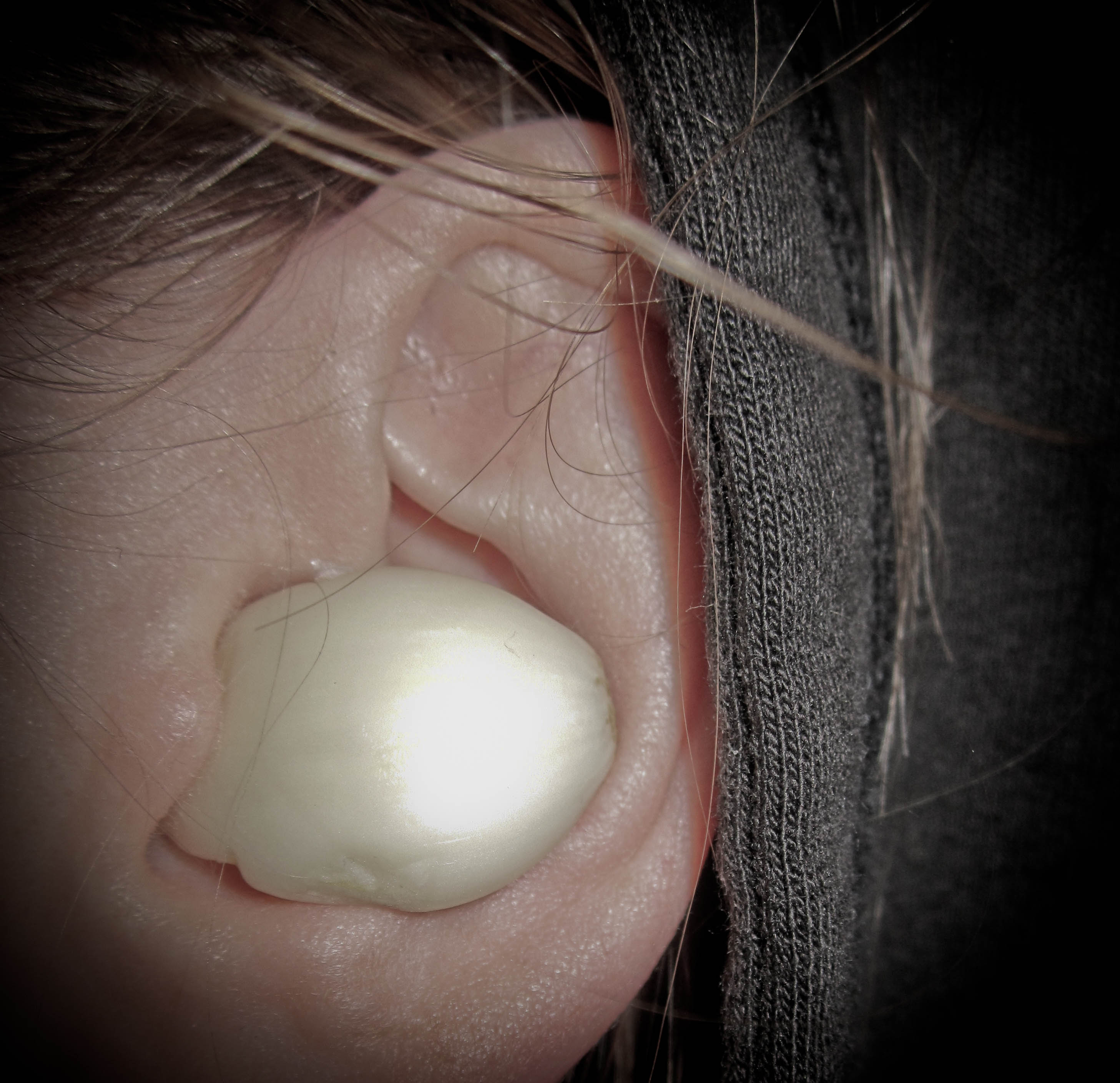
Garlic is one of most known anti-bacterial and anti-septic substances. With its great anti-inflammatory properties, garlic oil will help providing relief in your aching ears. Simply pour a few drops of luke warm garlic oil in your infected ear and leave it for a few minutes.
-
Herbs:
A herb named “Gingko Biloba” helps fight bacterias of ear infections due to its amazing anti-microbial properties. There are some other herbs as well which help boosting your immune system like Echinacea, olive leaf extract, including astragalus. All of these herbs protect against different kinds of ear infections specially ear infections.
-
Vitamin C

Vitamin C is considered crucial for the immune system, the adequate consumption of vitamin C on a daily basis helps you to boost up your immune system. In consequence, it releases the infection and helps preventing it as well. Vitamin C also inclines white cell production which aids to get rid of ear infection.
-
Vitamins & Minerals
The body becomes susceptible to different diseases and infections due to the lacking of manganese supplements. Ear infections also occur because of this lack of manganese. The functioning of ears improvises with the intake of 5 mg manganese on a daily basis. Some other constituents like zinc, Vitamin B6, B12 and B3 also helps in proper blood circulation to ears which prevent infections.
-
Cleaning the Ear
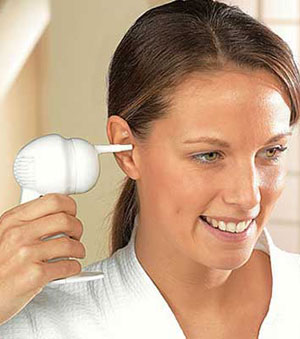
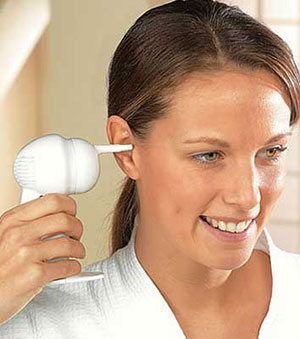
Mostly when an ear infection starts, a pus type white liquid starts to come out of the ear. It is very important to clean the discharge timely as by removing the pus will help lessening down the infection. If it will remain in the ear it will only cause deteriorating pain and there are chances that it may increase the infection more.
If you experience that even after using the home remedies the infection is only getting worse, you must consult an ENT specialist or a general doctor to get treated. You can easily get rid of ear infection by using the above-mentioned remedies, but sometimes it may keep coming back so you will require to see the doctor immediately.
How to get rid of ear infections & Its Prevention:
Ear aches and infections are very common in people around the world. The cause of infection and earache may differ from person to person. Some people suffer from immense pain while some sense sweet and itching pain which pushes them to rub their ears badly to get relief. Before we jump to the ways to get rid of ear aches and infections, let’s first investigate what essentially causes them.
Who mostly suffer ear infections?
In the majority of cases, children are most commonly affected by ear infections. Every three out of four children suffer from ear aches and infections. Most of the time, they encounter Otitis Media infection of ears. The Age group of one to three years old undergo these infections.
How does ear infection occurs?
Excessive exposure to water can lead to ear infection and ear aches. Like swimming and sometimes taking a bath can also cause infections. This is because ear infections are caused due to confined water, moisture, and virus or bacteria growth inside the ear lobe. When the inner ear is infected with bacterias and moisture, it causes the Eustachian tube to swell which creates itching, frightful pain and discharge in the ear and you suffer from an ear infection.
Sometimes allergies and cotton swab cleaning can also create ear aches and infections. All kind of infections causes swelling, pain, hearing loss and itching in the ear leading to a terrible experience. You must get rid of ear infection as soon as possible if you have one or you can also get rid of it even before its occurrence.
Stop the Agony Even before it starts
Following are some simple and easy ways to get rid of awful ear infections and ear aches.
- By keeping your nasal passage hygienic, you can truly diminish and lessen the chances of getting an ear infection. Our body organs are mainly inter-linked with each other and help either improvising each other’s performance or create hindrance in it. Ear, nose and throat are supposed to be connected to each other as well hence they can hinder other’s performance.
- The finest way to avoid the infection is to keep your Eustachian tube free of pollutants and irritants. By doing so, you will free the water to drain out via throat which will lessen down the chances of ear infections and aches.
- Another way to reduce the ear infection pain is to chew gums or using the chewable sweets and gums. When you will chew the gum it will help your ear lobes to be in the exercise which ultimately helps in removing the pollutants through the throat and reduces the chance of infections.
- If you are already experiencing any sort of pain or infection in your ear then it’s best to either use the above-mentioned home remedies or go to your local doctor to get some anti-biotics.
Safe At-Home Relief While the Ear Heals
For mild ear infection discomfort, the safest home care is aimed at reducing pain rather than trying to “kill” the infection inside the ear. A warm compress held against the affected ear for 10 to 15 minutes can ease pressure and aching. Rest, fluids, and over-the-counter pain relievers such as acetaminophen or ibuprofen may also help, as long as they are used exactly as directed on the label.
Avoid putting garlic oil, herbal drops, hydrogen peroxide, or any liquid into the ear if there is drainage, bleeding, a known eardrum tear, ear tubes, or sudden hearing loss. In those cases, drops can irritate the ear or reach areas they should not. If you do use any ear drop, it should be one recommended by a healthcare professional for your specific type of infection.
Middle Ear Infection vs. Swimmer’s Ear
The best way to get rid of an ear infection depends on where it is. A middle ear infection usually follows a cold, sinus congestion, or allergies and may cause deep ear pain, fever, muffled hearing, and pressure. Swimmer’s ear affects the outer ear canal and often causes itching, tenderness when the outer ear is touched, and pain after swimming or trapped moisture.
This difference matters because treatment is different. Middle ear infections may improve with watchful waiting, pain control, or antibiotics when symptoms are severe or persistent. Swimmer’s ear is more often treated with prescription ear drops and keeping the ear dry. Using the wrong remedy can delay healing, especially when discharge is present.
When You Should See a Doctor
Seek medical care promptly if ear pain is severe, symptoms worsen, hearing drops, fever reaches 102.2°F (39°C) or higher, or fluid, pus, or blood comes from the ear. Children under 6 months with ear infection symptoms should be checked, and infants under 3 months with a fever of 100.4°F (38°C) or higher need urgent medical advice.
If symptoms last more than two to three days, keep returning, or follow a recent respiratory infection, an exam can confirm whether fluid, swelling, or eardrum changes are present. A doctor may recommend watchful waiting, antibiotics, prescription drops, or referral to an ear, nose, and throat specialist for repeated infections.
For related advice, see [How to Get Water Out of Your Ear](/how-to-get-water-out-of-your-ear), [10 Beauty Tips for Women](/10-beauty-tips-for-women) and [11 Steps for healing a burnt tongue](/11-steps-for-healing-a-burnt-tongue).
Ear, nose, and throat clinicians commonly recommend confirming the type of ear infection before using drops or home remedies, because middle ear infections and swimmer’s ear are treated differently. They generally emphasize pain control, keeping the ear dry when the canal is irritated, avoiding cotton swabs, and seeking care quickly when there is discharge, fever, significant hearing change, or symptoms that do not improve within a few days.
Conclusion
Getting rid of an ear infection starts with knowing whether the problem is in the middle ear or the outer ear canal. Mild cases may improve with rest, fluids, warm compresses, and careful pain relief, but discharge, fever, worsening pain, or hearing loss should not be treated casually at home.
The original remedies can support comfort and general wellness, but they should not replace a proper diagnosis when symptoms are strong or persistent. The safest approach is to protect the ear from irritation, avoid inserting objects or unapproved liquids, and seek medical care when warning signs appear.
Frequently Asked Questions
Last updated
This article is for informational purposes only and does not constitute medical advice. Consult a licensed dermatologist or healthcare provider before starting any new treatment.
Beauty & Hair Care Editor
Amanda Gurton is a beauty editor and researcher with a focus on translating dermatology and trichology insights into clear, actionable advice. She covers skincare routines, hair health, ingredient science, and everyday beauty habits.
Comments (0)
Be the first to comment.
Related Articles

Self-Tanner Application: How to Get a Natural, Streak-Free Result
Learn how to apply self-tanner for a natural, even, streak-free result, including prep steps, application technique, and how to fix common mistakes.

How to Patch Test Beauty Products Safely
Learn how to properly patch test makeup, hair products, and other beauty items beyond skincare, and how to interpret the results.

Minimalist Makeup Bag: 10 Essentials You Actually Need
Discover the 10 genuine makeup essentials for a minimalist routine, cutting through excess products to focus on what actually matters.
Multi-Use Beauty Products That Save Time and Money
Discover genuinely effective multi-use beauty products that combine several routine steps, saving both time and money without sacrificing results.