 Funky Millions
How to get rid of Hiccups
Quick summary
Key Takeaways
- Most hiccups are temporary and often settle without treatment.
- Slow sipping, short breath-holding, cold water, sugar, or leaning forward may help interrupt the hiccup reflex.
- Eating slowly and avoiding fizzy drinks, overeating, and rushed meals can reduce repeat hiccups.
- Hiccups lasting more than 48 hours or affecting breathing, sleep, or eating should be checked by a health professional.
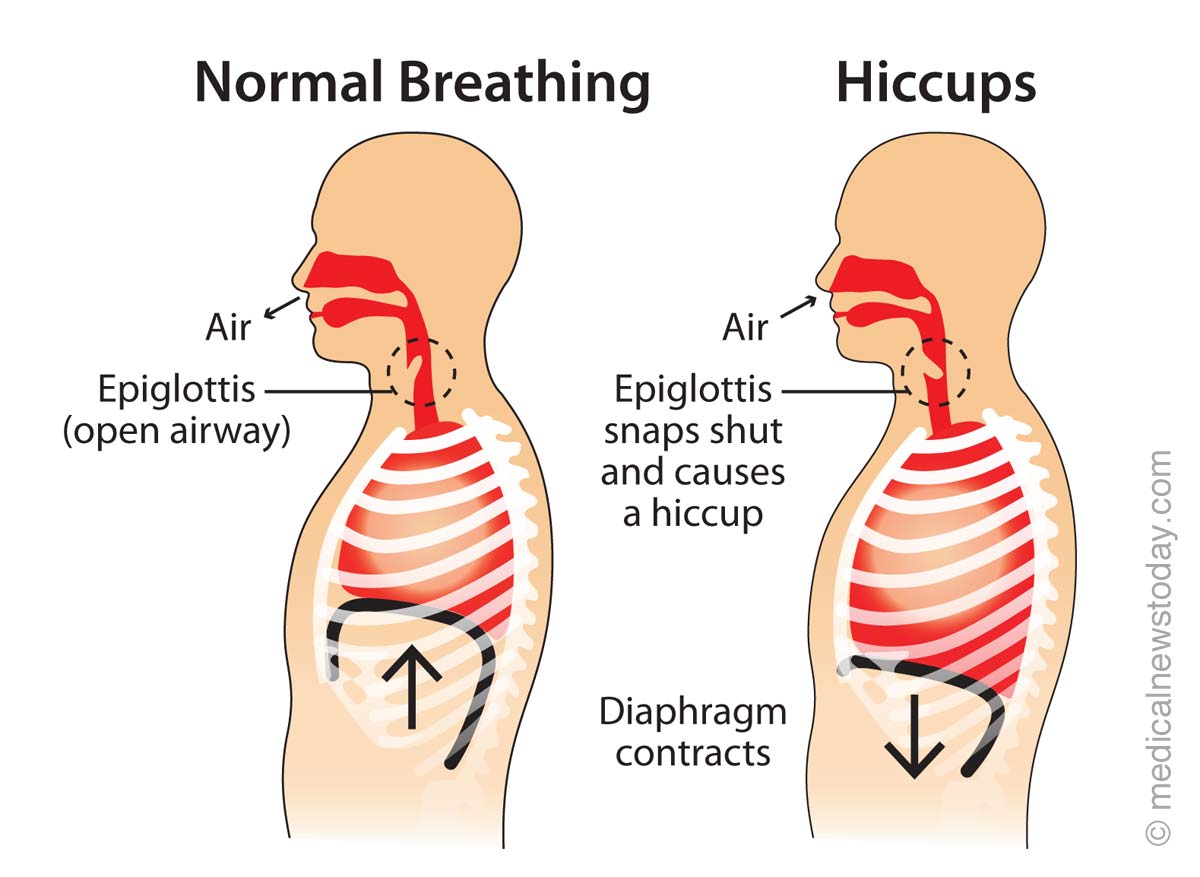
Hiccup is a sudden contraction of diaphragm muscles which occurs due to eating or drinking too quickly. Hiccups often produces unpleasant sound and makes you feel uncomfortable while sitting in a gathering so for that purpose you had to use very sensible and reliable techniques “how to get rid of hiccups“.
Before going to discuss the techniques which will provide you assistance in dealing with the problem we will give brief introduction why hiccups occur which could may serve as a precautionary measure for you
How to get rid of Hiccups
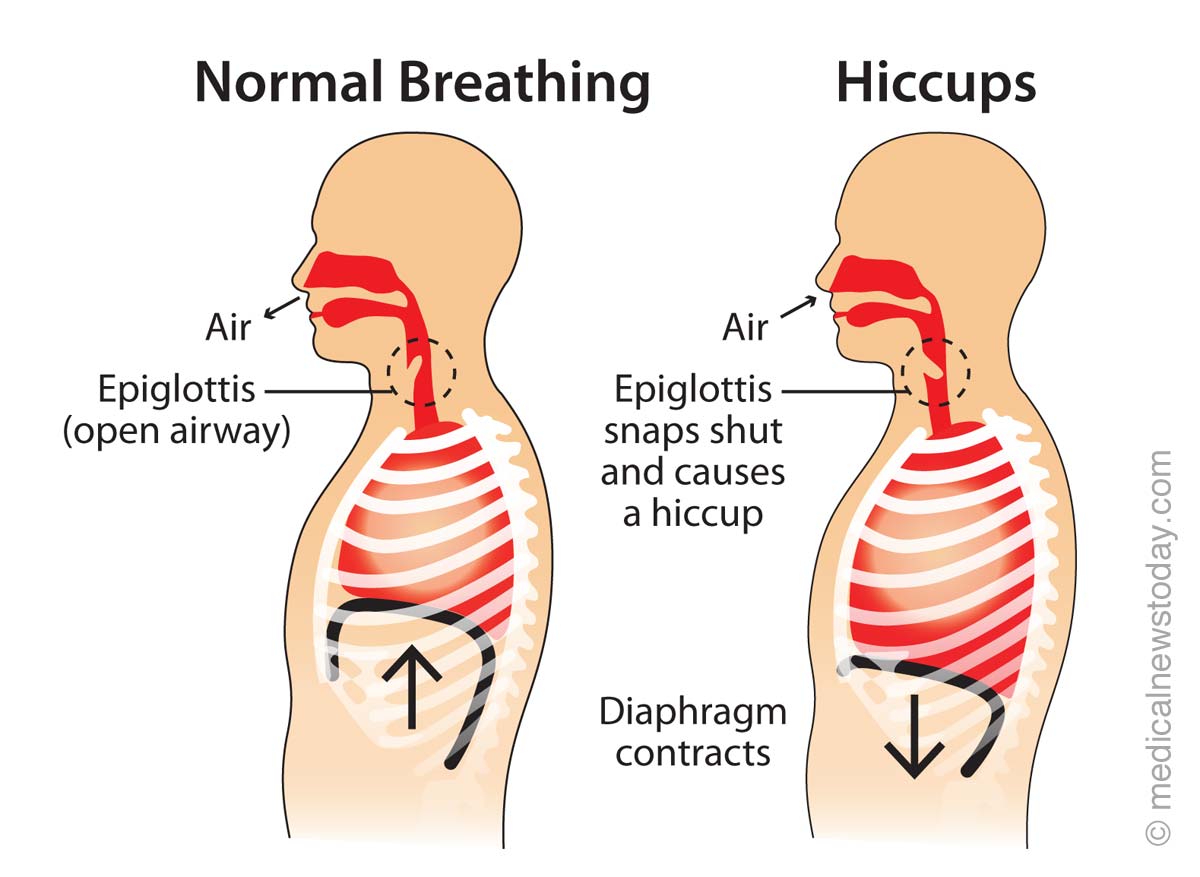
Major causes of why Hiccups arises include:
- Eating or drinking at a very fast rate.
- Excessively eating in a limited period of time.
- Drinking chilled drinks.
- Eating food which irritates the digestive system examples include of spicy or fatty meals.
- Any kind of irritant which irritates the nervous system controlling the diaphragm muscles.
Methods which would provide assistance to get rid of the hiccups problem include:
-
Eating or Drinking At a Steady Rate at different orientations
In this method what you actually had to do is to eat or drink something at a steady rate by using different kind of techniques.
Some people simply had to drink a glass of water in such a way that a gulping sound is produced while others may have to try other methods of eating or drinking which generally include drinking water while sitting upside down or drinking water with two straws or having a glass of water while leaving the glass on table and trying to drink it without using your hands. Eating something sugary or something buttery which may be a spoon full of peanut butter. It is not necessary to eat something sugary or buttery but it’s up to your taste for example if you take some kind of acidic like lemon juice or vinegar it would also feel you better and would heal you.
- The further technique which could be employed to get rid of the hiccups includes inhaling the fresh air in such a way that you inhale maximum amount of fresh air and do not letting the air out by holding the breath, further addition to this method could be made by inhaling the air and then breathing in and out in such a way such as to close the nasal and mouth path in order to exert greater pressure on the diaphragm. The next method which could be employed involves the movement of your body this method is more suitable for a person who was at rest and if now starts moving then relative change in motion of the body causes hiccups to reduce or even stopped.
- Furthermore one could try the method of suddenly initiating some kind of movement for example if one is sitting then suddenly lie down or someone who was standing may suddenly sit down in order to disrupt the nervous system and causing hiccups to cease. T he method which is most easy to apply is the method what you had to do is to frighten the person who is hiccupping by talking something which is really scary and frightening for the person this sudden frightening of the person will cause hiccups to stop at once.
- One could also try the diaphragm related techniques of sitting straight on chair and then squeezing both the arms while hands at the back of the head causing pressure to be built up on the diaphragm and chest region. Another diaphragm related technique is that you inhale in a lot of air slowly and steadily until you feel that you can’t inhale anymore will also give a lot of comfort to you as it exert a greater pressure on your diaphragm which will eventually cause the hiccups to stop
- Different methods which could be employed include swallowing the air until person receives a burp a burp will cause the resetting of nerves and stopping hiccups. Another method which could be used for ceasing your hiccups is to stop the airflow through the neck region by bending your neck so tightly that capturing all the air which is in the lungs region which disrupts the hiccups cycle and then releasing the air by loosening the neck once hiccups have stopped. Self initiated coughing also helps the hiccups to cease at a faster rate because the coughing causes the distraction of nervous system. If you are ticklish then ask someone to tickle you this will also cause your hiccups to stop because tickling would cause your attention to be diverted from Hiccups and relieving you off the problem. One could also try to be relieved of his/her hiccups by stretching the body in a way that the hands are stretched upward with thumbs tightly fixed with your palm.
- Increasing exhaling and inhaling rate also help in getting rid of hiccups the breathing rate could be increased by opening your mouth and exerting fingers in the ears this will cause exhalation rate to be increased and allowing more and more fresh air to come to your body. When more and more air is exhaled and inhaled at the same time concentration of CO2 decreases inside the body and the concentration of O2 increases eventually leading to hiccups to cease.
Precautionary measures for avoiding regular hiccups
Precautionary measures for the people suffering from hiccups includes you had to remain calm and stay relaxed if you often had hiccups, the other precautionary measure is that you had to eat carefully and eat it at slow speed with proper chewing and crushing of the food because often hiccups occur due to eating food at a fast speed not properly chewing the food.
People who are suffering from hiccups from a long time must consult their doctors especially if they feel any kind of slightest pain in their stomach or chest region. It is not advisable to them just to rely on the temporary techniques of getting rid of the problem because prolonged hiccups problem may pose a threat to their health and especially their digestive and nervous system.
Try Safe Remedies First
Most hiccups settle within a few minutes, so start with gentle methods that interrupt the breathing rhythm without straining the body. Sip cold water slowly, hold your breath briefly, gargle with cold water, or swallow a small amount of granulated sugar. Pulling the knees toward the chest while leaning forward may also help because it changes pressure around the diaphragm.
Reduce Common Food and Drink Triggers
If hiccups happen after meals, look at how you are eating rather than only what you are eating. Large meals, rushed bites, fizzy drinks, very hot or very cold drinks, alcohol, chewing gum, and smoking can all increase swallowed air or stomach bloating. Smaller portions, slower chewing, and pausing between sips can reduce repeated episodes.
What Not to Do During Hiccups
Avoid risky tricks such as frightening someone intensely, forcing the neck into an uncomfortable position, drinking while upside down, or holding the breath until dizzy. These methods may sound traditional, but they can cause choking, falls, panic, or discomfort. A hiccup remedy should feel controlled, brief, and easy to stop.
When Hiccups Need Medical Attention
Occasional hiccups are usually harmless, but hiccups lasting longer than 48 hours should be checked by a health professional. Also seek advice if hiccups repeatedly disturb sleep, eating, breathing, or speaking, or if they come with chest pain, severe stomach pain, vomiting, weakness, headache, fever, or unexplained weight loss. Persistent hiccups may sometimes be linked with reflux, medication effects, nerve irritation, or another health condition.
For related advice, see [10 Beauty Tips for Women](/10-beauty-tips-for-women), [11 Steps for healing a burnt tongue](/11-steps-for-healing-a-burnt-tongue) and [Acid Reflux Home Remedies](/acid-reflux-home-remedies).
Health professionals commonly recommend starting with simple, low-risk measures for ordinary hiccups, such as sipping cold water, briefly holding the breath, or adjusting posture to ease diaphragm irritation. They also advise paying attention to meal habits and triggers, and seeking medical review when hiccups are persistent, painful, unusually frequent, or disruptive.
Conclusion
Hiccups usually happen when the diaphragm contracts suddenly, often after fast eating, overeating, fizzy drinks, temperature changes, stress, or swallowed air. Simple remedies such as slow sipping, short breath-holding, cold water, sugar, or changing posture may help by interrupting the hiccup reflex.
The best long-term approach is prevention: eat slowly, avoid large heavy meals, limit carbonated drinks if they trigger you, and stay relaxed during meals. If hiccups are prolonged, painful, frequent, or interfere with daily life, do not rely only on home techniques; get medical advice.
Frequently Asked Questions
Last updated
This article is for informational purposes only and does not constitute medical advice. Consult a licensed dermatologist or healthcare provider before starting any new treatment.
Beauty & Hair Care Editor
Amanda Gurton is a beauty editor and researcher with a focus on translating dermatology and trichology insights into clear, actionable advice. She covers skincare routines, hair health, ingredient science, and everyday beauty habits.
Comments (0)
Be the first to comment.
Related Articles

Self-Tanner Application: How to Get a Natural, Streak-Free Result
Learn how to apply self-tanner for a natural, even, streak-free result, including prep steps, application technique, and how to fix common mistakes.

How to Patch Test Beauty Products Safely
Learn how to properly patch test makeup, hair products, and other beauty items beyond skincare, and how to interpret the results.

Minimalist Makeup Bag: 10 Essentials You Actually Need
Discover the 10 genuine makeup essentials for a minimalist routine, cutting through excess products to focus on what actually matters.
Multi-Use Beauty Products That Save Time and Money
Discover genuinely effective multi-use beauty products that combine several routine steps, saving both time and money without sacrificing results.