 Funky Millions
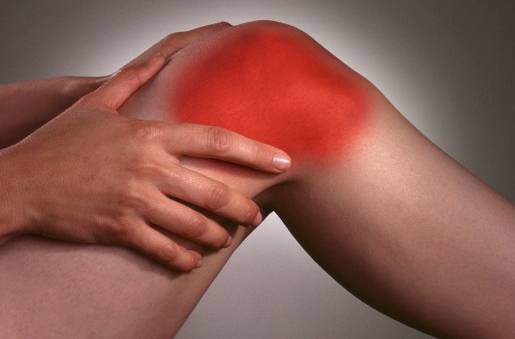
How to Get Rid of Knee Pain
Quick summary
Key Takeaways
- Rest, ice, compression, and elevation form the foundation of early knee pain relief.
- Strengthening the muscles around the hip, thigh, and calf helps protect the knee joint during activity.
- Proper footwear and varied, softer running surfaces reduce repeated impact on the knees.
- Persistent or severe knee symptoms should be evaluated by a medical professional.
Knee pain is a consistent protestation among runners. At the point when exorbitant anxiety is put on the kneecaps, a dull pain or throb may create. This pain is frequently called runner’s knee, given it oftentimes harrows runners and competitors. Luckily, there are simple ways that you can soothe the pain at home so that the throbs of running don’t get to be oppressive to your life.
Knee pain may be an indication of different genuine cases yet by the by, they ought to be instantly taken a gander at and legitimate consideration ought to be given. Knee pain ought to be considered important and in the event that you encountered drag out pain in the knee, attempt to perform the accompanying steps so that the pain would not intensify:
HOW TO GET RID OF KNEE PAIN
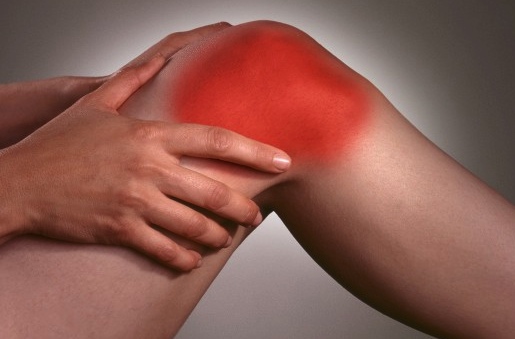
For eager runners, perpetual knee pain from running can put a damper on their most loved movement. Luckily, treatment for gentle knee pain is anything but difficult to do and can be dealt with from home. In any case, in the event that you are encountering more extreme knee wounds, portrayed by sharp pain or manifestations that don’t die down inside of a couple of days, then you will need to see a specialist for further finding. It’s conceivable there may be other basic elements adding to the pain, for example, joint pain.
Rest between activities
Knee pain is generally felt when you over activity, on the off chance that you are finished with a specific activity attempt to rest first by extending your legs. When they are completely refreshed, this is the main time that practicing ought to be proceeded. On the off chance that you feel a sting of pain in the knee, then quit practicing totally to abstain from harming the knee any further.
Warm up before working out
Warming up is a critical piece of any activity. It is considered as light practicing since body development is additionally included while setting up the body for the typical workout. On the off chance that the muscles are not arranged before working out, this frequently brings about spasms and harm on the body.
Perform props and extends before substantial activity to verify that your body is very much arranged. Lively strolling before running is much recommended to condition the legs, particularly the knee.
Take pain reliever prescriptions
On the off chance that the pain felt is more than ordinary, you ought to take meds that can decrease the pain. There are over the counter calming medication and pain relievers you can buy and take quickly for quick help
Perform diverse sorts of activities
Practicing ought not to be motivation to harm your body as performing it right can help in enhancing your prosperity. This is the reason you ought to abstain from performing delayed exercises that would concentrate on only a solitary piece of the body. An impeccable sample would be swimming after you have amplified running sessions. The outcomes are very nearly the same yet your legs won’t be mishandled since swimming does not constrain your legs to the ground which can debilitate it after some time.
Ice your kneecap routinely
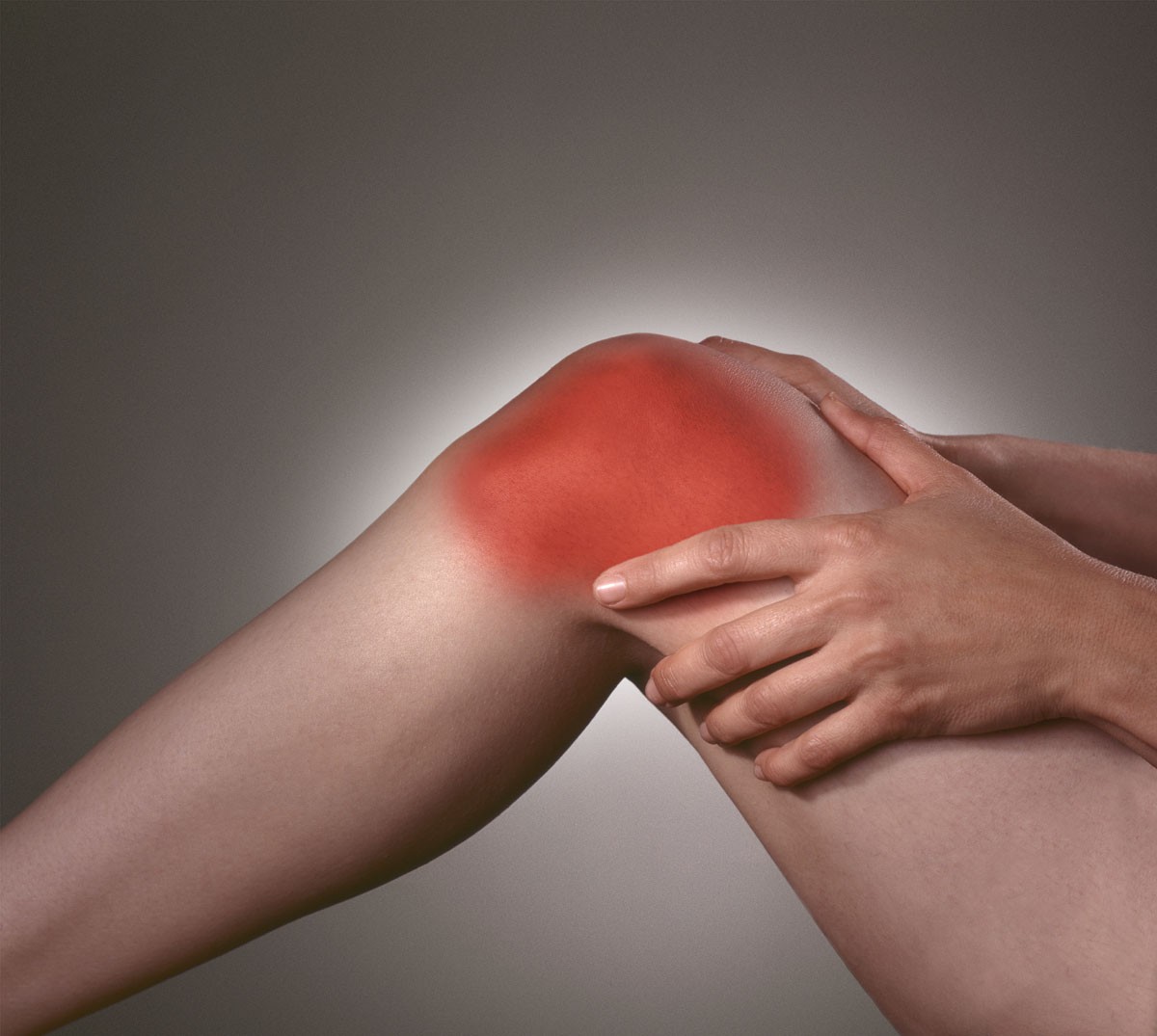
Ice ought to be petitioned 30 minutes every time, no less than three times each day for a few days. By frequently icing your knee, you can extraordinarily diminish the swelling and pain experienced.
Take nourishments high in calcium
Our body is bolstered by bones. Envision the heaviness of the fat and muscles without the bone supporting it. Calcium is a mineral that has bone fortifying properties and it can be found in an assortment of sustenances. Not just these nourishments are rich in calcium; they are not difficult to admission since these are well known sustenances, for example, drain and cheddar.
Different wellsprings of calcium are supplements that may give the body other key supplements that can help with making our body healthier.
Wear the best possible clothing
There are particular clothing types that you can wear for diverse activities. These are intended to give greatest security to the body. Knee bolster ought to give abundant security to the knee amid overwhelming activities while the right shoe can give solace while running.
How to Protect yourself against knee pain
To secure You against future knee pain, exercises that will Trigger pain Have to be maintained a strategic distance from. You May be Aching Following your bicycle Work out, Yet you ought not to sense hurt Inside your knee. to help you abstain from swelling behind the knee, Brackets will Give your painful knee the Aid it Requires until it Cures. You can Look for customizable knee props at drug stores and medication stores All over the nation. Start up Merely with the knees and working it away, to abstain from Pushing Water To your knee. Soften the knees up request to Get started the Healing. Put on a knee prop to have better Support so as to Restrict knees development. Put on your knee support while Working out to Prevent Further knee damage and pain in the back of the knee. Wear Boots even while working out.
Abstain from running downhill. Running down slope can heighten the pain of current knee harm furthermore make you more vulnerable to future wounds. Utilize downhill divides of your keep running as a chance to chill off, and decrease your stride to an easygoing walk.

Keeping in mind the end goal to watch you against future knee pain, activities that outcome in distress should be maintained a strategic distance from. You are generally sore not long after your bicycle workout, having said that you shouldn’t feel pain in your knee. Broadly educate so as to avoid extreme pain behind the knee. Knee orthodontic supports will offer your painful knee the bolster it requires until it recoups. You can figure out adaptable knees orthodontic props at drug stores and medication shops everywhere throughout the nation.
Braces are generally fundamental and can help you rest your knee while getting recuperated. A knee prop will help lower stretch and soreness around the knee joint. It will bolster help and even secure your Painful knee. With a specific end goal to protect your knee joints, it truly is an incredible thought to keep your weight in a sensible reach.
As per a recently discharged study, persons who got needle therapy treatment for serious pain behind knee guaranteed of 0 percent less pain than patients who got different answers for pain in the back of the knee. Pressure is likewise a device that numerous individuals use in so they can decrease the pain and knee hurt swelling.
When to See a Doctor for Knee Pain
Most mild knee pain improves within a few days of rest, ice, and over-the-counter relief. However, certain warning signs mean it is time to book an appointment. Seek medical advice if the knee becomes visibly deformed, cannot bear weight, locks or catches repeatedly, or swells suddenly without a clear cause. Redness, warmth, fever, or pain that wakes you at night can also signal infection or another condition that needs professional treatment.
Strengthening Exercises That Support the Knees
Strong muscles around the knee absorb impact and reduce pressure on the joint itself. Focus on low-impact moves such as straight-leg raises, wall sits, calf raises, and gentle hamstring curls. Resistance-band side steps strengthen the hip abductors, which help keep the knee tracking properly during running. Start with one set of ten repetitions and increase gradually, stopping immediately if sharp pain appears.
The RICE Method Explained
RICE stands for Rest, Ice, Compression, and Elevation, and it remains a reliable first response for knee discomfort. Rest the joint by avoiding activities that trigger pain, then apply an ice pack wrapped in a cloth for fifteen to twenty minutes every two to three hours. A light elastic bandage can control swelling, and propping the leg above heart level when sitting or lying down helps fluid drain away from the joint.
Home Remedies Worth Trying
Some runners find relief with warm Epsom salt baths after the acute swelling has gone down, since magnesium may help relax tight muscles around the knee. A warm compress before activity can loosen stiff joints, while a cold compress afterward calms inflammation. Foods rich in omega-3 fatty acids, such as salmon, walnuts, and flaxseed, along with spices like turmeric and ginger, may support the body’s natural inflammatory response over time.
Footwear and Running Surfaces
Worn-out shoes change how force travels through the legs and can aggravate knee pain. Replace running shoes every four hundred to six hundred miles and choose a pair matched to your foot type and gait. Running on asphalt or concrete is harder on the knees than grass, rubberized tracks, or packed dirt trails. When possible, vary your route and avoid cambered road edges that tilt the body unevenly.
For related advice, see [Home Remedies for Sore Throat Pain and Cough](/home-remedies-for-sore-throat-pain-and-cough), [How to Get Rid of Lower Back Pain](/how-to-get-rid-of-lower-back-pain) and [How to Get Rid of Neck Pain](/how-to-get-rid-of-neck-pain).
Orthopedic specialists and sports physiotherapists commonly recommend a gradual return to activity after knee pain, paired with targeted strengthening of the quadriceps, hamstrings, and hip muscles. They emphasize that protecting the knee joint is about more than treating pain; it involves addressing movement patterns, footwear, and training load to reduce the risk of recurring injury.
Conclusion
Knee pain does not have to sideline you permanently. By combining rest, proper warm-ups, targeted strengthening, and smart footwear choices, most runners can ease discomfort and return to activity safely. Paying attention to early warning signs also prevents a small ache from turning into a long-term injury.
If pain persists beyond a week or limits daily movement, consult a healthcare professional for a personalized diagnosis and treatment plan. Treating the knee with patience and consistency now will protect your mobility for years to come.
Frequently Asked Questions
Last updated
This article is for informational purposes only and does not constitute medical advice. Consult a licensed dermatologist or healthcare provider before starting any new treatment.
Beauty & Hair Care Editor
Amanda Gurton is a beauty editor and researcher with a focus on translating dermatology and trichology insights into clear, actionable advice. She covers skincare routines, hair health, ingredient science, and everyday beauty habits.
Comments (0)
Be the first to comment.
Related Articles

Self-Tanner Application: How to Get a Natural, Streak-Free Result
Learn how to apply self-tanner for a natural, even, streak-free result, including prep steps, application technique, and how to fix common mistakes.

How to Patch Test Beauty Products Safely
Learn how to properly patch test makeup, hair products, and other beauty items beyond skincare, and how to interpret the results.

Minimalist Makeup Bag: 10 Essentials You Actually Need
Discover the 10 genuine makeup essentials for a minimalist routine, cutting through excess products to focus on what actually matters.

Multi-Use Beauty Products That Save Time and Money
Discover genuinely effective multi-use beauty products that combine several routine steps, saving both time and money without sacrificing results.