 Funky Millions
How to heal shin splints. 7 Steps to Try
Quick summary
Key Takeaways
- Rest is the foundation of healing because it removes the repetitive load that caused the shin irritation.
- Ice wrapped in cloth reduces swelling and pain when applied for 15 to 20 minutes several times daily.
- Supportive footwear, proper warm-ups, and soft surfaces protect shin muscles during recovery and help prevent recurrence.
- See a doctor if pain is severe, localized, or does not improve within a few weeks.
Shin splints are caused due to extra pressure on muscles of shin. As a result the muscles in the shin area will be swollen and painful. There are many ways through which shin splints could be eliminated. If you are looking for how to heal shin splints then you can use many ways for getting rid of this problem. Main focus of the methods of healing shin splints is to eliminate pressure and give rest to the muscles. Shin area must be treated with care and extra pressure must be eliminated so that the shin splints could be eliminated in some time period.
How to heal shin splints by resting
If your shin muscles are under extra pressure and you are suffering from shin splints then the immediate relief could be obtained through rest. You must give some rest to your shin muscles which will be helpful in the healing process. Rest will activate the natural healing process and you will get rid of shin splints after some time period. It is not good to have running or climbing activities on hills while you are suffering from shin splints. Take some time and rest for your shin muscles for complete healing of shin splints and then slowly start your exercise routines.
How to heal shin splints fast by using ice
Ice is helpful for dealing with problems of shin splints. If you are looking for ways about how to heal shin splints fast then you can use ice. With the help of ice you are able to release the swelling in your muscles in the shin area. Pain and swelling in the shin area is causing shin splints which can be cooled by using ice. You must not apply ice directly on the skin as it will damage the skin. You must take a cloth and wrap the ice in it. Then place the cloth with ice on the affected areas of shin, which will release the swelling and you will start the process of healing shin splints.
Medicines for elimination of shin splints
There are many types of medicines which can help in reducing the swelling and eliminating the pain. You must make sure that you are taking proper rest while taking the medicines. It is not good to use medicines for killing pain while avoiding rest and doing regular exercises which are causing pressure on the affected shin areas. This will increase shin splints and you will suffer from more problems. Take rest with some good medicines and you are able to eliminate shin splints. You must use the medicines as per dose so that you could remain safe from harmful side effects.
Consult doctor
When you have used different types of ways at home for elimination of shin splints and you have not got any success then you must consult doctor. Doctor will check the shin area and make sure that you are not suffering with major problems like fractures which cannot be treated with simple methods at home. Even after healing you must make sure that you are using preventive measures so that your shin muscles could remain safe from shin splints. You must not put stress on one leg and keep on changing the direction of your running to have more running without problems. Your doctor will guide you to remain safe from shin splints and help in making your muscles strong and resistant to such problems in future.
Stretch muscles for elimination of shin splints
You can eliminate problems of shin splints by stretching your muscles. You can stand and move the foot up and down from front and back side. This will give some pressure on the shin area and help in stretching. You can repeat this process for 10 times then take some rest and continue till you are comfortable. This will stretch the shin muscles and make them strong and heal problems of shin splints. You can also sit on your toes and move the muscles slowly by moving foot in different directions to stretch muscles of shin. You must avoid running while you are suffering from shin splints. You can start your normal workouts slowly to make sure that your muscles in shin area are strong enough. In case you are feeling pain then you must not continue the exercises and use the stretching methods till your problems of shin splints are eliminated completely.
Warm up before exercises
It is important to warm up before doing exercises so that the muscles are ready for extra loads. If you are starting exercises without warming up then it will put extra pressure on your muscles. Muscles of shin could be affected due to extra pressure and result in shin splints. It is good to use ways for stretching your muscles in shin areas so that your muscles could remain safe from problems of shin splints. Jumping at one place slowly and gradually is a good way of warming up. You can stretch muscles of your shin areas and other parts of the body before starting exercises so that all the muscles are safe from problems.
Proper surfaces for exercises
When you are running then make sure that you have soft paths. Running on hard paths is putting extra pressures on shin muscles and result in shin splints. If you have to run on hard paths then make sure that the path is small or you have shoes which are absorbing pressure and avoiding extra stress on muscles. There are items which can be used under the feet so that the pressure on the shin muscles could be reduced. With the help of these items you are able to remain safe from shin splints and run for a long time period on any types of surfaces. When you have strong muscles in the shin area then you can remain safe from shin splints and continue your exercises on desired surfaces. You must make your shin muscles strong by stretching them and working for them so that you could have normal exercises without shin splints.
When to resume running after shin splints
Returning to activity too soon is one of the most common reasons shin splints linger or come back. As a general rule, wait until you can walk briskly on flat ground for 30 minutes without pain, tenderness, or swelling the following day. Start with low-impact options such as swimming, cycling, or elliptical training for one to two weeks before reintroducing running. When you do run again, keep distances short, pace easy, and surfaces soft, increasing weekly mileage by no more than ten percent.
Taping and compression for shin support
Athletic tape or a calf-and-shin compression sleeve can reduce muscle vibration and provide gentle support during recovery. Apply compression snugly but never tight enough to cause numbness, tingling, or discoloration. Many people find it helpful to wear a sleeve during light activity and remove it at night. Taping works best as a short-term aid alongside rest and strengthening, not as a substitute for them.
Choosing footwear and insoles
Worn-out shoes lose their ability to absorb shock and can aggravate shin splints. Replace running shoes every 300 to 500 miles and choose a pair suited to your arch type and gait. If you have flat feet or overpronate, a stability shoe or custom orthotic can redistribute pressure away from the shin. Trying shoes on at the end of the day, when feet are slightly swollen, gives a more accurate fit.
Nutrition that supports tissue repair
Healing tissue needs adequate protein, vitamin C, calcium, and vitamin D. Include lean meats, beans, dairy or fortified alternatives, citrus fruits, and leafy greens in your daily meals. Staying well hydrated also helps maintain muscle elasticity and reduces cramping. While diet alone will not cure shin splints, poor nutrition can slow recovery and make muscles more vulnerable to repeated stress.
For related advice, see [11 Steps for healing a burnt tongue](/11-steps-for-healing-a-burnt-tongue), [10 Beauty Tips for Women](/10-beauty-tips-for-women) and [Acid Reflux Home Remedies](/acid-reflux-home-remedies).
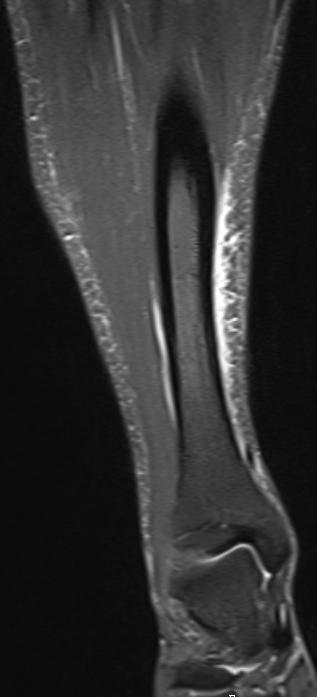
Sports medicine professionals commonly recommend a gradual return to activity after shin splints, emphasizing that rest, load management, and biomechanics matter more than any single treatment. They typically advise combining ice, targeted stretching, and appropriate footwear before considering medication, and they stress that persistent or worsening pain warrants imaging to exclude a stress fracture.
Conclusion
Shin splints are uncomfortable, but they usually respond well to patient, consistent care. The seven steps above rest, ice, appropriate medication, professional guidance, stretching, warming up, and exercising on proper surfaces address both immediate relief and long-term prevention. Giving your shin muscles time to heal while correcting the factors that caused the strain is the fastest path back to pain-free movement.
If pain persists beyond a few weeks, worsens with walking, or becomes sharply localized on one small spot, seek medical evaluation to rule out a stress fracture. Once healed, build intensity gradually and listen to your body to keep shin splints from returning.
Frequently Asked Questions
Last updated
This article is for informational purposes only and does not constitute medical advice. Consult a licensed dermatologist or healthcare provider before starting any new treatment.
Beauty & Hair Care Editor
Amanda Gurton is a beauty editor and researcher with a focus on translating dermatology and trichology insights into clear, actionable advice. She covers skincare routines, hair health, ingredient science, and everyday beauty habits.
Comments (0)
Be the first to comment.
Related Articles

Self-Tanner Application: How to Get a Natural, Streak-Free Result
Learn how to apply self-tanner for a natural, even, streak-free result, including prep steps, application technique, and how to fix common mistakes.

How to Patch Test Beauty Products Safely
Learn how to properly patch test makeup, hair products, and other beauty items beyond skincare, and how to interpret the results.

Minimalist Makeup Bag: 10 Essentials You Actually Need
Discover the 10 genuine makeup essentials for a minimalist routine, cutting through excess products to focus on what actually matters.

Multi-Use Beauty Products That Save Time and Money
Discover genuinely effective multi-use beauty products that combine several routine steps, saving both time and money without sacrificing results.