 Funky Millions
How to Kill Bed Bugs Yourself at Home
Quick summary
Key Takeaways
- Inspect mattress seams, box springs, bed frames, and nearby cracks with a flashlight before starting treatment.
- Combine vacuuming, steam, hot laundering, and sealing to attack bed bugs at every life stage.
- Isolate infested items in sealed plastic bags and encase mattresses to prevent re-infestation.
- Repeat your treatment routine every two to four weeks until bites, live bugs, and signs of activity disappear.
Bed bugs were a common health pest across the Earth, only later in the mid of the 20th century there growth, decline, but now their growth is increased dramatically and these are one of those few pests which evoke so much across the world. Health departments are considering several steps to wipe out these obstinate bloodsuckers. Bed bugs are small and oval brownish insects that are roughly the size of an apple seed. They live on the blood of animals or humans. These bugs don’t fly, but move really quick on floors, ceiling and walls.
-
How do they get into your house?
Bed bugs are big travellers and easily transported via luggage when you visit any infested hotel or houses. They travel from one apartment to another via wall voids, sewer and wiring holes. Birds and rodents as well act as a host of infestation.
-
How to Kill Bed Bugs yourself at home, The Process of Bed Bugs Prevention and Control
It’s a substantial challenge to take rid of these pests as they cover them well and multiply very tight. It’s not an easy task to eliminate them in a single attempt. To start with how to kill bed bugs yourself at home, there should be a planning. In Planning try to study the area of infestation and its environs. Attempt to gather some information and share it with the ‘Extension agents’. These Extension agents are trained in pest control matters. If you are living in an apartment, notify your landlord. Might be the landlord have to participate in the drill!
Let’s set out our exercise and discover out how to kill bed bugs yourself. To do so, you need to collect all the instruments. In this whole session we need plastic bags for sealing items, Vacuum cleaner, caulk, Scrub with a firm brush and hot water with a cleansing solution.
-
Detect and eliminate clutter
Clutters provide a hiding space for bed bugs to hide. Most of the time elimination effort failed, as clutters are ignored. So find all such places and eliminate them. Clutters maybe outside of your house, may be on the roof or outside in your garden. Discover them and bring good care about them.
-
Isolation of Items
Isolating and encasing items in a sealed plastic bag is important. It prevents items, like furniture, textiles, bed sheets etc. from becoming infested. Bed bugs get eliminated if they have no prospect for escape and if they are sealed and put in for long enough to starve to death. Take full care of furniture, if you can winnow out the bed bugs from it, don’t simply discard it. If you are not at all interested in salvaged, destroy it with attention, as someone tempted to fetch it into their house.
-
Laundering Fabrics and Clothing
The oldest and yet trusted method in terms of practical and efficacy standards. The temperature in a clothes dryer is extremely efficient at killing both bed bugs and the eggs. Be given a total round of wash and dry on the infected cloths. Put the hottest settings that the fabric will tolerate. Once you have completed the round, place those cloths in a sealed bag to thwart re-infestation.
-
Vacuuming
Vacuuming will get rid of bed bugs along with any dirt, helping to reduce populations. Carefully choose an attachment without bristles and use it on rugs, floors, furniture, under the beds, bed legs, frames, and all cracks and crevices in the room. Scrub the infested surfaces with a stiff brush. This will dislodge eggs and then a powerful vacuum will help get rid of them from cracks and recesses.
-
Seal Crevices and Fill Gaps
Bed bugs can hide and live any little gap or fissure. These cracks act as a travel route for them. And then it’s real important to seal up all gaps and cracks. Examine your house and use caulk to fill cracks, fissures, and cracks in bed frame, floors, roof and walls. As you wipe out their route and places to hide, you are simply ruling out their growth.
-
Wash and Steam Treatment
Wash all furniture and all hard surfaces in the room using soap and water. Be sure to wash the crevices and spaces in the frames. Wash the floors, walls, window and door frames. Steam treatments are recommended, because steam will eliminate all life stages of bed bugs. As steam is natural, there is no harms also and can be used in places where chemicals can’t be used. Only if there is a scenario where you are contriving to utilize both, then use insecticide after steam treatment. A professional steam machine with several types of attachments is available in home improvement stores and can be used up on rent as well. Use the machine on furniture, mattresses, Bed sheets and so on Try to make sure the steam reaches every part of bed and furniture. You can use various attachments to execute your task well. On that point are some professional services also available for steam treatment. If you think you can’t do it all yourself, Hire any local service provider.
-
Heat Treatment
Heat treatment is not advised to be practiced by yourself, but when you feel that your missionary post of how to kill bed bugs at home is not working in a proper way, you can sample any local service supplier who provides Heat Treatment. An ambient heat range, which about 120 degree Fahrenheit is maintained in the infested area. It is proposed to do a thorough vacuuming and cleaning before the heat treatment.
-
Pesticides
Try to avoid pesticides. Utilize them as your last choice. When you use them, use them with precautions and observe all instructions supplied with it. Always abide by EPA standards and use pesticides registered with EPA. Always use protective measures like gloves and safety goggles, and face masks etc. while treating an infested area. It normally requires more than one insecticide to get rid of all of the bed bugs. You may have to experiment with different combinations. Few EPA registered pesticide categories are Pyrethrins, Desiccants, Biochemical, Pyrroles, Neonicotinoids and Pyrethroids. Apply only those pesticides which come under these categories.
No matter what cleaning methods you practice, there is no magical way or pesticide, which eliminate all bed bugs, some may yet live. In fact, it usually involves more than one attempt with different combinations of methods several times over a period of time. Attempt to follow your different methods normally every two to four weeks until you haven’t had any bite!
How to Inspect Your Sleeping Area Before Treatment
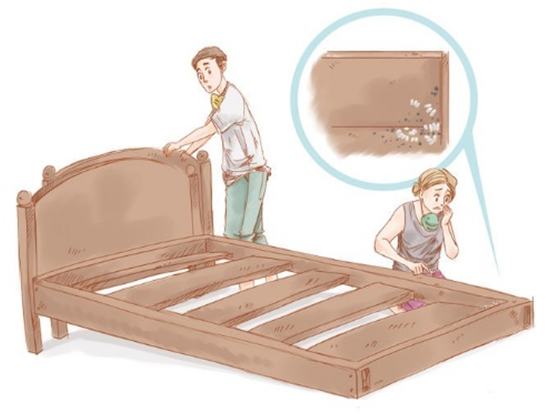
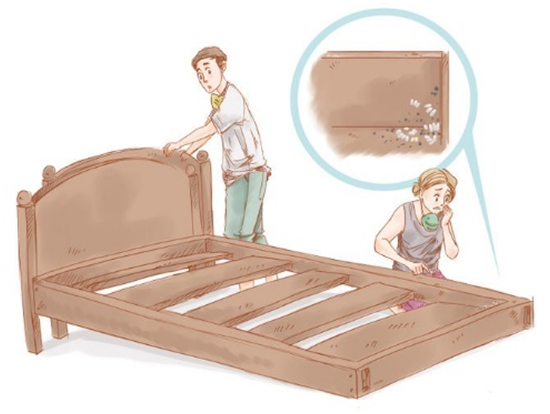
Before you start any treatment, you need to know exactly where the bed bugs are hiding. Pull back the sheets and inspect the seams and tags of your mattress and box spring with a flashlight. Look for live bugs, tiny white eggs, shed skins, rust-colored blood spots, or a sweet, musty odor. Check bed frame joints, headboards, nightstands, and any cracks in the wall near the bed. Bed bugs prefer to stay within a few feet of where people sleep, so concentrate your search there first. A slow, thorough inspection will save you time and wasted effort later.
Bed Bug Hiding Spots People Often Miss
Bed bugs are experts at squeezing into tiny spaces. Beyond the mattress, inspect electrical outlets, baseboards, carpet edges, picture frames, curtains, and closet clutter. They can hide behind loose wallpaper, under lamps, and inside drawer joints. Do not forget luggage, backpacks, and shoes stored under the bed. Treating only the mattress while ignoring these secondary hiding spots is a common reason why infestations return. Move methodically around the room and keep notes of every location where you find evidence so you can re-check those spots after treatment.
Common Mistakes to Avoid
Do not sleep in a different room hoping the bugs will starve; they can follow your scent or survive for months without feeding. Avoid using outdoor or agricultural pesticides indoors, and never apply insecticides to bedding or pillows you will sleep on. Do not move infested furniture through the house without wrapping it tightly in plastic first, because this can drop bugs along the way. Do not rely on a single method or a single treatment, since eggs often survive the first round. Stay consistent and patient, and adjust your approach based on what you observe during follow-up inspections.
For related advice, see [10 Beauty Tips for Women](/10-beauty-tips-for-women), [11 Steps for healing a burnt tongue](/11-steps-for-healing-a-burnt-tongue) and [Acid Reflux Home Remedies](/acid-reflux-home-remedies).
Pest control professionals commonly recommend starting with non-chemical methods such as thorough vacuuming, targeted steam application, and heat before turning to pesticides, because repeated physical removal combined with proper exclusion and monitoring gives homeowners the most reliable chance of eliminating a bed bug infestation while limiting unnecessary chemical exposure.
Conclusion
Getting rid of bed bugs yourself at home takes planning, persistence, and attention to detail. Start with a careful inspection, remove clutter, isolate infested items, and combine vacuuming, laundering, steam, and sealing to reduce the population. Revisit the treated areas every two to four weeks to catch any eggs that have hatched and to stop the infestation from bouncing back.
If your efforts do not stop the bites after several thorough treatments, consider calling a licensed pest control professional for heat treatment or targeted insecticide application. Acting quickly and staying consistent gives you the best chance of reclaiming your home from these persistent pests.
Frequently Asked Questions
Last updated
This article is for informational purposes only and does not constitute medical advice. Consult a licensed dermatologist or healthcare provider before starting any new treatment.
Beauty & Hair Care Editor
Amanda Gurton is a beauty editor and researcher with a focus on translating dermatology and trichology insights into clear, actionable advice. She covers skincare routines, hair health, ingredient science, and everyday beauty habits.
Comments (0)
Be the first to comment.
Related Articles

Self-Tanner Application: How to Get a Natural, Streak-Free Result
Learn how to apply self-tanner for a natural, even, streak-free result, including prep steps, application technique, and how to fix common mistakes.

How to Patch Test Beauty Products Safely
Learn how to properly patch test makeup, hair products, and other beauty items beyond skincare, and how to interpret the results.

Minimalist Makeup Bag: 10 Essentials You Actually Need
Discover the 10 genuine makeup essentials for a minimalist routine, cutting through excess products to focus on what actually matters.
Multi-Use Beauty Products That Save Time and Money
Discover genuinely effective multi-use beauty products that combine several routine steps, saving both time and money without sacrificing results.