 Funky Millions
How to Build a Travel-Friendly Beauty Routine
Learn how to build an effective, compact travel beauty routine, including product decanting, TSA rules, and maintaining consistency on the go.
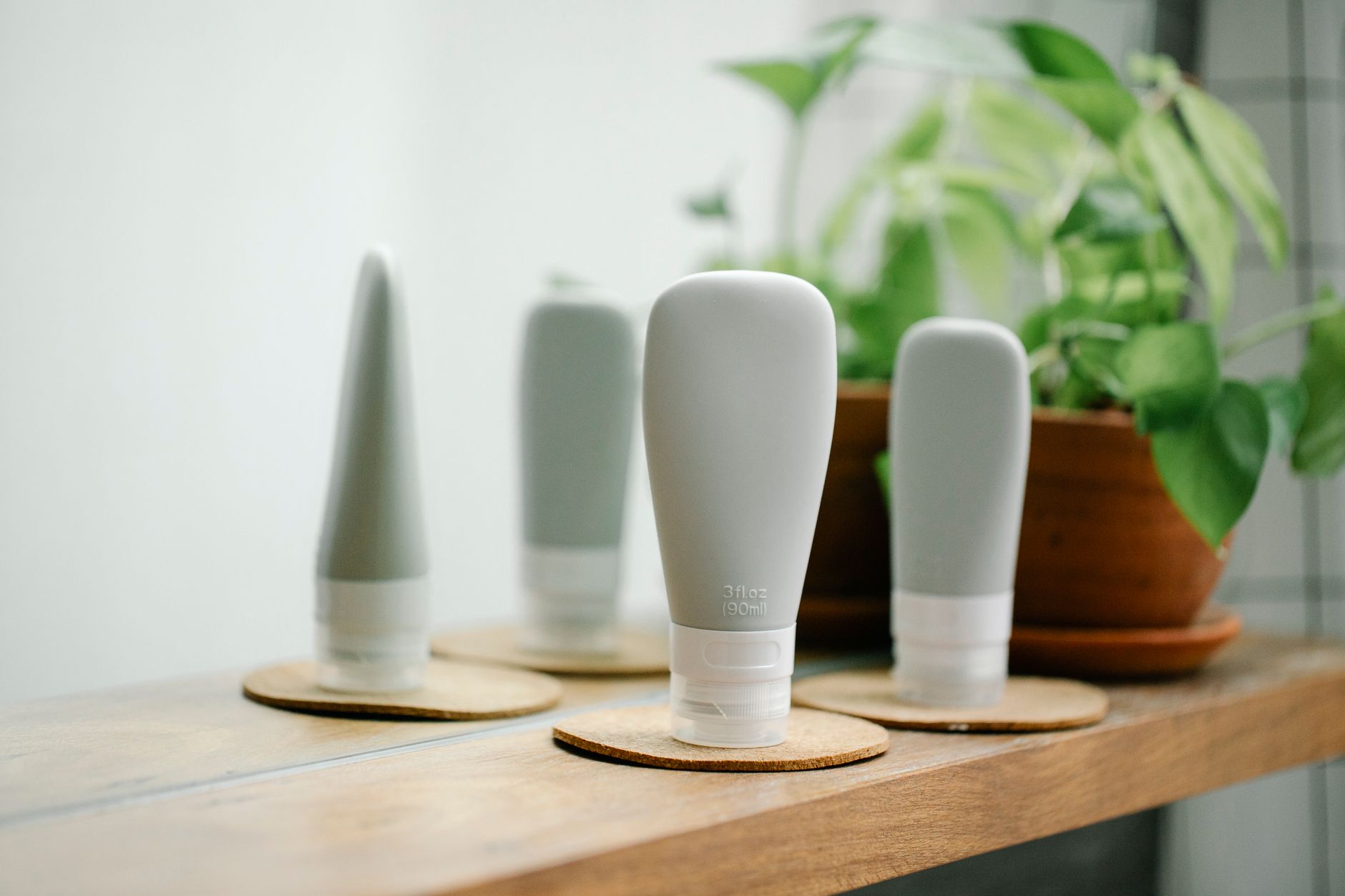
Quick summary
Key Takeaways
- Standard carry-on liquid restrictions (3.4oz/100ml containers, one quart bag total) should guide your entire travel beauty packing strategy from the start.
- Decanting preserves your established routine, while purchasing travel sizes offers convenience and potentially reduced leak risk, with the right choice depending on your specific priorities.
- A simplified, 3-4 product skincare kit can maintain most of your routine's core benefits while traveling.
- Focusing on multi-use products allows a compact makeup kit to cover most travel needs without excessive bulk.
- Multi-use products are especially valuable for travel, where minimizing both space and liquid volume matters more than at home.
- For longer or international trips, researching product availability at your destination and packing a reasonable buffer for essential, hard-to-replace items helps avoid the inconvenience of running out of critical products while away from familiar retail options.
- Solid and powder product alternatives can help you avoid liquid restrictions entirely for certain categories.
- Consider your destination's climate, not just your home routine, when deciding which products to prioritize packing.
- Travel conditions, including cabin pressure changes, disrupted sleep, and unfamiliar climates, can affect both product container integrity and skin tolerance for active ingredients, making it reasonable to pause or reduce strong actives temporarily during trips, particularly those involving significant sun exposure.
- Frequent travelers benefit from maintaining a permanently packed, regularly replenished travel kit for convenience and reduced risk of forgetting items, while infrequent travelers may find repacking before each trip more practical given how travel frequency affects the actual value of a dedicated, ready-to-go kit.
Traveling disrupts even the most consistent beauty routine, but with the right approach to packing, product selection, and simplification, you can maintain most of your routine's benefits without checking a bag full of full-size products. This guide covers exactly how to build an effective, compact travel routine.
Understanding Liquid Restrictions
For carry-on air travel, most countries limit liquids, gels, and creams to containers of 3.4 ounces (100ml) or less, all fitting within a single quart-sized bag. Understanding this restriction upfront shapes how you approach packing your entire routine, prioritizing which products genuinely need to travel with you versus which can be left behind or replaced with alternatives.
Decanting vs. Buying Travel-Size Products
Decanting your regular products into reusable travel containers allows you to bring your established, tested routine rather than purchasing potentially unfamiliar travel-size versions. However, purchasing dedicated travel sizes saves the decanting effort and reduces leak risk, since these containers are specifically designed for the product.
Building a Minimal but Effective Skincare Kit
- Travel-size cleanser or cleansing wipes for simplicity
- A multi-tasking moisturizer with SPF, combining two steps into one
- A travel-size version of any essential treatment product (like a retinoid, if part of your regular routine)
- A small container of your regular moisturizer, if SPF combination products do not meet your skin's needs
Building a Minimal but Effective Makeup Kit
- A multi-use cream product for cheeks and lips
- Mascara
- A versatile concealer
- A compact, multi-shade eyeshadow palette rather than several single shades
Multi-Use Products for Travel
- Tinted moisturizer with SPF, combining hydration, coverage, and sun protection
- Cream blush/lip products, usable on both cheeks and lips
- A balm suitable for lips, cuticles, and light skin hydration
- A universal, sheer bronzer, usable for both a subtle glow and light contouring
International Travel and Product Availability Considerations
For longer international trips, particularly to destinations where familiar brands may not be available or where you might run out of a product mid-trip, planning ahead for potential replenishment needs deserves more consideration than domestic travel typically requires.
Researching whether your regular skincare or makeup brands are available at your destination, or identifying reasonable local alternatives in advance, can provide useful peace of mind for longer trips where running out of an essential product, particularly sunscreen or a specific treatment you rely on, mid-trip could otherwise mean going without or scrambling to find an unfamiliar substitute while already traveling. This is particularly relevant for very specific, harder-to-replace products, such as a prescription treatment or a niche formula not widely distributed internationally, where packing slightly more than the minimum estimated need provides a reasonable buffer against unexpected trip extensions or higher-than-anticipated product usage.
For extended stays or relocations rather than short trips, researching how local drugstores and pharmacies are organized, and which local brands are well-regarded, before departure can help you feel more confident navigating an unfamiliar retail environment once you arrive, rather than needing to figure this out reactively after your travel-size products run out.
Solid and Powder Alternatives
- Solid cleansing bars, avoiding liquid restrictions entirely
- Solid sunscreen sticks, offering the same restriction-avoiding benefit
- Powder products generally face less restrictive travel regulations than liquids
- Solid perfume or balm-based fragrance, avoiding liquid spray restrictions
Protecting Products During Travel
- Use leak-proof containers specifically designed for travel, with secure seals
- Place a small piece of plastic wrap under caps before securing, for extra leak protection
- Pack liquids upright when possible, and separate from clothing in case of any leakage
- Consider pressure-resistant containers for products particularly prone to leaking under altitude pressure changes
Comparison Table: Travel Packing Strategies
| Strategy | Pros | Cons |
|---|---|---|
| Decanting into travel containers | Preserves established routine | Time investment, some leak risk |
| Purchasing travel-size products | Convenient, designed for travel | May differ from regular product, added cost |
| Solid/powder alternatives | Avoids liquid restrictions | Fewer options available in some categories |
| Multi-use products | Saves space and reduces item count | May not perform as well as dedicated single-purpose products |
Adjusting Your Routine for Different Climates
Traveling to a significantly different climate than home may require adjusting your travel kit beyond simply packing smaller versions of your usual products. Our guide on seasonal skin transition covers similar principles relevant to climate-based routine adjustments, applicable whether transitioning between seasons at home or traveling to a different climate.
Managing Skincare Actives During Travel
Active ingredients like retinoids and exfoliating acids require some special consideration during travel, beyond simply fitting them into liquid-restriction-compliant containers, given how travel conditions can affect both their stability and how your skin tolerates them under changed circumstances.
Cabin pressure changes during air travel can occasionally affect the seal integrity of certain product containers, making it worth checking retinoid and acid products specifically for any leakage after a flight, since these active ingredients can cause skin irritation if they unexpectedly contact skin outside their intended, controlled application. Beyond container concerns, many dermatologists suggest pausing or reducing the frequency of strong actives during the first few days of travel, particularly for long-haul flights or significant time zone changes, since travel stress, disrupted sleep, and unfamiliar climate conditions can all temporarily increase skin sensitivity in ways that make usually well-tolerated actives feel more irritating than they would in your normal routine.
For trips involving significant sun exposure, such as beach or tropical destinations, actives that increase photosensitivity, most notably retinoids, deserve particular caution, and some people choose to pause these specific products entirely for the duration of a sun-intensive trip, resuming their normal routine only once back in a more typical daily environment with more predictable, moderate sun exposure patterns.
Common Mistakes to Avoid
Packing Full-Size Products Unnecessarily
This wastes valuable luggage space and, for carry-on travel, may violate liquid restrictions, when travel-size alternatives would serve the same purpose.
Not Testing Decanted or Travel-Size Products Before Departure
Trying an unfamiliar travel-size product for the first time while traveling risks an unexpected reaction or dissatisfaction at an inconvenient time.
Forgetting Leak Protection
Skipping leak-proofing steps for liquid products can result in damaged belongings and lost product during travel.
Overpacking "Just in Case" Products
Bringing excessive backup products for scenarios unlikely to occur adds unnecessary bulk and weight to luggage.
Building a Reusable Travel Kit vs. Repacking Each Trip
For those who travel frequently, maintaining a dedicated, permanently packed travel beauty kit, refilled and refreshed between trips rather than assembled from scratch each time, offers meaningful time savings and reduces the risk of forgetting essential items during the often rushed process of trip preparation.
A dedicated travel kit works best when it lives in its own consistent location, whether a designated drawer or a specific bag reserved solely for travel use, and includes not just decanted products but also travel-specific tools like a compact mirror, a small pair of scissors for opening packaging, and extra empty containers for any last-minute additions. Establishing a habit of immediately replenishing and resealing this kit upon returning from each trip, rather than waiting until the next trip's preparation to discover depleted or missing products, ensures the kit remains genuinely ready to grab at a moment's notice, which becomes particularly valuable for unplanned or last-minute travel.
For less frequent travelers, the time investment in maintaining a permanent dedicated kit may not be worthwhile compared to simply repacking travel containers before each trip, since infrequent use means products would need replacement due to expiration before the convenience benefit of a permanent kit is fully realized. Assessing your actual travel frequency honestly helps determine which approach genuinely saves more time and resources for your specific situation.
- Prioritize multi-use products to minimize both space and liquid volume in your travel kit.
- Test any new travel-size or decanted products before your trip, not during it.
- Use proper leak protection for all liquid products, including plastic wrap under caps.
- Research your destination's climate and adjust your product selection accordingly, beyond simply shrinking your usual routine.
Conclusion
Building a travel-friendly beauty routine comes down to understanding liquid restrictions, prioritizing multi-use products, and thoughtfully deciding between decanting and purchasing dedicated travel sizes based on your specific needs. With careful planning, proper leak protection, and consideration of your destination's climate, you can maintain most of your routine's benefits in a compact, travel-appropriate format. Keeping a dedicated, pre-packed travel bag stocked with your core essentials, rather than repacking from scratch before every trip, saves meaningful time and reduces the odds of forgetting something essential.
For more on adjusting your routine for different climates, see our guide on seasonal skin transition, which offers useful principles applicable to travel destinations as well as seasonal changes at home.
Category: Beauty Tips & Tricks
Tags: travel beauty routine, travel size products, carry-on liquids, decanting products, travel skincare, packing beauty products, TSA liquid rules, minimal travel kit, multi-use beauty products, travel tips
Frequently Asked Questions
References
Last updated
This article is for informational purposes only and does not constitute medical advice. Consult a licensed dermatologist or healthcare provider before starting any new treatment.
Beauty & Hair Care Editor
Ilma is a beauty editor who specializes in breaking down cosmetic ingredients, skincare routines, and hair care practices. Her work focuses on evidence-based guidance readers can trust and apply.
Comments (0)
Be the first to comment.
Related Articles
Multi-Use Beauty Products That Save Time and Money
Discover genuinely effective multi-use beauty products that combine several routine steps, saving both time and money without sacrificing results.
How to Choose Sustainably Packaged Beauty Products
Learn how to identify genuinely sustainable beauty packaging, avoid greenwashing, and make more environmentally conscious beauty purchases.
Skincare Ingredients You Should Never Mix Together
Learn which skincare ingredient combinations to avoid, why they conflict, and how to layer active ingredients safely instead.
Self-Tanner Application: How to Get a Natural, Streak-Free Result
Learn how to apply self-tanner for a natural, even, streak-free result, including prep steps, application technique, and how to fix common mistakes.