 Funky Millions
Peptides in Skincare: Anti-Aging Benefits Explained
Discover the proven **peptides in skincare** benefits for anti-aging, how they work, how to use them, common mistakes, and expert tips for firmer, younger-looking skin.
Quick summary
Key Takeaways
- Peptides in skincare are gentle, science-backed ingredients that signal the skin to produce collagen and repair itself, making them ideal for anti-aging.
- Peptides are amino acid chains that act as messengers to support collagen, elastin, and overall skin repair.
- Peptides mimic the skin's natural repair signals, encouraging collagen production and improving firmness.
- Different peptides work in different ways, from boosting collagen to delivering minerals and slowing collagen breakdown.
- Peptides support collagen, elasticity, barrier health, and hydration while being gentle enough for most skin types.
- Choose signal peptides for firmness, copper peptides for repair, and neurotransmitter-inhibiting peptides for expression lines.
- Apply peptide serum after cleansing and before moisturizer, then finish with sunscreen during the day.
- Peptides are ideal for anyone looking for gentle, effective anti-aging support, especially those with sensitive skin.
- Use peptides consistently, protect them from air and light, and always pair them with sunscreen.
- Consistency, smart pairing, and full-face application help you get the most from peptides.
- Serums offer the strongest peptide concentration, while moisturizers and eye creams provide convenient daily support.
- Expect visible anti-aging results from peptides after 8 to 12 weeks of consistent use.
Introduction
If you are serious about smoothing fine lines, firming sagging skin, and keeping your complexion looking youthful, peptides in skincare deserve a place in your routine. These short chains of amino acids act as messengers that tell your skin to repair itself, produce more collagen, and rebuild the support structure that keeps your face lifted and smooth.
Unlike some anti-aging ingredients that can irritate or require a long adjustment period, peptides are generally gentle and well-tolerated. They work quietly beneath the surface by supporting the skin's natural communication system. Over time, this can lead to fewer wrinkles, better elasticity, and a healthier-looking complexion.
In this guide, you will learn exactly what peptides are, the different types used in skin care, the science-backed benefits, how to layer them correctly, and the mistakes that can waste your money. Whether you are building an anti-aging routine from scratch or looking to upgrade your current lineup, this article will help you use peptides in skincare with confidence.
What Are Peptides in Skincare?
Peptides are short chains of amino acids, which are the building blocks of proteins. In your skin, the most important proteins are collagen, elastin, and keratin. These proteins give your skin structure, firmness, and elasticity.
Think of peptides as tiny messengers. When applied to the skin, they send signals that trigger specific responses, such as collagen production or tissue repair. Without enough peptides, your skin's repair process slows down, which contributes to wrinkles, sagging, and a dull complexion.
There are hundreds of peptides, but only a small number are commonly used in cosmetic formulations. Some occur naturally in the body, while others are created in labs to mimic or enhance natural skin functions.
How Do Peptides Work on Skin?
Your skin has its own communication network. When collagen breaks down due to aging or sun damage, the resulting fragments are recognized by the body as signals to build new collagen. Scientists have isolated and replicated these fragments to create topical peptides.
When you apply a peptide serum or moisturizer, the peptides penetrate the upper layers of the skin and mimic these natural signals. This encourages fibroblasts, the cells that produce collagen, to become more active. The result is firmer, smoother skin over time.
Some peptides also have additional roles. Copper peptides, for example, help with wound healing and tissue repair. Others can block nerve signals that cause muscle contractions, which may soften expression lines.
Types of Peptides Used in Skincare
Not all peptides do the same thing. Understanding the main categories helps you choose the right product for your skin goals.
Signal Peptides
Signal peptides are the most common type in anti-aging products. They send messages to skin cells to produce more collagen, elastin, and other structural proteins. Examples include palmitoyl pentapeptide and palmitoyl oligopeptide.
Carrier Peptides
Carrier peptides deliver trace elements like copper and manganese to the skin, which are essential for wound healing and collagen synthesis. Copper peptides are the best-known example.
Neurotransmitter-Inhibiting Peptides
These peptides work by blocking the release of chemicals that cause facial muscles to contract. The idea is similar to how injectable neuromodulators work, but much milder. Examples include acetyl hexapeptide-8 and pentapeptide-18.
Enzyme-Inhibiting Peptides
Enzyme-inhibiting peptides slow down the breakdown of collagen and elastin by interfering with enzymes like matrix metalloproteinases (MMPs). This helps preserve the skin's existing structural support.
Top Peptides in Skincare Benefits
1. Boosts Collagen Production
Collagen is what keeps skin plump and firm. After age 25, your body produces about 1% less collagen each year. Peptides help counteract this decline by signaling fibroblasts to make more collagen. Over time, this can reduce the appearance of fine lines and wrinkles.
2. Improves Skin Elasticity
Elastin allows your skin to bounce back after stretching. As elastin production decreases with age, skin can start to sag. Peptides that stimulate elastin production help improve skin's flexibility and resilience.
3. Strengthens the Skin Barrier
A strong skin barrier locks in moisture and keeps irritants out. Some peptides support the production of ceramides and other barrier components, which helps reduce dryness and sensitivity.
If your barrier is already compromised, you may also want to read our guide on repair damaged skin barrier for a full recovery plan.
4. Reduces the Appearance of Fine Lines
By increasing collagen and elastin, peptides can soften fine lines around the eyes, mouth, and forehead. They are especially useful for people who cannot tolerate stronger actives like retinol.
5. Supports Wound Healing
Copper peptides in particular have been studied for their ability to speed up wound healing and tissue repair. This makes them helpful after skin procedures or for skin that is prone to irritation.
6. Hydrates the Skin
Many peptide formulas also contain humectants like hyaluronic acid or glycerin, which draw moisture into the skin. Better hydration makes fine lines less visible and gives the skin a smoother texture.
For extra hydration tips, check out our article on how to make your skin glow.
7. Works Well With Most Ingredients
Peptides are compatible with many other skincare ingredients, including niacinamide, hyaluronic acid, vitamin C, and sunscreen. This makes them easy to add to almost any routine without major conflicts.
8. Gentle Enough for Sensitive Skin
Unlike retinoids or strong acids, peptides rarely cause irritation, redness, or peeling. They are a good option for people with sensitive skin who still want anti-aging benefits.
Peptide Comparison Table
| Peptide Type | Main Function | Best For | Common Examples | Typical Results Timeline |
|---|---|---|---|---|
| Signal peptides | Stimulate collagen and elastin | Fine lines, sagging skin | Palmitoyl pentapeptide, palmitoyl oligopeptide | 8–12 weeks |
| Carrier peptides | Deliver minerals for repair | Dull, damaged skin | Copper peptides (GHK-Cu) | 6–10 weeks |
| Neurotransmitter-inhibiting peptides | Relax facial muscles | Expression lines, forehead wrinkles | Acetyl hexapeptide-8, pentapeptide-18 | 8–12 weeks |
| Enzyme-inhibiting peptides | Protect collagen from breakdown | Mature, sun-damaged skin | Soy peptides, rice peptides | 10–12 weeks |
How to Use Peptides in Your Skincare Routine
Adding peptides in skincare to your daily regimen is simple. Follow these steps for the best results.
Step 1: Cleanse Your Face
Start with a gentle cleanser that removes dirt, oil, and makeup without stripping your skin. Peptides work best on clean skin because they need to penetrate the surface layers.
Step 2: Apply a Toner or Essence (Optional)
If you use a hydrating toner or essence, apply it after cleansing. This preps the skin and helps subsequent products absorb better.
Step 3: Layer Peptide Serum
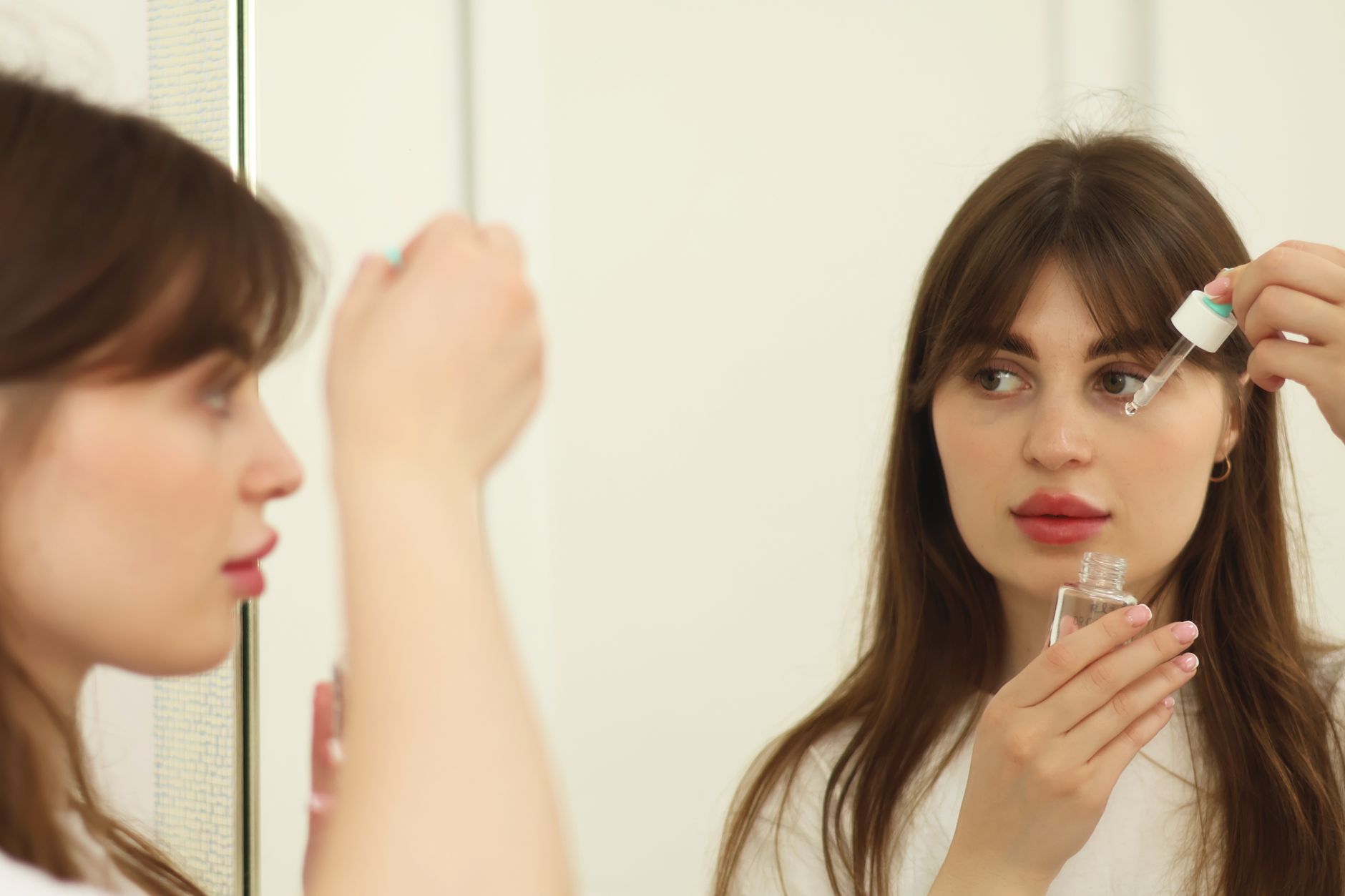
Apply your peptide serum to slightly damp skin. Use the amount recommended on the label, usually 2–4 drops or a pea-sized amount. Gently press it into your face and neck.
Step 4: Add Other Treatment Serums
Peptides pair well with niacinamide, hyaluronic acid, and vitamin C. If you use multiple serums, apply them from thinnest to thickest consistency.
If you are also using active ingredients like retinol or acids, you may want to separate them by time of day or layer peptides first.
For a complete layering guide, visit our post on skincare routine order.
Step 5: Moisturize
Seal in your serums with a moisturizer that matches your skin type. Many peptide moisturizers combine signal peptides with ceramides and fatty acids for extra barrier support.
Step 6: Apply Sunscreen in the Morning
Finish your daytime routine with a broad-spectrum SPF 30 or higher. Sunscreen protects the collagen peptides help build and prevents new damage.
Sample Peptide Skincare Routines
Morning Routine
- Gentle cleanser
- Vitamin C serum
- Peptide serum
- Moisturizer
- Broad-spectrum SPF 30+
Evening Routine
- Oil-based cleanser (if wearing makeup or sunscreen)
- Water-based cleanser
- Peptide serum
- Niacinamide or hyaluronic acid serum (optional)
- Moisturizer or night cream
- Retinol 2–3 nights per week (optional)
If you are new to anti-aging routines, our guide on anti-aging skincare routine 30s offers a practical framework.
Who Should Use Peptides?
Peptides are suitable for almost everyone, but they are especially helpful if you:
- Are in your late 20s or older and want to prevent or reduce fine lines
- Have sensitive skin that cannot tolerate retinoids
- Want to improve skin firmness and elasticity
- Are recovering from a damaged skin barrier
- Prefer gentle, well-tolerated anti-aging ingredients
They are not a replacement for sunscreen or retinoids, but they are an excellent supporting ingredient.
Common Mistakes to Avoid
1. Expecting Overnight Results
Peptides work gradually. Most people need at least 8 to 12 weeks of consistent use before seeing visible improvements. Patience is key.
2. Using Unstable Formulas
Peptides can degrade when exposed to air and light. Choose products in opaque, airless pumps or dark glass bottles to maintain potency.
3. Layering With Harsh Actives Incorrectly
Peptides are generally stable, but extremely low pH acids or strong retinoids can sometimes reduce their effectiveness. If you use strong acids, apply them at a different time of day than your peptide serum.
4. Skipping Sunscreen
No anti-aging ingredient can undo daily UV damage. Sunscreen is non-negotiable if you want peptides to work.
5. Choosing Products With Only Marketing Hype
Look for specific peptide names on the ingredient list, such as palmitoyl tripeptide-1, copper tripeptide-1, or acetyl hexapeptide-8. Avoid vague "proprietary peptide complex" claims without transparency.
Peptide Product Recommendations
When shopping for peptide products, look for specific peptide names and stable packaging. Here are the most common types of products to consider.
Peptide Serums
Serums contain the highest concentration of peptides and penetrate the skin effectively. They are ideal if you want targeted anti-aging results.
Peptide Moisturizers
These are great for daily hydration combined with collagen support. They are especially useful for dry or mature skin.
Peptide Eye Creams
The delicate eye area benefits from peptides that target fine lines and crow's feet. Look for formulas with neurotransmitter-inhibiting peptides.
Peptide Neck Creams
These thicker creams are designed to address sagging and horizontal lines on the neck and chest.
How Long Until You See Results?
Most people notice improved hydration and skin texture within the first few weeks of using peptides. Visible firming and wrinkle reduction typically take 8 to 12 weeks of consistent use.
For best results, use peptides twice daily and pair them with sunscreen, moisturizer, and a gentle cleanser. If you are also using retinol, introduce it slowly to avoid irritation.
Start With One Peptide Product
You do not need a cabinet full of peptide products. Start with one well-formulated serum or moisturizer and use it consistently.
Look for Multi-Peptide Formulas
Products that combine several peptide types can target multiple signs of aging at once. A formula with signal peptides plus copper peptides may offer both firming and repair benefits.
Pair Peptides With Niacinamide
Niacinamide and peptides work beautifully together. Niacinamide strengthens the barrier and evens tone, while peptides support collagen and firmness.
Be Consistent
Peptides are not a quick fix. Use them twice daily for at least three months before evaluating results.
Do Not Forget Your Neck and Chest
The neck and décolletage show signs of aging too. Extend your peptide serum and moisturizer downward to keep these areas looking smooth.
For more targeted advice, read our guide on neck decolletage skincare.
Conclusion
Peptides in skincare are one of the most promising ingredients for anyone who wants firmer, smoother, younger-looking skin without the irritation that stronger actives can cause. They work by sending signals that boost collagen, support elasticity, and strengthen the skin barrier.
Whether you choose a peptide serum, moisturizer, or eye cream, the key is consistency. Use your peptide product twice daily, pair it with sunscreen, and give it at least two to three months before judging the results.
If you found this guide helpful, share it with a friend who is building their anti-aging routine. Then explore our related articles on skincare routine order, how to make your skin glow, and anti-aging skincare routine 30s for even more expert tips.
Frequently Asked Questions
References
Last updated
This article is for informational purposes only and does not constitute medical advice. Consult a licensed dermatologist or healthcare provider before starting any new treatment.
Beauty & Hair Care Editor
Amanda Gurton is a beauty editor and researcher with a focus on translating dermatology and trichology insights into clear, actionable advice. She covers skincare routines, hair health, ingredient science, and everyday beauty habits.
Comments (0)
Be the first to comment.
Related Articles

Snail Mucin Benefits for Skin: What Science Says
Discover the science-backed snail mucin benefits skin, from deep hydration to barrier repair. Learn how to use it, what to avoid, and expert tips.

Sleep and Skin Health: Why Beauty Sleep Is Real
Discover how sleep and skin health are connected. Learn the science behind beauty sleep, skin repair at night, and how to build a bedtime routine for glowing skin.

Rosehip Oil Benefits for Face and How to Use It
Rosehip oil benefits for face include deep hydration, natural brightening, scar softening, and anti-aging support. Learn how to use it safely in your routine.
Bakuchiol: A Gentle Retinol Alternative
Discover why bakuchiol vs retinol is the debate every sensitive skin type needs to read. Learn benefits, routines, and how to switch safely.