 Funky Millions
How Long Do Beauty Products Really Last? An Expiration Guide
Learn how long different beauty products actually last once opened, how to spot expired products, and why using them past expiration matters.
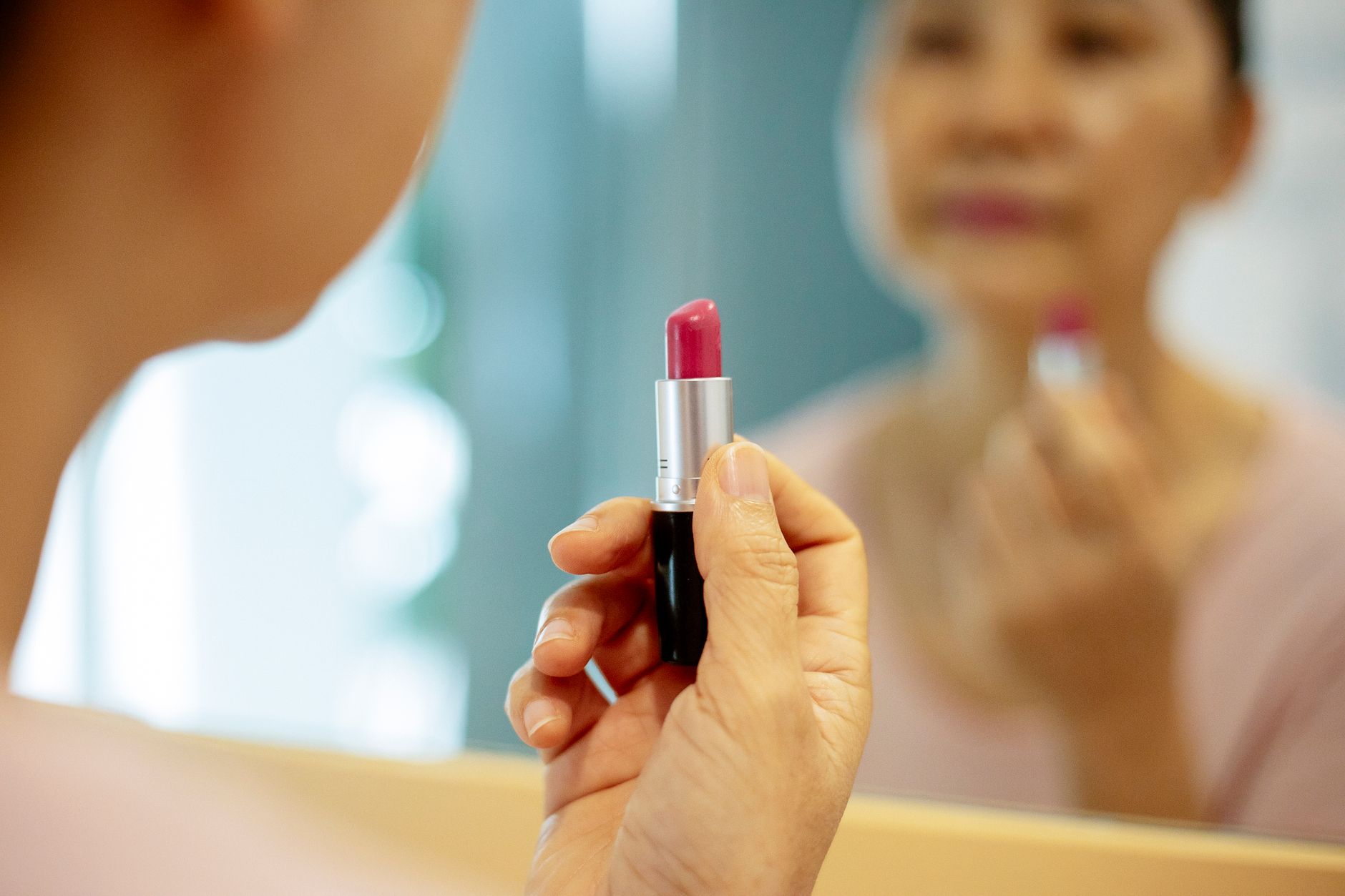
Quick summary
Key Takeaways
- The PAO symbol indicates months of safe use after opening, making it essential to track when you actually opened each product.
- Vitamin C serum has a notably shorter effective shelf life than most other skincare products, given its particular chemical instability.
- Mascara has by far the shortest recommended shelf life among common makeup products, given its proximity to the eyes and higher infection risk.
- Sensory changes, smell, texture, and color, are the most reliable practical indicators that a product has expired, regardless of the technical PAO timeline.
- Expired products both underperform and, particularly for eye-area products, carry a genuine infection risk that makes timely replacement worthwhile.
- Sunscreen expiration deserves more proactive, date-based tracking than sensory-based assessment alone, since degraded UV protection typically provides no obvious smell or texture warning before meaningful sun protection has already been compromised, particularly for sunscreen that has experienced significant heat exposure.
- Proper storage, appropriate packaging choices, and clean application habits together can meaningfully extend a product's effective, safe shelf life.
- Cosmetics use a Period After Opening system rather than fixed expiration dates because their relevant shelf-life clock starts at opening rather than manufacturing, and because the generally milder, more gradually apparent risk profile of expired cosmetics compared to expired food makes sensory assessment a genuinely reliable backup safety check.
- Natural and preservative-free products often have meaningfully shorter safe-use windows than conventionally preserved alternatives, making smaller purchase sizes, appropriate refrigeration, and heightened attention to sensory changes particularly important for this specific product category.
Unlike food, most beauty products do not display a clear expiration date, instead relying on a symbol showing months after opening, leaving many people unsure how long their products genuinely remain safe and effective. This guide covers realistic expiration timelines for common product categories and how to recognize when something needs replacing.
Understanding the PAO Symbol
The Period After Opening (PAO) symbol, a small open jar icon with a number and "M" (for months) inside or beside it, indicates how long a product remains safe and effective after first use, distinct from any separate "best before" manufacturing date. This is the primary expiration reference for most beauty products, though it requires you to remember or track your actual opening date.
Skincare Product Expiration Timelines
| Product | Typical Shelf Life After Opening |
|---|---|
| Cleanser | 12 months |
| Moisturizer | 12 months |
| Serum (water-based) | 6-12 months |
| Vitamin C serum | 3-6 months (degrades faster) |
| Sunscreen | 12 months, or manufacturer expiration if sooner |
| Eye cream | 6-12 months |
Makeup Product Expiration Timelines
| Product | Typical Shelf Life After Opening |
|---|---|
| Liquid foundation | 12 months |
| Powder products | 18-24 months |
| Mascara | 3 months (shortest of common products) |
| Liquid eyeliner | 3-6 months |
| Lipstick | 12-18 months |
| Cream products (blush, concealer) | 12 months |
Hair Product Expiration Timelines
| Product | Typical Shelf Life After Opening |
|---|---|
| Shampoo/conditioner | 18-24 months |
| Styling products (gel, mousse) | 12-24 months |
| Hair oil | 12 months |
| Heat protectant spray | 12-24 months |
Signs a Product Has Expired
- Changed smell, often described as sour, rancid, or simply "off"
- Changed texture, such as separation, clumping, or an unusual consistency
- Changed color, particularly relevant for vitamin C serums, which oxidize to a darker yellow or brown
- Reduced effectiveness, noticing a product no longer performs as it once did
Why Using Expired Products Matters
Expired products carry two main concerns: reduced effectiveness, since active ingredients degrade over time, and increased risk of bacterial or fungal growth, particularly relevant for products used near the eyes (mascara, eyeliner) or applied to broken skin. Both concerns matter, but the infection risk is the more serious consideration for products used close to sensitive areas.
Sunscreen Expiration Deserves Special Emphasis
While sunscreen's general shelf life is covered in the earlier product tables, its expiration deserves particular emphasis beyond a simple timeline entry, given the significant real-world consequences of relying on a product that has degraded past effective use.
Unlike many other skincare products where expiration primarily affects sensory experience or gradual effectiveness decline, expired sunscreen presents a more immediate, consequential risk, since its active ingredients, whether mineral or chemical filters, can degrade to the point of providing meaningfully less UV protection than the SPF number on the label suggests, while giving no obvious sensory warning that this degradation has occurred. This mismatch between how the product feels and how well it actually protects is precisely why sunscreen expiration deserves more conservative treatment than simply waiting for a noticeable smell or texture change, sunscreen users are better served by proactively tracking the manufacturer's printed expiration date or opening date rather than waiting for sensory cues that may never appear before meaningful protection has already been lost.
Sunscreen that has been left in a hot car, taken to the beach repeatedly, or otherwise exposed to significant heat cycles deserves particular skepticism regarding its remaining effectiveness, even if technically still within its stated shelf life, since heat exposure specifically accelerates the degradation of many common UV filter ingredients beyond what standard storage conditions would produce.
Factors That Affect Shelf Life
- Preservative system strength, since more heavily preserved formulas generally last longer
- Packaging type, with pump and airless packaging generally extending shelf life compared to jars requiring finger contact
- Storage conditions, since heat, light, and humidity all accelerate degradation
- How the product is used, since dipping fingers directly into a jar introduces more bacteria than a pump dispenser
Comparison Table: Expiration by Product Category
| Category | Shortest-Lived Product | Longest-Lived Product |
|---|---|---|
| Skincare | Vitamin C serum (3-6 months) | Sunscreen/moisturizer (12 months) |
| Makeup | Mascara (3 months) | Powder products (18-24 months) |
| Hair | Hair oil (12 months) | Shampoo/conditioner (18-24 months) |
How to Extend Product Shelf Life
Step 1: Store Properly
Keep products away from direct sunlight, heat, and humidity to slow degradation.
Step 2: Choose Pump or Airless Packaging When Available
This reduces air and bacterial exposure compared to open jars.
Step 3: Use Clean Application Tools
Avoid dipping fingers directly into products when a spatula or applicator is available instead.
Step 4: Close Products Tightly After Each Use
Minimizing air exposure between uses helps slow oxidation and degradation.
Why Regulatory Approaches to Expiration Differ From Food
Understanding why cosmetics are regulated so differently from food when it comes to expiration labeling helps explain the PAO system's logic and why beauty products lack the more familiar "best by" or "use by" dates found on grocery items, a distinction that sometimes causes confusion for consumers expecting the same labeling approach across both categories.
Food products typically carry a specific date because their shelf life is calculated from the moment of manufacturing and packaging, a timeline that begins the same way for every unit regardless of purchase or opening date. Cosmetics, by contrast, generally remain stable on the shelf while unopened and sealed, meaning the more relevant timeline begins not at manufacturing but at the moment air and repeated use exposure actually begins, which varies significantly based on when an individual consumer opens and starts using a specific unit, explaining why the PAO system tracks months after opening rather than a fixed calendar date.
This regulatory approach also reflects a genuine difference in the primary risk profile between the two categories, food safety concerns center heavily on foodborne pathogens that can cause serious illness even from products that still look and smell acceptable, while cosmetic safety concerns more often involve reduced effectiveness and a more gradual, generally milder risk of skin irritation or minor infection that sensory changes, smell, texture, and color, tend to signal reasonably well before the product becomes genuinely hazardous, which is part of why sensory assessment remains such a reliable practical backup to the formal PAO timeline for cosmetics specifically.
Common Mistakes to Avoid
Not Tracking Opening Dates
Without a system for remembering when you opened a product, it becomes difficult to know when the PAO timeline has actually elapsed.
Assuming Unopened Products Last Forever
While unopened products generally have a longer shelf life than opened ones, they still have manufacturing expiration dates that should be respected, particularly for products with more delicate active ingredients.
Continuing to Use Products With Sensory Changes
Ignoring changes in smell, texture, or color, and continuing to use an expired product regardless, increases both effectiveness and safety concerns.
Not Prioritizing Mascara Replacement
Given mascara's notably short recommended shelf life and proximity to the eyes, this is one product category where timely replacement matters more than it might for others.
Natural and Preservative-Free Products Deserve Extra Caution
Products marketed as natural, organic, or preservative-free deserve particular attention regarding expiration, since the very qualities often marketed as benefits, minimal synthetic preservatives, can significantly shorten effective and safe shelf life compared to conventionally preserved alternatives.
Preservatives exist specifically to inhibit microbial growth, and products formulated with minimal or no synthetic preservatives, while appealing to consumers prioritizing "clean" formulations, generally require more vigilant expiration tracking and often have meaningfully shorter safe-use windows than their conventionally preserved counterparts. Some preservative-free products, particularly those with a high water content that supports microbial growth more readily than anhydrous (water-free) formulations, may only remain genuinely safe for a matter of weeks after opening rather than the months typical of conventionally preserved products, a distinction not always clearly communicated on packaging.
For those who prioritize natural or preservative-free formulations, purchasing smaller sizes that will be used up well within the shorter safe window, storing these products in the refrigerator when appropriate for the specific formulation, and being especially attentive to sensory changes are all reasonable adjustments that help balance formulation preferences with genuine safety considerations, rather than assuming a natural product is automatically safer or more shelf-stable than a conventionally preserved one simply because of its marketing positioning.
- Write the opening date directly on products with a small sticker or marker, making PAO tracking straightforward.
- Replace mascara every three months, regardless of how much product remains, given its short recommended shelf life.
- Trust sensory changes over the technical PAO timeline if a product smells, looks, or feels different than when new.
- Choose pump or airless packaging when available, which generally extends effective shelf life compared to open jars.
Conclusion
Understanding realistic beauty product expiration timelines, from mascara's notably short three-month window to sunscreen and moisturizer's more forgiving twelve months, helps you replace products at the right time for both effectiveness and safety. Tracking opening dates, watching for sensory changes, and choosing storage practices and packaging that extend shelf life together support a beauty routine that performs as intended without unnecessary risk.
For more on proper storage practices that support product longevity, see our guide on how to properly store makeup and beauty tools.
Category: Beauty Tips & Tricks
Tags: beauty product expiration, PAO symbol, mascara shelf life, skincare expiration, makeup expiration, product safety, expired makeup, beauty product storage, shelf life guide, beauty basics
Frequently Asked Questions
References
Last updated
This article is for informational purposes only and does not constitute medical advice. Consult a licensed dermatologist or healthcare provider before starting any new treatment.
Beauty & Hair Care Editor
Amanda Gurton is a beauty editor and researcher with a focus on translating dermatology and trichology insights into clear, actionable advice. She covers skincare routines, hair health, ingredient science, and everyday beauty habits.
Comments (0)
Be the first to comment.
Related Articles

How to Patch Test Beauty Products Safely
Learn how to properly patch test makeup, hair products, and other beauty items beyond skincare, and how to interpret the results.
Minimalist Makeup Bag: 10 Essentials You Actually Need
Discover the 10 genuine makeup essentials for a minimalist routine, cutting through excess products to focus on what actually matters.
Multi-Use Beauty Products That Save Time and Money
Discover genuinely effective multi-use beauty products that combine several routine steps, saving both time and money without sacrificing results.
Do You Actually Need a Makeup Primer? What It Really Does
Learn what makeup primer actually does, whether you really need one, and how to choose the right primer for your skin type and concerns.