 Funky Millions
Do You Actually Need a Makeup Primer? What It Really Does
Learn what makeup primer actually does, whether you really need one, and how to choose the right primer for your skin type and concerns.
Quick summary
Key Takeaways
- Primer's core function is creating a smoother, more even surface that helps makeup apply more evenly and last longer, though specific formulas target different concerns.
- Choosing a primer based on your specific skin concern, rather than a generic "primer" purchase, produces more targeted, effective results.
- Primer is a beneficial but optional step, and skipping it is entirely reasonable for casual makeup, minimal looks, or well-prepped, naturally smooth skin.
- Beyond general face primer, dedicated eyeshadow, lip, and brow primers address specific application challenges unique to those areas, offering more targeted benefits than relying on a single all-purpose face primer for the entire look.
- Moisturizer and primer serve related but distinct purposes, and one should not be considered a full substitute for the other.
- A thin, even layer applied to well-moisturized skin, with adequate set time before foundation, maximizes primer's effectiveness.
- Primer's texture-smoothing benefits become considerably more noticeable and worthwhile under camera flash and bright photography lighting than in everyday, in-person contexts, making it a particularly valuable step for photographed events specifically.
- Recognizing common primer ingredients, silicones for blurring, added actives like niacinamide for skin-adjacent benefits, and sometimes SPF, helps you choose more precisely, though primer's SPF content should never replace a dedicated sunscreen.
Primer is often presented as a non-negotiable first step in makeup application, but its actual necessity depends heavily on your skin type, the makeup you are wearing, and how long you need it to last. This guide explains what primer genuinely does at a formulation level, who benefits most, and when skipping it is a perfectly reasonable choice.
What Does Makeup Primer Actually Do?
Primer creates a smoother, more uniform base for makeup application by temporarily filling in fine lines, minimizing the appearance of pores, and providing a surface that helps foundation adhere more evenly and last longer. Different primer formulas target different specific concerns, meaning "primer" is not a single, uniform product category but a range of formulas addressing different base-makeup challenges.
Types of Primers and Their Specific Functions
| Primer Type | Function |
|---|---|
| Hydrating | Adds moisture, prevents makeup from clinging to dry patches |
| Mattifying | Controls oil, extends makeup wear on oily skin |
| Pore-minimizing | Fills in pores for a smoother visual texture |
| Color-correcting | Neutralizes specific skin tone concerns before foundation |
| Illuminating | Adds a subtle glow or radiance under makeup |
| Silicone-based | Creates a smooth, blurred, "airbrushed" finish |
Who Benefits Most From Using Primer
- Those wanting extended makeup wear, particularly for long days or events
- Oily skin types, who benefit significantly from mattifying primers to control shine throughout the day
- Dry or textured skin, which can benefit from hydrating or pore-minimizing formulas that smooth the base before foundation
- Anyone using photography-heavy makeup, such as for events, since primer can help create a smoother, more camera-ready finish
- Those with enlarged pores or fine lines wanting a more blurred, smoothed appearance
When You Can Skip Primer
- Casual, everyday makeup where extended wear is not a priority
- Minimal or "no-makeup" makeup looks, where an additional product step may be unnecessary
- Well-hydrated, naturally smooth skin that does not have significant texture or oil concerns primer would need to address
- Time-constrained routines, where skipping primer is a reasonable way to shorten your overall makeup application
Primer for Specific Makeup Products Beyond Foundation
While primer is most commonly discussed in relation to foundation, dedicated primers exist for other specific makeup products as well, each addressing a distinct application challenge that a general face primer does not fully solve.
Eyeshadow primer addresses a very specific problem, eyelid oil production causing eyeshadow to crease or fade within just a few hours, a common frustration that face primer applied to the eyelid area does not adequately resolve, since eyelid skin behaves differently from the rest of the face. A dedicated eyeshadow primer creates a tackier, more absorbent base specifically formulated for this thinner, more oil-prone skin, meaningfully extending eyeshadow wear and color intensity throughout the day.
Lip primer, a less commonly used but growing category, helps lipstick and lip gloss adhere better and last longer by creating a smoother base and reducing the feathering that can occur when lip color bleeds into fine lines around the mouth. Brow primer or brow gel with primer-like properties similarly helps eyebrow makeup, whether powder or pencil, adhere better throughout the day rather than fading or smudging.
Primer vs. Moisturizer: Are They the Same?
No, though some hydrating primers can feel similar to a lightweight moisturizer. Moisturizer is a skincare product focused on long-term hydration and skin health, while primer is a makeup product focused on creating an optimal, temporary surface for makeup application. Using moisturizer as a substitute for primer, or vice versa, does not fully replicate the other product's intended function.
How to Choose the Right Primer
| Concern | Recommended Primer Type |
|---|---|
| Oily skin, makeup sliding by midday | Mattifying primer |
| Dry, flaky skin | Hydrating primer |
| Visible pores | Pore-minimizing/blurring primer |
| Redness | Green color-correcting primer |
| Dullness | Illuminating primer |
| Overall smooth, airbrushed finish | Silicone-based primer |
Our guide on color correcting covers color-correcting primers and products in more depth.
Comparison Table: Primer Types by Concern
| Skin Concern | Best Primer Type | Key Benefit |
|---|---|---|
| Excess oil | Mattifying | Oil control, extended wear |
| Dryness | Hydrating | Prevents clinging to dry patches |
| Large pores | Pore-minimizing | Smoother visual texture |
| Redness | Color-correcting (green) | Neutralizes redness before foundation |
| Dullness | Illuminating | Adds radiance |
How to Apply Primer Correctly
Step 1: Start With Clean, Moisturized Skin
Allow moisturizer to fully absorb (a few minutes) before applying primer.
Step 2: Apply a Thin, Even Layer
Use your fingers or a brush to apply a thin layer, focusing on areas of specific concern (like the T-zone for mattifying primer).
Step 3: Allow It to Set
Give primer a minute or two to settle into the skin before applying foundation.
Step 4: Apply Foundation as Usual
Foundation should glide on more smoothly and evenly over properly applied, set primer.
Common Primer Myths
Myth: Primer is always necessary for makeup to look good. Reality: many people achieve great makeup results without primer, particularly for shorter wear times or naturally smooth skin.
Myth: More primer means longer-lasting makeup. Reality: a thin, even layer is generally more effective than a thick application, which can actually cause makeup to slide rather than adhere better.
Myth: All primers do the same thing. Reality: primer formulations vary significantly by intended function, mattifying, hydrating, color-correcting, and choosing the wrong type for your needs will not deliver the expected benefit.
Myth: Primer can fix any skin texture issue. Reality: primer provides a temporary, cosmetic smoothing effect, not a permanent or skincare-level solution to texture concerns.
Primer and Photography: Why It Matters More on Camera
One of the clearest, most evidence-based reasons to use primer relates specifically to photography, whether professional event photography, flash photography, or even everyday smartphone cameras, since cameras tend to reveal texture and unevenness in ways the naked eye often does not notice in person.
Camera flash and bright lighting can exaggerate the appearance of pores, fine lines, and uneven texture far more than natural, ambient lighting typically does, which is part of why makeup for photographed events, weddings, professional headshots, formal portraits, often includes a more deliberate primer step than everyday makeup might. Silicone-based, blurring primers in particular are frequently recommended for these situations, since their light-diffusing properties can help soften the appearance of texture in a way that translates well to camera, even if the effect feels relatively subtle in person.
This distinction helps explain why primer sometimes feels like an unnecessary extra step for everyday wear, where the difference may be genuinely minor, while becoming much more noticeably worthwhile for specific occasions where photography is a significant consideration, offering a practical way to decide when the extra step is worth prioritizing versus skipping.
Common Mistakes to Avoid
Applying Too Much Primer
Overapplication can create a slippery surface that actually causes foundation to slide rather than adhere better.
Choosing the Wrong Primer Type for Your Concern
Using a hydrating primer on very oily skin, or a mattifying primer on very dry skin, can work against your skin's actual needs rather than supporting them.
Not Allowing Adequate Set Time
Applying foundation immediately after primer, without letting it settle, can lead to pilling or uneven application.
Skipping Moisturizer Because You're Using a Hydrating Primer
Hydrating primer provides a temporary makeup-application benefit, not a substitute for your regular skincare routine's longer-term hydration.
Primer Ingredients Worth Recognizing
Understanding a few common ingredient categories found across different primer types can help you make more informed choices when shopping, beyond simply relying on a product's marketed category.
Silicones, particularly dimethicone and similar compounds, are extremely common in primers specifically for their ability to fill in fine lines and pores through a light-diffusing, blurring effect, which is the mechanism behind most "pore-minimizing" or "blurring" primer claims. While generally well tolerated, those who have chosen a silicone-free approach elsewhere in their skincare and hair care routine, discussed in more depth in our dedicated guide on silicone-free haircare, may want to extend similar ingredient awareness to primer if avoiding this ingredient category is a personal priority, though its use in a rinse-off-adjacent product like primer carries different buildup considerations than leave-in hair products.
Niacinamide and other skincare-adjacent actives have increasingly found their way into primer formulations, blurring the line between primer and skincare-makeup hybrid products, offering some genuine skin benefit alongside the traditional makeup-prep function, though at typically lower concentrations than a dedicated skincare serum would provide. SPF is another ingredient sometimes included in primer formulas, though relying on primer alone for sun protection is not advisable, since the SPF level and application thickness in a primer rarely match what a dedicated sunscreen product provides.
- Choose primer based on your specific skin concern, not just brand popularity or general marketing claims.
- Apply a thin layer, focusing on areas of specific need rather than a uniform, thick, all-over application.
- Give primer time to set before applying foundation for the smoothest, most effective result.
- Skip primer confidently for casual, shorter-wear makeup days when the extra step is not adding meaningful value.
Conclusion
Whether you need a makeup primer depends on your specific skin concerns, desired wear time, and the makeup look you are creating, rather than being a universally required step for everyone. Primer offers real, targeted benefits, oil control, hydration, pore-minimizing, or color correction, when matched appropriately to your skin's needs, but skipping it is entirely reasonable for casual makeup or well-prepped, naturally smooth skin.
For more on extending your makeup's wear throughout the day, see our guide on how to make makeup last all day.
Category: Makeup
Tags: makeup primer, mattifying primer, hydrating primer, pore-minimizing primer, makeup basics, foundation application, long-wear makeup, makeup routine, primer types, beauty basics
Frequently Asked Questions
References
Last updated
This article is for informational purposes only and does not constitute medical advice. Consult a licensed dermatologist or healthcare provider before starting any new treatment.
Beauty & Hair Care Editor
Ilma is a beauty editor who specializes in breaking down cosmetic ingredients, skincare routines, and hair care practices. Her work focuses on evidence-based guidance readers can trust and apply.
Comments (0)
Be the first to comment.
Related Articles
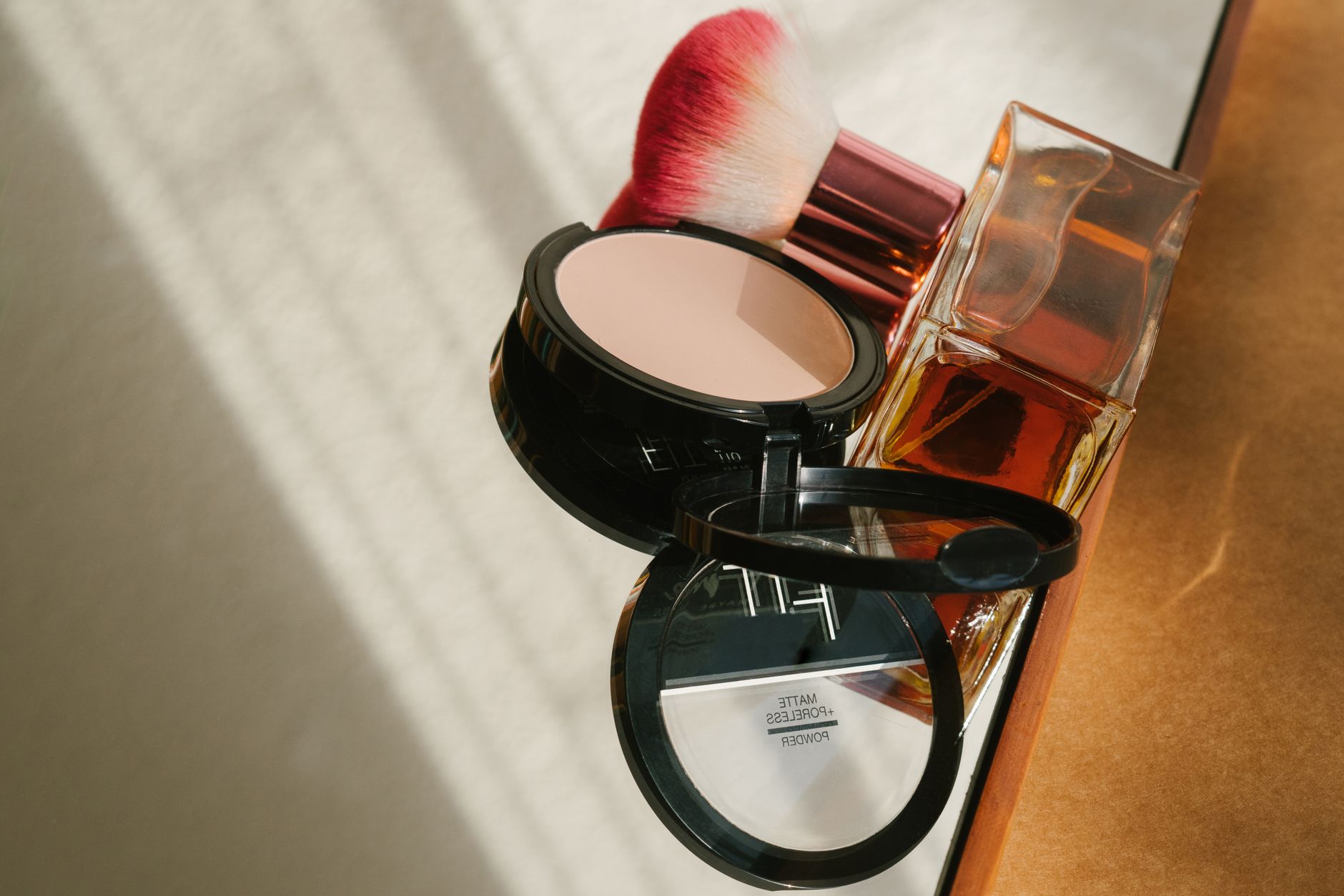
Setting Powder vs. Setting Spray: Do You Need Both?
Setting powder vs setting spray: learn the real differences, whether you need both, and how to layer them for makeup that lasts all day.
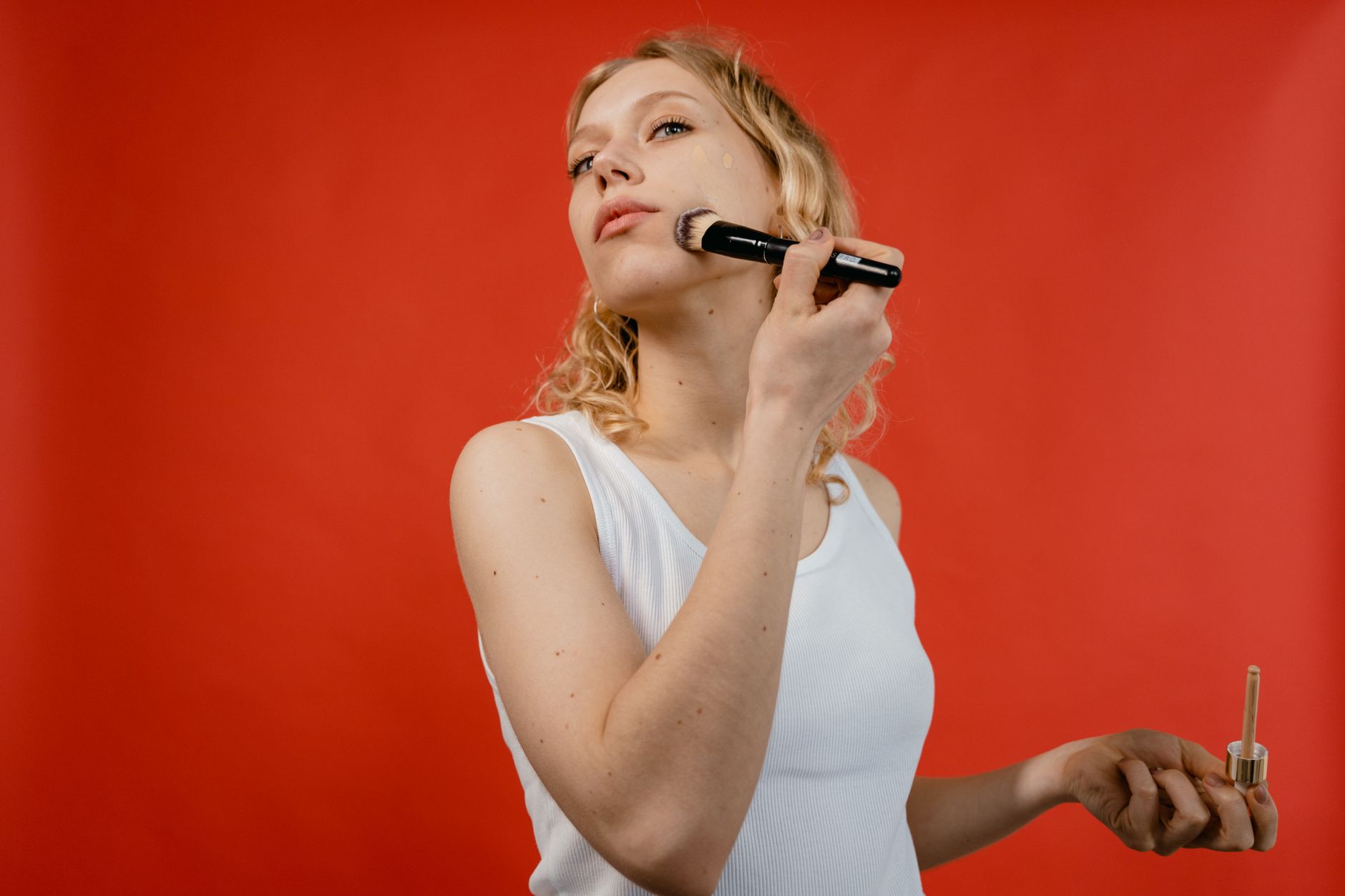
Best Makeup Techniques for Oily Skin That Actually Lasts
Learn the best makeup techniques, products, and application order for oily skin that actually stays fresh and shine-free all day.
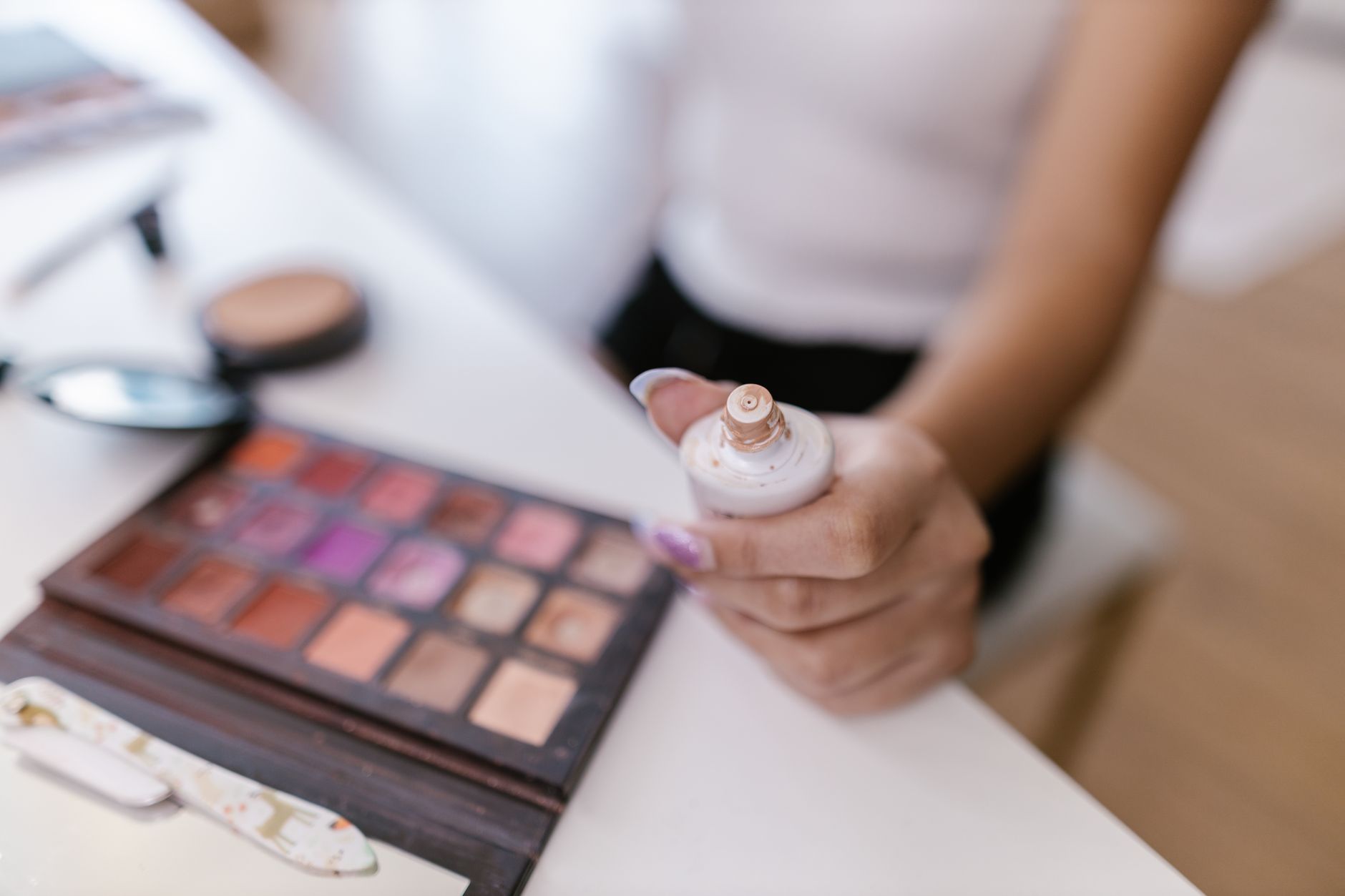
How to Match Foundation to Undertone and Skin Color
Learn how to identify your skin's undertone and match foundation correctly, avoiding the common mistake of matching only surface color.
What Is Baking in Makeup? A Step-by-Step Guide
Learn what baking in makeup means, how it sets your base for hours, and a complete step-by-step guide to doing it correctly.