 Funky Millions
Best Makeup Techniques for Oily Skin That Actually Lasts
Learn the best makeup techniques, products, and application order for oily skin that actually stays fresh and shine-free all day.
Quick summary
Key Takeaways
- Oily skin's excess sebum production requires a comprehensive, multi-step approach to makeup longevity, rather than relying on any single product to solve the challenge alone.
- Proper, lightweight hydration, rather than skipping moisturizer to avoid adding oil, supports better makeup longevity for oily skin.
- Mattifying primer applied specifically to oil-prone areas provides a strong foundation for long-lasting makeup on oily skin.
- Matte-finish liquid or powder foundation, applied in a thin, even layer, tends to hold up better on oily skin than richer, dewy formulas.
- Strategic powder setting, potentially including baking for extended wear needs, combined with a final setting spray, provides comprehensive longevity support for oily skin.
- Blotting papers offer a makeup-friendly way to manage midday shine without the buildup that repeated powder reapplication can cause.
- A gentle, appropriately formulated skincare routine that avoids over-stripping the skin complements and supports makeup longevity strategies, addressing the underlying oil production rather than only managing its cosmetic symptoms.
- A comprehensive, step-by-step routine addressing oil control at each stage produces significantly better longevity than any single product alone.
- Oily skin's makeup needs shift meaningfully with climate and season, generally requiring a more aggressive mattifying approach in hot, humid conditions and allowing for some flexibility during cooler, drier months.
- Oil production often fluctuates predictably with the menstrual cycle, and recognizing this pattern allows for proactive routine adjustments during higher-oil phases rather than assuming a well-performing routine has simply stopped working.
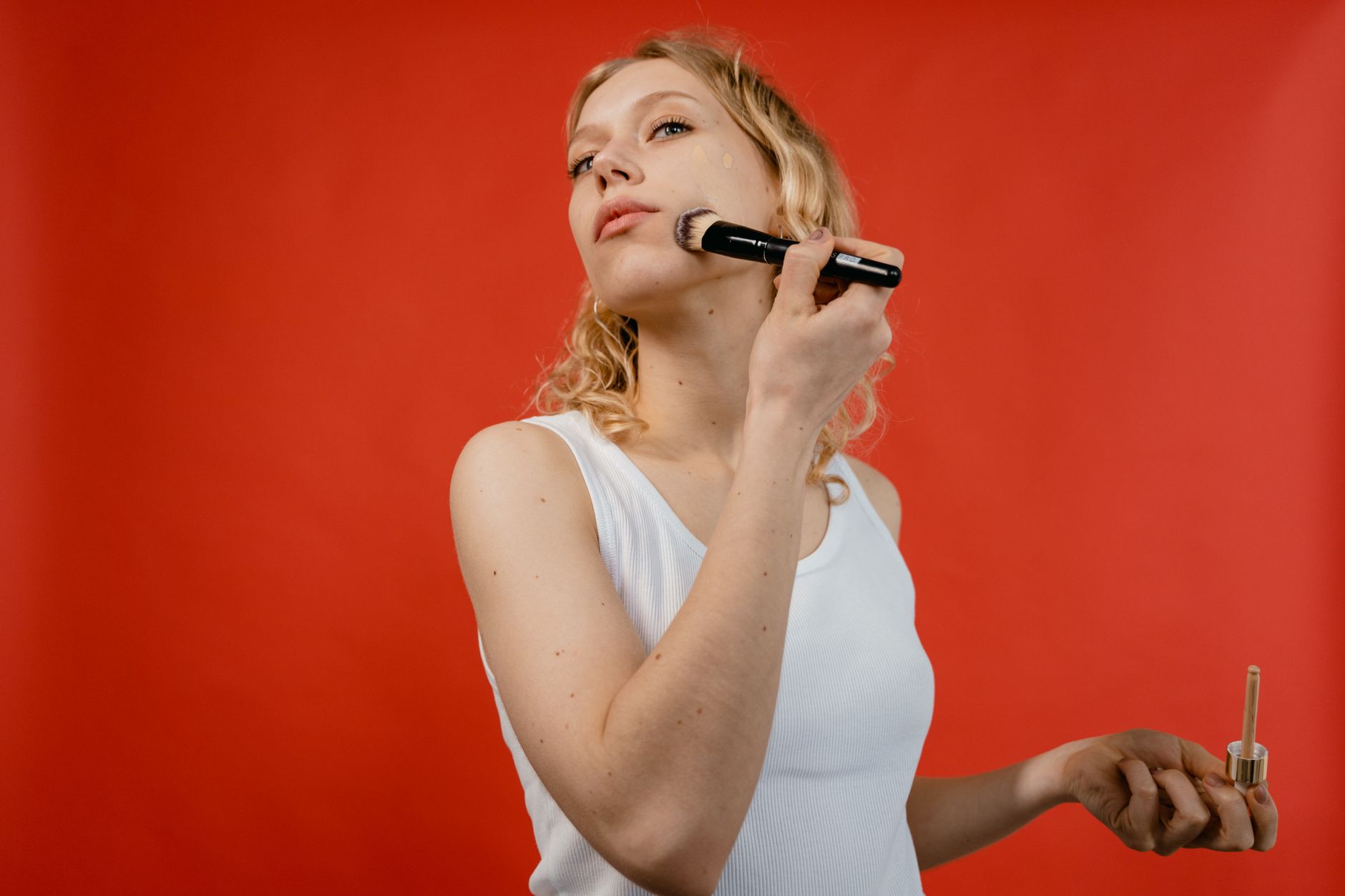
Oily skin presents specific makeup challenges, midday shine, foundation sliding, and eyeshadow creasing among the most common frustrations, but a strategic approach addressing each of these issues individually can produce genuinely long-lasting results. This guide covers the complete technique and product strategy for making makeup last on oily skin, from base prep through final setting.
Why Oily Skin Presents Unique Makeup Challenges
Oily skin produces more sebum than other skin types, which can break down makeup products throughout the day, causing foundation to slide, eyeshadow to crease, and an overall shiny, less put-together appearance by midday. Addressing this requires a multi-step strategy targeting oil control at each stage of application, not just a single "miracle" product.
Skin Prep: The Foundation of Long-Lasting Makeup
Counterintuitively, adequately moisturizing oily skin, with a lightweight, oil-free formula, actually supports better makeup longevity than skipping moisturizer entirely, since under-moisturized skin can trigger a rebound increase in oil production. Starting with a clean, appropriately hydrated base sets the stage for every subsequent step to perform better.
Choosing the Right Primer
A dedicated mattifying primer, applied to the T-zone and other oil-prone areas, creates a smoother surface and helps control shine from the very first step of your makeup routine. Our guide on makeup primer covers this foundational step in more detail.
Foundation Formula and Application for Oily Skin
Matte or long-wear liquid foundation, or powder foundation, generally outperforms dewy or cream formulas for oily skin longevity. Our guide on cream vs. liquid vs. powder foundation covers formula selection in more depth. Apply with a damp sponge for a thin, even layer, avoiding excessive product that can look heavier and break down faster.
Setting Techniques for Maximum Longevity
Setting powder, applied strategically to oil-prone zones rather than the entire face, is one of the most effective tools for oily skin longevity. The baking technique, discussed in our dedicated guide on baking in makeup, can provide even more thorough, extended oil control for particularly long days or events. Follow with a long-wear setting spray as a final step to bind everything together.
Eye Makeup Longevity Strategies
- Use eyeshadow primer specifically formulated for the eyelid, which behaves differently from the rest of the face
- Set cream or liquid eyeliner with a matching powder eyeshadow pressed on top to extend wear
- Choose waterproof or long-wear mascara to resist oil and humidity throughout the day
- Avoid overly emollient, cream-based eye products that are more prone to creasing on oily lids
Blotting Throughout the Day
Blotting papers, used throughout the day, absorb excess oil without disturbing your makeup underneath, unlike reapplying powder, which can build up and look cakey over multiple applications. Press, rather than rub, blotting paper against oily areas for the best results.
Comparison Table: Products for Oily Skin Longevity
| Product Category | Recommended Type |
|---|---|
| Moisturizer | Lightweight, oil-free |
| Primer | Mattifying |
| Foundation | Matte liquid or powder |
| Setting powder | Translucent, used strategically |
| Setting spray | Long-wear, matte-finish formula |
| Eyeshadow primer | Dedicated eyelid formula |
| Mascara | Waterproof or long-wear |
Addressing the Root Cause Alongside Makeup Technique
While this guide focuses primarily on makeup application strategy, it is worth acknowledging that makeup technique alone addresses the symptoms of oily skin rather than any underlying cause, and pairing your makeup routine with an appropriate skincare approach can meaningfully reduce how hard your makeup routine has to work in the first place.
A consistent skincare routine using appropriate, non-comedogenic products, potentially including ingredients like niacinamide, which has documented oil-regulating properties, can gradually help balance sebum production over time, reducing the baseline oil level your makeup routine needs to combat each day. This does not mean oily skin will become a different skin type entirely, oil production is significantly influenced by genetics and hormones, but a well-chosen skincare routine can meaningfully support the makeup strategies discussed throughout this guide rather than working against them.
Over-stripping the skin with harsh, drying cleansers or excessive exfoliation, a common but counterproductive response to oily skin, often triggers the same rebound oil production problem discussed earlier regarding moisturizer, meaning aggressive skincare in pursuit of "drier" skin can actually undermine makeup longevity rather than supporting it, reinforcing the value of a balanced, appropriately gentle approach to both skincare and makeup for oily skin.
Building a Complete Oily Skin Routine
- Cleanse with a gentle, appropriate cleanser
- Moisturize with a lightweight, oil-free formula
- Apply mattifying primer to oil-prone areas
- Apply matte liquid or powder foundation in a thin, even layer
- Apply concealer as needed, setting immediately with powder
- Set with translucent powder, focusing on the T-zone (bake if desired for extended wear)
- Apply eye makeup with appropriate primer and long-wear formulas
- Finish with a long-wear setting spray
- Blot throughout the day as needed, rather than reapplying powder repeatedly
How Climate and Season Affect Oily Skin Makeup Strategy
Oily skin's makeup longevity challenges are not constant year-round or across different climates, and adjusting your approach based on actual environmental conditions rather than a single, fixed routine produces more consistent results.
In hot, humid climates or during summer months, oil production typically increases alongside rising temperatures, and the ambient humidity itself can also contribute to makeup breakdown independent of your skin's oil production. During these conditions, doubling down on the mattifying and long-wear steps discussed throughout this guide, potentially adding an extra blotting session or two compared to cooler months, and choosing the most humidity-resistant setting spray formulas available, becomes especially important for maintaining results throughout a full day.
In cooler, drier climates or during winter months, oily skin often produces somewhat less sebum, partly due to lower ambient humidity and, for some people, increased indoor heating that can paradoxically trigger slightly different oil production patterns than expected. During this season, some people with oily skin find they can slightly ease off the most aggressive mattifying steps without sacrificing longevity, though this varies considerably by individual, and testing your specific skin's seasonal behavior rather than assuming a uniform year-round routine tends to produce better results.
Common Mistakes to Avoid
Skipping Moisturizer to Avoid Adding Oil
This often backfires, triggering a rebound increase in oil production that ultimately works against your longevity goals.
Reapplying Powder Throughout the Day Instead of Blotting
Repeated powder application without first removing excess oil can lead to a heavy, cakey buildup by the end of the day.
Using Rich, Dewy Products Not Suited to Oily Skin
Choosing formulas designed for dry skin, however trendy, often undermines longevity goals for genuinely oily skin types.
Neglecting Eye Makeup-Specific Longevity Steps
Focusing entirely on face longevity while ignoring eyeshadow primer and long-wear eye formulas often results in creased, faded eye makeup despite a well-set base.
Oily Skin and Hormonal Fluctuation Throughout the Month
For many people, oil production is not consistent day to day but fluctuates predictably alongside the menstrual cycle, an underappreciated factor that can explain why the same makeup routine sometimes performs noticeably better or worse depending on timing, independent of any change in products or technique.
In the days leading up to and during menstruation, hormonal shifts, particularly relative increases in androgen sensitivity, commonly increase sebum production for many people, meaning the same routine that held up well two weeks earlier in the cycle might struggle to maintain the same longevity during this phase. Being aware of this pattern allows for proactive adjustment, such as adding an extra blotting session, choosing a slightly more mattifying setting spray, or simply setting realistic expectations for touch-up frequency during these specific days, rather than assuming a routine has stopped working entirely.
Tracking your skin's oil production alongside your cycle for a couple of months can reveal a clear, individual pattern that makes planning around important events, or simply understanding your own skin's predictable rhythm, considerably easier than treating oil production as a uniformly constant daily challenge.
- Layer oil control at every step, from moisturizer through final setting spray, rather than relying on a single product.
- Blot, don't reapply powder repeatedly, to manage midday shine without buildup.
- Choose eye-specific products, since eyelid skin behaves differently from the rest of the face.
- Test your full routine on a normal day before relying on it for an important event, to identify any weak points in advance.
Conclusion
Achieving long-lasting makeup on oily skin requires a comprehensive strategy addressing oil control at every stage, from lightweight moisturizing and mattifying primer through matte foundation, strategic powder setting, and a final long-wear setting spray. Combined with blotting rather than repeated powder application throughout the day, and dedicated attention to eye makeup longevity, this multi-step approach can keep oily skin makeup looking fresh well beyond what any single product alone could achieve.
For more on the individual products and techniques referenced throughout this guide, see our articles on makeup primer and baking in makeup.
Category: Makeup
Tags: oily skin makeup, long-lasting makeup, mattifying primer, oil control, setting powder, blotting papers, makeup longevity, oily skin routine, makeup basics, shine control
Frequently Asked Questions
References
Last updated
This article is for informational purposes only and does not constitute medical advice. Consult a licensed dermatologist or healthcare provider before starting any new treatment.
Beauty & Hair Care Editor
Ilma is a beauty editor who specializes in breaking down cosmetic ingredients, skincare routines, and hair care practices. Her work focuses on evidence-based guidance readers can trust and apply.
Comments (0)
Be the first to comment.
Related Articles
Setting Powder vs. Setting Spray: Do You Need Both?
Setting powder vs setting spray: learn the real differences, whether you need both, and how to layer them for makeup that lasts all day.
Do You Actually Need a Makeup Primer? What It Really Does
Learn what makeup primer actually does, whether you really need one, and how to choose the right primer for your skin type and concerns.
What Is Baking in Makeup? A Step-by-Step Guide
Learn what baking in makeup means, how it sets your base for hours, and a complete step-by-step guide to doing it correctly.
How to Make Makeup Last All Day: A Complete Guide
Discover how to make makeup last all day with expert prep, application, and setting techniques. Get long-lasting foundation, eyeshadow, and lipstick tips that actually work.