 Funky Millions
How to Make Makeup Last All Day: A Complete Guide
Discover how to make makeup last all day with expert prep, application, and setting techniques. Get long-lasting foundation, eyeshadow, and lipstick tips that actually work.
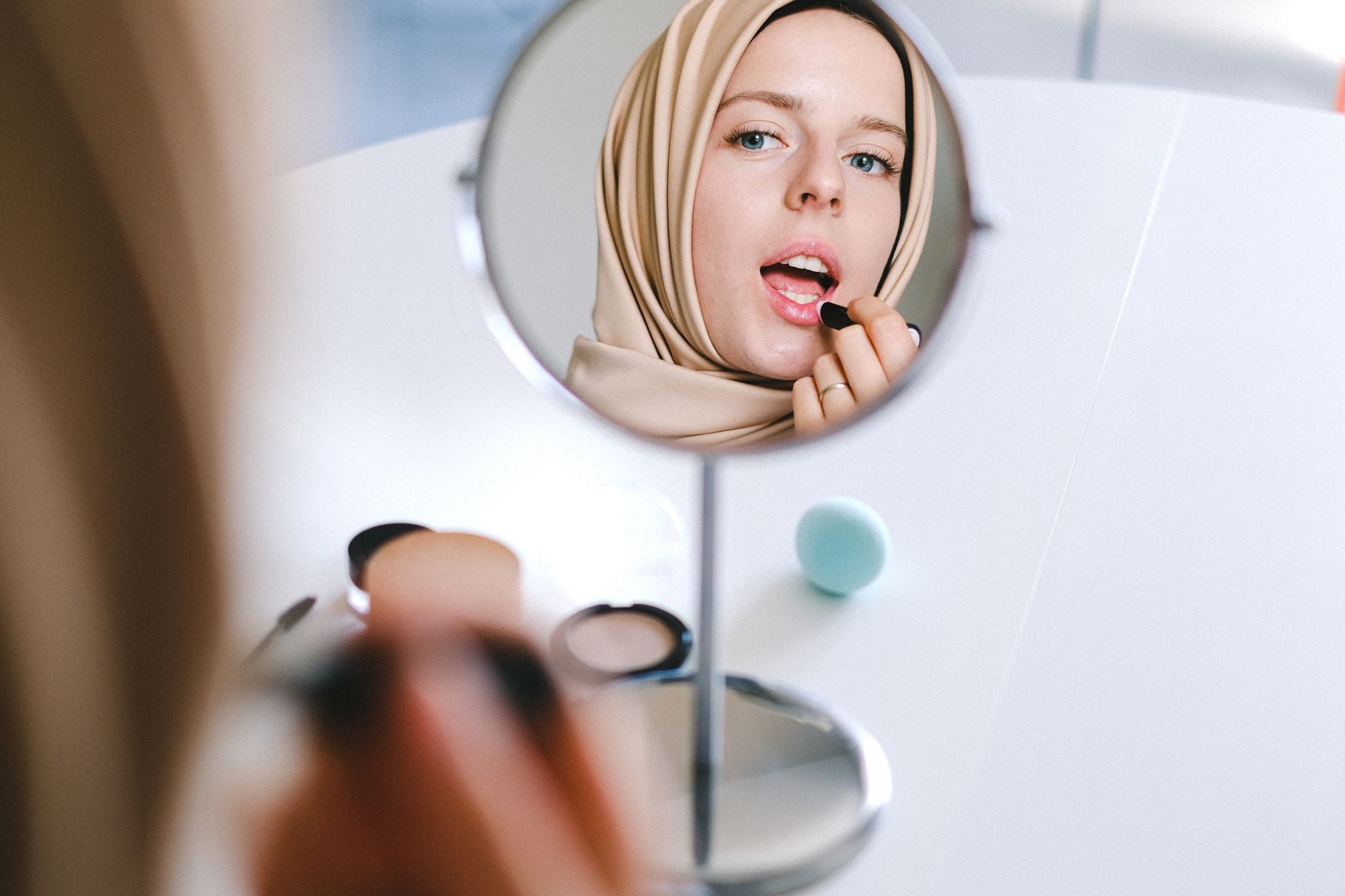
Quick summary
Key Takeaways
- Long-lasting makeup is about longevity *and* wearability. The goal is a fresh, comfortable look that requires minimal maintenance throughout the day.
- Makeup breaks down due to oil, dryness, incompatible products, skipped setting steps, and physical friction. Controlling these factors is the foundation of all-day wear.
- Cleanse, prep, prime, apply thin layers, set with powder, finish with spray, and touch up strategically. This sequence is the most reliable way to make makeup last all day.
Introduction
If you have ever glanced in the mirror by lunchtime and noticed your foundation sliding off, your eyeliner smudging, or your blush completely disappearing, you are not alone. Learning how to make makeup last all day is one of the most common beauty goals, whether you are heading to the office, attending a wedding, or running errands in humid weather. The good news is that long-lasting makeup is not about piling on more product. It is about the right preparation, strategic layering, and a few professional finishing tricks.
Long-wear makeup starts with understanding your skin type, choosing compatible formulas, and building your look in thin, breathable layers. When your skin is properly prepped and your products are applied in the correct order, your makeup can stay fresh for eight, ten, or even twelve hours without looking heavy or cakey.
In this guide, you will learn exactly why makeup breaks down, which steps make the biggest difference, and how to adjust your routine for oily, dry, combination, and mature skin. You will also find common mistakes to avoid, product recommendations, and answers to the most frequently asked questions about all-day makeup.
What Does Long-Lasting Makeup Mean?
Long-lasting makeup refers to a finished look that remains intact, comfortable, and presentable for an extended period without significant fading, creasing, transferring, or breaking apart. It does not mean your makeup looks exactly the same at 8 p.m. as it did at 8 a.m. Instead, it means the overall structure, color, and coverage hold up well enough that you do not need constant touch-ups.
A makeup look that lasts all day typically has:
- A smooth, gripped base that resists sliding
- Even coverage that does not pool in fine lines or pores
- Eye makeup that resists smudging, fading, or transferring
- Lip color that stays defined and does not bleed
- A finish that stays balanced, not overly shiny or overly dry
Why Makeup Does Not Last All Day
Before you can fix fading makeup, it helps to understand why it happens in the first place. Makeup interacts with the natural oils, water, and heat your skin produces throughout the day. When that interaction is not managed, products begin to break down.
Excess Oil Production
Sebum is the biggest culprit behind makeup meltdown. When your skin produces too much oil, it mixes with foundation and powder, causing them to separate, slide, or look patchy. This is especially common in the T-zone, which contains a higher concentration of sebaceous glands.
Dehydration and Dryness
On the opposite end, dry skin lacks the moisture makeup needs to blend and adhere. Foundation can cling to flaky patches, settle into fine lines, and fade unevenly. Dehydrated skin can also overcompensate by producing more oil later in the day.
Product Incompatibility
Layering products that do not work well together can cause pilling, separation, or reduced wear time. For example, a very rich moisturizer under a matte, long-wear foundation may prevent the foundation from setting properly.
Skipping Setting Steps
Setting products such as powder and setting spray are not optional extras. They play a mechanical role in locking your makeup in place by absorbing moisture, creating a film, or bonding pigments to the skin.
Touching Your Face
Every time you touch your face, rest your chin on your hand, or blot with the wrong tissue, you disturb your makeup. This physical disruption is one of the fastest ways to break down a finished look.
Benefits of Making Makeup Last All Day
There is more to long-lasting makeup than vanity. A reliable routine saves time, reduces stress, and helps you feel more confident in your appearance from morning to night.
- Fewer touch-ups: You spend less time reapplying powder, concealer, or lipstick during the day.
- Better value from products: When makeup wears well, you use less product over time.
- More confidence: You can focus on your day instead of worrying about how your face looks.
- Polished appearance: Makeup that stays in place looks fresher and more professional.
- Skin protection: Proper prep steps like sunscreen and moisturizer protect your skin while supporting makeup longevity.
- Versatility: A long-wear routine works for weddings, travel, long workdays, and special events.
Building the right base is essential. If your skin is prone to dryness or flaking, these beauty tips for face care at home can help you create a smoother canvas before makeup application.
Step-by-Step: How to Make Makeup Last All Day
The secret to long-lasting makeup is layering. Each step prepares the skin for the next, and skipping one can weaken the entire look. Follow these steps in order for the best results.
Step 1: Start with Clean Skin
Makeup lasts longest on a clean, fresh canvas. Wash your face with a gentle cleanser suited to your skin type to remove overnight oil, sweat, and leftover skincare. Pat your skin dry with a clean towel instead of rubbing, which can cause irritation and flaking.
If you apply makeup over dirty or oily skin, the oils underneath will eventually push through and break down your base.
Step 2: Exfoliate Regularly, but Gently
Dead skin cells create texture that foundation clings to, making your makeup look patchy and uneven. Exfoliate one to three times per week depending on your skin type and tolerance. Chemical exfoliants with gentle acids such as lactic or mandelic acid tend to be more even than harsh physical scrubs.
Regular exfoliation also helps your skincare absorb better, which supports a smoother makeup application.
Step 3: Layer Skincare Strategically
Your skincare routine should be lightweight but effective. The goal is hydrated, balanced skin without a heavy residue. Apply products from thinnest to thickest:
- Toner or essence
- Serum
- Eye cream
- Moisturizer
- Sunscreen
Wait at least one to two minutes between layers so each product can absorb. If your moisturizer feels too rich, use a smaller amount or switch to a gel-based formula. A well-moisturized face helps foundation glide on smoothly and prevents midday dryness.
Step 4: Apply Primer to Anchor Your Makeup
Primer is one of the most important steps if you want your makeup to last all day. It creates a smooth surface, fills in fine lines, controls oil, and gives foundation something to grip.
| Skin Type | Best Primer Type | Why It Works |
|---|---|---|
| Oily skin | Mattifying, pore-blurring primer | Absorbs oil and prevents shine breakthrough |
| Dry skin | Hydrating or dewy primer | Adds moisture and prevents foundation from clinging to flakes |
| Combination skin | Balancing primer or dual-priming | Controls oil in the T-zone while hydrating dry areas |
| Mature skin | Smoothing, hydrating primer | Fills fine lines and adds a subtle glow without settling |
| Sensitive skin | Fragrance-free, gentle primer | Reduces irritation that can cause redness and patchiness |
Apply primer with clean fingers or a brush, focusing on areas where makeup tends to fade first.
Step 5: Choose the Right Foundation Formula
Not all foundations are designed to last all day. Long-wear formulas typically contain film-forming agents that help them adhere to the skin and resist transfer. Look for labels such as:
- Long-wear
- Transfer-resistant
- 24-hour
- Matte or satin finish
- Waterproof or sweat-resistant
Match your foundation to your skin type. Oily skin usually does best with matte or semi-matte formulas, while dry skin often prefers satin or hydrating foundations. Apply foundation in thin layers and build coverage only where you need it.
For a strong base, you may also want to review how to apply foundation to make sure your technique supports long wear.
Step 6: Conceal and Set Immediately
Concealer tends to crease because it is applied to areas that move a lot, such as under the eyes and around the mouth. To prevent creasing:
- Apply a thin layer of concealer
- Wait 30 to 60 seconds for it to partially set
- Blend gently with a sponge or brush
- Set immediately with a finely milled translucent powder
Setting concealer quickly locks it in place before it has a chance to settle into fine lines.
Step 7: Set Your Base with Powder
Translucent setting powder absorbs oil and prevents foundation from moving. Use a fluffy brush or a damp sponge to press powder into the skin, especially in the T-zone and under the eyes.
If you have dry skin, use powder sparingly and avoid over-baking. If you have oily skin, a light dusting across the entire face can help control shine for hours.
Step 8: Build Eye and Lip Looks That Stay Put
Eye makeup and lipstick are often the first to fade. To make them last:
- Use an eyeshadow primer before applying shadow
- Set cream eyeliner with a matching powder eyeshadow
- Choose waterproof or long-wear mascara
- Line and fill in lips with a lip liner before applying lipstick
- Blot lipstick and apply a second coat for extra staying power
For your eyes, a primer prevents creasing and keeps color vibrant. For your lips, layering liner, lipstick, and a light blot creates a stain-like finish.
Step 9: Finish with Setting Spray
Setting spray is the final seal that helps all your layers bond together. Hold the bottle about eight to ten inches from your face and mist in an X or T shape. Let it air dry without touching your face.
Some setting sprays are designed to control oil, while others add hydration. Choose one that matches your skin type and desired finish.
Step 10: Touch Up the Right Way
Even with the best routine, a little shine or fading can happen. For touch-ups:
- Blot oil with blotting paper or a clean tissue before adding powder
- Use a small brush to reapply powder only where needed
- Press, do not swipe, to avoid disturbing the makeup underneath
- Keep a small concealer or cushion compact for targeted fixes
Common Mistakes to Avoid
Even small mistakes can shorten the life of your makeup. Here are the most common errors and how to fix them.
Using Too Much Product
Heavy layers may look full at first, but they are more likely to crack, crease, and slide. Build coverage gradually instead of applying one thick layer.
Skipping Primer
Primer is not just a marketing extra. It creates a base that helps makeup adhere and resist oil, sweat, and movement.
Applying Makeup on Damp Skin
If your moisturizer or sunscreen has not absorbed, your foundation will slide around. Wait at least two minutes after skincare before applying makeup.
Using the Wrong Tools
Dirty brushes and sponges can transfer bacteria and oils that break down makeup. Clean your tools weekly and replace sponges regularly.
Over-Powdering
Too much powder can make skin look dry, cakey, and older than it is. Use just enough to set and control shine.
Rubbing Instead of Pressing
Whether you are applying foundation or touching up, pressing motions disturb your makeup less than rubbing or swiping.
Product and Ingredient Recommendations
Choosing the right ingredients can significantly improve how long your makeup lasts.
Ingredients to Look For
- Silicones such as dimethicone: smooth the skin and create a breathable barrier
- Kaolin or bentonite clay: absorb oil without over-drying
- Hyaluronic acid: hydrates without heaviness
- Niacinamide: helps regulate oil production over time
- Film-forming polymers: help makeup resist sweat, water, and transfer
Long-Wear Product Types
| Product Category | What to Look For |
|---|---|
| Primer | Mattifying, gripping, or pore-smoothing formula |
| Foundation | Long-wear, transfer-resistant, skin-type appropriate |
| Concealer | Crease-resistant, full-coverage, long-wear |
| Powder | Translucent, finely milled, non-cakey |
| Eyeshadow primer | Cream or silicone-based, color-correcting if needed |
| Mascara | Waterproof or smudge-proof formula |
| Lipstick | Liquid matte, long-wear bullet, or lip stain |
| Setting spray | Mattifying or hydrating, alcohol-free if sensitive |
You do not need every product on this list. A simple but well-matched routine will outperform a cluttered one.
How to Make Makeup Last Through Heat, Humidity, and Exercise
Hot weather and physical activity put extra stress on makeup. These adjustments can help:
- Use waterproof mascara and eyeliner
- Switch to a sweat-resistant foundation
- Apply a mattifying primer generously in the T-zone
- Carry blotting papers instead of adding more powder
- Use a strong setting spray and allow it to dry fully
- Avoid touching your face during the day
For special occasions, consider using a makeup setting spray specifically designed for events or photography.
Your skin type determines which products and techniques will keep your makeup in place. Here is how to customize your routine.
Oily Skin
- Use a mattifying primer and oil-free foundation
- Set with powder before and after foundation for maximum oil control
- Keep blotting papers on hand
- Avoid overly dewy finishes, which can look greasy by midday
Dry Skin
- Hydrate well before makeup with a non-greasy moisturizer
- Use a hydrating primer and satin-finish foundation
- Apply powder only where necessary
- Finish with a hydrating setting spray
Combination Skin
- Use a balancing primer or apply different primers to different zones
- Set the T-zone with powder and leave cheeks more natural
- Touch up only the oily areas during the day
Mature Skin
- Prep with a smoothing, hydrating primer
- Use lightweight, satin foundations that do not settle into lines
- Avoid heavy powder and matte finishes
- Set with a fine mist setting spray
Sensitive Skin
- Choose fragrance-free, hypoallergenic products
- Patch test new products before full-face use
- Avoid over-exfoliation, which can cause redness and peeling
If your skin is sensitive or breakout-prone, learning how to patch test skincare before introducing new makeup products can prevent irritation.
Conclusion
Knowing how to make makeup last all day comes down to preparation, the right products, and a smart layering technique. When you start with clean, moisturized skin, use a primer that matches your skin type, apply thin layers of long-wear makeup, and finish with powder and setting spray, your look can stay fresh for hours without feeling heavy.
Remember that every skin type is different. What works for oily skin may not work for dry skin, so pay attention to how your makeup wears and adjust your routine accordingly. Small changes like waiting for skincare to absorb, using the right tools, and blotting before powdering can make a noticeable difference.
If you found this guide helpful, share it with a friend who is tired of midday makeup meltdowns. For more beauty tips, check out our guides on how to make your skin glow, skincare routine order, and concealer shades.
Frequently Asked Questions
References
Last updated
This article is for informational purposes only and does not constitute medical advice. Consult a licensed dermatologist or healthcare provider before starting any new treatment.
Beauty & Hair Care Editor
Amanda Gurton is a beauty editor and researcher with a focus on translating dermatology and trichology insights into clear, actionable advice. She covers skincare routines, hair health, ingredient science, and everyday beauty habits.
Comments (0)
Be the first to comment.
Related Articles
Setting Powder vs. Setting Spray: Do You Need Both?
Setting powder vs setting spray: learn the real differences, whether you need both, and how to layer them for makeup that lasts all day.
Do You Actually Need a Makeup Primer? What It Really Does
Learn what makeup primer actually does, whether you really need one, and how to choose the right primer for your skin type and concerns.
Best Makeup Techniques for Oily Skin That Actually Lasts
Learn the best makeup techniques, products, and application order for oily skin that actually stays fresh and shine-free all day.
Eyeshadow for Beginners: Easy Neutral Looks
Learn eyeshadow for beginners with easy neutral looks. Discover step-by-step techniques, beginner-friendly palettes, common mistakes, and expert tips for polished eyes.