 Funky Millions
Setting Powder vs. Setting Spray: Do You Need Both?
Setting powder vs setting spray: learn the real differences, whether you need both, and how to layer them for makeup that lasts all day.
Quick summary
Key Takeaways
- Setting powder absorbs oil and locks makeup in place through a fine powder layer applied directly over liquid or cream products.
- Setting spray creates a light, cohesive film over completed makeup, helping bind product layers together rather than absorbing oil directly.
- Powder controls oil through absorption, while spray controls wear through a film-forming, binding mechanism, two genuinely different approaches to makeup longevity.
- Powder is primarily an oil-control tool, while spray is primarily a longevity and cohesion tool, making them suited to different specific concerns.
- Using both powder and spray offers the most comprehensive approach, though many people find one or the other sufficient based on their specific skin type and makeup style.
- Targeted application, focusing on oil-prone areas with a lighter hand elsewhere, prevents the overly matte, cakey look that all-over heavy powder application can create.
- Correct distance and application pattern ensure even coverage without disturbing the makeup layers underneath.
- Translucent powder offers foolproof, shade-agnostic setting but carries some flashback risk on deeper skin tones with poorly formulated products, while tinted powder avoids flashback more reliably but requires accurate shade matching to avoid visibly altering your base makeup.
- Water-based setting sprays suit most skin types, including sensitive and dry skin, while alcohol-based formulas offer faster-drying, more mattifying, longer-wear performance better suited to oily skin types that can tolerate the alcohol content well.
Setting powder and setting spray both promise to make your makeup last longer, but they work through different mechanisms and address different concerns. Understanding setting powder vs setting spray helps you decide whether you need one, both, or neither, depending on your skin type, makeup style, and how long you need your look to hold up.
What Is Setting Powder?
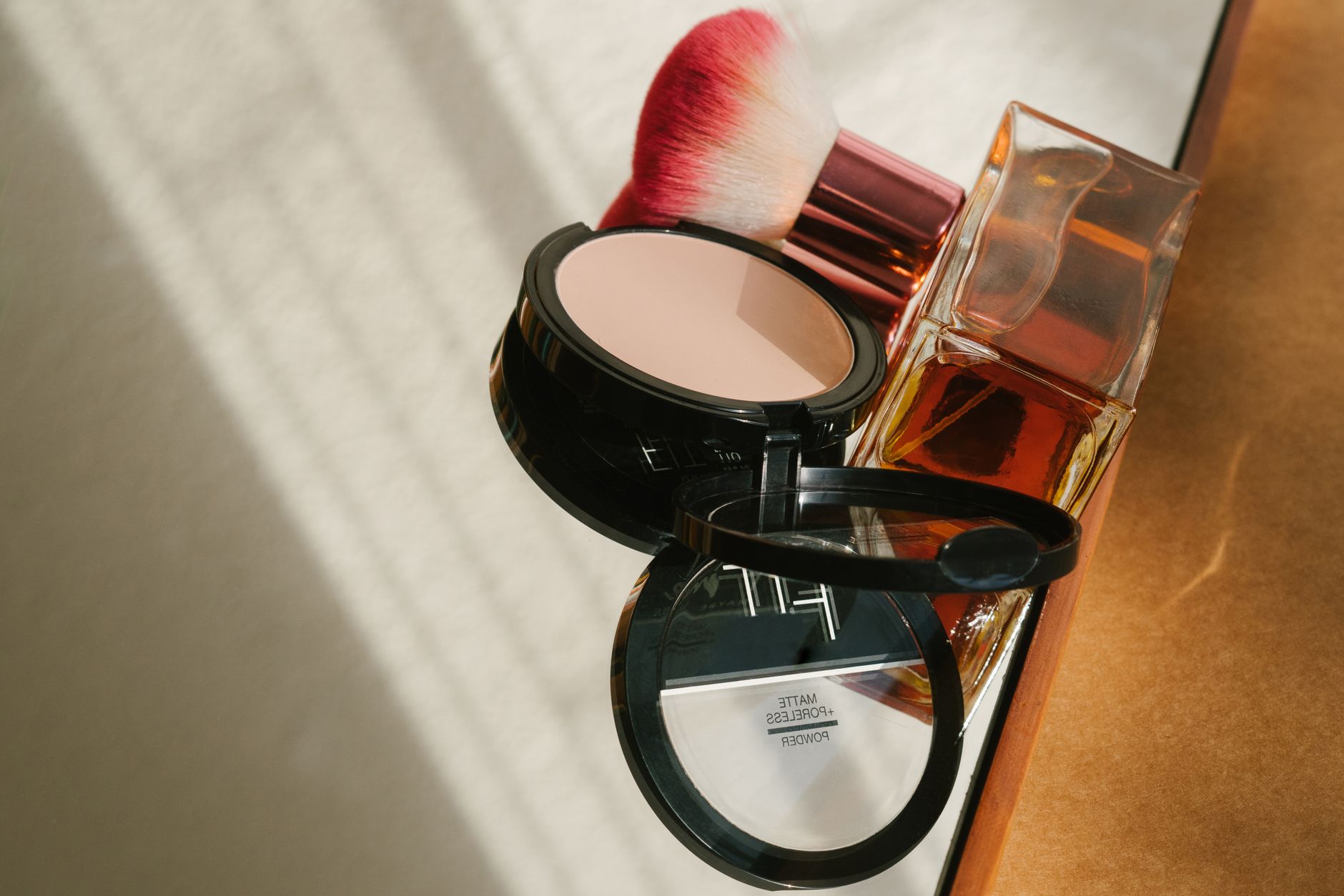
Setting powder is a finely milled powder, translucent or tinted, applied over liquid or cream makeup to absorb excess oil and lock products in place. It works primarily on the skin's surface, reducing shine and helping prevent makeup from sliding or creasing throughout the day.
What Is Setting Spray?
Setting spray is a fine mist, typically water- or alcohol-based, applied as the final step of a makeup routine. Rather than absorbing oil like powder, setting spray works by creating a light film over the entire makeup look, helping bind the various layers of product together and providing some resistance to smudging, sweat, and general wear throughout the day.
How Each Product Actually Works
Setting powder works through physical absorption, its fine particles soak up surface oil, which is why it is particularly effective at controlling shine in oily areas like the T-zone. Setting spray works more through a film-forming mechanism, using polymers or similar ingredients that create a thin, flexible layer over the makeup, helping it resist smudging and transferring without necessarily controlling oil the way powder does.
Setting Powder vs. Setting Spray Comparison Table
| Feature | Setting Powder | Setting Spray |
|---|---|---|
| Mechanism | Oil absorption | Film-forming binding layer |
| Best for | Oil control, shine reduction | Overall makeup longevity, cohesion |
| Texture impact | Can add slight matte finish | Minimal texture change |
| Application | Brush or puff, targeted or all-over | Even mist over entire face |
| Best skin type match | Oily, combination | All skin types, especially dry (with hydrating formulas) |
Who Benefits Most From Setting Powder
- Oily and combination skin types, who need active oil absorption throughout the day
- Those wearing heavier, cream-based makeup, which is more prone to sliding without a powder layer
- Anyone in hot or humid climates, where oil production and sweat are more likely to disrupt makeup
Who Benefits Most From Setting Spray
- Dry skin types, who may find powder emphasizes dryness or flaking, while spray (particularly hydrating formulas) can add a light finishing layer without this issue
- Those wanting a dewy or natural finish, since spray does not add the matte effect powder can create
- Anyone needing extended wear, such as for weddings, long shifts, or events, where spray's binding effect can extend overall makeup longevity
- Those using long-wear or waterproof products, where spray complements rather than duplicates the products' existing staying power
Do You Need Both?
For many people, using both offers the most complete approach: powder to control oil in specific areas (like the T-zone) and spray as a final step to bind everything together and extend overall wear time. Others find that using just one, matched to their specific skin type and makeup style, is entirely sufficient. Someone with naturally dry skin and a light, dewy makeup look may find spray alone meets their needs, while someone with very oily skin and a fuller-coverage look may prioritize powder more heavily.
How to Apply Setting Powder Correctly
Step 1: Complete Your Base Makeup
Apply foundation and concealer as usual before setting.
Step 2: Use a Fluffy Brush or Powder Puff
A fluffy brush works well for a light, all-over application, while a powder puff pressed into the skin offers more targeted, baking-style application for maximum oil control in specific areas.
Step 3: Apply to Oil-Prone Areas First
Focus on the T-zone and other areas prone to shine, using a lighter hand on drier areas like the cheeks.
Step 4: Dust Off Excess
Use a clean brush to dust away any excess powder for a natural, non-cakey finish.
How to Apply Setting Spray Correctly
Step 1: Complete Your Entire Makeup Look
Setting spray is applied as the final step, after all other products, including powder if used.
Step 2: Hold at the Correct Distance
Hold the spray bottle 6-8 inches from your face for even, fine mist distribution.
Step 3: Apply in an X or T Motion
Spray in a light X or T pattern across your face for even coverage without oversaturating any one area.
Step 4: Let It Set Naturally
Allow the spray to air-dry rather than patting or rubbing it in, which can disturb your makeup underneath.
Translucent vs. Tinted Setting Powder
Choosing between translucent and tinted setting powder involves trade-offs beyond simple color matching, and understanding these differences can prevent a common frustration where powder either disappears into the base or subtly shifts its appearance over the course of a day.
Translucent powder is formulated to be colorless or very close to it, designed to set makeup without adding additional color or coverage. This makes it a versatile, foolproof choice that works across virtually any skin tone without concern for shade matching, which is part of why it remains the most commonly recommended option for general setting purposes. However, some translucent powders, particularly older or poorly formulated versions, can leave a slight white or gray cast on deeper skin tones due to how certain mineral ingredients reflect light, a phenomenon sometimes called "flashback" that is especially noticeable in flash photography.
Tinted setting powders, formulated with a small amount of pigment matched to specific skin tone ranges, avoid this flashback issue more reliably and can also provide a very subtle boost to coverage or color correction alongside their setting function. The trade-off is that tinted powders require actual shade matching, similar to foundation, and a mismatched tinted powder can visibly alter your base makeup's color in a way translucent powder never will, regardless of skin tone.
Common Mistakes to Avoid
Using Only Powder on Very Dry Skin
Powder can emphasize dryness and flaking on already-dry skin, making a hydrating setting spray a better primary choice for this skin type.
Overapplying Powder All Over the Face
Heavy, all-over powder application, rather than targeted application to oil-prone areas, often creates an unnaturally matte or cakey finish.
Spraying Too Close to the Face
Holding the setting spray bottle too close can oversaturate the makeup, potentially causing it to shift or smudge rather than set.
Skipping Setting Products Entirely for Long-Wear Needs
For extended wear situations like weddings or long events, skipping both setting powder and spray often results in makeup breaking down faster than desired.
Setting Spray Formulation Differences Worth Knowing
Not all setting sprays are formulated identically, and the specific base, water, alcohol, or a hybrid, meaningfully affects how the product feels, performs, and suits different skin types, making this worth understanding beyond the general "setting spray" category.
Water-based setting sprays tend to feel lighter and more refreshing on application, and generally work well across most skin types, including dry and sensitive skin that might react poorly to alcohol-based alternatives. Alcohol-based formulas, by contrast, tend to dry down faster and can offer a slightly more mattifying, long-wear effect, making them popular for oily skin types or situations demanding maximum longevity, though the alcohol content can feel drying or even slightly irritating for those with already-dry or sensitive skin.
Hybrid formulas, combining both water and a smaller proportion of alcohol along with various polymers, attempt to balance the refreshing feel of water-based sprays with some of the faster-setting, longer-wear benefits associated with alcohol content. For those with sensitive or reactive skin who have experienced stinging or irritation from a previous setting spray, checking the ingredient list for alcohol denat or similar high up in the list can help identify and avoid formulas more likely to cause this reaction in the future.
- Match your setting product to your skin type, prioritizing powder for oily skin and spray for dry skin, or using both for a comprehensive approach.
- Use a light hand with powder to avoid a cakey finish, building up coverage gradually in oil-prone areas only.
- Choose a hydrating setting spray formula if you have dry skin and want to avoid the matte effect powder can create.
- Consider your event duration when deciding whether to use both products, since longer wear times generally benefit from more comprehensive setting.
Conclusion
The setting powder vs setting spray decision ultimately comes down to your skin type and specific makeup needs. Powder excels at oil control and works especially well for oily and combination skin, while spray offers overall cohesion and longevity, particularly suited to dry skin or dewy makeup looks. Many people find that using both, powder for targeted oil control and spray as a final binding layer, provides the most complete, long-lasting result.
For more on building a complete, long-lasting makeup routine, see our guide on how to make makeup last all day.
Category: Makeup
Tags: setting powder, setting spray, makeup longevity, oil control, matte finish, dewy makeup, long-wear makeup, makeup basics, oily skin makeup, dry skin makeup
Frequently Asked Questions
References
Last updated
This article is for informational purposes only and does not constitute medical advice. Consult a licensed dermatologist or healthcare provider before starting any new treatment.
Beauty & Hair Care Editor
Ilma is a beauty editor who specializes in breaking down cosmetic ingredients, skincare routines, and hair care practices. Her work focuses on evidence-based guidance readers can trust and apply.
Comments (0)
Be the first to comment.
Related Articles
Best Makeup Techniques for Oily Skin That Actually Lasts
Learn the best makeup techniques, products, and application order for oily skin that actually stays fresh and shine-free all day.
What Is Baking in Makeup? A Step-by-Step Guide
Learn what baking in makeup means, how it sets your base for hours, and a complete step-by-step guide to doing it correctly.
How to Make Makeup Last All Day: A Complete Guide
Discover how to make makeup last all day with expert prep, application, and setting techniques. Get long-lasting foundation, eyeshadow, and lipstick tips that actually work.
Do You Actually Need a Makeup Primer? What It Really Does
Learn what makeup primer actually does, whether you really need one, and how to choose the right primer for your skin type and concerns.