 Funky Millions
Beauty Tips for Face at Home: Simple Remedies for a Radiant Glow
Quick summary
Key Takeaways
- Choose home remedies based on your skin type instead of using every popular ingredient on your face.
- Hydration, sleep, diet, and sunscreen are as important for facial glow as masks and scrubs.
- Patch test homemade treatments before applying them to your entire face, especially lemon, turmeric, baking soda, and essential oils.
- Use exfoliation sparingly because over-scrubbing can make skin dull, dry, red, and irritated.
Introduction
In today’s world of fast-paced lifestyles and busy schedules, it can be challenging to find time for frequent salon visits or expensive beauty treatments. However, achieving glowing skin is not just about investing in high-end products or services; it’s also about making simple lifestyle changes and incorporating effective home remedies into your daily routine.
One of the most significant factors that contribute to dull, lackluster skin is a poor diet. Consuming processed foods, sugary drinks, and refined carbohydrates can lead to inflammation, oxidative stress, and other skin issues. On the other hand, eating a balanced diet rich in fruits, vegetables, whole grains, and lean proteins can help nourish and rejuvenate your skin.
Another crucial aspect of achieving glowing skin is staying hydrated. Drinking plenty of water throughout the day helps to flush out toxins, maintain skin elasticity, and improve circulation. Aim for at least eight glasses of water per day, and consider incorporating hydrating foods like cucumbers, celery, and watermelon into your diet.
Getting enough sleep is also essential for maintaining healthy, radiant skin. During sleep, your body repairs and regenerates itself, including the skin. Aim for 7-8 hours of sleep per night to help your skin look its best. Additionally, try to establish a consistent sleep schedule, avoid caffeine and electronics before bedtime, and create a relaxing bedtime routine to promote better sleep.
Understanding Your Skin Type
The first step to unlocking radiant skin is understanding your skin type. Are you prone to dryness, oily, combination, or sensitive? Knowing your skin type will help you choose the right products and treatments that cater specifically to your needs. Here are some simple ways to determine your skin type:
- Dry skin: If you experience tightness, flakiness, or redness after washing your face.
- Oily skin: If you have a shiny appearance, particularly on the T-zone (forehead, nose, and chin).
- Combination skin: If you experience oiliness in some areas but dryness in others.
- Sensitive skin: If you react easily to products or environmental factors, causing redness or irritation.
Natural Exfoliants for Glowing Skin
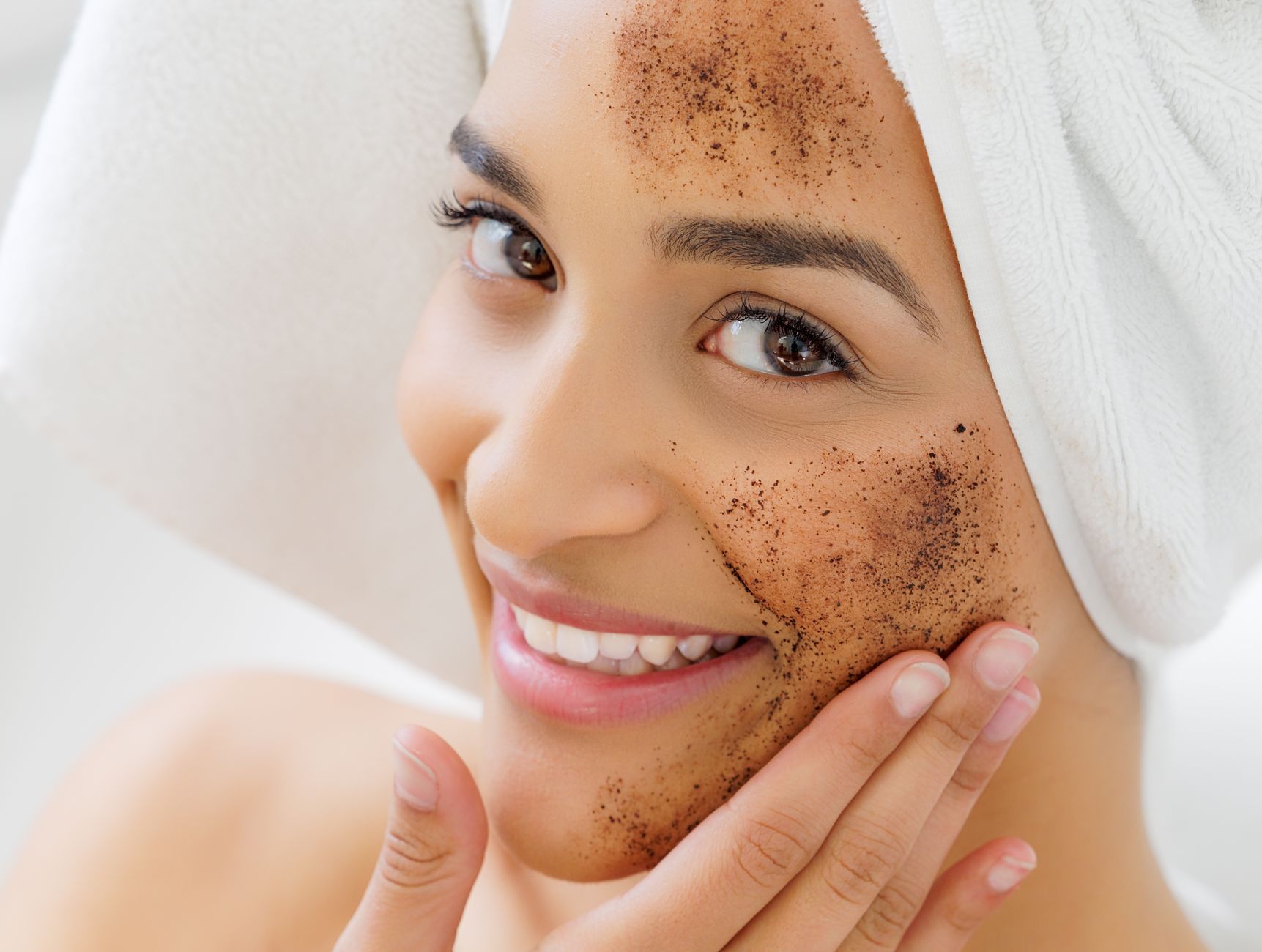
Exfoliating is an essential part of any skincare routine. It removes dead skin cells, unclogs pores, and helps your skin absorb other products more effectively. Instead of relying on harsh chemical-based exfoliants, try these natural alternatives:
- Baking soda: Mix baking soda with water to create a gentle scrub that exfoliates without stripping the skin of its natural oils.
- Sugar or salt scrubs: Combine sugar or salt with coconut oil and lemon juice for a nourishing, chemical-free exfoliant.
- Coffee grounds: Use coffee grounds as an exfoliant to reduce appearance of cellulite and leave skin feeling smooth.
DIY Face Masks for Different Skin Types
Ditch commercial face masks filled with artificial ingredients and opt for homemade alternatives that cater specifically to your skin type. Here are some recipes:
- Oily skin: Mix clay powder, honey, and lemon juice for a detoxifying mask.
- Dry skin: Combine oatmeal, yogurt, and honey for a soothing, hydrating mask.
- Combination skin: Use a mixture of green tea, cucumber, and aloe vera to balance oil production and reduce inflammation.
Natural Moisturizers for Glowing Skin
Moisturizing is key to maintaining healthy, radiant skin. Instead of using commercial products filled with harsh chemicals, try these natural alternatives:
- Cococonut oil: Apply coconut oil after showering or bathing to lock in moisture.
- Aloe vera gel: Use aloe vera as a hydrating serum that helps soothe and calm the skin.
- Shea butter: Mix shea butter with other natural ingredients like honey, olive oil, or coconut oil for an intense moisturizing treatment.
Natural Ingredients for Anti-Aging and Brightening
In addition to exfoliating and moisturizing, incorporating natural ingredients rich in antioxidants and vitamins can help reduce fine lines, wrinkles, and age spots. Here are some effective options:
- Green tea: Steep green tea leaves in hot water to create a face toner that helps reduce inflammation and brighten the complexion.
- Cucumber juice: Apply cucumber juice directly to the skin or mix with other natural ingredients like aloe vera or coconut oil for a refreshing, hydrating treatment.
- Turmeric powder: Mix turmeric powder with lemon juice and honey to create a face mask that reduces inflammation and brightens the complexion.
Using Essential Oils in Skincare Routine
Essential oils can be a wonderful addition to your skincare routine, providing antiseptic, anti-inflammatory, and antioxidant properties. However, it’s essential to use them correctly and safely:
- Mix with carrier oils: Dilute essential oils with carrier oils like coconut oil or jojoba oil before applying to the skin.
- Use in moderation: Essential oils can be potent, so start with small amounts and gradually increase as needed.
- Research individual oils: Familiarize yourself with the properties and potential interactions of each essential oil before using it.
Frequently Asked Questions
Q: How often should I exfoliate my skin?
A: Exfoliate once or twice a week depending on your skin type. Over-exfoliating can lead to irritation and dryness.
Q: What are some natural ingredients that help reduce acne?
A: Tea tree oil, aloe vera gel, and green clay are effective in reducing acne due to their antibacterial and anti-inflammatory properties.
Q: Can I use homemade face masks on sensitive skin?
A: Yes, but be cautious when using new ingredients. Start with small patches to test for any adverse reactions before applying the mask to your entire face.
Q: How do I prevent premature aging and wrinkles?
A: Incorporate natural anti-aging ingredients like green tea, turmeric powder, and vitamin C into your skincare routine. Also, stay hydrated, get enough sleep, and avoid exposure to harsh environmental factors.
Practical Tips for Glowing Skin
Remember, achieving glowing skin requires patience, consistency, and a commitment to making healthy lifestyle choices. Here are some practical tips to keep in mind:
- Drink plenty of water: Staying hydrated is essential for maintaining healthy, radiant skin.
- Get enough sleep: Aim for 7-8 hours of sleep per night to help your skin repair and regenerate itself.
- Eat a balanced diet: Focus on consuming foods rich in antioxidants, vitamins, and minerals that promote healthy skin.
- Exercise regularly: Engage in physical activity that promotes blood flow and circulation, helping to nourish and rejuvenate the skin.
Natural Skincare Routine for Glowing Skin
A consistent skincare routine is essential for achieving glowing skin. Here’s a simple, natural routine you can follow:
- Cleanse your skin: Use a gentle cleanser or mix baking soda with water to create a natural scrub.
- Exfoliate: Use a natural exfoliant like sugar or salt scrubs, coffee grounds, or baking soda to remove dead skin cells and promote cell turnover.
- Tone: Apply a toner made from witch hazel, rosewater, or green tea to help balance the skin’s pH and reduce inflammation.
- Moisturize: Use a natural moisturizer like coconut oil, shea butter, or aloe vera gel to lock in moisture and protect the skin.
Natural Skincare Products for Glowing Skin
Avoid using commercial skincare products filled with harsh chemicals and artificial fragrances. Instead, opt for natural alternatives that cater specifically to your skin type:
- Look for certifications: Choose products labeled as “natural” or “organic,” ensuring they meet specific standards.
- Read ingredient labels: Avoid products containing harsh chemicals, artificial fragrances, and dyes.
- Make your own products: Consider creating your own natural skincare products using ingredients like coconut oil, shea butter, and essential oils.
Common Mistakes to Avoid for Glowing Skin
While making healthy lifestyle choices is crucial for achieving glowing skin, there are some common mistakes to avoid:
- Over-exfoliating: Exfoliate once or twice a week depending on your skin type to avoid irritation and dryness.
- Using harsh chemicals: Opt for natural ingredients and products that cater specifically to your skin type.
- Not moisturizing: Moisturize regularly to maintain healthy, hydrated skin.
By incorporating these tips into your daily routine and making informed choices about your skincare products, you can achieve glowing, radiant skin without breaking the bank or relying on harsh chemicals. Remember, patience and consistency are key, so stick to your natural skincare routine and enjoy the benefits of healthy, glowing skin!
Morning Glow Routine Using Kitchen Ingredients
For a fresh, radiant face at home, keep the morning routine gentle rather than aggressive. Rinse with lukewarm water, then use a mild cleanser if your skin feels oily or sweaty. Follow with a simple green tea toner by cooling brewed green tea and pressing it onto the face with clean hands or cotton. This can help calm the look of puffiness and refresh dull skin without stripping moisture.
If your skin feels dry, apply aloe vera gel or a light layer of moisturizer while the skin is still slightly damp. Oily skin can use a smaller amount of gel-based hydration instead of heavy oils. Finish with sunscreen every morning, even when staying indoors near windows, because sun exposure is one of the biggest reasons skin loses brightness over time.
Safe Patch Testing for Homemade Remedies
Natural ingredients can still irritate the skin, especially lemon juice, turmeric, baking soda, essential oils, and exfoliating scrubs. Before applying any homemade mask or treatment to your whole face, test a small amount near the jawline or behind the ear and wait 24 hours. If you notice burning, itching, redness, swelling, or bumps, skip that ingredient.
Use acidic ingredients like lemon juice with caution, and avoid applying them before sun exposure. Essential oils should always be diluted in a carrier oil and should not be used around the eyes. If your skin barrier feels damaged, tight, or stinging, pause scrubs and active ingredients and focus on cleansing, moisturizing, and sun protection until your skin feels comfortable again.
Weekly At-Home Facial Plan for Radiance
A simple weekly plan can help you stay consistent without overdoing it. Once or twice a week, exfoliate with a gentle option such as finely ground oatmeal mixed with yogurt or honey. Avoid rough scrubbing; use light circular movements and rinse well. On another day, use a hydrating mask such as aloe vera, cucumber, or honey with yogurt to soften the look of tired skin.
Keep stronger treatments separated. For example, do not use a scrub, turmeric mask, lemon mixture, and essential oils all on the same day. Radiant skin comes from steady care, not from stacking every remedy at once. A balanced routine gives the skin time to recover while still supporting smoother texture, better hydration, and a healthier glow.
For related advice, see [How To Get Rid Of Dark Spots On Face](/how-to-get-rid-of-dark-spots-on-face), [How To Make Your Skin Glow?](/how-to-make-your-skin-glow) and [How to Get Rid of Face Fat](/how-to-get-rid-of-face-fat).
Dermatologists commonly recommend keeping at-home skincare simple, consistent, and barrier-friendly. For a radiant glow, they generally emphasize gentle cleansing, regular moisturizing, daily sun protection, and cautious use of DIY ingredients, because even natural remedies can cause irritation when they are too acidic, abrasive, or concentrated.
Conclusion
Beauty tips for face at home work best when they support the basics: cleansing gently, hydrating consistently, protecting the skin barrier, eating well, sleeping enough, and choosing remedies that match your skin type. Natural ingredients such as aloe vera, oatmeal, green tea, cucumber, honey, and shea butter can be helpful when used carefully and consistently.
The goal is not to chase instant results with harsh scrubs or strong mixtures, but to build a calm routine that keeps the face clean, moisturized, and protected. With patience, patch testing, and a realistic weekly plan, simple home remedies can help your skin look brighter, smoother, and more refreshed.
Frequently Asked Questions
Last updated
This article is for informational purposes only and does not constitute medical advice. Consult a licensed dermatologist or healthcare provider before starting any new treatment.
Beauty & Hair Care Editor
Amanda Gurton is a beauty editor and researcher with a focus on translating dermatology and trichology insights into clear, actionable advice. She covers skincare routines, hair health, ingredient science, and everyday beauty habits.
Comments (0)
Be the first to comment.
Related Articles
Vitamin C and Niacinamide: Can You Really Not Use Them Together?
Can you use vitamin C and niacinamide together? Learn what the science says about this popular skincare myth and how to layer them correctly.

Mineral vs. Chemical Sunscreen: Which Should You Choose?
Mineral vs chemical sunscreen: compare how each type works, safety, texture, and which is best for your skin type and lifestyle.
What Is Slugging? The Skincare Method Explained
Learn what slugging is, how this occlusive skincare method works, who should try it, and how to slug correctly without clogging pores.
Building a Skincare Routine for Rosacea-Prone Skin
Learn how to build a gentle, effective skincare routine for rosacea-prone skin, including ingredients to use, ingredients to avoid, and trigger management.