 Funky Millions
What Is Slugging? The Skincare Method Explained
Learn what slugging is, how this occlusive skincare method works, who should try it, and how to slug correctly without clogging pores.
Quick summary
Key Takeaways
- Slugging means sealing your skin with an occlusive layer at night to prevent moisture loss, not adding new active ingredients.
- Slugging works by trapping moisture and actives already on your skin, not by hydrating on its own.
- Slugging is best suited to dry or barrier-compromised skin, not oily or acne-prone skin.
- Slugging is a targeted, occasional technique, while regular moisturizing is a daily foundational step.
- Apply hydrating products first, then seal with a thin layer of petroleum jelly as the final step.
- Slugging is most useful in cold, dry conditions and least useful in hot, humid ones, so adjusting frequency seasonally makes the technique more effective and more comfortable.
If you have scrolled through skincare content lately, you have probably seen someone smearing a thick layer of petroleum jelly over their entire face before bed. That is slugging, a Korean-beauty-inspired technique that has become one of the most talked-about (and misunderstood) skincare trends in years. It sounds strange, but the science behind why it works is straightforward.
This guide explains exactly what slugging is, how it affects your skin barrier, who benefits most, who should skip it, and how to do it correctly so you wake up with hydrated skin instead of a breakout.
What Is Slugging?
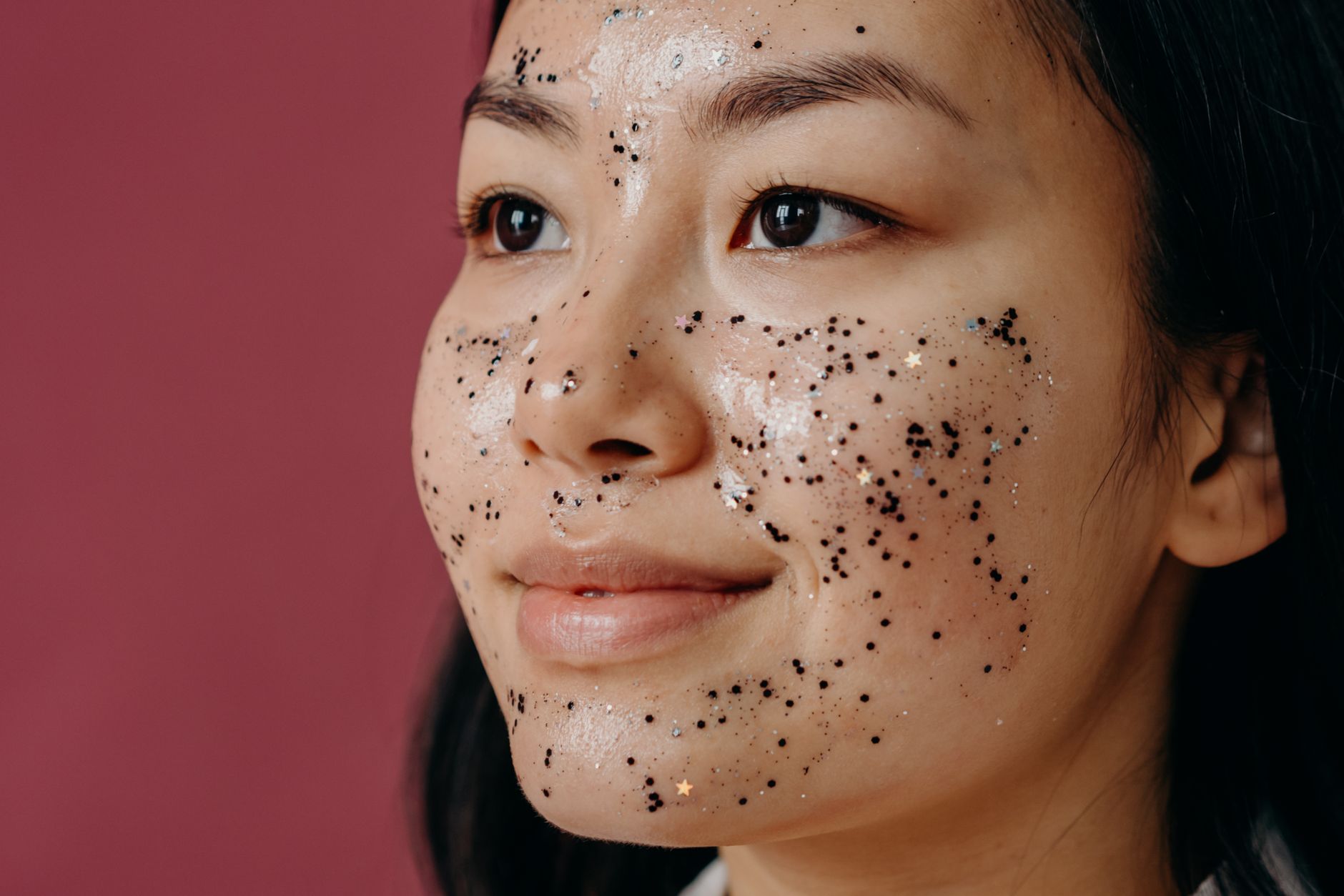
Slugging is the practice of applying a thick, occlusive layer of petroleum jelly (or a similar occlusive product) as the final step of your nighttime skincare routine. The name comes from the shiny, slug-like trail the product leaves on your skin. Unlike active ingredients that change your skin, slugging is purely about sealing in whatever you applied underneath.
The technique originated in Korean skincare culture, where occlusives have long been used to lock in hydration overnight, and it gained mainstream popularity when it spread across social media as an easy, low-cost hack for dry, dull skin.
The Science Behind Slugging
Your skin naturally loses water throughout the day and night through a process called transepidermal water loss (TEWL). Occlusive ingredients like petroleum jelly form a physical barrier on the skin's surface that dramatically slows this water loss. Petroleum jelly has been shown in clinical research to reduce TEWL by up to 99% when applied in an adequate layer, which is a large part of why it remains a dermatologist-recommended ingredient for wound healing and severely dry skin.
Slugging does not add hydration on its own. Petroleum jelly is not a humectant, meaning it does not draw water into the skin the way hyaluronic acid does. Instead, it locks in the water and active ingredients you already applied, giving them more time to absorb and work overnight.
Benefits of Slugging
- Reduces water loss overnight, leaving skin plumper and less tight in the morning
- Enhances absorption of humectants and other hydrating ingredients applied beforehand
- Soothes compromised skin, useful after over-exfoliation, wind burn, or harsh weather exposure
- Low cost, since petroleum jelly is inexpensive compared to many moisturizers
- Simple to use, requiring no complicated routine changes
Who Should Try Slugging
Slugging tends to work best for people with dry, dehydrated, or compromised skin barriers. It is especially useful during winter months, after long flights, or following aggressive treatments like retinoids or chemical peels that can leave skin temporarily more fragile. Our guide on winter skincare routine covers other strategies for cold-weather dryness that pair well with slugging.
People recovering from a damaged skin barrier, discussed in our article on repair damaged skin barrier, may also find slugging helpful as a short-term recovery tool.
Who Should Avoid Slugging
Slugging is not for everyone. You should approach it cautiously, or skip it entirely, if you have:
- Oily or acne-prone skin, since a heavy occlusive layer can trap oil and bacteria against the skin
- Active fungal acne, since occlusion can worsen malassezia-related breakouts
- A history of clogged pores from heavy products
- Very humid climates, where additional occlusion is rarely needed
Slugging vs. Regular Moisturizing
| Feature | Slugging | Regular Moisturizing |
|---|---|---|
| Main ingredient type | Occlusive (petroleum jelly) | Mix of humectants, emollients, occlusives |
| Function | Seals in existing moisture | Adds hydration and some sealing |
| Texture | Thick, greasy | Varies from light to rich |
| Best for | Very dry, compromised skin | Most skin types, daily use |
| Frequency | A few nights a week or as needed | Daily, morning and night |
| Risk for oily skin | Higher, can clog pores | Lower, with the right formula |
Best Products for Slugging
The most common slugging product is plain, fragrance-free petroleum jelly. Look for:
- 100% petrolatum with no added fragrance
- Ophthalmologist-tested or dermatologist-tested labeling for extra assurance around the eye area
- Simple, single-ingredient formulas rather than "jelly" hybrids with added waxes or oils, which can be more pore-clogging
Some people use a thick balm or ceramide-rich occlusive cream instead of pure petroleum jelly, which can be gentler for those who find petrolatum too heavy.
How to Slug Correctly: Step-by-Step
Step 1: Cleanse Thoroughly
Start with a clean face. Any dirt, makeup, or sunscreen left underneath an occlusive layer will stay trapped against your skin all night.
Step 2: Apply Your Regular Routine
Apply your usual hydrating serums, such as hyaluronic acid, and your moisturizer as normal. Slugging is meant to seal in these products, not replace them.
Step 3: Wait for Absorption
Give your moisturizer a few minutes to absorb before applying the occlusive layer. Applying petroleum jelly over wet or unabsorbed product can dilute its effectiveness.
Step 4: Apply a Thin to Medium Layer
Using clean fingertips, apply a thin to medium layer of petroleum jelly over your entire face, avoiding direct contact with the eyes. You do not need a thick, visible coating for it to work.
Step 5: Sleep and Rinse in the Morning
Sleep on a clean pillowcase to avoid transferring product. In the morning, cleanse as usual to remove any residue.
How Often to Slug
Most dermatologists recommend slugging two to four times per week rather than nightly, especially for people who are new to the technique or have combination skin. Those with very dry or barrier-damaged skin may slug nightly for a short period, then taper down once skin feels more balanced. People with oily or acne-prone skin, if they try it at all, should limit it to isolated dry patches rather than the whole face.
Slugging and Acne-Prone Skin
Petroleum jelly itself is non-comedogenic, meaning it does not directly clog pores according to most comedogenicity studies. However, slugging can still contribute to breakouts indirectly by trapping oil, sweat, bacteria, or unabsorbed product against the skin overnight. For acne-prone users who still want to try it, spot-slugging only the driest areas, such as around the nose or cheeks, is a safer approach than covering the entire face. If you are managing breakouts, our guide on skincare routine for hormonal acne offers a more targeted approach.
Slugging Through the Seasons
Slugging is not a one-size-fits-all, year-round practice for most people. Its usefulness shifts significantly with the seasons, and understanding that shift helps you get more benefit with less risk of clogged pores or excess oil.
In winter, indoor heating and cold, dry outdoor air combine to strip moisture from skin far faster than in other seasons, which is exactly the scenario occlusives are designed for. Many people who cannot tolerate slugging in summer find it becomes one of the most effective tools in their routine once temperatures drop and humidity falls. In spring and fall, transitional weather often calls for a more flexible approach, some nights may benefit from slugging, particularly after wind exposure or long days outdoors, while others do not need it at all.
Summer is where slugging tends to cause the most problems, particularly in humid climates where the air itself already carries more moisture. Adding a heavy occlusive layer on top of naturally higher oil production and ambient humidity increases the likelihood of clogged pores and discomfort. If you still want the benefits of slugging during warmer months, spot-treating only chronically dry areas, rather than the whole face, is a reasonable compromise.
Common Mistakes to Avoid
Skipping Hydration Underneath
Slugging without a hydrating serum or moisturizer underneath just seals in dry skin. Always layer occlusives over, not instead of, your hydrating products.
Using Too Thick a Layer
A visible, dripping layer is not necessary and can feel uncomfortable on the pillow. A thin, even layer is enough to significantly reduce water loss.
Slugging Every Night Without Assessing Your Skin
Nightly slugging can be too much for combination or acne-prone skin. Pay attention to how your skin responds and adjust frequency accordingly.
Applying Over Unabsorbed Active Ingredients
Sealing in retinoids or strong acids before they have had time to settle can increase irritation. Give actives time to absorb before slugging.
Using Fragranced or Additive-Heavy Jelly
Added fragrance or oils in some "beauty" petroleum jelly products can increase the risk of irritation or breakouts for sensitive or acne-prone skin.
Alternatives to Petroleum Jelly for Slugging
If pure petroleum jelly feels too heavy or you prefer a different texture, consider these alternatives:
| Alternative | Texture | Best For |
|---|---|---|
| Ceramide-rich occlusive balm | Semi-thick, less greasy | Barrier repair with added lipids |
| Lanolin-based balm | Thick, tacky | Very dry or cracked skin, lips |
| Squalane oil (heavy layer) | Lightweight | Those wanting a lighter occlusive effect |
| Beeswax-based balm | Medium thickness | Those avoiding petroleum-derived ingredients |
Our article on squalane oil benefits explains how this lighter alternative compares for everyday hydration.
- Start with a patch test on your jawline for a night or two if you have reactive or acne-prone skin.
- Use a humidifier alongside slugging in dry climates for a more complete moisture strategy.
- Change your pillowcase more often while slugging regularly, since product transfer can build up.
- Reserve slugging for your driest seasons rather than making it a year-round nightly habit if your skin is combination or normal.
- Consider spot-slugging on flaky areas like the nose crease or around the mouth instead of the entire face.
Conclusion
Slugging is a simple, low-cost technique that can make a real difference for dry, dehydrated, or barrier-compromised skin, but it is not a universal fix. Understanding how occlusives work, layering them correctly over hydrating products, and adjusting frequency to match your skin type will help you get the benefits without the downsides. If your skin is oily or acne-prone, approach slugging cautiously or stick to targeted dry spots rather than your whole face.
For more on building a complete hydration strategy, check out our guides on hydration affects skin and repair damaged skin barrier.
Category: Skin Care
Tags: slugging, petroleum jelly, occlusive skincare, dry skin, skin barrier, nighttime routine, K-beauty, moisture retention, TEWL, hydration
Frequently Asked Questions
References
Last updated
This article is for informational purposes only and does not constitute medical advice. Consult a licensed dermatologist or healthcare provider before starting any new treatment.
Beauty & Hair Care Editor
Ilma is a beauty editor who specializes in breaking down cosmetic ingredients, skincare routines, and hair care practices. Her work focuses on evidence-based guidance readers can trust and apply.
Comments (0)
Be the first to comment.
Related Articles
Facial Oil vs. Moisturizer: Do You Need Both?
Facial oil vs moisturizer: learn the real differences, whether you need both, and how to layer them correctly for your skin type.

Snail Mucin Benefits for Skin: What Science Says
Discover the science-backed snail mucin benefits skin, from deep hydration to barrier repair. Learn how to use it, what to avoid, and expert tips.

Squalane Oil Benefits and How to Use It
Discover the top squalane oil benefits for every skin type, plus how to use it in your routine. Hydrating, non-comedogenic, and beginner-friendly.
Glass Skin Routine: A Realistic Step-by-Step Guide
Master a realistic glass skin routine with this step-by-step guide. Discover the science, steps, ingredients, and expert tips for a dewy, luminous complexion.