 Funky Millions
Facial Oil vs. Moisturizer: Do You Need Both?
Facial oil vs moisturizer: learn the real differences, whether you need both, and how to layer them correctly for your skin type.
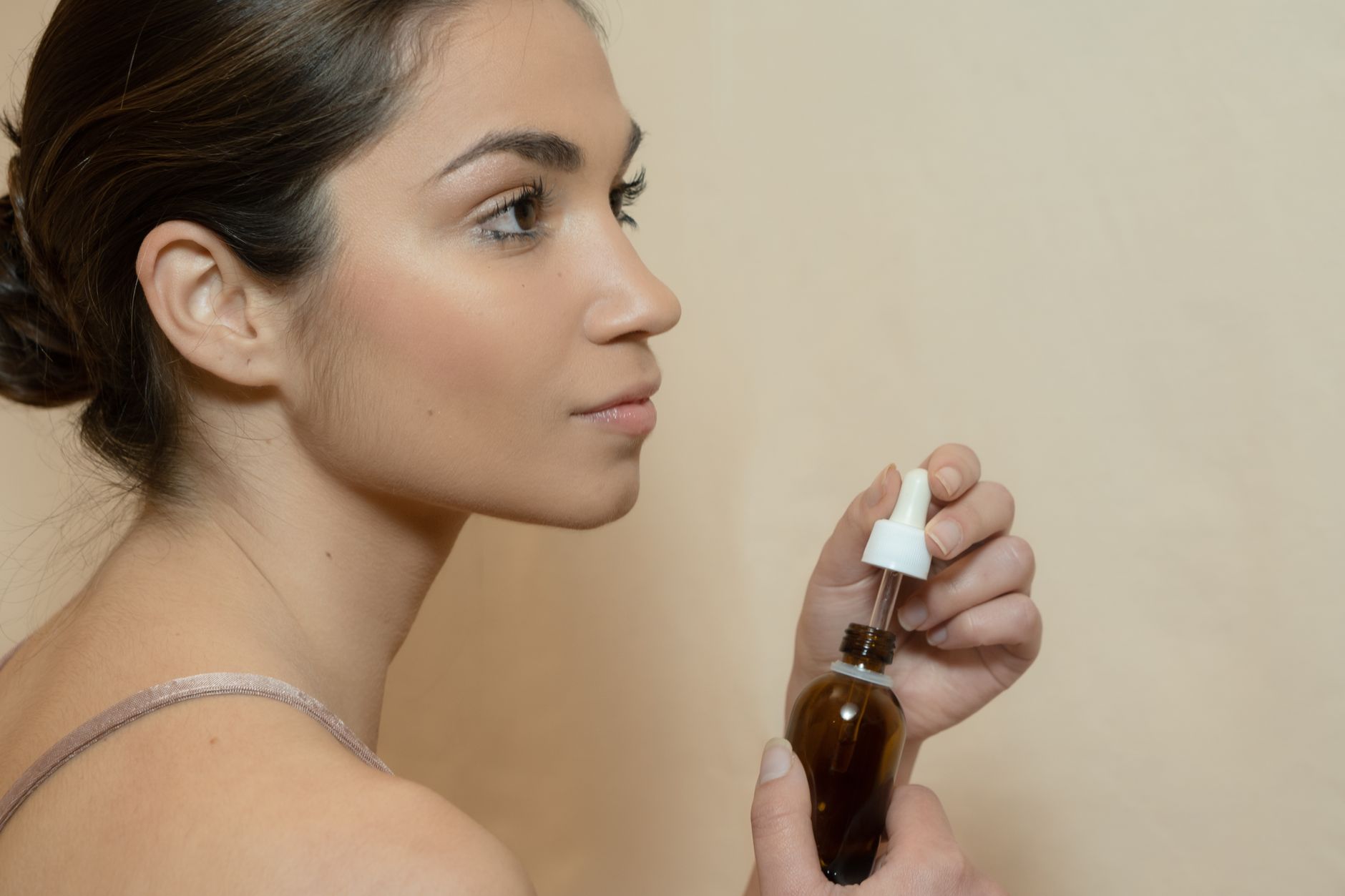
Quick summary
Key Takeaways
- Moisturizers combine water and hydrating ingredients with lipids to both add moisture and help seal it in.
- Facial oils are water-free and work by smoothing skin and reducing water loss, not by adding hydration directly.
- Oil seals in moisture; it does not add moisture. Understanding this distinction determines how to use each product effectively.
- Moisturizer is generally the foundational hydrating step, while oil is an optional sealing layer on top.
- Whether oil alone is enough depends heavily on your skin type, climate, and the rest of your routine.
- The correct order is always water-based products first, moisturizer next, and oil last to seal everything in.
- Facial oil tends to be more of a daily necessity in dry or high-altitude climates and more of an occasional, seasonal tool in humid or tropical environments.
- Dry oils like squalane suit daily, lightweight use across most skin types, while rich oils like marula are better reserved for intensive nighttime hydration on very dry skin.
Standing in the skincare aisle, it is easy to wonder whether facial oil and moisturizer do the same job, and whether you really need to buy and apply both. The facial oil vs moisturizer question comes down to understanding what each product actually does at a chemical level, since they are not interchangeable, even though they can feel similar on the skin.
This guide explains the real differences, who benefits from each, and how to layer them for the best results.
What Is a Moisturizer?
A moisturizer is typically a formulated emulsion combining water, humectants (like glycerin or hyaluronic acid), emollients, and sometimes occlusives, designed to hydrate skin and prevent water loss. Because moisturizers contain water directly, they can add hydration to the skin in a way that oil alone cannot.
What Is a Facial Oil?
A facial oil is a lipid-based product, whether a single plant oil or a blend, that contains no water. Oils work primarily as emollients and occlusives, meaning they smooth the skin's surface and slow water loss, but they cannot add water to the skin since they contain none themselves. Our guide on best natural oils for skincare and haircare covers common oil options in more depth.
The Key Difference: Hydration vs. Occlusion
This is the central point of the facial oil vs moisturizer comparison: hydration means adding water to the skin, while occlusion means sealing water in. Moisturizers can do both because they contain water-based humectants alongside lipids. Facial oils can only do the second, since they have no water content to contribute.
This is why applying facial oil to bone-dry skin without any moisturizer or hydrating serum underneath often does not solve dryness, there is no water there for the oil to seal in.
Facial Oil vs. Moisturizer Comparison Table
| Feature | Facial Oil | Moisturizer |
|---|---|---|
| Water content | None | Contains water |
| Primary function | Emollient, occlusive | Hydration plus sealing |
| Can add hydration alone | No | Yes |
| Best applied | Last step, over moisturizer | After serums, before oil (if used) |
| Texture | Varies from light to heavy, always oil-based | Varies widely, from gel to cream |
| Best for | Sealing in moisture, added glow, dry climates | Foundational hydration for all skin types |
Can Facial Oil Replace Moisturizer?
For most people, no, not entirely. Because oil cannot add water to the skin, relying on oil alone often leaves skin under-hydrated even if it feels smooth and soft on the surface. However, some people with naturally oily or very resilient skin, who produce enough of their own hydration, find that a facial oil alone provides enough of an occlusive effect without needing a separate cream.
This is highly individual and depends on your skin's natural oil production, climate, and the specific oil used.
Who Needs Both
Most people benefit from using both a moisturizer and a facial oil, particularly:
- Those with dry or dehydrated skin who need both water-based hydration and sealing
- People in dry or cold climates where water loss is more pronounced
- Anyone using strong actives like retinoids, who need extra barrier support
- Mature skin, which often benefits from the added emollience oils provide
Who Can Use Oil Alone
- People with naturally oily skin who find moisturizer too heavy but still want to prevent over-stripping from cleansers or actives
- Those with very resilient, non-reactive skin in humid climates
- People using facial oil specifically at night as a light sealing step after a hydrating serum, rather than a full moisturizer
Best Facial Oils by Skin Type
| Skin Type | Recommended Oil | Why |
|---|---|---|
| Oily/acne-prone | Squalane, jojoba | Lightweight, closely mimics skin's natural sebum |
| Dry | Marula, argan | Rich in fatty acids, deeply emollient |
| Sensitive | Rosehip, chamomile-infused oils | Gentle, anti-inflammatory properties |
| Mature | Rosehip, argan | Antioxidants and fatty acids support elasticity |
| Combination | Squalane | Balanced, non-greasy texture suitable across zones |
Our guide on rosehip oil benefits for face covers one of the most versatile options in more detail.
How to Layer Oil and Moisturizer Correctly
Step 1: Cleanse
Start with a clean face to ensure products absorb properly.
Step 2: Apply Water-Based Serums
Apply any hydrating serums, such as hyaluronic acid, to slightly damp skin.
Step 3: Apply Moisturizer
Follow with your regular moisturizer, allowing it to absorb for a minute or two.
Step 4: Seal With Facial Oil
Apply two to three drops of facial oil as the final step. Because oils have a heavier molecular weight than most water-based products, applying them last prevents them from blocking the absorption of lighter products underneath.
Facial Oil in Different Climates
Climate plays a significant role in whether facial oil earns a permanent place in your routine or works better as an occasional, seasonal addition, and adjusting your approach based on where you live and the time of year can prevent both under- and over-using this step.
In dry, arid, or high-altitude climates, facial oil often becomes a near-essential daily step, since the air itself offers little ambient moisture and skin loses water more rapidly. In these conditions, even naturally oily skin types sometimes find that a light, non-comedogenic oil layered over moisturizer helps offset the drying effect of the environment in a way moisturizer alone cannot fully address.
In humid, tropical, or consistently warm climates, facial oil is far less necessary for most skin types, and daily use can feel heavy or contribute to a greasy, congested feeling, particularly for oily or acne-prone skin. In these environments, facial oil is often better reserved for occasional use, such as during unusually dry weather, air travel, or a period of intense sun exposure that has temporarily dehydrated the skin.
Seasonal transitions deserve particular attention, since skin's needs can shift meaningfully between summer and winter even within the same general climate. Many people who skip facial oil entirely in summer find it becomes genuinely useful again once heating systems and colder, drier air take over in winter months.
Facial Oil and Acne-Prone Skin
Facial oil is not automatically off-limits for acne-prone skin, but ingredient choice matters significantly. Non-comedogenic oils like squalane and jojoba are far less likely to clog pores than heavier, more comedogenic oils like coconut oil. Those with active acne should introduce facial oil cautiously and monitor for any increase in breakouts, adjusting or discontinuing if needed.
How Oil Composition Affects Its Role in Your Routine
Not all facial oils behave the same way on skin, and understanding the two broad categories, dry oils and rich oils, helps explain why some work well as a light daily finishing step while others are better reserved for intensive, occasional use.
Dry oils, such as squalane and grapeseed oil, have a lighter molecular structure that absorbs relatively quickly and leaves little to no visible residue. These are generally better suited to daily use, layering well under makeup, and working for a broader range of skin types, including oily and combination skin, without feeling heavy.
Rich oils, such as marula, argan, and tamanu, have a heavier molecular weight and a more noticeably emollient feel. These sit on the skin's surface longer, providing stronger occlusion but also a greasier finish. They tend to work best for very dry skin, at night rather than under makeup, or during particularly harsh weather when maximum sealing power is the priority over lightweight wearability.
This distinction also explains why some people who tried "facial oil" once and disliked the greasy feel might have simply used a rich oil when a dry oil would have suited their skin and routine far better. Matching oil type to your skin's actual needs, rather than treating all facial oils as interchangeable, makes a meaningful difference in how well this step integrates into your routine.
Common Mistakes to Avoid
Using Oil Instead of Moisturizer When Skin Is Very Dry
Since oil cannot add water, using it alone on dehydrated skin often fails to resolve the underlying dryness.
Applying Oil Before Water-Based Products
Oil applied first can create a barrier that prevents lighter serums and moisturizers from absorbing properly.
Choosing Heavy, Comedogenic Oils for Oily or Acne-Prone Skin
Not all oils are created equal. Heavier oils can worsen breakouts in acne-prone skin, while lighter oils like squalane are far less likely to cause issues.
Overapplying
More oil does not mean more benefit. A few drops are typically enough for the entire face.
- Warm oil between your palms before applying for better spreadability and absorption.
- Mix a drop of oil into your moisturizer on especially dry days for an extra boost without an additional layering step.
- Patch test new oils, since natural does not always mean non-irritating, particularly for those with nut or plant allergies.
- Adjust seasonally, using oil more consistently in dry winter months and lightening up or skipping it in humid summer conditions.
Conclusion
The facial oil vs moisturizer question is not really an either-or decision for most people. Moisturizer provides foundational hydration by combining water with lipids, while facial oil works as an optional sealing layer that locks that hydration in. Understanding this distinction helps you build a routine that actually addresses your skin's needs, rather than assuming one product can fully replace the other.
For more on choosing the right oils for your skin, see our guides on best natural oils for skincare and haircare and rosehip oil benefits for face.
Category: Skin Care
Tags: facial oil, moisturizer, hydration, occlusive skincare, emollients, dry skin, skincare layering, squalane, rosehip oil, skincare basics
Frequently Asked Questions
References
Last updated
This article is for informational purposes only and does not constitute medical advice. Consult a licensed dermatologist or healthcare provider before starting any new treatment.
Beauty & Hair Care Editor
Amanda Gurton is a beauty editor and researcher with a focus on translating dermatology and trichology insights into clear, actionable advice. She covers skincare routines, hair health, ingredient science, and everyday beauty habits.
Comments (0)
Be the first to comment.
Related Articles

What Is Slugging? The Skincare Method Explained
Learn what slugging is, how this occlusive skincare method works, who should try it, and how to slug correctly without clogging pores.
Polyglutamic Acid vs. Hyaluronic Acid: Which Hydrates Better?
Polyglutamic acid vs hyaluronic acid: compare how each humectant works, which hydrates skin better, and how to use them together.

Squalane Oil Benefits and How to Use It
Discover the top squalane oil benefits for every skin type, plus how to use it in your routine. Hydrating, non-comedogenic, and beginner-friendly.
Skincare Routine for Men: A Simple Beginner's Guide
Discover an easy skincare routine for men that works. Learn the essential steps, best ingredients, and expert tips for healthier, clearer skin in minutes a day.