 Funky Millions
Skincare Routine for Men: A Simple Beginner's Guide
Discover an easy skincare routine for men that works. Learn the essential steps, best ingredients, and expert tips for healthier, clearer skin in minutes a day.
Quick summary
Key Takeaways
- A skincare routine for men is a simple daily habit built around cleansing, moisturizing, and sun protection, with targeted add-ons based on your skin's needs.
- A daily skincare routine protects your skin barrier, prevents common problems, and keeps your complexion looking its best with minimal effort.
- Identifying your skin type helps you choose products that work with your skin instead of against it.
- Your morning routine is cleanse, moisturize, protect. Sunscreen is non-negotiable.
- Your evening routine is cleanse, treat, moisturize. Nighttime is when your skin repairs itself.
- Exfoliate weekly and add a mask if you want an extra boost, but do not overdo it.
- Avoid harsh soaps, skipped sunscreen, over-exfoliation, and neglecting your neck. Keep it simple.
- Consistency, gentle shaving, and smart ingredient choices are the fastest paths to better skin.
- Match ingredients to your concerns. Salicylic acid for acne, hyaluronic acid for hydration, retinol for aging.
- Choose products based on your skin type, and prioritize cleanser, moisturizer, and sunscreen before adding anything else.
- Morning is about protection. Evening is about repair. Both need cleansing and moisturizing.
Introduction
A consistent skincare routine for men does not have to be complicated, expensive, or time-consuming. Whether you have never used anything beyond a bar of soap or you are ready to upgrade your grooming habits, this guide will show you exactly how to build a simple routine that fits into your daily life.
Men's skin differs from women's in a few important ways. It is typically thicker, oilier, and more prone to irritation from shaving. These differences mean that a targeted approach can deliver better results than grabbing whatever product is closest to the sink. The good news is that you only need a handful of effective products and a few minutes each morning and night to see real improvement.
In this article, you will learn what a skincare routine for men actually includes, why it matters, how to follow it step by step, and which mistakes to avoid. You will also find product recommendations, ingredient guidance, and answers to the most common questions men ask about taking care of their skin. By the end, you will have a clear, no-nonsense plan you can start using today.
What Is a Skincare Routine for Men?
A skincare routine for men is a daily set of steps designed to cleanse, protect, and maintain the skin on your face and neck. It typically includes cleansing, moisturizing, and sun protection as the foundation, with optional treatments for specific concerns like acne, shaving irritation, or signs of aging.
Unlike multi-step beauty rituals, a beginner-friendly men's skincare routine focuses on consistency and function. The goal is to keep your skin barrier healthy, remove dirt and excess oil, prevent UV damage, and address any personal concerns without overwhelming your schedule.
Why a Skincare Routine Matters for Men
Your skin is your body's largest organ and your first line of defense against environmental stress. A basic routine offers several measurable benefits:
- Prevents acne and breakouts by removing excess oil, sweat, and bacteria.
- Reduces irritation from shaving and environmental exposure.
- Slows visible aging by protecting against UV rays and supporting collagen.
- Improves skin texture and tone over time.
- Boosts confidence when your skin looks and feels healthy.
According to the American Academy of Dermatology, a consistent skin care routine can help prevent common concerns like acne, premature aging, and skin cancer. Men's skin also tends to produce more sebum, which makes regular cleansing especially important.
Understanding Your Skin Type
Before choosing products, you need to know your skin type. Using the wrong formula can make problems worse.
| Skin Type | How It Feels | Best Product Texture |
|---|---|---|
| Oily | Shiny, especially by midday; prone to blackheads and enlarged pores | Gel cleansers, oil-free moisturizers, lightweight serums |
| Dry | Tight, flaky, or rough; may feel irritated after washing | Cream cleansers, rich moisturizers, hydrating serums |
| Combination | Oily in the T-zone (forehead, nose, chin), normal or dry elsewhere | Balanced formulas, gel-cream moisturizers |
| Sensitive | Easily red, stinging, or irritated by new products | Fragrance-free, hypoallergenic, soothing ingredients |
| Normal | Balanced, few issues, rarely too oily or too dry | Most textures work; focus on maintenance |
If you are unsure, wash your face and wait one hour without applying anything. Notice how your skin feels and looks. That baseline will guide your product choices.
The Essential Skincare Routine for Men: Step by Step
This is the core routine every man can follow. It takes about five minutes in the morning and five minutes at night.
Morning Routine
Step 1: Cleanser
Wash your face with a gentle cleanser suited to your skin type. This removes oil, sweat, and impurities that build up overnight.
- Oily skin: Foaming or gel cleanser with salicylic acid
- Dry skin: Cream or hydrating cleanser
- Sensitive skin: Fragrance-free, non-foaming cleanser
Use lukewarm water, not hot. Hot water strips natural oils and can worsen dryness or irritation.
Step 2: Moisturizer
Apply a moisturizer to hydrate your skin and lock in moisture. Even oily skin needs hydration. Skipping this step can cause your skin to produce even more oil.
- Oily skin: Lightweight, oil-free gel moisturizer
- Dry skin: Richer cream with ceramides or hyaluronic acid
- All skin types: Look for non-comedogenic formulas
Step 3: Sunscreen
Sunscreen is the most important anti-aging and protective step. Use a broad-spectrum SPF 30 or higher every day, even when it is cloudy or you are indoors near windows.
For daily use, a moisturizer with SPF can work if you apply enough. For extended outdoor time, use a dedicated sunscreen.
Evening Routine
Step 1: Cleanser
Wash your face again before bed. This removes dirt, pollution, sweat, and sunscreen from the day. If you wear heavy sunscreen or have been outside, consider a double cleanse: oil-based cleanser first, then water-based cleanser.
Step 2: Treatment (Optional)
If you have a specific concern, apply a treatment after cleansing and before moisturizing. Common options include:
- Acne: Benzoyl peroxide or salicylic acid
- Aging or texture: Retinol or retinoid
- Dark spots or uneven tone: Niacinamide or vitamin C
Start slowly. Use treatments two to three nights per week and increase as your skin tolerates them.
Step 3: Moisturizer
Finish with a moisturizer to repair and hydrate your skin overnight. Night creams are often richer, but a simple daily moisturizer works too.
Weekly Add-Ons
Beyond the daily routine, a few weekly habits can improve your results.
Exfoliation
Exfoliate one to two times per week to remove dead skin cells and unclog pores. There are two types:
- Physical exfoliants: Scrubs with small particles. Use gently to avoid micro-tears.
- Chemical exfoliants: AHAs (like glycolic acid) or BHAs (like salicylic acid). These are often gentler and more effective for most men.
If you shave regularly, chemical exfoliation can also help prevent ingrown hairs.
Face Masks
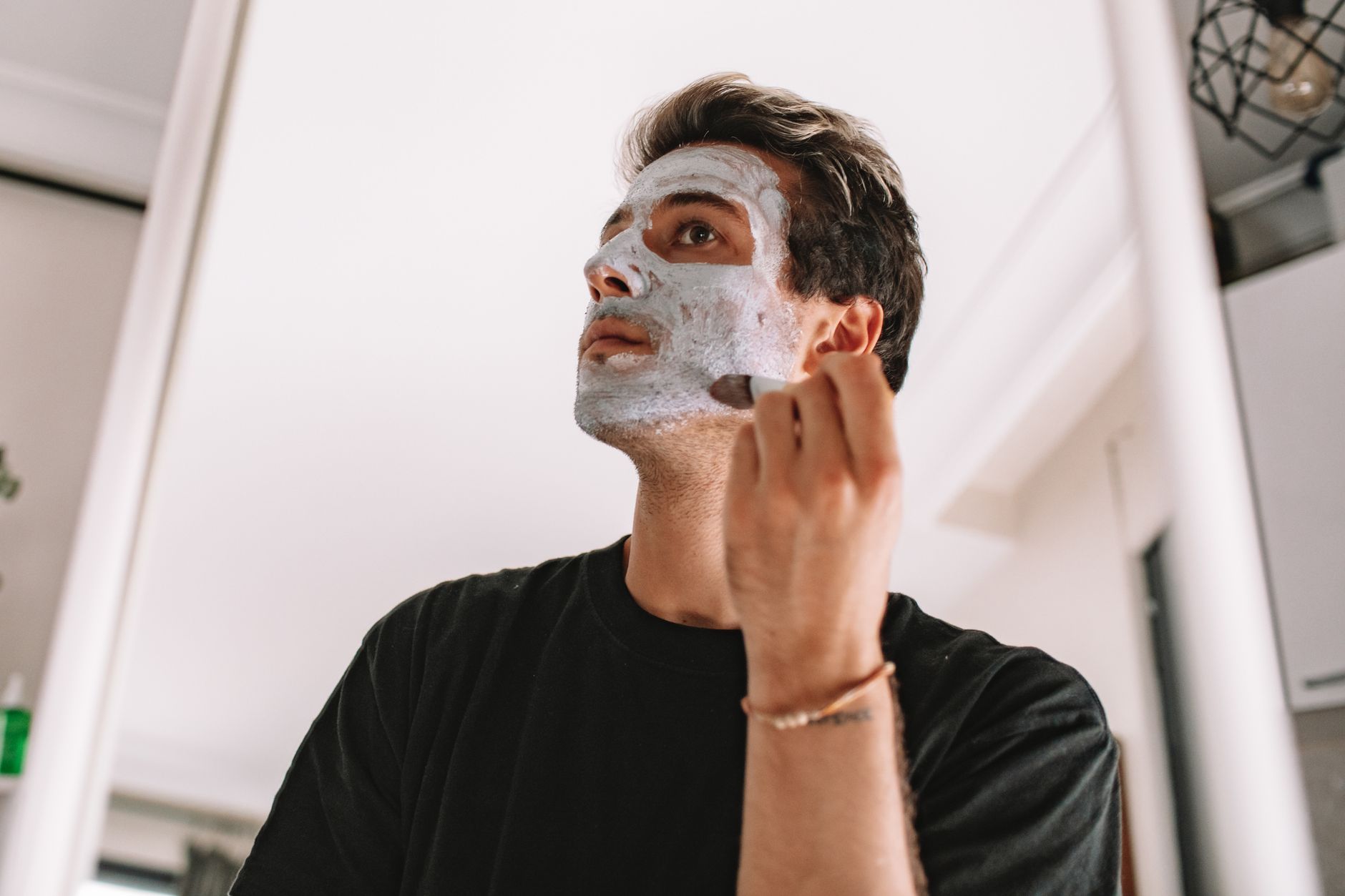
A clay mask once a week can absorb excess oil and deep-clean pores. A hydrating mask can help dry or stressed skin. Choose based on your skin type and concerns.
Common Mistakes to Avoid
Many men unintentionally sabotage their skin. Here are the most common mistakes and how to fix them.
Using Body Soap on Your Face
Body soaps are often too harsh for facial skin. They can disrupt your skin barrier and cause dryness or irritation. Use a cleanser formulated for the face.
Skipping Sunscreen
Sun damage is the leading cause of premature aging and skin cancer. Daily sunscreen use is the single most effective step you can take.
Overwashing or Over-Exfoliating
More is not always better. Washing or exfoliating too often can strip your skin and trigger more oil production. Stick to twice-daily cleansing and weekly exfoliation.
Ignoring Your Neck and Jawline
Your neck and jawline are part of your facial skin. Extend your products to these areas to avoid uneven tone and texture.
Using Too Many Products at Once
Starting with ten products can overwhelm your skin and make it hard to know what works. Begin with the basics and add one product at a time.
Best Ingredients for Men's Skincare
Knowing which ingredients to look for makes shopping easier. Here are the most effective options for common concerns.
| Ingredient | What It Does | Best For |
|---|---|---|
| Salicylic acid | Unclogs pores and exfoliates inside the follicle | Oily skin, acne, blackheads |
| Niacinamide | Reduces redness, balances oil, brightens tone | All skin types, especially sensitive or acne-prone |
| Hyaluronic acid | Draws moisture into the skin | Dry or dehydrated skin |
| Ceramides | Strengthen the skin barrier | Dry, sensitive, or aging skin |
| Retinol | Boosts cell turnover and collagen | Fine lines, texture, acne |
| Vitamin C | Brightens skin and protects against free radicals | Dullness, dark spots, aging |
| Benzoyl peroxide | Kills acne-causing bacteria | Active breakouts |
If acne is your main concern, our article on salicylic acid acne treatment explains how this ingredient works in detail.
Product Recommendations by Skin Type
You do not need luxury products to get results. Focus on formulas that match your skin type and concerns.
For Oily or Acne-Prone Skin
- Gel or foaming cleanser with salicylic acid
- Oil-free gel moisturizer
- Lightweight, non-greasy SPF 30 sunscreen
- Optional: benzoyl peroxide spot treatment
For Dry Skin
- Cream or hydrating cleanser
- Moisturizer with hyaluronic acid and ceramides
- Moisturizing sunscreen or SPF moisturizer
- Optional: gentle exfoliating toner once a week
For Sensitive Skin
- Fragrance-free, gentle cleanser
- Soothing moisturizer with niacinamide or ceramides
- Mineral sunscreen with zinc oxide or titanium dioxide
- Avoid alcohol, fragrance, and essential oils
For Normal or Combination Skin
- Balanced, pH-neutral cleanser
- Lightweight moisturizer
- Broad-spectrum SPF 30 sunscreen
- Optional: vitamin C serum in the morning
For a broader look at improving your complexion, check out our guide on how to get clear skin.
Morning vs. Evening Routine Comparison
| Step | Morning | Evening |
|---|---|---|
| Cleanse | Yes | Yes |
| Treat | Optional: vitamin C or antioxidant serum | Optional: retinol, acne treatment, or exfoliant |
| Moisturize | Lightweight, SPF optional | Richer or same moisturizer |
| Sunscreen | Required | Not needed |
| Goal | Protect skin from daily stress | Repair and hydrate skin overnight |
Here are practical tips to get the most from your skincare routine for men.
- Be consistent. Results come from regular habits, not one-time treatments.
- Patch test new products. Apply a small amount to your inner arm or behind your ear before using it on your face.
- Shave with care. Use a sharp razor, shaving cream or gel, and shave in the direction of hair growth to reduce irritation.
- Stay hydrated and sleep well. Skin health is connected to overall health.
- Read ingredient labels. Look for proven ingredients like niacinamide, hyaluronic acid, salicylic acid, and ceramides.
- Be patient. Most products need at least four to six weeks to show visible results.
For more face care advice, explore our guide on beauty tips for face at home for simple remedies that support a radiant glow.
Conclusion
A skincare routine for men does not need to be complicated. With a gentle cleanser, a good moisturizer, and daily sunscreen, you have everything you need for healthier, clearer skin. Add treatments and weekly exfoliation only when your basics are consistent.
The most important thing is to start simple and stay consistent. Your skin will respond best to a routine you can actually maintain.
Did you find this guide helpful? Share it with a friend who is ready to upgrade his skincare game, or explore more of our beauty tips without makeup for simple ways to look and feel your best.
Frequently Asked Questions
Last updated
This article is for informational purposes only and does not constitute medical advice. Consult a licensed dermatologist or healthcare provider before starting any new treatment.
Beauty & Hair Care Editor
Amanda Gurton is a beauty editor and researcher with a focus on translating dermatology and trichology insights into clear, actionable advice. She covers skincare routines, hair health, ingredient science, and everyday beauty habits.
Comments (0)
Be the first to comment.
Related Articles
Men's Anti-Aging Skincare Routine: A Simple Guide for Younger-Looking Skin
Build the best men's anti-aging skincare routine with proven steps, ingredients, and expert tips to reduce wrinkles, fine lines, and dullness for healthier, younger-looking skin.
Facial Oil vs. Moisturizer: Do You Need Both?
Facial oil vs moisturizer: learn the real differences, whether you need both, and how to layer them correctly for your skin type.

Squalane Oil Benefits and How to Use It
Discover the top squalane oil benefits for every skin type, plus how to use it in your routine. Hydrating, non-comedogenic, and beginner-friendly.
Hyaluronic Acid vs. Glycerin: Which Is Better?
Wondering about hyaluronic acid vs glycerin? Discover which humectant suits your skin, how they work, and how to layer them for maximum hydration.