 Funky Millions
Men's Anti-Aging Skincare Routine: A Simple Guide for Younger-Looking Skin
Build the best men's anti-aging skincare routine with proven steps, ingredients, and expert tips to reduce wrinkles, fine lines, and dullness for healthier, younger-looking skin.
Quick summary
Key Takeaways
- A men's anti-aging skincare routine is a consistent, targeted regimen that cleanses, protects, hydrates, and repairs the skin using proven ingredients like retinol, sunscreen, antioxidants, and peptides.
- Men's skin is thicker and more resilient than women's, but shaving, sun exposure, and lifestyle habits can speed up aging if the skin isn't properly protected.
- The benefits of an anti-aging skincare routine include smoother texture, brighter tone, stronger barrier function, and protection against future damage.
- Your morning routine should cleanse, protect with antioxidants, hydrate, and finish with sunscreen.
- Your evening routine should focus on deep cleansing, repairing with actives, and moisturizing to support overnight skin recovery.
- The most effective anti-aging ingredients for men are retinol, vitamin C, niacinamide, hyaluronic acid, peptides, and daily sunscreen.
- Avoid common mistakes like skipping sunscreen, overusing actives, ignoring your neck and eyes, and expecting instant results.
- Consistency, proper layering, sun protection, and healthy habits are the real keys to younger-looking skin.
Aging is a natural process, but the way you care for your skin can make a noticeable difference in how quickly visible signs of aging appear. A men's anti-aging skincare routine isn't about chasing perfection-it's about protecting your skin, supporting collagen production, and keeping your complexion strong, smooth, and healthy over time. Whether you're in your late twenties and starting early prevention or in your forties and want to reverse existing damage, the right routine can help.
Many men have relied on a simple bar of soap and water for years, only to notice crow's feet, deeper forehead lines, uneven tone, and dryness creeping in. The good news is that you don't need a complicated 12-step regimen to see results. In fact, an effective anti-aging routine for men can be as simple as four to six well-chosen steps used consistently. In this guide, you'll learn what causes men's skin to age, which ingredients actually work, how to build a morning and evening routine, what mistakes to avoid, and how to get the most from every product you use.
If your goal is clearer, firmer, and more youthful-looking skin, this routine will give you a practical roadmap to follow-without the confusion or marketing hype.
What Is a Men's Anti-Aging Skincare Routine?
A men's anti-aging skincare routine is a targeted daily regimen designed to slow the visible signs of aging and improve the overall health of a man's skin. It focuses on cleansing, hydration, sun protection, exfoliation, and the use of active ingredients that support skin repair and collagen production. Because men's skin is typically thicker, oilier, and more prone to irritation from shaving than women's skin, the routine should address these specific characteristics while targeting aging concerns.
Anti-aging skincare is not reserved for older men. Starting in your late twenties or early thirties can help delay the appearance of fine lines, wrinkles, sun spots, and sagging. Prevention is far easier-and more affordable-than correction. A good routine works with your skin's natural repair cycle rather than fighting against it.
Why Men's Skin Ages Differently
Understanding how men's skin ages helps explain why a dedicated routine matters. Men produce more testosterone than women, which leads to thicker skin with more collagen density. On average, male skin is about 25 percent thicker than female skin. This means men often show signs of aging later, but once wrinkles appear, they can be deeper and more pronounced.
Daily shaving also affects men's skin. It acts as a form of physical exfoliation, which can keep skin looking fresher but also increases sensitivity, irritation, and inflammation. Over time, repeated irritation can weaken the skin barrier and contribute to premature aging.
Other factors that speed up skin aging in men include:
- Sun exposure: UV radiation breaks down collagen and elastin, causing wrinkles and dark spots.
- Smoking and alcohol: These reduce blood flow and dehydrate the skin.
- Poor sleep: Skin repairs itself during sleep; poor rest slows this process.
- Chronic stress: Elevated cortisol can break down collagen over time.
- Inconsistent skincare: Skipping cleansing, moisturizing, and sun protection accelerates visible aging.
Benefits of an Anti-Aging Skincare Routine for Men
A consistent routine delivers both short-term and long-term benefits. Some improvements appear within weeks, while others build gradually over months. Here are the main benefits of following a men's anti-aging skincare routine:
- Fewer fine lines and wrinkles: Active ingredients like retinol and peptides stimulate collagen, which smooths expression lines over time.
- Brighter, more even skin tone: Vitamin C and exfoliating acids fade dark spots and reduce dullness.
- Better hydration: Moisturizers and humectants like hyaluronic acid restore moisture and reduce dryness.
- Stronger skin barrier: Niacinamide and ceramides improve resilience and reduce sensitivity.
- Reduced irritation from shaving: Proper prep and soothing ingredients minimize razor burn and redness.
- Protection against future damage: Daily sunscreen prevents UV-related aging, the leading cause of premature wrinkles.
- Healthier-looking skin overall: Clean, hydrated, protected skin looks more energized and youthful.
Step-by-Step Men's Anti-Aging Skincare Routine
A complete routine can be broken into a morning (AM) routine and an evening (PM) routine. The morning focuses on protection, while the evening focuses on repair. You don't need every product on day one. Start with the essentials and add actives as your skin adjusts.
Morning Routine: Protect and Prepare
Step 1: Cleanse
Start your day with a gentle cleanser to remove oil, sweat, and overnight product buildup. Avoid harsh bar soaps that strip the skin. Choose a sulfate-free facial cleanser suited to your skin type.
- Oily skin: Gel or foaming cleanser with salicylic acid
- Dry skin: Cream or hydrating cleanser
- Sensitive skin: Fragrance-free, non-foaming cleanser
If you want clearer skin as a foundation, check out our guide on how to get clear skin for extra tips.
Step 2: Apply Antioxidant Serum
A vitamin C serum protects against free radical damage caused by pollution and UV exposure. It also brightens skin and helps fade dark spots. Apply three to five drops to clean, dry skin and wait one minute before the next step.
Step 3: Moisturize
A lightweight moisturizer locks in hydration and strengthens the skin barrier. Look for ingredients like hyaluronic acid, glycerin, niacinamide, and ceramides. Even oily skin needs moisture-dehydrated skin can produce more oil and look older.
For a natural glow, our post on how to make your skin glow shares simple habits that complement your routine.
Step 4: Apply Sunscreen
Sunscreen is the most important anti-aging product you can use. UV rays are responsible for up to 80 percent of visible facial aging. Use a broad-spectrum SPF 30 or higher every morning, even on cloudy days or when indoors near windows. Apply a quarter-sized amount to your face and neck, and reapply every two hours if you're outside.
Evening Routine: Repair and Restore
Step 1: Double Cleanse (Optional but Recommended)
If you wear sunscreen or are exposed to pollution, start with an oil-based cleanser or micellar water, then follow with a water-based cleanser. This ensures your skin is truly clean without over-drying. For more face-care ideas, read our beauty tips for face at home guide.
Step 2: Apply Treatment Serum
This is where active ingredients do their best work while you sleep. Choose based on your top concern:
- Fine lines and wrinkles: Retinol or retinoid serum
- Dark spots and dullness: Alpha arbutin or azelaic acid
- Uneven texture: Glycolic acid or lactic acid
- Redness and sensitivity: Niacinamide serum
Start with retinol two to three nights per week and gradually increase as your skin tolerates it. Always follow retinol with moisturizer to reduce irritation.
Step 3: Moisturize
Use a richer night cream or moisturizer to support your skin's repair process. Ingredients like peptides, ceramides, squalane, and shea butter help restore moisture and firmness overnight.
Step 4: Eye Cream (Optional)
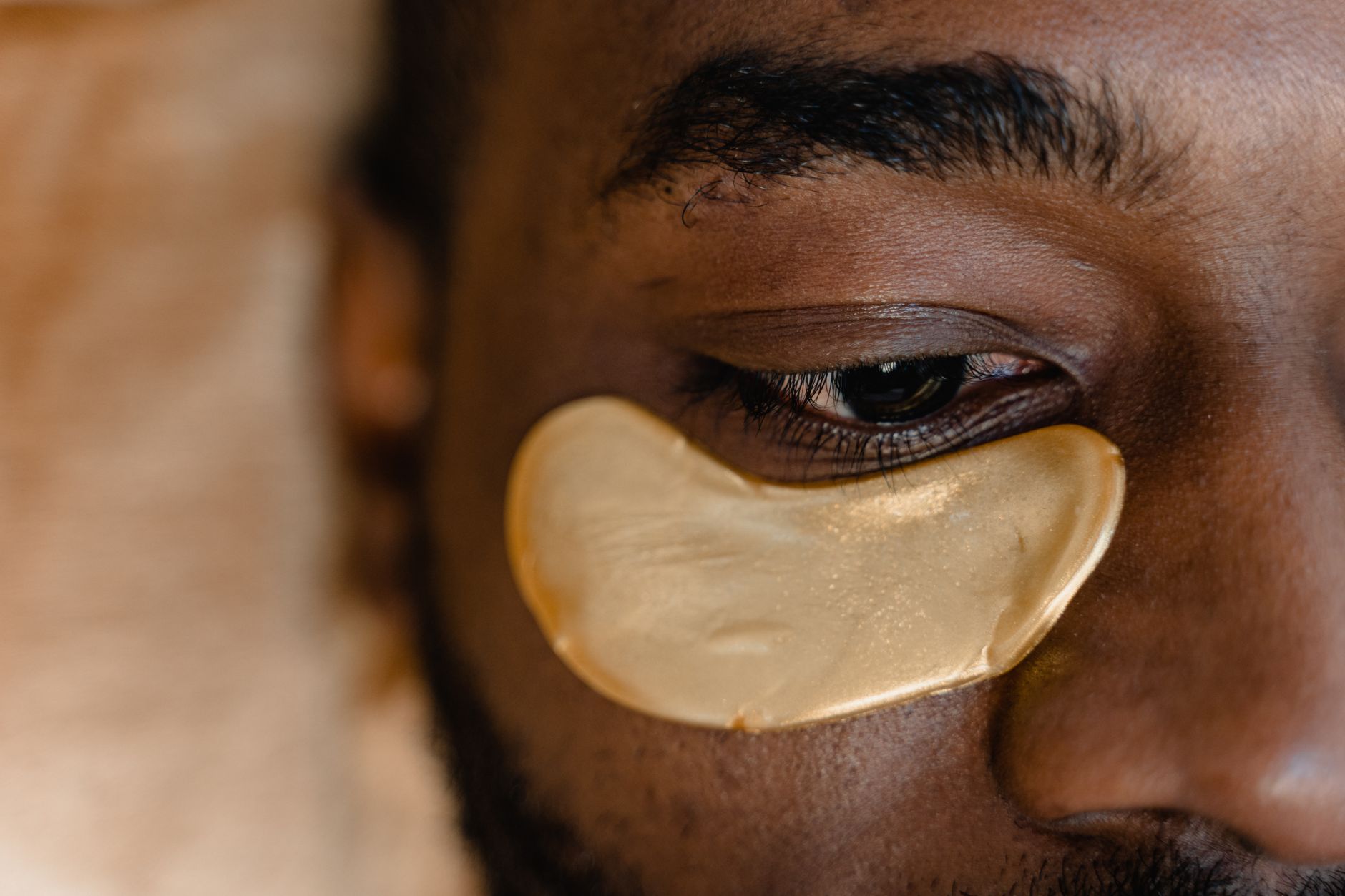
The skin around your eyes is thinner and shows aging faster. A peptide or caffeine eye cream can reduce puffiness, dark circles, and crow's feet. Apply gently with your ring finger.
Men's Anti-Aging Skincare Routine by Age
Your skin's needs change over time. Here's how to adapt your routine by decade.
| Age Group | Main Focus | Key Ingredients |
|---|---|---|
| 20s | Prevention, hydration, sun protection | SPF, vitamin C, niacinamide |
| 30s | Early correction, collagen support | Retinol, peptides, antioxidants |
| 40s | Firming, deeper wrinkles, hydration | Retinoids, peptides, hyaluronic acid |
| 50s+ | Barrier repair, intense hydration, texture | Ceramides, retinoids, rich moisturizers |
In your twenties, consistency matters more than intensity. Focus on sunscreen, cleansing, and light hydration. In your thirties, introduce retinol and eye care. From your forties onward, prioritize deeper hydration, barrier repair, and stronger retinoids under guidance.
Best Anti-Aging Ingredients for Men
Not every ingredient lives up to its marketing. The following are backed by dermatological research and worth including in your routine.
Retinol and Retinoids
Retinol is a form of vitamin A that increases cell turnover and stimulates collagen. It's one of the most effective topical ingredients for reducing fine lines, wrinkles, and uneven tone. It can cause dryness and irritation at first, so start slowly.
Vitamin C
A powerful antioxidant that neutralizes free radicals, brightens skin, and supports collagen production. L-ascorbic acid is the most studied form, though magnesium ascorbyl phosphate and ascorbyl glucoside are gentler alternatives.
Niacinamide
Also known as vitamin B3, niacinamide strengthens the skin barrier, reduces redness, minimizes pore appearance, and helps even skin tone. It's well tolerated by most skin types.
Hyaluronic Acid
This humectant draws water into the skin and plumps the appearance of fine lines. It works best when applied to damp skin and sealed with a moisturizer.
Peptides
Short chains of amino acids that signal the skin to produce more collagen. Peptides are gentle and pair well with retinol and antioxidants.
Sunscreen (Zinc Oxide, Titanium Dioxide, or Chemical Filters)
Daily SPF is non-negotiable. Mineral sunscreens are less irritating for sensitive skin, while chemical sunscreens often feel lighter and blend more easily.
Alpha Hydroxy Acids (AHAs)
Glycolic and lactic acids exfoliate the surface of the skin, improving texture, brightness, and product absorption. Use them at night and always wear sunscreen during the day.
Common Mistakes to Avoid
Even with the right products, mistakes can slow your progress or damage your skin. Avoid these common errors when building your men's anti-aging skincare routine.
Skipping Sunscreen
No anti-aging product can fully undo UV damage. If you use retinol, vitamin C, or acids without sunscreen, you're working against yourself. Make SPF the final step every morning.
Using Too Many Actives at Once
Piling on retinol, vitamin C, AHAs, and benzoyl peroxide together can cause irritation, peeling, and a damaged skin barrier. Introduce one active at a time and space them across your routine.
Neglecting the Neck and Eyes
The neck, chest, and eye area show aging early, yet many men skip them. Extend your products gently to these areas.
Over-Cleansing or Using Harsh Soaps
Washing your face multiple times a day with strong cleansers strips natural oils and weakens the barrier. Twice daily with a gentle cleanser is enough for most men.
Expecting Overnight Results
Anti-aging skincare requires consistency. Most people see noticeable improvement after eight to twelve weeks of regular use. Be patient and track your progress with photos.
Ignoring Lifestyle Factors
Skincare products can only do so much. Poor sleep, smoking, excessive alcohol, stress, and a diet low in antioxidants will show on your skin no matter how expensive your routine is.
Product Recommendations for Men's Anti-Aging Skincare
You don't need luxury products to see results. Focus on formulations that suit your skin type and contain proven ingredients. Here's a simple framework:
| Step | Product Type | What to Look For |
|---|---|---|
| Cleanse | Gentle face wash | Sulfate-free, pH-balanced |
| Treat AM | Vitamin C serum | 10-20% L-ascorbic acid or stable derivative |
| Moisturize AM/PM | Hydrating moisturizer | Hyaluronic acid, niacinamide, ceramides |
| Protect | Sunscreen SPF 30+ | Broad-spectrum, non-comedogenic |
| Treat PM | Retinol serum | 0.25%-1% retinol or prescription retinoid |
| Eye care | Eye cream | Peptides, caffeine, or retinol |
Start with a cleanser, moisturizer, and sunscreen. Add vitamin C in the morning and retinol at night once your skin is comfortable with the basics.
These practical tips can help you get more from your routine without adding extra steps.
- Be consistent, not perfect. A simple routine used every day beats an elaborate one used once a week.
- Apply products from thinnest to thickest. This helps each layer absorb properly.
- Wait between actives. Give serums a minute or two to absorb before layering moisturizer or sunscreen.
- Patch test new products. Apply a small amount to your jawline or inner arm for 24 to 48 hours before full use.
- Don't forget your lips. The lips age too. Use a hydrating lip balm, especially if you struggle with dryness. See our guide on how to get rid of dry lips for helpful remedies.
- Shave with care. Use a sharp razor, shaving cream or gel, and shave in the direction of hair growth to reduce irritation.
- Stay hydrated and eat well. Water, healthy fats, and antioxidant-rich foods support skin from the inside out.
- Get enough sleep. Aim for seven to nine hours. Your skin repairs itself most actively during deep sleep.
- Manage stress. Chronic stress increases cortisol, which can accelerate collagen breakdown and trigger inflammation.
Conclusion
A men's anti-aging skincare routine doesn't need to be complicated to be effective. By focusing on the essentials-cleansing, moisturizing, daily sunscreen, and one or two proven actives like vitamin C and retinol-you can protect your skin, slow visible aging, and feel more confident in your appearance. Start simple, stay consistent, and adjust your routine as your skin's needs change over time.
If you found this guide helpful, share it with a friend who could use a skincare upgrade. For more beauty and self-care tips, explore our articles on how to make your skin glow, beauty tips for face at home, and how to get clear skin. Your best skin is built one routine at a time.
Tags: men's skincare, anti-aging skincare, skincare routine for men, retinol for men, men's grooming, vitamin C serum, sunscreen for men, younger-looking skin
Categories: Beauty Tips & Tricks, Skin Care, Face Care
External Resources:
Frequently Asked Questions
References
Last updated
This article is for informational purposes only and does not constitute medical advice. Consult a licensed dermatologist or healthcare provider before starting any new treatment.
Beauty & Hair Care Editor
Ilma is a beauty editor who specializes in breaking down cosmetic ingredients, skincare routines, and hair care practices. Her work focuses on evidence-based guidance readers can trust and apply.
Comments (0)
Be the first to comment.
Related Articles
Skincare Routine for Men: A Simple Beginner's Guide
Discover an easy skincare routine for men that works. Learn the essential steps, best ingredients, and expert tips for healthier, clearer skin in minutes a day.

Skincare Fridges: Are They Actually Worth It?
Are skincare fridges worth buying? Learn which products actually benefit from cold storage, which don't, and if a mini fridge is worth the money.

Snail Mucin Benefits for Skin: What Science Says
Discover the science-backed snail mucin benefits skin, from deep hydration to barrier repair. Learn how to use it, what to avoid, and expert tips.

Sleep and Skin Health: Why Beauty Sleep Is Real
Discover how sleep and skin health are connected. Learn the science behind beauty sleep, skin repair at night, and how to build a bedtime routine for glowing skin.