 Funky Millions
Skincare Fridges: Are They Actually Worth It?
Are skincare fridges worth buying? Learn which products actually benefit from cold storage, which don't, and if a mini fridge is worth the money.

Quick summary
Key Takeaways
- A skincare fridge is essentially a mini fridge marketed for beauty storage, offering milder, more consistent cooling than a kitchen refrigerator.
- Light- and heat-sensitive actives like vitamin C and retinoids see the most genuine shelf-life benefit from refrigeration.
- A dedicated skincare fridge offers gentler, more consistent cooling than a kitchen fridge, reducing the risk of formulas becoming too cold or separating.
- Refrigeration meaningfully extends shelf life primarily for a specific category of light- and heat-sensitive actives, not for skincare products in general.
- A skincare fridge often serves as a catalyst for better overall storage habits, including attention to light and air exposure, even for the many products that do not require refrigeration itself.
- A dedicated door shelf in your existing refrigerator, combined with cool, dark cabinet storage for non-refrigerated products, can capture most of the practical benefits of a skincare fridge without an additional purchase.
Mini skincare fridges have become a popular bathroom and vanity accessory, promising to extend product shelf life and deliver a cooling, de-puffing sensation with every application. But do they actually make a meaningful difference, or are they mostly aesthetic? This guide breaks down which products genuinely benefit from refrigeration, which do not, and whether a dedicated skincare fridge is worth adding to your routine.
What Is a Skincare Fridge?
A skincare fridge is a small, often stylish mini refrigerator, typically holding between 4 and 20 liters, marketed specifically for storing beauty products at a cool, consistent temperature, generally somewhere between 40 and 50 degrees Fahrenheit. Unlike a full-size kitchen refrigerator, these units are designed with gentler cooling and a more controlled, consistent temperature intended to be less harsh than standard refrigeration.
Why People Refrigerate Skincare
The main appeals of refrigerating skincare are:
- A cooling, soothing sensation on application, especially appealing for puffiness or hot weather
- A perceived (and sometimes real) extension of shelf life for certain ingredients
- Slower degradation of light- and heat-sensitive actives
- An aesthetic, organized display for a beauty collection
Products That Actually Benefit From Cold Storage
Certain product categories genuinely benefit from cool storage:
- Vitamin C serums, since ascorbic acid degrades faster at room temperature and with light exposure
- Retinoids, which can lose potency when exposed to heat over time
- Eye creams and gel-based products, which benefit from the immediate cooling, de-puffing sensation even if shelf-life benefit is minimal
- Natural, preservative-free products (like some DIY or small-batch formulas), which can be more prone to bacterial growth at room temperature
- Sheet masks, which many people prefer chilled purely for the sensory experience
Our guide on vitamin C serum for beginners covers how to store and use this particularly light- and heat-sensitive ingredient.
Products That Don't Need Refrigeration
Most modern skincare products are formulated with stabilizers and preservatives specifically designed to maintain efficacy at normal room temperature. This includes:
- Most moisturizers with standard preservative systems
- Sunscreen, which is formulated to remain stable across a range of temperatures
- Cleansers
- Most serums with stable, well-preserved formulations (hyaluronic acid, niacinamide)
Refrigerating these products will not harm them, but it also will not provide a meaningful efficacy benefit beyond the cooling sensation on application.
Products That Should Never Be Refrigerated
- Oil-based products, since cold temperatures can cause some oils to solidify, separate, or become difficult to dispense
- Products explicitly labeled to avoid refrigeration by the manufacturer, since some formulations can destabilize or separate at consistently cold temperatures
- Sunscreen you plan to apply immediately before sun exposure, since very cold sunscreen can feel unpleasant and may take longer to spread evenly
Skincare Fridge vs. Regular Refrigerator
| Feature | Skincare Fridge | Regular Kitchen Fridge |
|---|---|---|
| Temperature range | Milder, typically 40-50°F | Colder, typically 35-38°F |
| Consistency | Designed for stable, gentle cooling | Can fluctuate with frequent opening |
| Risk of extreme cold damaging formulas | Lower | Higher, particularly near the back or freezer compartment |
| Aesthetic/display purpose | Designed for it | Not designed for it |
| Practical necessity | Optional | N/A |
Comparison Table: What to Chill and What to Skip
| Product Type | Refrigerate? | Reason |
|---|---|---|
| Vitamin C serum | Yes | Slows oxidation and degradation |
| Retinoid | Yes | Reduces heat-related potency loss |
| Eye cream/gel | Optional | Sensory benefit; minimal shelf-life impact for most formulas |
| Sheet masks | Optional | Sensory benefit only |
| Sunscreen | No | Formulated for room-temperature stability |
| Standard moisturizer | No | Formulated for room-temperature stability |
| Facial oils | No | Cold can cause separation or solidifying |
| Preservative-free/DIY products | Yes | Higher bacterial growth risk at room temperature |
The Real Benefits of Cold Skincare
Beyond shelf life, the immediate cooling sensation genuinely has some real, though temporary, effects:
- Constricts blood vessels briefly, which can reduce the appearance of puffiness, particularly under the eyes
- Provides a soothing sensation for irritated or overheated skin, such as after sun exposure
- Can feel refreshing in hot climates or during summer months
These benefits are real but short-lived, generally lasting only as long as the product remains cool on the skin, rather than providing lasting change.
Do Skincare Fridges Extend Shelf Life?
For light- and heat-sensitive actives like vitamin C and certain retinoids, yes, refrigeration can meaningfully slow degradation and extend how long the product remains effective. For most other well-preserved, stable formulas, the shelf-life extension from refrigeration is minimal to negligible, since these products are already designed to remain stable at room temperature for their intended shelf life.
Skincare Fridges as Part of a Broader Skincare Storage Strategy
Beyond the specific question of refrigeration, a skincare fridge often prompts people to think more holistically about how they store their entire collection, which can have benefits independent of the cooling itself.
Proper skincare storage generally follows three key principles regardless of temperature: minimizing light exposure, minimizing heat exposure, and minimizing air exposure once a product has been opened. A skincare fridge naturally addresses the heat component for whatever it holds, but the light and air principles apply just as much to products stored outside the fridge. Opaque or dark-tinted packaging, tightly sealed caps, and pump dispensers that limit air exposure all help preserve product efficacy regardless of temperature.
Many people who invest in a skincare fridge also end up reorganizing their broader collection as part of the process, discarding expired products, consolidating near-empty bottles, and becoming more conscious of expiration dates in general. This organizational side effect, while not the primary function of the fridge itself, is a genuine practical benefit that can extend to a person's entire routine, not just the handful of products that benefit from actual refrigeration.
Are Skincare Fridges Worth the Money?
This depends on your priorities. If you:
- Use vitamin C or retinoid products regularly and want to maximize their potency
- Enjoy the cooling, de-puffing sensation as part of your routine
- Want an organized, dedicated storage space for your collection
...a skincare fridge can be a reasonable investment. If your routine consists mostly of stable, well-preserved products and you are not particularly drawn to the cooling sensation, a skincare fridge is more of an aesthetic purchase than a functional necessity, and your regular refrigerator's door shelf can serve the same purpose for the few products that do benefit from cold storage.
Building a Smart Storage System Without a Dedicated Fridge
If you have decided a dedicated skincare fridge is not worth the investment for your routine, you can still capture most of the practical benefits with a bit of intentional organization using what you already have at home.
Designate a specific door shelf or bin in your kitchen refrigerator exclusively for skincare, separate from food items, to avoid cross-contamination concerns and make products easy to find. The refrigerator door tends to have a slightly milder temperature than the deeper interior shelves, which makes it a reasonably good substitute for a dedicated skincare fridge's gentler cooling range.
For products you do not want to refrigerate but still want to protect from heat and light, a cabinet drawer away from bathroom humidity and direct sunlight is generally a better choice than a shelf near a window or a surface that gets warm from styling tools like hair dryers. Many people default to keeping all skincare on an open bathroom counter for convenience, but bathrooms are frequently the warmest, most humid room in a home due to showers, which can accelerate degradation of heat-sensitive products even without any conscious choice to skip refrigeration.
For the specific case of vitamin C, some people find it more practical to buy smaller bottle sizes that will be used up within six to eight weeks, rather than relying entirely on refrigeration to extend the life of a large bottle that will take many months to finish, since even refrigerated vitamin C degrades gradually over time.
Common Mistakes to Avoid
Refrigerating Oil-Based Products
This can cause separation or solidifying that changes the product's texture and application, sometimes permanently.
Assuming All Skincare Needs Refrigeration
Most modern products are formulated to remain stable and effective at room temperature, making refrigeration unnecessary for the majority of your routine.
Storing Sunscreen in the Fridge Long-Term Without Checking the Label
While not harmful for most sunscreens, always check manufacturer guidance, since some specific formulas may not be intended for refrigeration.
Overpaying for a Skincare Fridge When Only a Few Products Benefit
If only one or two products in your routine benefit from cold storage, a small dedicated fridge may not be a worthwhile investment compared to your regular refrigerator's door.
- Store vitamin C and retinoids in the coldest, most stable part of your storage, away from light exposure, to maximize their shelf life.
- Keep oils and heavier balms at room temperature in a cool, dark cabinet instead of the fridge.
- Use chilled eye cream or a jade roller kept in the fridge for a quick de-puffing routine before events.
- Check expiration dates regularly, since refrigeration slows but does not eliminate degradation over time.
Conclusion
Skincare fridges are not a necessity for most routines, but they are not purely marketing hype either. Light- and heat-sensitive products like vitamin C serums and retinoids genuinely benefit from cool, consistent storage, while most other well-preserved skincare products remain stable at room temperature regardless. Whether a dedicated skincare fridge is worth it comes down to how many of your products fall into that benefiting category, and whether you value the cooling application sensation as part of your routine.
For more on storing and using specific light-sensitive actives, see our guide on vitamin C serum for beginners.
Category: Skin Care
Tags: skincare fridge, product storage, vitamin C serum, retinoid storage, skincare shelf life, beauty fridge, cold skincare, de-puffing, skincare organization, product preservation
Frequently Asked Questions
References
Last updated
This article is for informational purposes only and does not constitute medical advice. Consult a licensed dermatologist or healthcare provider before starting any new treatment.
Beauty & Hair Care Editor
Ilma is a beauty editor who specializes in breaking down cosmetic ingredients, skincare routines, and hair care practices. Her work focuses on evidence-based guidance readers can trust and apply.
Comments (0)
Be the first to comment.
Related Articles
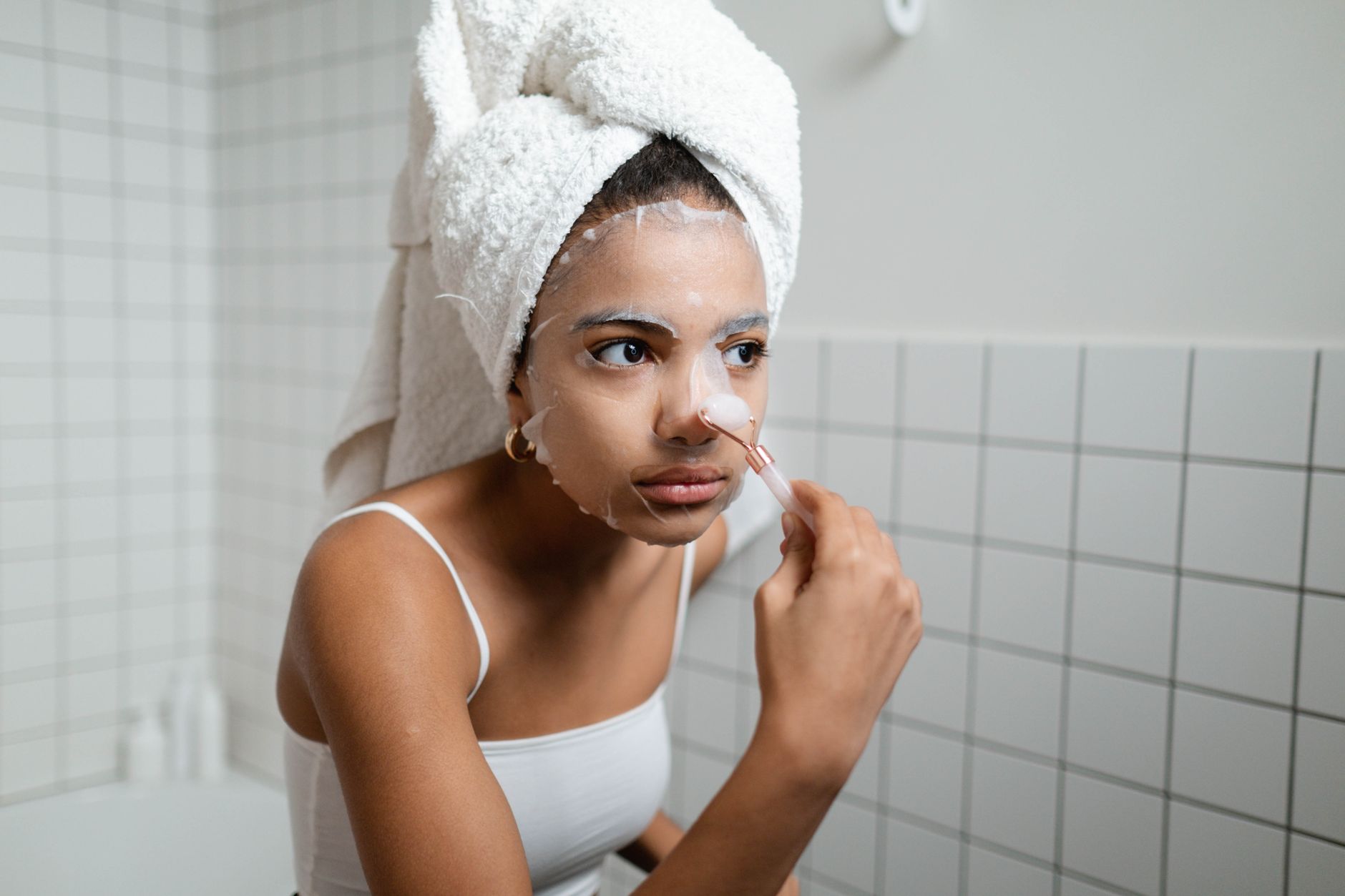
Skincare and Massage Tips for a More Defined Jawline
Explore realistic skincare, massage, and lifestyle techniques for a more defined jawline, plus what actually works versus common myths.
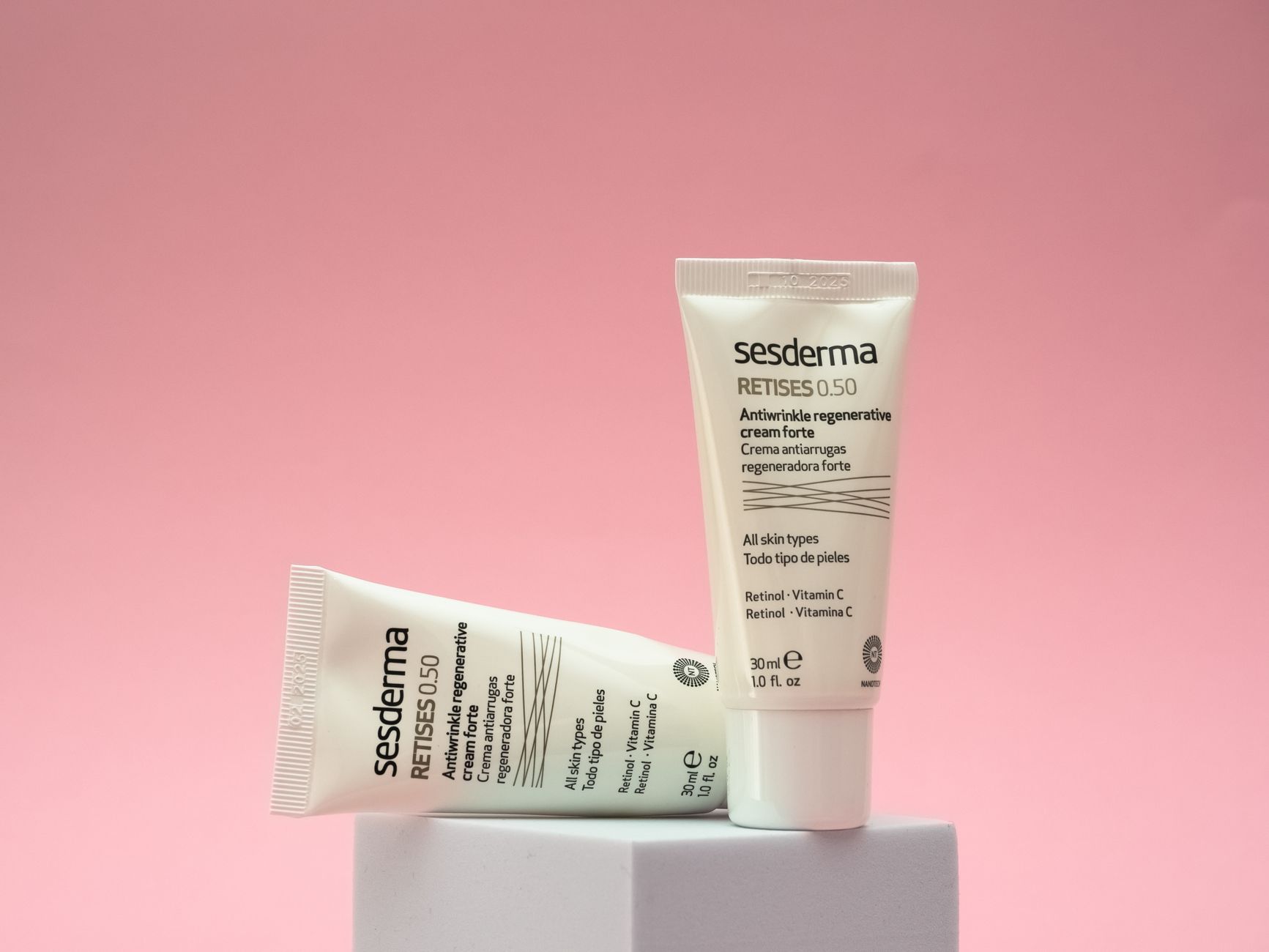
Anti-Aging Skincare Routine in Your 30s: A Science-Backed Guide
Build an effective anti aging skincare routine 30s with proven ingredients, step-by-step routines, and expert tips to reduce fine lines and keep skin glowing.
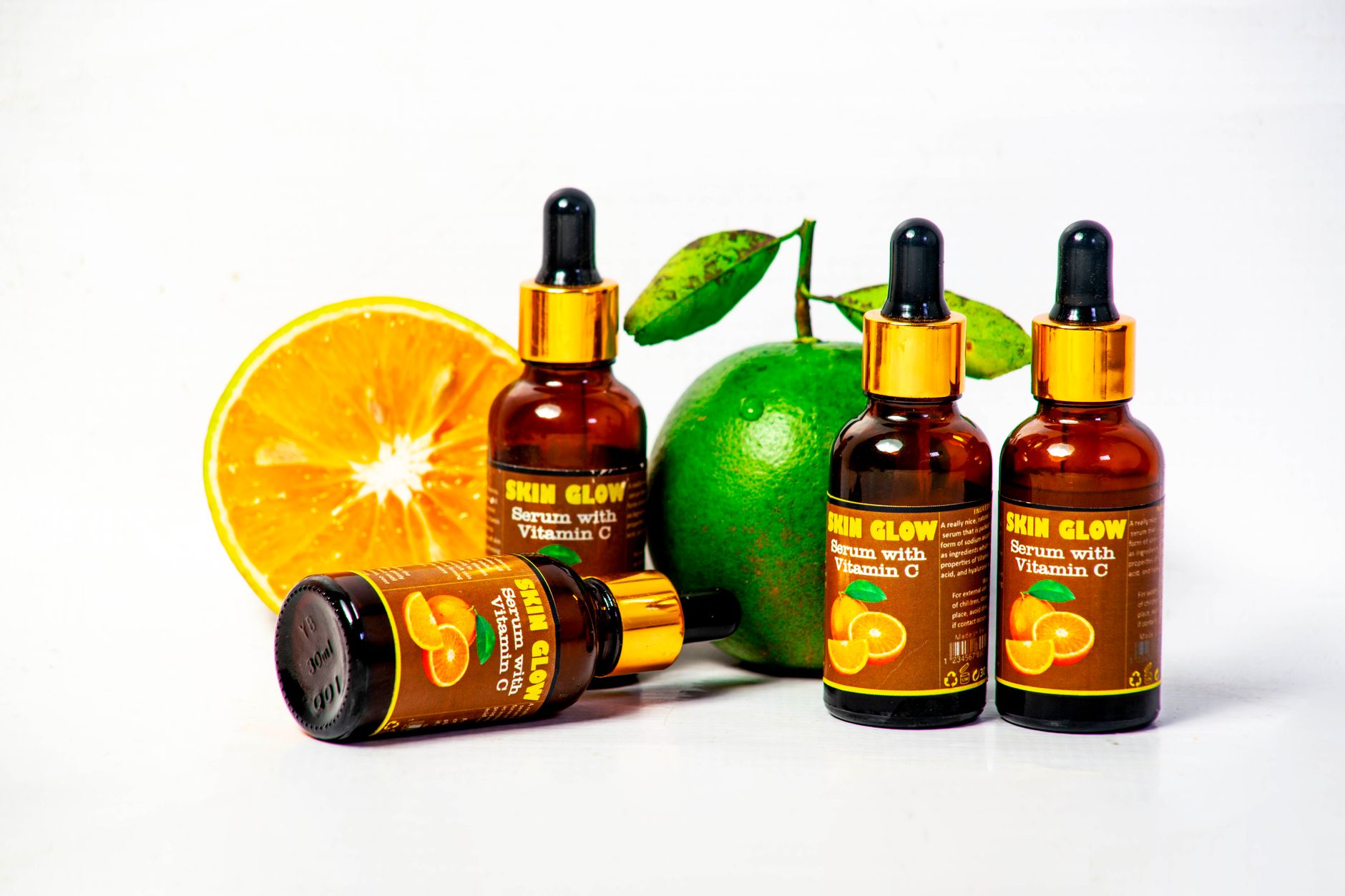
Vitamin C Serum for Beginners: Benefits and How to Use
Discover the best vitamin C serum for beginners, from key benefits and how to apply it to common mistakes and expert tips for brighter, healthier skin.

Men's Anti-Aging Skincare Routine: A Simple Guide for Younger-Looking Skin
Build the best men's anti-aging skincare routine with proven steps, ingredients, and expert tips to reduce wrinkles, fine lines, and dullness for healthier, younger-looking skin.