 Funky Millions
Vitamin C Serum for Beginners: Benefits and How to Use
Discover the best vitamin C serum for beginners, from key benefits and how to apply it to common mistakes and expert tips for brighter, healthier skin.
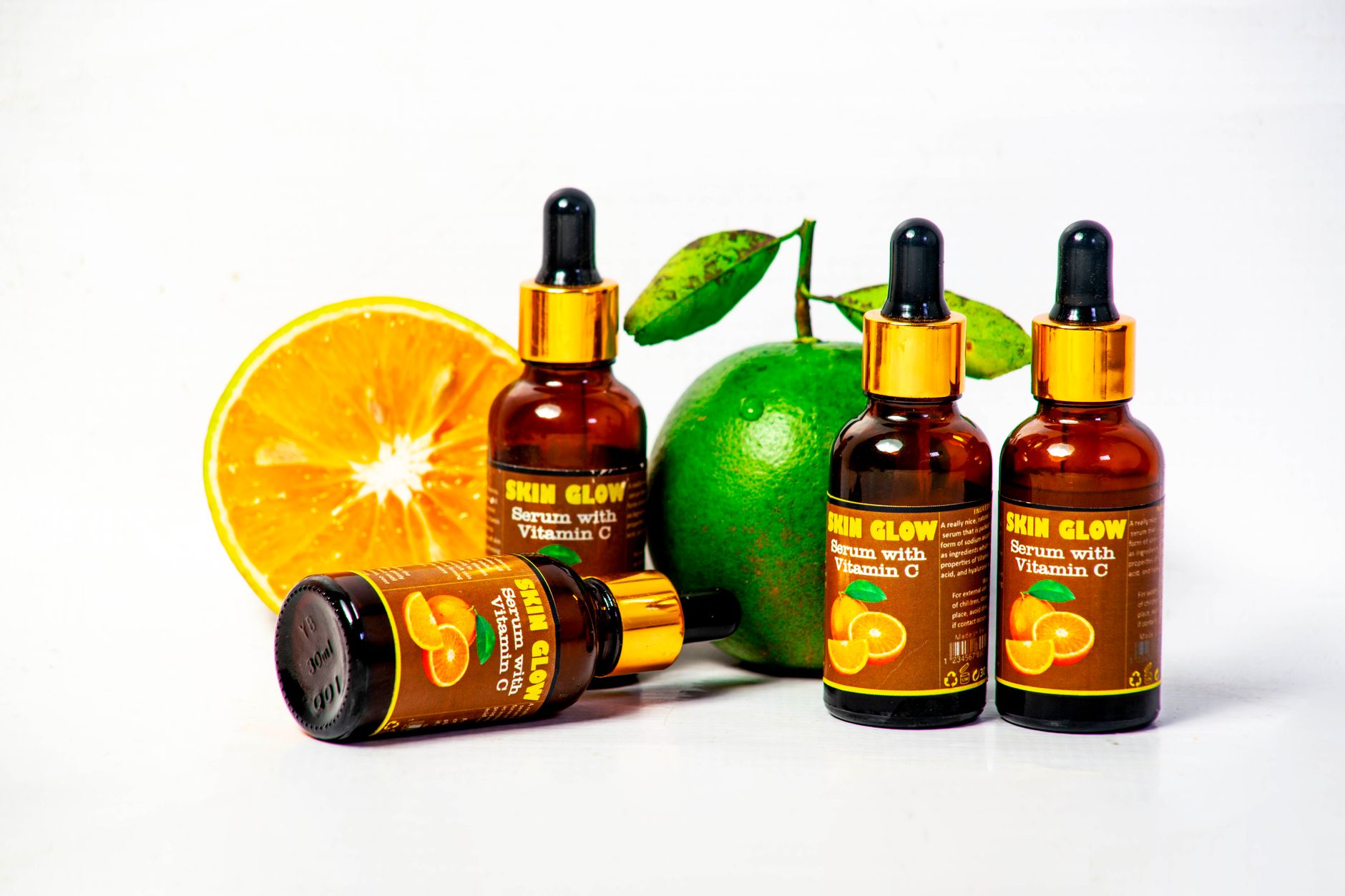
Quick summary
Key Takeaways
- A vitamin C serum is a concentrated antioxidant treatment that brightens skin, supports collagen, and defends against environmental damage.
- Vitamin C is a beginner-friendly active that brightens, fades spots, supports collagen, and works well with sunscreen.
- Vitamin C brightens, fades dark spots, supports collagen, protects against environmental damage, calms redness, and smooths texture.
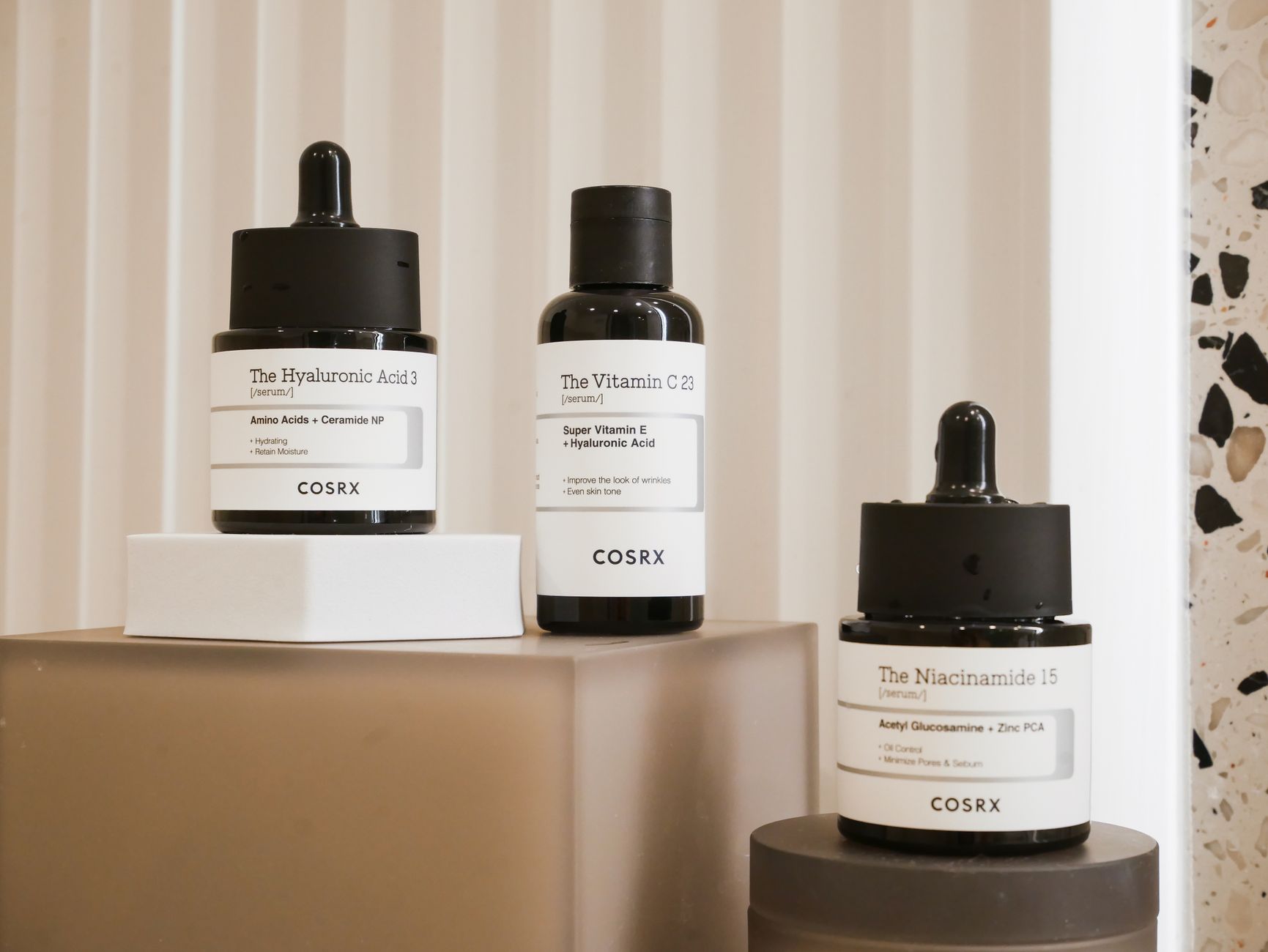
- Beginners should choose a stable, low-concentration vitamin C serum in protective packaging, ideally with supporting ingredients like vitamin E or hyaluronic acid.
- Apply vitamin C serum after cleansing, before moisturizer, and always follow with sunscreen in the morning.
- Start low, use sunscreen, check for oxidation, introduce actives slowly, and stay consistent.
- Patch test, store correctly, pair with SPF, and give your routine time to work.
- Beginners should prioritize stable vitamin C derivatives, transparent labeling, and protective packaging over price or brand hype.
- Vitamin C brightens and protects, while other actives target aging, acne, or hydration. Pair them thoughtfully.
If you are new to skincare, choosing your first active ingredient can feel overwhelming. A vitamin C serum for beginners is one of the safest and most rewarding places to start. This powerhouse antioxidant brightens dull skin, fades dark spots, and helps protect against environmental damage. Whether you are building a minimalist routine or adding a targeted treatment, learning how to use vitamin C serum correctly will help you see results without irritation.
In this guide, you will learn exactly what vitamin C serum is, why it matters, how to introduce it into your routine, and which beginner-friendly formulas work best. We will also cover common mistakes, expert tips, and answers to the most frequently asked questions. By the end, you will feel confident picking a vitamin C serum that fits your skin and your lifestyle.
What Is Vitamin C Serum?
A vitamin C serum is a lightweight liquid or gel-based skincare product that delivers a concentrated form of vitamin C directly to the skin. The most effective and well-researched form is L-ascorbic acid, though beginner formulas often use gentler derivatives such as sodium ascorbyl phosphate, ascorbyl glucoside, or magnesium ascorbyl phosphate.
Vitamin C is a water-soluble antioxidant. That means it helps neutralize free radicals, which are unstable molecules produced by sun exposure, pollution, and daily stress. When left unchecked, free radicals break down collagen and trigger inflammation, leading to premature aging and uneven skin tone.
Why Vitamin C Serum Matters for Beginners
Starting with a vitamin C serum for beginners gives your skin a gentle but effective introduction to active ingredients. Unlike stronger acids or retinoids, many vitamin C formulas are well tolerated and provide visible results within a few weeks.
The main reasons beginners should consider vitamin C include:
- Brightening: It reduces dullness and helps restore a natural glow.
- Dark spot fading: It inhibits melanin production, which can lighten post-acne marks and sun spots.
- Collagen support: It plays a role in collagen synthesis, helping skin look firmer over time.
- Sun damage defense: It boosts the effectiveness of sunscreen by neutralizing free radicals.
- Gentle entry point: Lower concentrations and stable derivatives make it suitable for sensitive skin.
If you are already following basic steps like cleansing and moisturizing, adding a vitamin C serum is a simple upgrade with strong returns. For more ways to improve your complexion, see our guide on how to make your skin glow.
Top Benefits of Vitamin C Serum
Understanding what vitamin C actually does will help you set realistic expectations and use it consistently.
1. Brightens a Dull Complexion
Vitamin C interferes with tyrosinase, the enzyme responsible for melanin production. With regular use, skin looks more radiant and even-toned. Many beginners notice a healthier glow within two to four weeks.
2. Fades Hyperpigmentation and Dark Spots
Post-acne marks, melasma, and sun spots can all respond to vitamin C. It does not bleach the skin; instead, it gradually reduces excess pigment by slowing melanin formation.
3. Supports Collagen Production
Collagen is the protein that keeps skin firm and smooth. Vitamin C is a necessary cofactor for collagen synthesis, which means it helps your skin maintain structure as you age.
4. Protects Against Environmental Stress
Daily exposure to UV rays and pollution creates oxidative stress. Vitamin C neutralizes free radicals and may reduce the damage caused by sun exposure when used alongside sunscreen.
5. Reduces Redness and Inflammation
Some studies suggest vitamin C has anti-inflammatory properties, which can help calm redness and support a more even skin tone.
6. Improves Skin Texture
By promoting cell turnover and collagen support, vitamin C can make skin feel smoother and look more refined over time.
How to Choose a Vitamin C Serum for Beginners
Not all vitamin C serums are created equal. Beginners should look for stable, gentle formulas with clear concentration labeling.
Concentration Guidelines
| Experience Level | Recommended Concentration | What to Expect |
|---|---|---|
| Complete beginner | 5% – 10% | Minimal irritation, slower but steady brightening |
| Some skincare experience | 10% – 15% | Faster results with manageable tingling |
| Experienced user | 15% – 20% | Strong results; higher risk of sensitivity |
For your first vitamin C serum for beginners, start at 10% or lower unless your skin is very resilient.
Forms of Vitamin C
| Form | Best For | Notes |
|---|---|---|
| L-ascorbic acid | Advanced users, fast results | Most potent but unstable and can irritate |
| Sodium ascorbyl phosphate | Beginners, acne-prone skin | Stable, gentle, and well tolerated |
| Ascorbyl glucoside | Sensitive skin | Slow-release, less irritation |
| Magnesium ascorbyl phosphate | Dry or sensitive skin | Hydrating and stable |
| Tetrahexyldecyl ascorbate | All skin types | Oil-soluble, penetrates well, gentle |
Packaging Matters
Vitamin C degrades when exposed to light and air. Look for:
- Opaque or amber glass bottles
- Airless pumps or dropper bottles that seal tightly
- Formulas with stabilizers like vitamin E, ferulic acid, or glutathione
A yellow or brown tint usually means the product has oxidized and lost potency.
Ingredient Pairings to Look For
- Vitamin E and ferulic acid: Improve stability and double antioxidant protection.
- Hyaluronic acid: Adds hydration and reduces irritation.
- Niacinamide: Works well with many vitamin C forms, though some people prefer to use them at different times of day.
If you are dealing with acne alongside dullness, you might also explore our article on salicylic acid acne treatment to build a balanced routine.
How to Use Vitamin C Serum: Step-by-Step Routine
Adding vitamin C to your routine is simple once you know the order. Use it in the morning for the best antioxidant protection, or at night if your skin is sensitive.
Morning Routine with Vitamin C
- Cleanse your face with a gentle, pH-balanced cleanser.
- Pat skin dry with a clean towel. Do not rub.
- Apply vitamin C serum to slightly damp or dry skin. Use 3–5 drops for the whole face.
- Wait 1–2 minutes to let it absorb.
- Apply moisturizer to lock in hydration.
- Finish with sunscreen SPF 30 or higher. This step is essential because vitamin C supports sun protection but does not replace it.
Evening Routine Alternative
If your skin is reactive, you can use vitamin C at night instead:
- Cleanse and dry your face.
- Apply vitamin C serum.
- Follow with a nourishing moisturizer.
- Skip retinol or strong acids on the same night if you are just starting out.
Application Tips
- Start with 2–3 times per week and increase to daily use as tolerated.
- Apply to the face, neck, and chest since these areas show aging too.
- Avoid the eye area unless the product is specifically formulated for it.
- Always do a patch test on your inner arm or behind the ear before full facial use.
For a solid foundation, read our post on how to get clear skin to pair vitamin C with the right basics.
Common Mistakes Beginners Make
Even the best vitamin C serum for beginners will not work if it is used incorrectly. Avoid these common pitfalls.
1. Starting With Too High a Concentration
Jumping straight to 20% L-ascorbic acid can cause stinging, redness, and peeling. Begin lower and build tolerance.
2. Skipping Sunscreen
Vitamin C is not a substitute for SPF. Without sunscreen, UV damage continues and may counteract your results.
3. Using Oxidized Product
If your serum has turned dark orange or brown, it has oxidized and is no longer effective. Store it in a cool, dark place.
4. Layering Too Many Actives Too Soon
Combining vitamin C with retinol, AHAs, or BHAs from day one can overwhelm the skin. Introduce one active at a time.
5. Inconsistent Use
Results take time. Most people see noticeable improvement after 8–12 weeks of regular use.
6. Applying to Wet Skin
Excess water can dilute the serum and cause it to penetrate unevenly. Pat skin dry first.
Ingredient and Product Recommendations for Beginners
Choosing your first product does not require a big budget. Focus on the ingredient list rather than marketing claims.
Beginner-Friendly Ingredients to Look For
- Sodium ascorbyl phosphate 5%–10%
- Magnesium ascorbyl phosphate 5%–10%
- Ascorbyl glucoside 2%–5%
- Tetrahexyldecyl ascorbate 1%–3%
What to Avoid
- Fragrance-heavy formulas if you have sensitive skin
- Clear dropper bottles exposed to light for long periods
- Products without concentration information
- Very low pH L-ascorbic acid if you are prone to irritation
Budget vs. Premium Options
| Budget Range | What You Can Expect |
|---|---|
| Under $20 | Basic stable derivatives, smaller sizes, simpler formulas |
| $20 – $40 | Mid-range formulas with added hyaluronic acid or niacinamide |
| $40+ | Higher concentrations, advanced stabilization, luxury textures |
For extra radiance without makeup, check out our beauty tips without makeup for a natural glow routine.
Vitamin C Serum vs. Other Popular Skincare Ingredients
Knowing how vitamin C compares to other actives helps you build a routine without redundancy.
| Ingredient | Main Benefit | Best Paired With | Use Caution With |
|---|---|---|---|
| Vitamin C | Brightening, antioxidant protection | Vitamin E, ferulic acid, hyaluronic acid, sunscreen | High-strength retinol, strong acids if layered together |
| Retinol | Anti-aging, cell turnover | Peptides, niacinamide | Strong acids, benzoyl peroxide, too many actives |
| Niacinamide | Barrier support, pore refining | Hyaluronic acid, ceramides | Some prefer to separate from pure L-ascorbic acid |
| Salicylic acid | Exfoliation, acne control | Niacinamide, lightweight moisturizers | Other strong acids, harsh scrubs |
| Hyaluronic acid | Hydration, plumping | Almost everything | Very dry environments without a moisturizer on top |
If breakouts are your main concern, our post on how to get rid of pimples can help you decide whether to treat acne first or alongside vitamin C.
Credible External Resources
- American Academy of Dermatology: Skin Care Basics
- Cleveland Clinic: The Benefits of Vitamin C for Your Skin
These practical tips will help you get the most from your vitamin C serum for beginners.
- Patch test first. Wait 24 hours after applying a small amount to check for reactions.
- Store it properly. Keep the bottle away from direct sunlight and heat.
- Use it within three months. Even stable formulas lose potency over time after opening.
- Pair with sunscreen. The combination offers stronger protection than either alone.
- Be patient. Brightening and spot fading take weeks, not days.
- Simplify your routine. Vitamin C works best when your routine is consistent rather than overloaded.
- Listen to your skin. If you notice burning, peeling, or persistent redness, reduce frequency or switch to a gentler derivative.
If your skin barrier feels irritated, our guide on repair damaged skin barrier can help you restore balance before adding more actives.
Conclusion
A vitamin C serum for beginners is one of the easiest ways to brighten your complexion, fade dark spots, and protect your skin from daily damage. Start with a low concentration, choose a stable formula, and apply it consistently after cleansing and before moisturizer. Do not forget sunscreen, patience, and listening to your skin.
If you found this guide helpful, share it with a friend who is starting their skincare journey. For more tips on building a radiant routine, explore our articles on how to make your skin glow, how to get clear skin, and beauty tips without makeup.
Tags: vitamin C serum, beginner skincare, brightening serum, antioxidant skincare, dark spots, hyperpigmentation, morning skincare routine, glowing skin, skin care tips
Categories: Skin Care, Face Care, Beauty Tips & Tricks
Frequently Asked Questions
Last updated
This article is for informational purposes only and does not constitute medical advice. Consult a licensed dermatologist or healthcare provider before starting any new treatment.
Beauty & Hair Care Editor
Ilma is a beauty editor who specializes in breaking down cosmetic ingredients, skincare routines, and hair care practices. Her work focuses on evidence-based guidance readers can trust and apply.
Comments (0)
Be the first to comment.
Related Articles
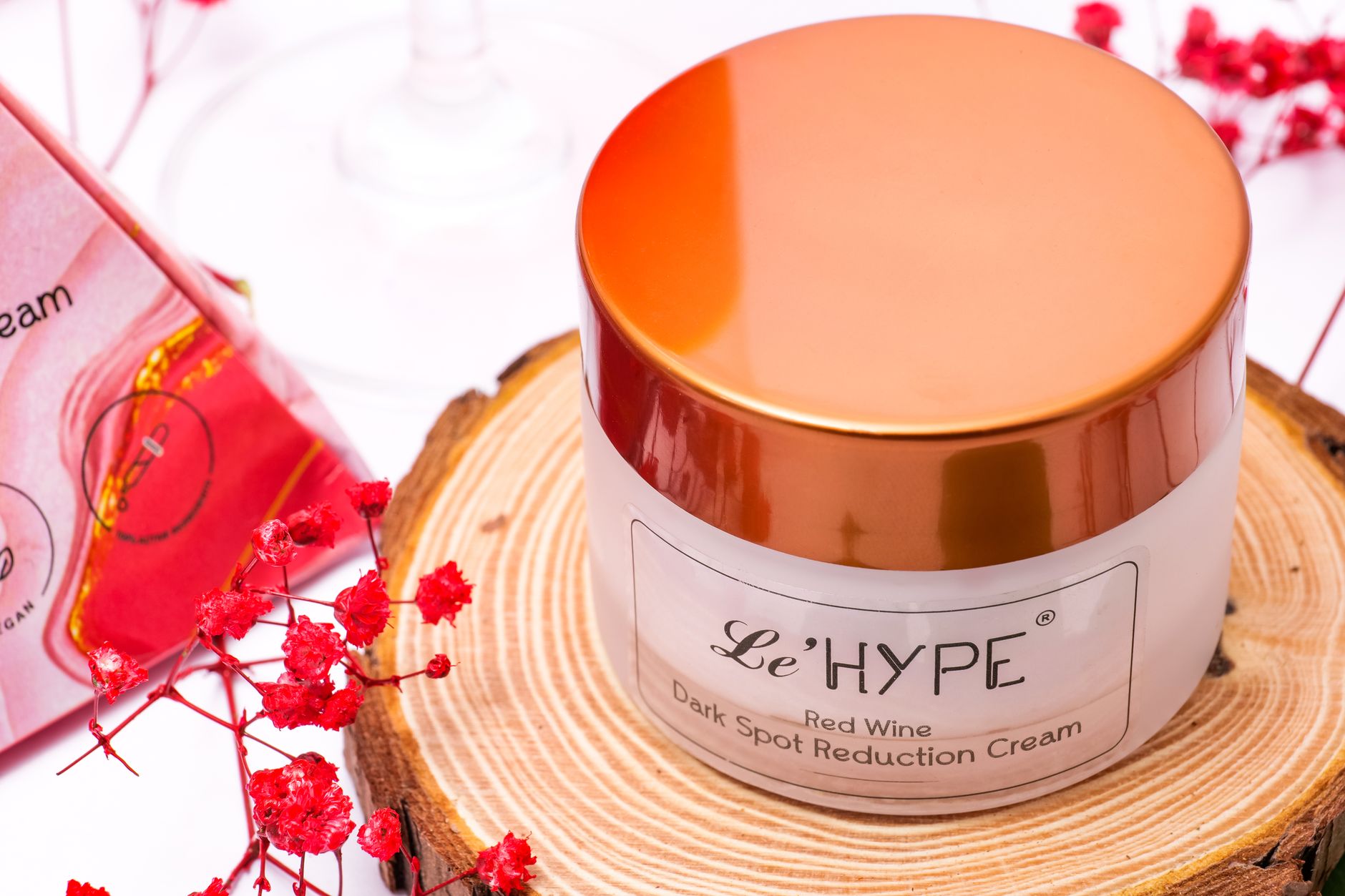
Alpha Arbutin for Dark Spots: Does It Work?
Discover whether alpha arbutin for dark spots really works. Learn how this gentle brightener fades hyperpigmentation, how to use it, and what results to expect.
Minimalist Skincare Routine for Beginners: A Simple 5-Step Guide
Discover how to build a minimalist skincare routine for beginners with just 5 simple steps. Save time, money, and achieve healthier skin without the overwhelm.
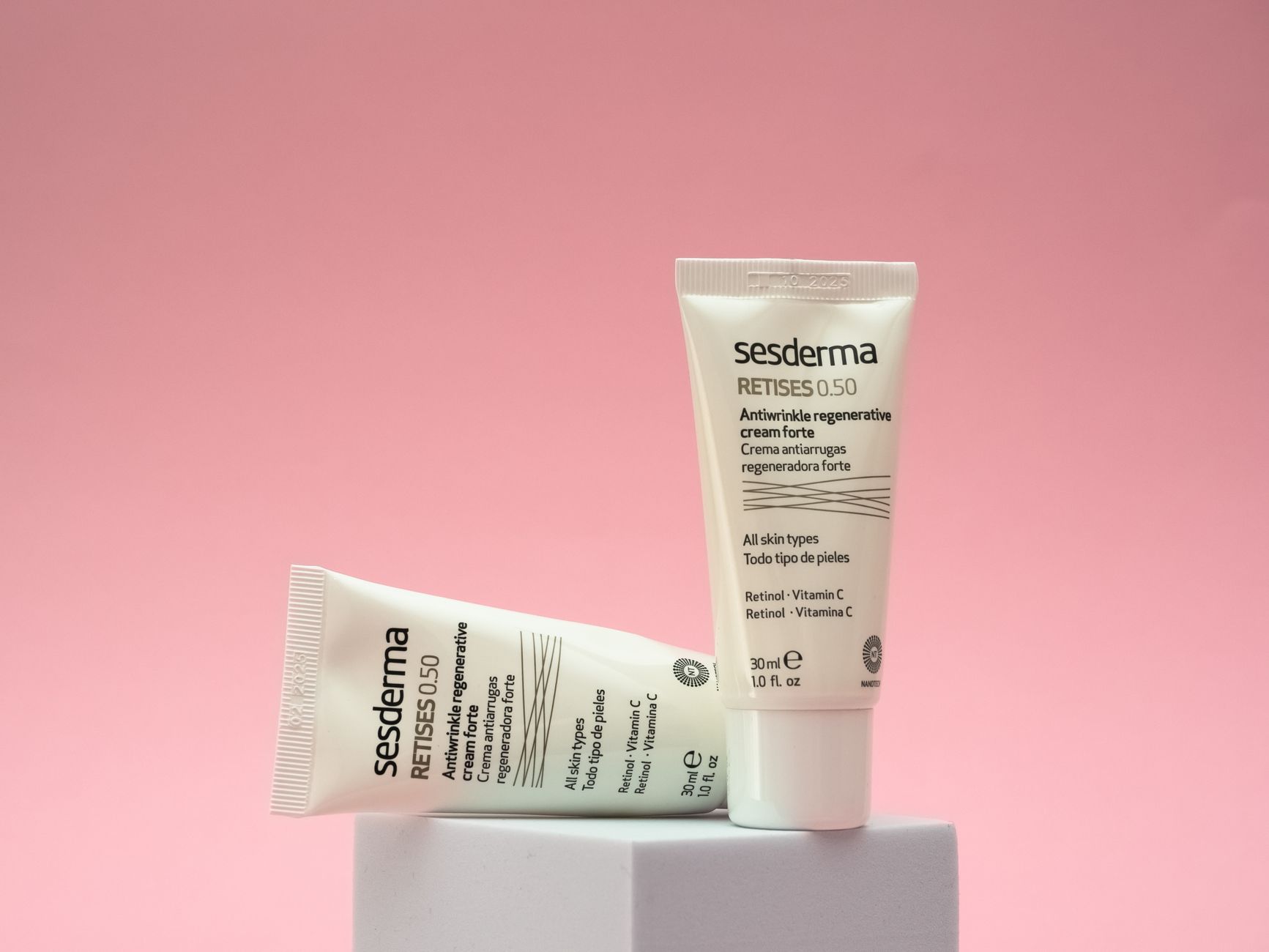
Anti-Aging Skincare Routine in Your 30s: A Science-Backed Guide
Build an effective anti aging skincare routine 30s with proven ingredients, step-by-step routines, and expert tips to reduce fine lines and keep skin glowing.
Mandelic Acid: The Best Acid for Sensitive Skin
Discover the top mandelic acid benefits for sensitive skin, how to use it safely, product tips, and expert advice for a smoother, brighter complexion.