Funky Millions
Alpha Arbutin for Dark Spots: Does It Work?
Discover whether alpha arbutin for dark spots really works. Learn how this gentle brightener fades hyperpigmentation, how to use it, and what results to expect.
Quick summary
Key Takeaways
- Alpha arbutin is a gentle, plant-derived brightening ingredient that helps fade dark spots by slowing down melanin production. It is the safer, more stable cousin of hydroquinone.
- Alpha arbutin fades dark spots by blocking tyrosinase, the enzyme your skin uses to make melanin. It brightens without completely shutting down pigment production.
- Alpha arbutin fades dark spots, brightens skin, prevents new discoloration, and is gentle enough for daily, long-term use.
- Alpha arbutin is milder than hydroquinone and retinoids but more targeted than general brighteners like vitamin C. It is ideal for sensitive or pigmentation-prone skin.
- Use alpha arbutin once or twice daily after cleansing and before moisturizing. Always finish your morning routine with sunscreen.
- Expect visible results in 8 to 12 weeks, with continued improvement over 3 to 6 months. Consistency is more important than concentration.
- A 2% alpha arbutin serum is the sweet spot for most people: effective, gentle, and well-tolerated.
- Avoid skipping sunscreen, over-exfoliating, and expecting instant results. Patch test new products and keep your routine simple and consistent.
- Combine alpha arbutin with niacinamide, vitamin C, and daily sunscreen for faster, more visible brightening results.
- Choose a 2% alpha arbutin serum from a reputable brand, ideally combined with hydrating ingredients and packaged to maintain stability.
- Alpha arbutin is suitable for most skin types, especially sensitive skin and anyone dealing with acne marks, sun spots, or melasma.
- Alpha arbutin is generally safe and well-tolerated. Patch test new products and avoid excessive concentrations or over-layering actives.
If you are tired of stubborn dark spots, post-acne marks, and uneven skin tone, you have probably heard about alpha arbutin for dark spots. This gentle ingredient is everywhere in skincare right now, but does it actually work? In short, yes. Alpha arbutin is one of the most effective and well-tolerated skin-brightening agents available today. It helps fade hyperpigmentation by slowing melanin production, and it does so without the irritation commonly linked to stronger actives. Whether your dark spots come from sun damage, hormonal changes, or old blemishes, alpha arbutin could be the solution your routine has been missing.
In this guide, you will learn exactly what alpha arbutin is, how it works on a cellular level, how to use it safely, and how long it takes to see visible results. We will also cover common mistakes, expert tips, product recommendations, and how it compares to other brightening ingredients. By the end, you will know whether alpha arbutin deserves a place in your skincare shelf.
What Is Alpha Arbutin?
Alpha arbutin is a naturally derived skin-brightening compound. It comes from the bearberry plant (Arctostaphylos uva-ursi), though it can also be made synthetically in a lab for stability and purity. Chemically, it is a glycosylated form of hydroquinone, but it works much more gently than hydroquinone itself.
Unlike hydroquinone, which can be harsh and is sometimes restricted or prescription-only, alpha arbutin is widely available in over-the-counter skincare products. It is prized for its ability to target hyperpigmentation with minimal risk of irritation, sensitivity, or rebound darkening.
There are two main forms of arbutin: alpha arbutin and beta arbutin. Alpha arbutin is considered the more stable and effective form, which is why it appears most often in high-quality serums and creams.
How Does Alpha Arbutin Work on Dark Spots?
To understand how alpha arbutin helps dark spots, you need to understand melanin. Melanin is the pigment that gives your skin its color. When your skin is exposed to sun, inflammation, or hormonal triggers, melanocytes produce extra melanin in localized areas. The result? Dark spots, melasma patches, and post-inflammatory hyperpigmentation.
Alpha arbutin works by inhibiting tyrosinase, the enzyme responsible for melanin production. When tyrosinase activity is reduced, your skin produces less excess pigment. Over time, existing dark spots fade and new ones become less likely to form.
What makes alpha arbutin especially useful is that it does not completely stop melanin production. It simply slows it down. That means you get brightening benefits without the harsh side effects, skin thinning, or increased photosensitivity associated with stronger depigmenting agents.
Benefits of Alpha Arbutin for Dark Spots
Alpha arbutin offers several science-backed benefits for anyone dealing with uneven skin tone. Here is what the research and dermatology community consistently highlight.
Fades Hyperpigmentation
Multiple studies show that arbutin inhibits tyrosinase activity, which leads to a visible reduction in dark spots over time. It is particularly effective for post-inflammatory hyperpigmentation (PIH) caused by acne.
Brightens Overall Skin Tone
By reducing excess melanin, alpha arbutin helps create a more even, radiant complexion. It does not bleach your skin; it simply restores balance.
Gentle on Sensitive Skin
Alpha arbutin is well tolerated by most skin types, including sensitive and reactive skin. It rarely causes redness, peeling, or stinging when used correctly.
Works Well With Other Ingredients
You can layer alpha arbutin with niacinamide, hyaluronic acid, vitamin C, and peptides. It plays nicely with most of the ingredients already in your routine.
Helps Prevent New Spots
Because it slows melanin production, alpha arbutin does not just treat existing discoloration. It also helps prevent new dark spots from forming, especially when paired with sunscreen.
Safe for Long-Term Use
Unlike hydroquinone, which is usually recommended for short treatment cycles, alpha arbutin is considered safe for ongoing, daily use.
Alpha Arbutin vs. Other Dark Spot Ingredients
With so many brightening ingredients available, how do you know if alpha arbutin is the right choice? This comparison table breaks down the most common options.
| Ingredient | How It Works | Best For | Potential Downsides |
|---|---|---|---|
| Alpha Arbutin | Inhibits tyrosinase | Sensitive skin, PIH, melasma | Results take 8–12 weeks |
| Vitamin C | Antioxidant + tyrosinase inhibitor | Dullness, sun damage | Can oxidize, may irritate sensitive skin |
| Niacinamide | Reduces melanin transfer | Redness, large pores, tone issues | High doses may cause flushing |
| Hydroquinone | Strong tyrosinase inhibitor | Stubborn melasma | Irritation, rebound pigmentation, prescription rules |
| Azelaic Acid | Anti-inflammatory + brightening | Acne, rosacea, PIH | Can tingle or itch initially |
| Kojic Acid | Tyrosinase inhibitor | Sun spots, age spots | Can be irritating for some |
| Retinoids | Speeds cell turnover | Fine lines, acne, texture | Dryness, peeling, photosensitivity |
Alpha arbutin stands out because it is effective yet non-irritating. It is a great option if you want real brightening results without the downtime or risk of stronger actives.
How to Use Alpha Arbutin for Dark Spots: Step-by-Step Routine
Using alpha arbutin correctly is the key to getting results. Follow this simple step-by-step routine for both morning and evening.
Morning Routine
- Cleanse your face with a gentle, pH-balanced cleanser.
- Apply a toner or essence if you use one. Let it absorb fully.
- Apply alpha arbutin serum to damp skin. Use 2–4 drops and press it gently into your face, focusing on areas with dark spots.
- Layer a hydrating serum such as hyaluronic acid if your skin needs extra moisture.
- Moisturize with a lightweight, non-comedogenic moisturizer.
- Apply SPF 30 or higher every single day. Sunscreen is non-negotiable because UV exposure will undo your progress.
Evening Routine
- Double cleanse if you wore sunscreen or makeup during the day.
- Apply alpha arbutin serum after toning.
- Follow with niacinamide or a gentle exfoliant if your routine includes them. Avoid using strong acids and retinoids on the same night unless your skin tolerates it well.
- Moisturize with a richer cream to support your skin barrier overnight.
How Much to Use
A few drops are enough to cover your entire face. You do not need to over-apply. More product does not equal faster results.
How Often to Use It
Start once daily, preferably in the morning or evening. If your skin tolerates it well, you can use it twice daily after one to two weeks.
How Long Does Alpha Arbutin Take to Work?
Patience is essential with alpha arbutin. Because it works by gradually slowing melanin production, results do not appear overnight.
Most people begin to notice subtle brightening after 4 to 6 weeks of consistent use. More noticeable fading of dark spots typically appears after 8 to 12 weeks. For deeper or older discoloration, it may take 3 to 6 months to see significant improvement.
Consistency matters more than concentration. Using a 2% alpha arbutin serum every day for three months will usually outperform a stronger product used sporadically.
What Concentration of Alpha Arbutin Should You Use?
Alpha arbutin is commonly found in concentrations ranging from 1% to 10%. The most researched and widely recommended concentration is 2%. At this level, you get strong brightening benefits with a very low risk of irritation.
Higher concentrations may work faster for some people, but they can also increase the risk of sensitivity. If you are new to alpha arbutin, start with 2% and assess how your skin responds before moving up.
Common Mistakes to Avoid
Even the best ingredients can disappoint if you use them incorrectly. Avoid these common mistakes when adding alpha arbutin to your routine.
Skipping Sunscreen
Sun exposure is the number one cause of dark spots. Without daily SPF, alpha arbutin cannot do its job effectively. Use a broad-spectrum sunscreen with at least SPF 30 every morning.
Expecting Overnight Results
Alpha arbutin is not a quick fix. If you give up after one week, you will miss the gradual brightening that happens over time.
Over-Exfoliating
Using too many acids, scrubs, or retinoids alongside alpha arbutin can damage your skin barrier. A compromised barrier makes dark spots worse, not better.
Mixing With Incompatible Ingredients
Alpha arbutin works well with most ingredients, but be cautious with strong acids at high concentrations or multiple strong actives used simultaneously. When in doubt, separate them between morning and evening routines.
Applying to Unprepared Skin
For best absorption, apply alpha arbutin to slightly damp skin after cleansing and toning. Dry, flaky skin may absorb less product.
Not Patch Testing
Although alpha arbutin is gentle, any new product can cause a reaction. Patch test on your inner forearm or behind your ear for 24 to 48 hours before applying to your face.
Product Recommendations: What to Look For
When shopping for an alpha arbutin product, quality matters. Here is what to look for on the label.
Ideal Product Features
- 2% alpha arbutin concentration
- Transparent ingredient list
- Hyaluronic acid or glycerin for hydration
- Fragrance-free or low fragrance if you have sensitive skin
- Stable packaging such as dark glass or airless pumps to protect the formula
- pH-balanced formula around 5.0 to 6.0 for optimal absorption
Types of Products
- Serums: Best for targeted treatment and fast absorption.
- Moisturizers: Good for dry or sensitive skin that needs hydration plus brightening.
- Spot Treatments: Useful for isolated dark marks but less practical for overall tone.
Always buy from reputable brands that disclose their concentrations and conduct stability testing. Avoid products that only list "arbutin" without specifying whether it is alpha or beta arbutin.
Who Should Use Alpha Arbutin?
Alpha arbutin is suitable for most people, but it is especially helpful for:
- People with post-inflammatory hyperpigmentation from acne
- Those with sun spots or age spots
- Individuals with melasma looking for a gentle maintenance option
- Anyone with uneven skin tone or dullness
- People with sensitive skin who cannot tolerate hydroquinone or strong acids
- Beginners who want a gentle introduction to brightening actives
If you are pregnant or breastfeeding, talk to your dermatologist before using alpha arbutin. Although it is generally considered safe, it is always wise to get personalized advice.
Side Effects and Safety
Alpha arbutin is one of the safest brightening ingredients available. Side effects are rare but can include mild redness, itching, or irritation, especially if you use a high concentration or combine it with too many actives.
There is some concern about arbutin breaking down into hydroquinone on the skin, but research shows that high-purity alpha arbutin is stable and does not release significant amounts of hydroquinone when used topically at typical cosmetic concentrations.
To minimize risk:
- Choose products from reputable manufacturers.
- Do not exceed the recommended concentration.
- Patch test before full use.
- Stop using if you experience persistent irritation.
These practical tips will help you get the most out of alpha arbutin for dark spots.
- Pair it with niacinamide. Niacinamide reduces melanin transfer, while alpha arbutin slows melanin production. Together, they target discoloration from two angles.
- Add vitamin C in the morning. Vitamin C provides antioxidant protection and boosts brightening. Use it before alpha arbutin if your skin tolerates both.
- Be consistent with sunscreen. Reapply every two hours if you are outdoors. This single habit makes the biggest difference in fading dark spots.
- Use a gentle cleanser. Harsh cleansers can strip your skin and worsen pigmentation. Look for sulfate-free, pH-balanced formulas.
- Layer from thinnest to thickest. Apply water-based serums like alpha arbutin before thicker creams and oils.
- Take progress photos. Skin changes happen slowly. Monthly photos help you notice improvements you might otherwise miss.
- Be patient with melasma. Hormonal pigmentation is stubborn. Alpha arbutin helps, but it may take longer than other types of discoloration.
Conclusion
Alpha arbutin for dark spots is a smart, science-backed choice for anyone dealing with hyperpigmentation, acne marks, sun damage, or uneven skin tone. It works by gently slowing melanin production, making dark spots fade over time without the irritation of stronger treatments. With consistent use, proper layering, and daily sunscreen, most people see meaningful brightening within 8 to 12 weeks.
If you have been searching for a gentle but effective way to even out your complexion, alpha arbutin deserves a spot in your routine. Start slow, stay consistent, and protect your skin from the sun. Your future self will thank you.
Loved this guide? Share it with a friend who is battling dark spots, or explore more of our Skin Care articles for expert tips you can trust.
Category: Skin Care
Tags: alpha arbutin, dark spots, hyperpigmentation, skin brightening, acne scars, melasma, skincare routine, even skin tone, tyrosinase inhibitor, gentle skincare
Frequently Asked Questions
References
Last updated
This article is for informational purposes only and does not constitute medical advice. Consult a licensed dermatologist or healthcare provider before starting any new treatment.
Beauty & Hair Care Editor
Ilma is a beauty editor who specializes in breaking down cosmetic ingredients, skincare routines, and hair care practices. Her work focuses on evidence-based guidance readers can trust and apply.
Comments (0)
Be the first to comment.
Related Articles
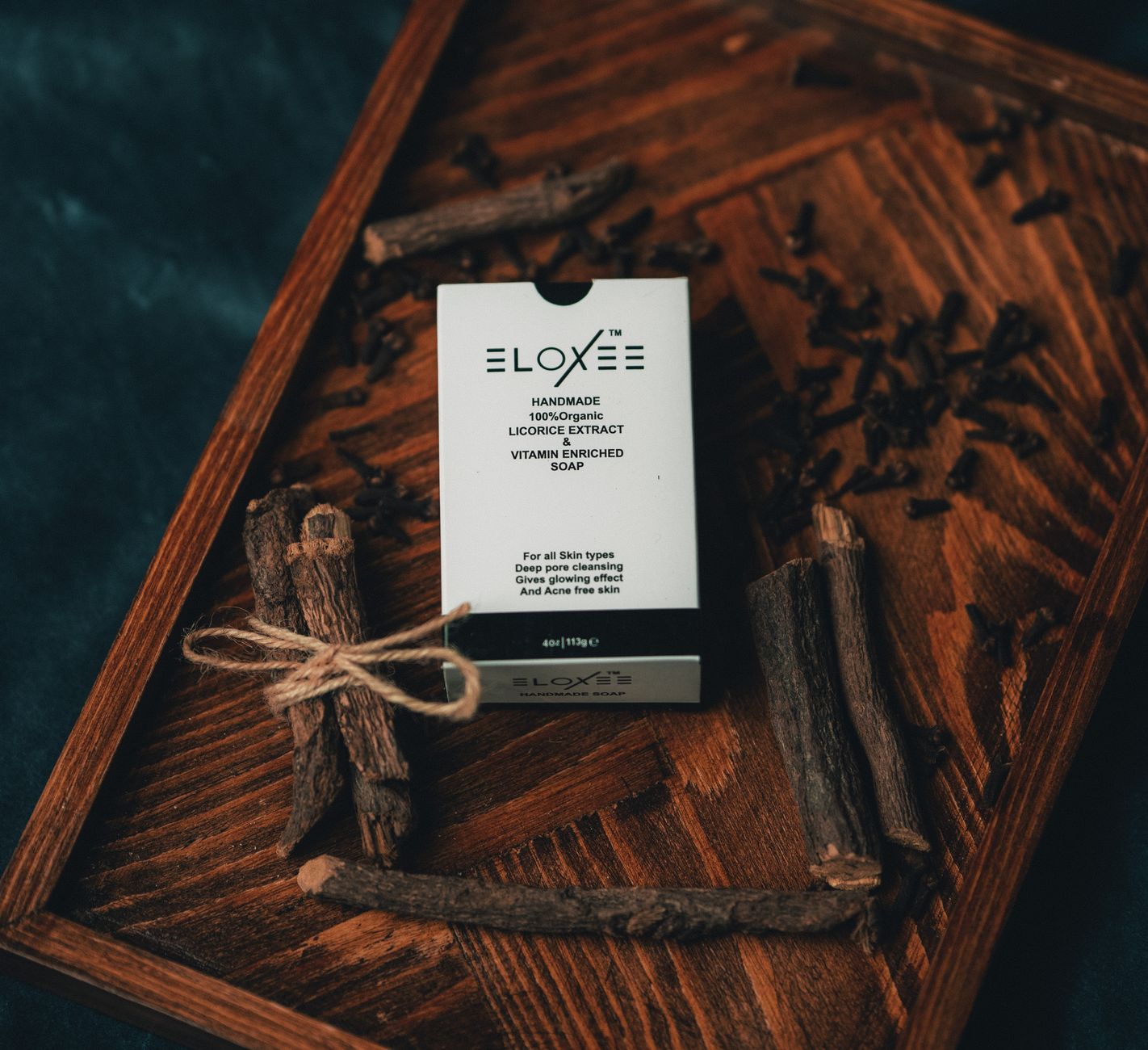
Licorice Root Extract for Skin Brightening
Discover how licorice root extract skin brightening works. Learn its science-backed benefits, how to use it safely, and how it compares to other brightening ingredients.
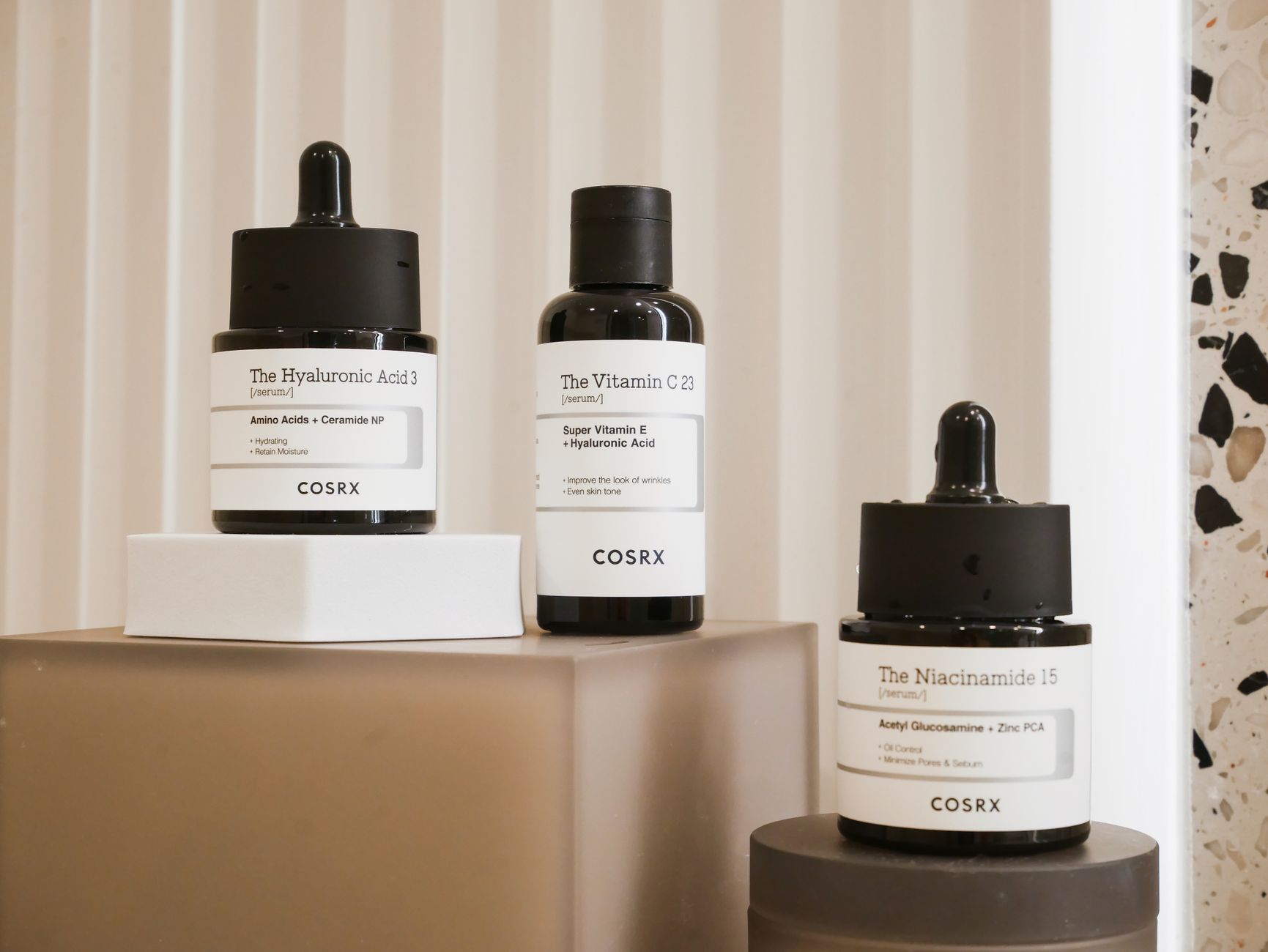
Vitamin C and Niacinamide: Can You Really Not Use Them Together?
Can you use vitamin C and niacinamide together? Learn what the science says about this popular skincare myth and how to layer them correctly.

Does Blue Light Really Damage Your Skin?
Does blue light from screens damage skin? Learn what research actually shows about HEV light, hyperpigmentation, and whether you need blue light protection.