 Funky Millions
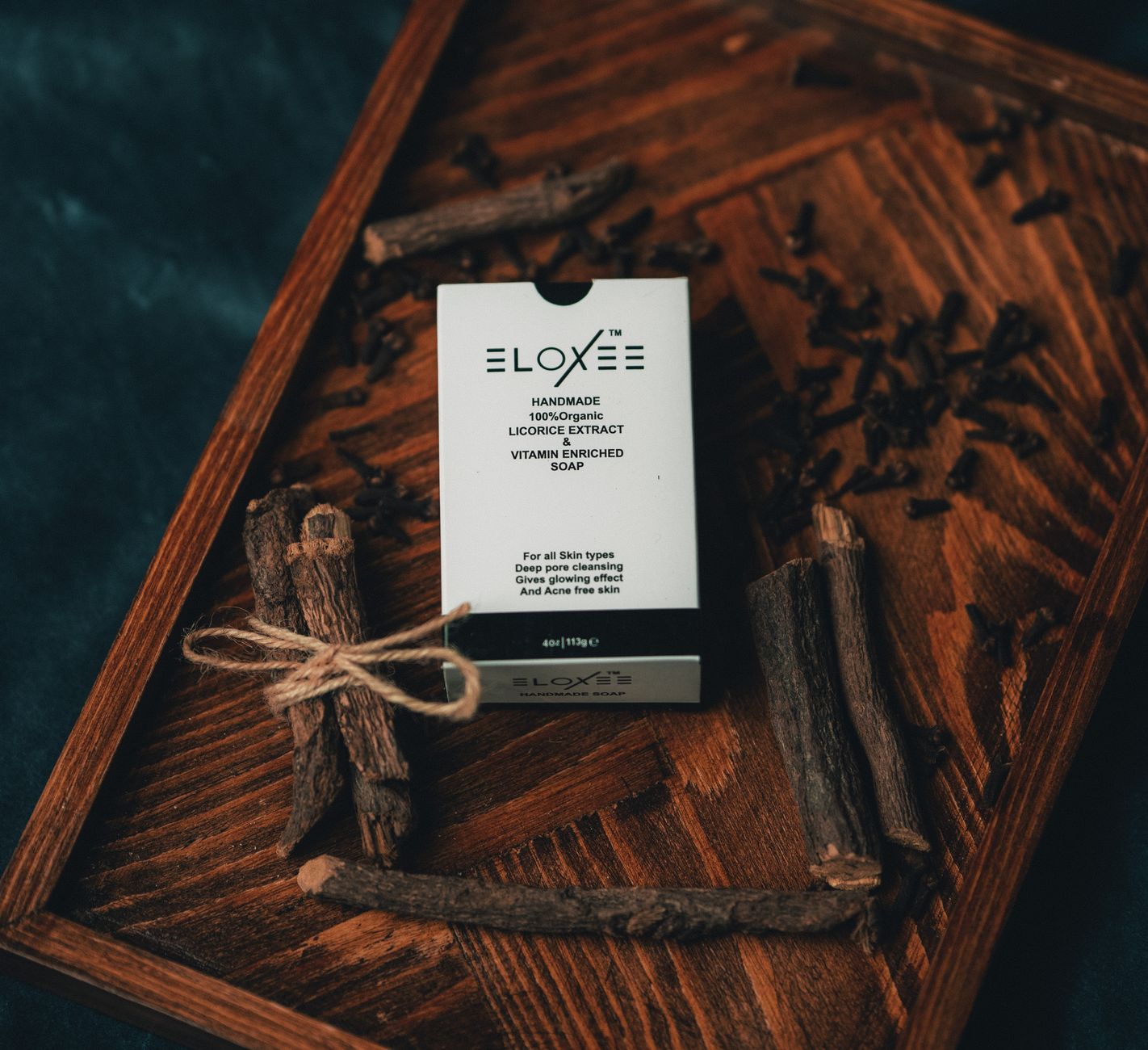
Licorice Root Extract for Skin Brightening
Discover how licorice root extract skin brightening works. Learn its science-backed benefits, how to use it safely, and how it compares to other brightening ingredients.
Quick summary
Key Takeaways
- Licorice root extract is a plant-derived skincare ingredient containing glabridin, liquiritin, and licochalcone A, which work together to brighten, soothe, and protect the skin.
- Licorice root extract brightens skin by blocking melanin production, dispersing existing pigment, calming inflammation, and defending against environmental damage.
- Licorice root extract fades dark spots, brightens tone, soothes redness, prevents post-inflammatory marks, and protects against environmental damage while remaining gentle on most skin types.
- Licorice root extract is a multi-action brightener that soothes as it works, making it ideal for sensitive or redness-prone skin.
- Use licorice root extract once or twice daily after cleansing and before moisturizing. Always finish your morning routine with sunscreen.
- Expect subtle brightening in 4 to 6 weeks and clearer fading in 8 to 12 weeks. Deeper pigmentation may require 3 to 6 months of consistent use.
- Avoid skipping sunscreen, expecting instant results, overloading on harsh actives, and inconsistent use. Patience and consistency are essential.
- Pair licorice root extract with niacinamide or vitamin C, keep skin hydrated, exfoliate gently, patch test new products, and store serums properly.
- Serums and toners offer the most direct brightening benefits, while moisturizers provide gentler daily support. Pair licorice root extract with niacinamide, hyaluronic acid, or vitamin C for enhanced results.
- Licorice root extract is ideal for sensitive, redness-prone, or pigmentation-prone skin, and is gentle enough for long-term use.
- Licorice root extract is generally safe and well tolerated, but patch test new products and discontinue use if irritation occurs.
If you are searching for a gentler way to fade dark spots and even out your complexion, licorice root extract skin care products deserve your attention. Derived from the root of the Glycyrrhiza glabra plant, this botanical ingredient has been used for centuries in traditional medicine and is now backed by modern research for its brightening and soothing properties. Unlike harsh bleaching agents, licorice root extract works with your skin to reduce excess pigment, calm inflammation, and protect against future discoloration.
In this complete guide, you will learn exactly what licorice root extract is, how it brightens skin on a cellular level, which skin types benefit most, and how to build it into your daily routine. We will also cover common mistakes, expert tips, product recommendations, and how licorice root extract compares to popular ingredients like vitamin C, niacinamide, and alpha arbutin. By the end, you will know whether this natural brightener is the missing step in your skincare routine.
What Is Licorice Root Extract?
Licorice root extract comes from the root of the licorice plant, a perennial herb native to parts of Europe, Asia, and the Middle East. In skincare, the extract is valued for three main active compounds: glabridin, liquiritin, and licochalcone A. Each compound contributes to the ingredient's brightening, anti-inflammatory, and antioxidant effects.
Glabridin is the most studied compound for skin brightening. It inhibits tyrosinase, the enzyme your skin needs to produce melanin. Liquiritin helps disperse melanin within the skin, which can gradually fade existing pigmentation. Licochalcone A provides antioxidant and soothing benefits, making licorice root extract especially helpful for sensitive or reactive skin.
You will often find licorice root extract in serums, toners, moisturizers, and spot treatments. It is usually listed on ingredient labels as Glycyrrhiza glabra root extract, dipotassium glycyrrhizate, or licorice root extract.
How Does Licorice Root Extract Brighten Skin?
To understand how licorice root extract brightens skin, it helps to understand how dark spots form. Melanin is the pigment that gives skin its color. When skin is exposed to UV rays, hormones, inflammation, or injury, melanocytes produce excess melanin in concentrated areas. The result is hyperpigmentation, sun spots, melasma, or post-inflammatory marks.
Licorice root extract interrupts this process in multiple ways:
- Inhibits tyrosinase: Glabridin blocks tyrosinase activity, which reduces the production of new melanin.
- Disperses existing pigment: Liquiritin helps break up and distribute melanin that has already accumulated, gradually fading dark spots.
- Reduces inflammation: Licochalcone A calms irritated skin, which helps prevent post-inflammatory hyperpigmentation from acne or irritation.
- Provides antioxidant protection: Licorice root extract helps neutralize free radicals caused by UV exposure and pollution, reducing one major trigger of excess pigment.
Because it targets pigment through several pathways, licorice root extract can be more effective than single-mechanism brighteners while remaining gentle.
Benefits of Licorice Root Extract for Skin
Licorice root extract offers a wide range of benefits beyond simple brightening. Here is what the research and dermatology community consistently highlight.
Fades Dark Spots and Hyperpigmentation
Multiple studies show that glabridin and liquiritin can reduce the appearance of sun spots, melasma, and post-inflammatory hyperpigmentation. With consistent use, many people notice a more even skin tone within 8 to 12 weeks.
Brightens Dull, Uneven Skin Tone
By slowing melanin production and dispersing existing pigment, licorice root extract helps restore a more radiant, balanced complexion. It does not bleach the skin; it simply brings tone back into balance.
Soothes Redness and Inflammation
Licochalcone A has strong anti-inflammatory properties. This makes licorice root extract a good choice for people with rosacea, sensitive skin, or redness triggered by acne and irritation.
Helps Prevent Post-Inflammatory Hyperpigmentation
Because it calms inflammation, licorice root extract can reduce the dark marks that often follow pimples, ingrown hairs, or skin injuries. If acne is a concern, pairing it with a salicylic acid acne treatment can address both active breakouts and the marks they leave behind.
Supports the Skin Barrier
Unlike strong acids or retinoids, licorice root extract is generally non-irritating. It helps maintain a healthy skin barrier rather than stripping it, especially when paired with hydrating ingredients.
Provides Antioxidant Protection
Environmental stressors like pollution and UV rays contribute to premature aging and uneven tone. The antioxidants in licorice root extract help neutralize some of this damage.
Safe for Most Skin Types
Licorice root extract is well tolerated by sensitive, dry, oily, and combination skin. It is one of the few brightening ingredients that delivers results without significant irritation.
Works Well With Other Ingredients
You can layer licorice root extract with niacinamide, hyaluronic acid, vitamin C, peptides, and ceramides. It is a flexible ingredient that fits into almost any routine.
Licorice Root Extract vs. Other Skin Brightening Ingredients
With so many brightening ingredients available, it can be hard to choose. The table below compares licorice root extract to the most common alternatives.
| Ingredient | Main Brightening Mechanism | Best For | Potential Downsides |
|---|---|---|---|
| Licorice Root Extract | Inhibits tyrosinase + disperses melanin + anti-inflammatory | Sensitive skin, redness, melasma, PIH | Results take 8–12 weeks |
| Vitamin C | Antioxidant + tyrosinase inhibitor | Dullness, sun damage, antioxidant protection | Can oxidize, may sting sensitive skin |
| Niacinamide | Reduces melanin transfer | Large pores, oiliness, uneven tone | High doses may cause flushing |
| Alpha Arbutin | Tyrosinase inhibitor | Post-acne marks, melasma, sensitive skin | Results take 8–12 weeks |
| Azelaic Acid | Tyrosinase inhibition + anti-inflammatory | Acne, rosacea, PIH | Can tingle or itch at first |
| Hydroquinone | Strong tyrosinase inhibitor | Stubborn melasma | Irritation, rebound pigmentation, prescription restrictions |
| Kojic Acid | Tyrosinase inhibitor | Sun spots, age spots | Can be irritating for some |
Licorice root extract stands out because it brightens through multiple pathways while calming the skin. It is an excellent option if you want results without the irritation associated with stronger actives.
How to Use Licorice Root Extract in Your Skincare Routine
Using licorice root extract correctly will help you get the best results with minimal irritation. Follow this step-by-step routine for both morning and evening.
Morning Routine
- Cleanse your face with a gentle, pH-balanced cleanser suited to your skin type.
- Apply a toner or essence if you use one. Look for one that contains licorice root extract for an extra brightening boost.
- Apply a licorice root extract serum to damp skin. Use 2–4 drops and press it gently into your face and neck, focusing on areas with dark spots.
- Layer a hydrating serum such as hyaluronic acid if your skin needs extra moisture.
- Moisturize with a lightweight, non-comedogenic moisturizer.
- Apply SPF 30 or higher every single day. Sunscreen is essential because UV exposure will trigger new melanin production and undo your brightening progress.
Evening Routine
- Cleanse your face thoroughly. Double cleanse if you wore sunscreen or makeup.
- Apply licorice root extract serum after toning.
- Follow with other treatment products such as niacinamide or a gentle exfoliant if your routine includes them.
- Moisturize with a richer cream to support your skin barrier overnight.
How Much to Use
A few drops of serum are enough to cover your entire face. You do not need to over-apply. More product does not equal faster results.
How Often to Use It
Start once daily, either morning or evening. If your skin tolerates it well after one to two weeks, you can increase to twice daily.
Where to Apply It
You can apply licorice root extract to your entire face and neck, or use it as a spot treatment on specific dark marks. For an all-over glow, our guide on how to make your skin glow offers additional tips.
How Long Does Licorice Root Extract Take to Work?
Patience is important with licorice root extract. Because it works gradually rather than stripping the skin, visible results take time.
Most people begin to notice subtle brightening after 4 to 6 weeks of consistent use. More noticeable fading of dark spots typically appears after 8 to 12 weeks. For deeper melasma or older discoloration, it may take 3 to 6 months to see significant improvement.
Consistency and sun protection are the two biggest factors. Skipping sunscreen or using the product irregularly will slow your progress.
Common Mistakes to Avoid
Even gentle ingredients can underperform if they are used incorrectly. Here are the most common mistakes people make with licorice root extract.
Skipping Sunscreen
UV exposure is the leading cause of hyperpigmentation. Without daily SPF, licorice root extract cannot keep up with new melanin production. Always apply broad-spectrum SPF 30 or higher every morning.
Expecting Overnight Results
Licorice root extract is not a quick fix. It gradually reduces pigment over weeks and months. Give it at least 8 to 12 weeks before judging results.
Using Too Many Harsh Actives at Once
Combining licorice root extract with strong retinoids, high-percentage acids, or multiple exfoliants can overwhelm sensitive skin. Introduce one active at a time and monitor how your skin responds.
Applying to Broken or Irritated Skin
Wait until cuts, active breakouts, or severe irritation have healed before applying brightening products. Applying actives to compromised skin can worsen inflammation and pigmentation.
Inconsistent Use
Using licorice root extract sporadically will not deliver results. Consistent daily application is key.
Choosing Products With Low Concentrations
While licorice root extract is effective at low concentrations, make sure it appears early enough on the ingredient list to matter. Extracts listed near the end may be present in token amounts.
Product and Ingredient Recommendations
When shopping for licorice root extract products, look for clear labeling and thoughtful formulations. Here are the most common and effective types.
Serums
Serums deliver the highest concentration of licorice root extract. Look for formulas that list Glycyrrhiza glabra root extract or dipotassium glycyrrhizate among the first several ingredients.
Toners and Essences
A licorice root toner or essence can provide a daily brightening boost while prepping the skin for serums and moisturizers.
Moisturizers
Moisturizers with licorice root extract are ideal for sensitive skin because they combine brightening with barrier support.
Spot Treatments
For targeted dark marks, a spot treatment with licorice root extract can be applied directly to problem areas.
Ingredients to Pair With
- Niacinamide for enhanced brightening and barrier support
- Hyaluronic acid for hydration
- Vitamin C for antioxidant protection
- Ceramides for barrier repair
- Centella asiatica for additional soothing
Ingredients to Use Carefully
- High-strength retinoids: Can increase irritation if introduced too quickly
- High-percentage AHAs/BHAs: May compromise the barrier when overused
- Hydroquinone: Usually unnecessary alongside licorice root extract unless prescribed
Who Should Use Licorice Root Extract?
Licorice root extract is suitable for most people, but it is especially beneficial if you:
- Have sensitive skin that reacts to stronger brighteners
- Struggle with post-inflammatory hyperpigmentation from acne
- Want a gentle, plant-based alternative to hydroquinone
- Deal with redness or rosacea alongside uneven tone
- Are looking for a brightening ingredient safe for long-term use
If you are pregnant or breastfeeding, licorice root extract is generally considered safe in topical skincare, but it is always wise to check with your healthcare provider. For pregnancy-specific skincare guidance, you may also find our pregnancy-safe skincare routine helpful.
Potential Side Effects and Precautions
Licorice root extract is considered safe for topical use, but a few precautions are worth noting.
- Allergic reactions: Although rare, some people may be allergic to licorice root. Discontinue use if you notice itching, swelling, or rash.
- Hormonal considerations: Oral licorice can affect cortisol and blood pressure, but topical use does not carry the same systemic risk.
- Photosensitivity: Licorice root extract is not photosensitizing, but UV exposure can worsen hyperpigmentation. Daily sunscreen remains essential.
- Skin sensitivity: Even gentle ingredients can irritate compromised skin. Avoid applying to open wounds or active eczema.
Dermatologists and skincare formulators recommend these strategies to get the most out of licorice root extract.
Pair It With Niacinamide
Niacinamide and licorice root extract complement each other beautifully. Niacinamide reduces melanin transfer, while licorice root extract inhibits production and disperses existing pigment. Together, they target hyperpigmentation from multiple angles.
Use It With Vitamin C in the Morning
A vitamin C serum followed by licorice root extract can enhance antioxidant protection and brighten skin. If you are new to either ingredient, introduce them on alternate days at first.
Layer Hydration First or After
Licorice root extract works well on damp skin. Apply it after toner or a hydrating essence, then follow with moisturizer to lock everything in. For a complete hydrating approach, see our guide on beauty tips for face at home simple remedies for a radiant glow.
Be Gentle With Exfoliation
Exfoliating acids can help licorice root extract penetrate better, but over-exfoliation damages the barrier and can worsen pigmentation. Limit acids to 2–3 times per week.
Patch Test First
Although licorice root extract is gentle, patch testing any new product is smart. Apply a small amount to your inner forearm or behind your ear for 24 to 48 hours before using it on your face.
Store Products Properly
Keep licorice root extract serums in a cool, dark place away from direct sunlight. Some formulations are sensitive to light and air, which can reduce effectiveness over time.
Conclusion
Licorice root extract skin care is one of the most underrated brightening strategies available today. It is gentle enough for sensitive skin, effective enough to fade dark spots, and versatile enough to pair with ingredients you already use. Whether you are building a minimalist routine or adding a new brightening step, licorice root extract offers a plant-powered way to achieve a more even, radiant complexion.
Remember that consistency and sun protection are non-negotiable. With the right routine, most people begin to see brighter, more even skin within 8 to 12 weeks.
If you found this guide helpful, share it with a friend who is struggling with dark spots or uneven tone. You may also enjoy our articles on how to get clear skin and skincare routine order to build a complete, effective regimen.
Frequently Asked Questions
References
Last updated
This article is for informational purposes only and does not constitute medical advice. Consult a licensed dermatologist or healthcare provider before starting any new treatment.
Beauty & Hair Care Editor
Ilma is a beauty editor who specializes in breaking down cosmetic ingredients, skincare routines, and hair care practices. Her work focuses on evidence-based guidance readers can trust and apply.
Comments (0)
Be the first to comment.
Related Articles
Alpha Arbutin for Dark Spots: Does It Work?
Discover whether alpha arbutin for dark spots really works. Learn how this gentle brightener fades hyperpigmentation, how to use it, and what results to expect.
Mandelic Acid: The Best Acid for Sensitive Skin
Discover the top mandelic acid benefits for sensitive skin, how to use it safely, product tips, and expert advice for a smoother, brighter complexion.
Bakuchiol: A Gentle Retinol Alternative
Discover why bakuchiol vs retinol is the debate every sensitive skin type needs to read. Learn benefits, routines, and how to switch safely.
Green Tea Extract for Skin: Antioxidant Benefits
Discover green tea extract for skin and how its antioxidants calm redness, fight aging, and brighten your complexion. Learn safe ways to use it daily.