 Funky Millions
Salicylic Acid Acne Treatment
Quick summary
Key Takeaways
- Salicylic acid is a beta hydroxy acid that penetrates oily pores and exfoliates dead skin cells from within the follicle.
- Over-the-counter products contain 0.5% to 2% salicylic acid; start with the lowest effective strength and increase use gradually.
- Because it does not reduce sebum production or kill acne bacteria, consistent daily use is necessary to maintain clearer skin.
- Protect your skin barrier with moisturizer and daily sunscreen, and avoid layering salicylic acid with other strong exfoliants or retinoids in the same routine.
The medicinal properties of salicylate (mainly for fever relief; it is the main ingredient in aspirin) have been known since ancient times. The substance occurs in the bark of willow trees; the name salicylic acid is derived from salix, the Latin name for the willow tree.
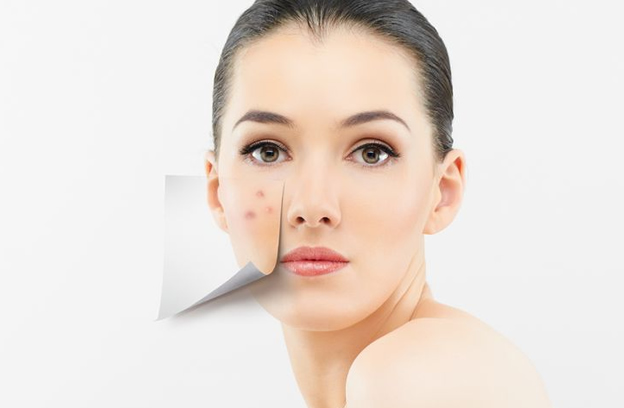
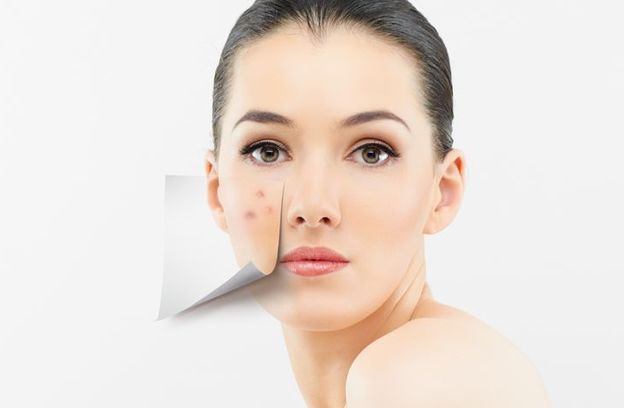
Salicylic Acid and glycolic acid can be effective on mild acne cases. They work as keratolytic agents to encourage the natural skin replacement cycle by peeling off the top layer of skin, getting rid of dead cells and unplugging plugged follicles.
Since they do not directly reduce the production of sebum or kill acne bacteria, they must be used continuously – when you stop using them, the acne will most likely return. Those with sensitive skin who cannot tolerate alpha hydroxy acids may find that they are able to use salicylic acid with good results.
Preparations containing these acids include lotions, creams and medicated pads. Salicylic acid is approved for use in concentrations of 0.5-2%. It can result in dryness and mild irritation, especially in children. If this happens, it’s a good idea to check other cosmetics or soaps you’re using to make sure they don’t also contain peeling agents like benzoyl peroxide, resorcinol, sulfur, or tretinoin.
Also, don’t use concentrations of over 1%. Use of straight salicylic solution may cause hyperpigmentation on unpretreated skin for those with darker skin types. Salicylic Acid has not been tested on pregnant women, so safety during pregnancy is not known.
Benzoyl Peroxide Acne Treatment
Benzoyl peroxide is effective in the treatment of most forms of acne. It is typically placed over the affected areas in gel or cream form, in concentrations of 2.5% increasing through the usually effective 5% to up to 10%.
Benzoyl peroxide works as a peeling agent, increasing skin turnover and clearing pores, thus reducing the bacterial count there as well as directly as an antibacterial. It is a powerful bleaching agent, and can cause burning, itching, peeling and possibly swelling in a small percentage of sensitive individuals.
Commercial preparations include a combination of ingredients to maximize effectiveness and minimize adverse reactions. One of the most successful of those that contain benzoyl peroxide is the Proactiv Combination Therapy, which uses several different medicines in one system to heal the blemishes you have now and help keep new ones from forming.
Developed by two Stanford-trained dermatologists, this unique acne fighting system combines finely milled benzoyl peroxide, sulfur, and our special formulation. These ingredients gently exfoliate your skin, unplug your pores, attack acne-causing bacteria, and soothe inflammation.
Provactiv consists of a three-step solution: Renewing Cleanser Tiny, smooth grains unclog the pore and help remove dead skin cells. Benzoyl peroxide penetrates deep to attack bacteria. Revitalizing Toner A gentle alcohol-free formula helps to balance skin tone and remove dead skin cells, while preparing the pore for the Repairing Lotion. Repairing Lotion Finely milled benzoyl peroxide penetrates deep into the pore to attack bacteria, healing existing blemishes and preventing new ones from forming.
Unlike “spot treatments,” designed primarily to get rid of existing acne, one pimple at a time, with harsh creams that can cause redness or irritation, Proactiv Solution is designed to be used on the whole face (or acne-prone area) every day. It gets rid of existing acne – and proactively helps prevent future breakouts before they even surface on the skin.
Since it’s formulated with soothing botanicals like allantoin, panthenol, aloe and chamomile, it leaves your skin feeling healthy and hydrated… instead of dry and flaky.
How to Build a Salicylic Acid Routine That Works
Salicylic acid is most effective when it is used consistently rather than aggressively. Start by introducing it two or three evenings a week, then build up to nightly use if your skin tolerates it well. Apply it to freshly cleansed, fully dry skin and wait a minute or two before following with a non-comedogenic moisturizer. Because it increases photosensitivity, always finish your morning routine with a broad-spectrum sunscreen of SPF 30 or higher. Cleansers containing salicylic acid are a gentle entry point, but leave-on toners, serums, and medicated pads generally deliver stronger pore-clearing benefits over time.
Choosing the Right Concentration and Formula
Over-the-counter salicylic acid products are approved at concentrations between 0.5% and 2%. If you have sensitive or reactive skin, begin with 0.5% and monitor for redness or flaking before moving up. A 2% formula is the strongest available without a prescription and is usually best for oily, acne-prone areas such as the T-zone. Beyond percentage, the delivery format matters: cleansers offer brief contact, which reduces irritation but also limits penetration; leave-on liquids and gels stay on the skin longer and tend to produce clearer pores faster. Formulas at the correct acidic pH exfoliate more effectively than those that are heavily buffered.
Combining Salicylic Acid With Other Acne Treatments
Salicylic acid plays well with some ingredients but conflicts with others. Niacinamide and hyaluronic acid can support the moisture barrier and reduce irritation, making them useful companions. However, avoid using salicylic acid in the same routine as strong retinoids, additional alpha or beta hydroxy acids, or physical scrubs, which can trigger over-exfoliation and barrier damage. If you also use benzoyl peroxide, apply them at different times of day or on alternate days rather than layering them together. When in doubt, simplify your routine: a gentle cleanser, one active treatment, moisturizer, and sunscreen is often more effective than a counter full of actives.
When to see a professional about acne
Salicylic acid is helpful for mild acne, but it is not the right solution for every situation. If breakouts are painful, cystic, widespread, or leaving scars, a dermatologist can offer stronger prescription treatments such as retinoids, oral medications, or hormonal therapies. Persistent acne that does not improve after eight to twelve weeks of consistent over-the-counter use also deserves professional input. A clinician can identify contributing factors, rule out underlying conditions, and build a plan that treats acne more effectively without damaging the skin barrier.
Early professional guidance is especially valuable if acne is affecting your confidence or if you are unsure which ingredients are safe to combine. A tailored plan can speed up results and reduce the risk of post-inflammatory marks or long-term scarring.
For related advice, see [Back Acne Treatment. Get rid of back Acne](/back-acne-treatment-get-rid-of-back-acne), [Beauty Tips for Face at Home: Simple Remedies for a Radiant Glow](/beauty-tips-for-face-at-home-simple-remedies-for-a-radiant-glow) and [Best Vegetables Good for Skin](/best-vegetables-good-for-skin).
Dermatologists commonly recommend salicylic acid as a first-line topical treatment for mild acne, particularly for people whose breakouts are driven by clogged pores rather than inflammation alone. They typically advise starting with a low concentration, applying it to clean skin, and pairing it with barrier-supporting moisturizer and sunscreen to minimize irritation. When progress stalls or acne is more severe, clinicians may combine salicylic acid with benzoyl peroxide or prescription therapies, but they emphasize that patience and consistency matter more than aggressive application.
Conclusion
Salicylic acid remains one of the most accessible and well-tolerated options for mild acne because it works inside the pore rather than only on the surface. Its ability to dissolve the dead skin and oil that block follicles makes it especially useful for blackheads, whiteheads, and congested texture. Still, it is not a cure-all: it does not suppress sebum or eliminate acne bacteria, so improvement depends on consistent, long-term use.
The best results come from matching the concentration and formula to your skin type, supporting the skin barrier with moisturizer, and protecting against sun damage every day. Used thoughtfully, salicylic acid can be a reliable cornerstone of a clearer, more balanced complexion.
Frequently Asked Questions
Last updated
This article is for informational purposes only and does not constitute medical advice. Consult a licensed dermatologist or healthcare provider before starting any new treatment.
Beauty & Hair Care Editor
Amanda Gurton is a beauty editor and researcher with a focus on translating dermatology and trichology insights into clear, actionable advice. She covers skincare routines, hair health, ingredient science, and everyday beauty habits.
Comments (0)
Be the first to comment.
Related Articles
Vitamin C and Niacinamide: Can You Really Not Use Them Together?
Can you use vitamin C and niacinamide together? Learn what the science says about this popular skincare myth and how to layer them correctly.
Mineral vs. Chemical Sunscreen: Which Should You Choose?
Mineral vs chemical sunscreen: compare how each type works, safety, texture, and which is best for your skin type and lifestyle.
What Is Slugging? The Skincare Method Explained
Learn what slugging is, how this occlusive skincare method works, who should try it, and how to slug correctly without clogging pores.
Building a Skincare Routine for Rosacea-Prone Skin
Learn how to build a gentle, effective skincare routine for rosacea-prone skin, including ingredients to use, ingredients to avoid, and trigger management.