 Funky Millions
Vitamin C and Niacinamide: Can You Really Not Use Them Together?
Can you use vitamin C and niacinamide together? Learn what the science says about this popular skincare myth and how to layer them correctly.
Quick summary
Key Takeaways
- The vitamin C and niacinamide conflict myth originated from outdated, poorly applicable research conducted under very different conditions than modern skincare formulation.
- The original conflict was observed under high-heat lab conditions unrelated to how skincare products are formulated, stored, or applied today.
- Current research and formulation practices do not support the idea that vitamin C and niacinamide meaningfully cancel each other out when used together in modern products.
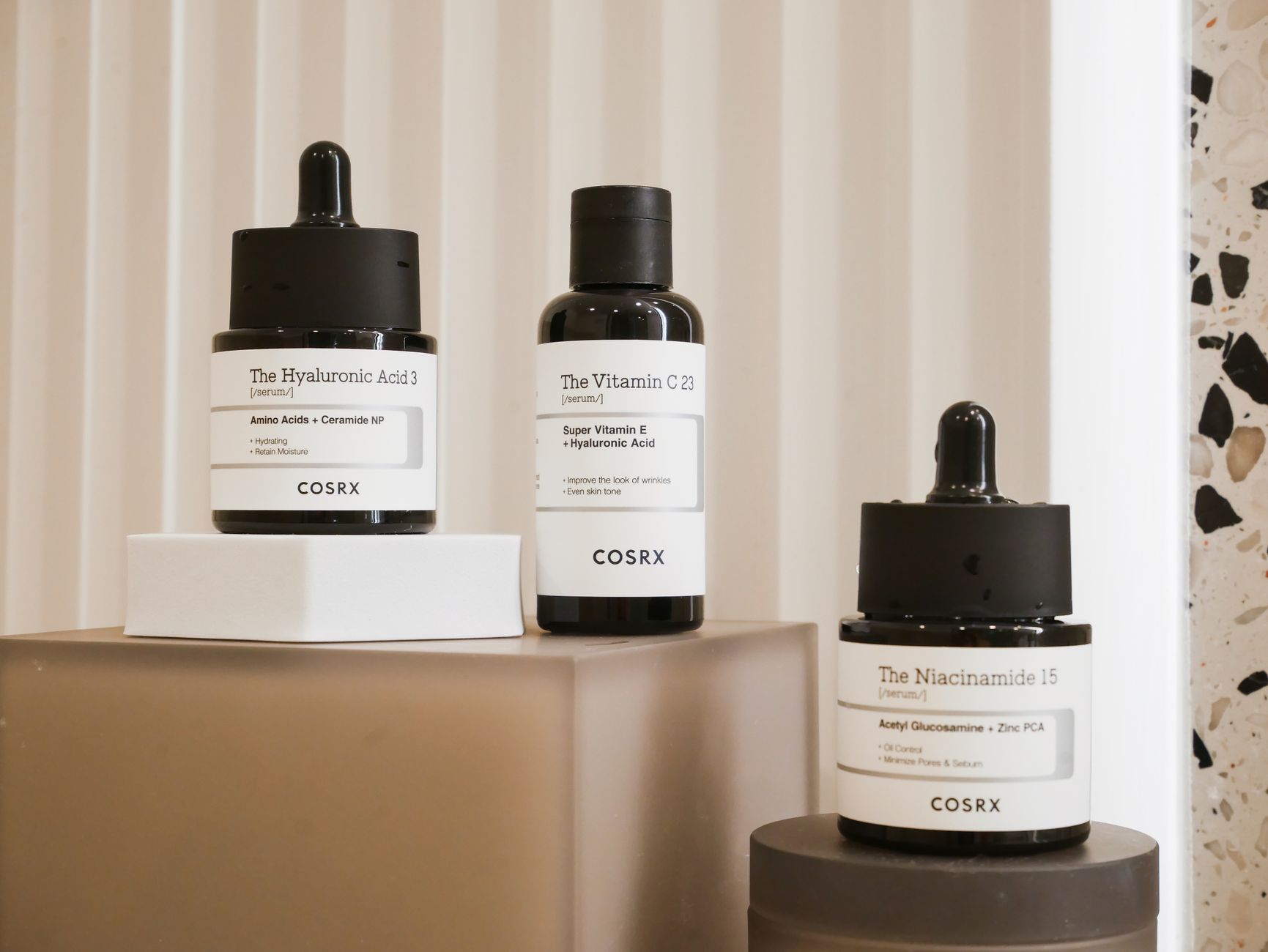
- Vitamin C and niacinamide address overlapping but distinct concerns and can be used together for a more comprehensive routine.
- Applying vitamin C first, waiting a few minutes, then following with niacinamide is a simple, effective way to layer both ingredients.
- Individual sensitivity when first combining any two actives is normal and different from a true ingredient conflict; adjusting concentration and introduction pace, rather than permanent separation, is usually the better solution.
- The vitamin C and niacinamide myth persisted largely through repetition and some ambiguous marketing language rather than ongoing scientific support, a pattern common to several long-lived skincare myths.
For years, skincare advice warned that vitamin C and niacinamide should never be combined, with claims ranging from reduced effectiveness to skin-flushing reactions. This myth has been so persistent that many people still separate these two beneficial ingredients into different parts of their routine unnecessarily. This guide explains where the myth came from, what modern research actually shows, and how to use both ingredients together (or apart) for the best results.
Where the Myth Came From
The claim that vitamin C and niacinamide cancel each other out, or worse, create a compound called niacin that causes flushing, dates back to older, now largely outdated research from the 1960s. That early study combined the two ingredients under conditions very different from how modern skincare formulas are made and used, specifically involving high heat and unstable formulations that are not representative of how these ingredients are typically stabilized and applied today.
What Vitamin C Does for Skin
Vitamin C (most commonly as L-ascorbic acid) is a powerful antioxidant that helps neutralize free radical damage from UV exposure and pollution, supports collagen synthesis, and can brighten skin tone over time by inhibiting melanin production. It is most effective when used in the morning, layered under sunscreen, to boost protection against daily environmental exposure.
What Niacinamide Does for Skin
Niacinamide, a form of vitamin B3, supports the skin barrier, regulates oil production, reduces redness, and can help fade hyperpigmentation over time. It is gentle enough for twice-daily use and pairs well with most other active ingredients. Our detailed guide on niacinamide benefits for skin covers its full range of benefits.
The Original Study Behind the Myth
The 1960s study that sparked the myth combined niacinamide and vitamin C at high temperatures over an extended period, conditions that caused the niacinamide to convert into niacin, which can cause skin flushing. Modern skincare products are formulated and stored under very different, much more stable conditions, and are not typically exposed to the kind of prolonged heat that caused this conversion in the original research.
What Modern Research Actually Shows
More recent research and formulation science have found that stable, well-formulated vitamin C and niacinamide products can be used together without significant loss of efficacy for either ingredient. Some studies have even suggested potential complementary benefits, since both ingredients work on brightening and antioxidant pathways, though through different mechanisms. Modern cosmetic chemists have also developed more stable vitamin C derivatives that further reduce any theoretical concern about ingredient interaction.
Can You Use Vitamin C and Niacinamide Together?
Yes. For the vast majority of people and modern product formulations, using vitamin C and niacinamide together, either in the same product or layered in the same routine, is considered safe and effective. Many brands now formulate combination serums containing both ingredients specifically because they do not meaningfully interfere with one another under normal use conditions.
Vitamin C and Niacinamide Comparison Table
| Feature | Vitamin C | Niacinamide |
|---|---|---|
| Primary function | Antioxidant, collagen support, brightening | Barrier support, oil regulation, anti-inflammatory |
| Best time to use | Morning (under sunscreen) | Morning and/or night |
| Irritation potential | Moderate, especially at higher concentrations | Low |
| pH sensitivity | Yes, most effective at low pH | No significant pH sensitivity |
| Can be combined | Yes, in most modern formulations | Yes |
| Common concerns addressed | Dullness, hyperpigmentation, environmental damage | Redness, oiliness, barrier weakness, hyperpigmentation |
How to Layer Them for Best Results
Step 1: Cleanse
Start with a gentle cleanser suited to your skin type.
Step 2: Apply Vitamin C First
Since vitamin C, particularly L-ascorbic acid, works best at a lower pH, applying it first allows it to interact with the skin before other products adjust the surface pH.
Step 3: Wait a Few Minutes
Allow the vitamin C serum to absorb for a few minutes before applying the next product.
Step 4: Apply Niacinamide
Layer your niacinamide serum on top, followed by moisturizer.
Step 5: Finish With Sunscreen (Morning Routine)
Both ingredients support and are supported by daily sun protection, making sunscreen an essential final step.
When You Might Still Want to Separate Them
Even though the ingredient conflict myth is largely debunked, some people with particularly sensitive or reactive skin may still prefer to separate the two, using vitamin C in the morning and niacinamide at night, simply to reduce the total number of active ingredients applied at once and minimize any individual irritation risk. This is a reasonable, cautious approach for sensitive skin, even though it is not strictly necessary for most people.
Individual Skin Response Still Matters
While the broad scientific consensus no longer supports a meaningful conflict between vitamin C and niacinamide, this does not mean every individual will tolerate the combination identically, and it is worth distinguishing between an ingredient-level incompatibility, which the research does not support, and individual sensitivity, which is always possible with any active ingredient combination.
Some people report mild, temporary flushing or tingling when first combining vitamin C and niacinamide, particularly at higher concentrations of either ingredient. This is more likely explained by general sensitivity to introducing two active ingredients simultaneously, similar to how introducing any two new actives at once can be harder for skin to adjust to than introducing them one at a time, rather than by any specific chemical reaction between the two ingredients themselves.
If you do notice irritation after combining the two, the more useful troubleshooting step is not necessarily to separate vitamin C and niacinamide permanently, but to reduce the concentration of one or both, extend the introduction period, or temporarily use them at different times of day while your skin adjusts, then attempt combining them again later once tolerance has built. This approach treats the situation as a general active-ingredient adjustment issue rather than assuming a fundamental incompatibility that current research does not support.
Building a Routine With Both Ingredients
Sample Morning Routine
- Cleanser
- Vitamin C serum
- Niacinamide serum
- Moisturizer
- Sunscreen
Sample Split Routine (For Sensitive Skin)
- Morning: Cleanser, vitamin C serum, moisturizer, sunscreen
- Evening: Cleanser, niacinamide serum, moisturizer
Both approaches are valid. Choose based on how your individual skin tolerates multiple actives at once.
Why This Myth Has Been So Persistent
It is worth understanding why a piece of skincare advice based on a decades-old, poorly applicable study has managed to stay so widespread, since the same pattern shows up with other persistent skincare myths as well. Early skincare advice often traveled through word of mouth, print magazines, and later, forum posts and blog content, with limited fact-checking or connection back to the original research. Once a claim like "vitamin C and niacinamide cancel each other out" became established as conventional wisdom, it was repeated far more often than it was questioned, and repetition alone tends to make information feel more credible regardless of its actual accuracy.
Brand marketing has also played a role, sometimes unintentionally reinforcing the myth. Skincare companies that formulate separate morning and evening routines, for entirely reasonable reasons related to sun protection timing and ingredient stability, sometimes describe this separation in language that implies a conflict between ingredients, even when the actual reason for the split routine is unrelated to any incompatibility. Consumers reading this messaging can walk away with an inaccurate impression about why the products are formulated the way they are.
More recent skincare content creators and dermatologists communicating directly on social media have done a great deal to correct this specific myth, citing updated formulation science and modern stability testing. However, myths that have circulated for years take time to fully fade from common understanding, which is why many people, even those who keep up with skincare trends, are still surprised to learn the ingredient conflict was never well supported to begin with.
Common Mistakes to Avoid
Avoiding the Combination Out of Outdated Fear
Many people still unnecessarily separate these ingredients based on outdated advice, missing out on the convenience of a streamlined routine without real evidence of harm.
Using Unstable, Poorly Formulated Vitamin C
Vitamin C, particularly L-ascorbic acid, can oxidize and become less effective (and potentially more irritating) if poorly formulated or stored improperly, regardless of whether it is combined with niacinamide.
Applying Too Many New Actives at Once
If you are new to either ingredient, introduce them separately first to establish tolerance before combining them in the same routine.
Skipping Sunscreen
Neither vitamin C nor niacinamide replaces the need for daily sun protection, which remains essential for supporting both ingredients' brightening and anti-aging benefits.
- Choose a stable vitamin C formulation, stored in an opaque, airtight container away from light and heat.
- Patch test any new combination product if you have particularly reactive or sensitive skin.
- Be patient. Both ingredients typically require 8 to 12 weeks of consistent use to show visible brightening and tone-evening results.
- Consider combination formulas if convenience is a priority, since many brands now offer stable, well-formulated products containing both ingredients.
Conclusion
The idea that vitamin C and niacinamide cannot be used together is a persistent but outdated myth, rooted in research conditions that do not reflect how modern skincare products are formulated or used. For most people, layering these two beneficial ingredients, or using a combination product, is both safe and effective, offering complementary benefits for brightening, barrier support, and overall skin health.
For a deeper look at niacinamide's full range of benefits, see our guide on niacinamide benefits for skin.
Category: Skin Care
Tags: vitamin C, niacinamide, skincare myths, ingredient layering, antioxidants, skin brightening, active ingredients, skincare routine, L-ascorbic acid, skincare science
Frequently Asked Questions
References
Last updated
This article is for informational purposes only and does not constitute medical advice. Consult a licensed dermatologist or healthcare provider before starting any new treatment.
Beauty & Hair Care Editor
Amanda Gurton is a beauty editor and researcher with a focus on translating dermatology and trichology insights into clear, actionable advice. She covers skincare routines, hair health, ingredient science, and everyday beauty habits.
Comments (0)
Be the first to comment.
Related Articles

Skincare Ingredients You Should Never Mix Together
Learn which skincare ingredient combinations to avoid, why they conflict, and how to layer active ingredients safely instead.

Skin Cycling vs. Skin Stacking: Which Method Fits Your Skin?
Skin cycling vs skin stacking: compare these two popular active ingredient routines and learn which approach suits your skin type and goals.

Does Blue Light Really Damage Your Skin?
Does blue light from screens damage skin? Learn what research actually shows about HEV light, hyperpigmentation, and whether you need blue light protection.
Alpha Arbutin for Dark Spots: Does It Work?
Discover whether alpha arbutin for dark spots really works. Learn how this gentle brightener fades hyperpigmentation, how to use it, and what results to expect.