 Funky Millions
Niacinamide Benefits for Skin: A Complete Guide
Discover the top niacinamide benefits for skin, how to use it, what to avoid, and expert tips for a smoother, brighter complexion.
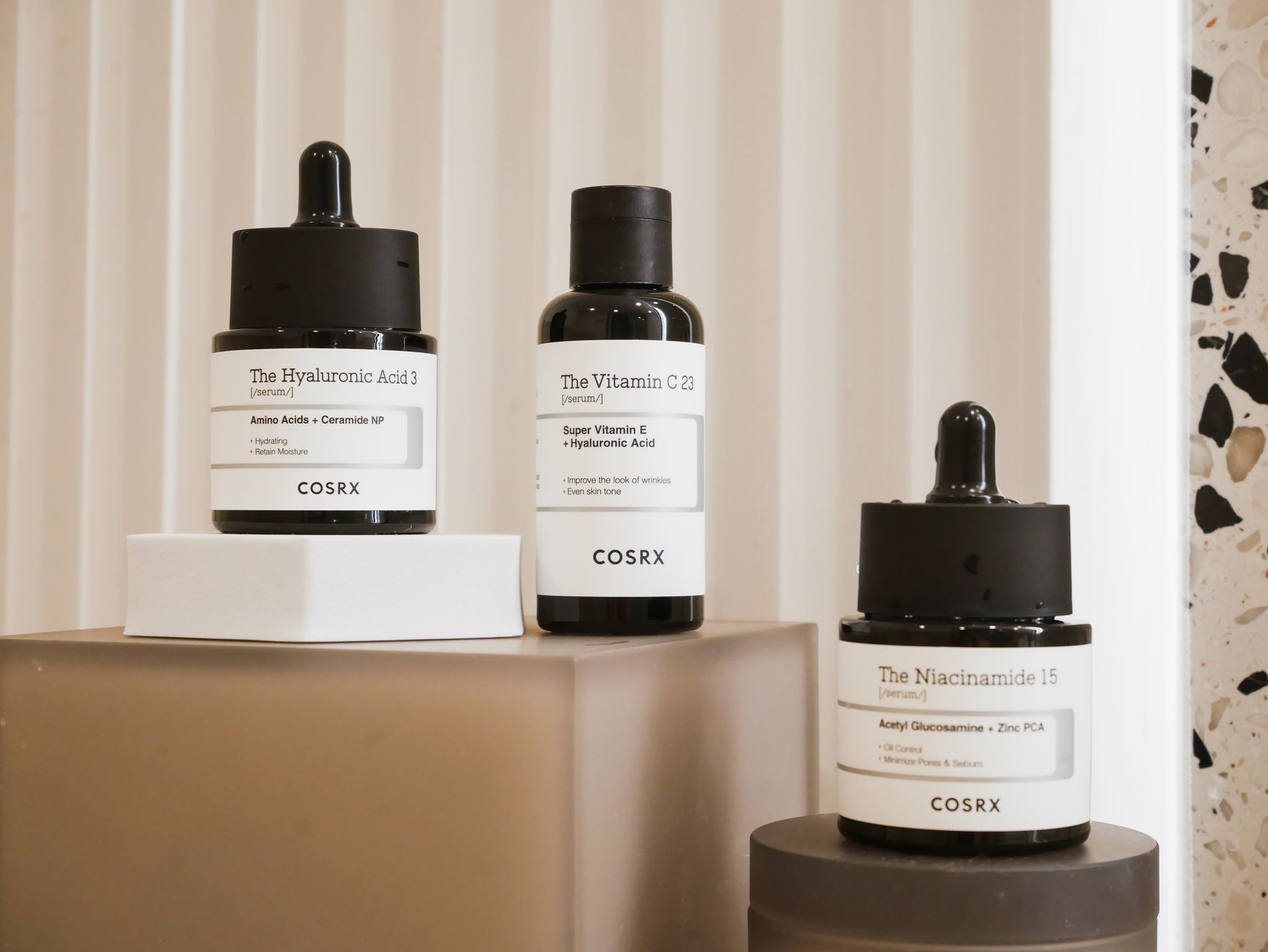
Quick summary
Key Takeaways
- Niacinamide is a stable, non-flushing form of vitamin B3 that helps skin cells function better and look healthier.
- Niacinamide helps rebuild your skin barrier by increasing ceramide production.
- Niacinamide offers multiple benefits, from oil control to anti-aging, with results typically appearing within 2 to 12 weeks.
- Apply niacinamide after cleansing and before moisturizer and sunscreen, both morning and night.
If you are looking for one ingredient that can tackle large pores, uneven tone, fine lines, and a weakened skin barrier all at once, the niacinamide benefits for skin make it a strong contender. This water-soluble form of vitamin B3 has become a staple in modern skin care because it is gentle, well-tolerated, and backed by a growing body of research. Whether your skin is oily, dry, sensitive, or acne-prone, niacinamide can usually fit into your routine without causing irritation.
In this guide, you will learn exactly what niacinamide is, how it works, the science-supported benefits, how to layer it correctly, common mistakes to avoid, and product recommendations. By the end, you will know how to use niacinamide to get the most out of your skin care routine.
What Is Niacinamide?
Niacinamide, also called nicotinamide, is a form of vitamin B3. Unlike niacin, another form of B3, niacinamide does not cause flushing or redness when applied to the skin. Your body can convert niacin into niacinamide, but applying it directly through skin care products delivers targeted benefits to the skin.
Niacinamide is a precursor to two important coenzymes: nicotinamide adenine dinucleotide (NAD+) and nicotinamide adenine dinucleotide phosphate (NADP+). These molecules help your skin cells produce energy, repair damage, and respond to stress. When applied topically, niacinamide supports the skin barrier, regulates oil production, and helps reduce inflammation.
Why Niacinamide Matters for Your Skin
Many people struggle with multiple skin concerns at the same time. You might deal with oily skin in your T-zone, dry patches on your cheeks, and occasional breakouts. Niacinamide is unique because it addresses several issues without being harsh. It is also compatible with many other active ingredients, which makes it easy to build around.
Compared to stronger actives like retinol or high-concentration acids, niacinamide has a much lower risk of irritation. That makes it a good choice for beginners and for people with sensitive or reactive skin.
Top Niacinamide Benefits for Skin
1. Strengthens the Skin Barrier
Your skin barrier is the outermost layer that keeps moisture in and irritants out. When it is damaged, you may experience dryness, sensitivity, redness, and flaking. Niacinamide boosts the production of ceramides, which are lipids that hold skin cells together. A stronger barrier means better hydration and less irritation.
A 2005 study published in the Journal of Cosmetic Dermatology found that topical niacinamide increased ceramide and free fatty acid levels in the skin, which improved barrier function and reduced water loss. This is one of the most well-documented niacinamide benefits for skin.
2. Regulates Sebum and Reduces Shine
If you have oily or combination skin, niacinamide can help reduce excess oil production. A 2006 study showed that a 2% niacinamide product significantly lowered sebum excretion rates over four weeks. Less oil on the surface means fewer clogged pores and a less shiny appearance.
This makes niacinamide a useful ingredient for people who are prone to acne or who struggle with midday shine.
3. Minimizes the Appearance of Pores
Large pores are often caused by excess oil, loss of elasticity, and sun damage. By controlling oil and improving skin texture, niacinamide can make pores look smaller over time. It does not physically shrink pores, but it helps keep them clear and less noticeable.
4. Brightens and Evens Skin Tone
Niacinamide can help fade dark spots and post-inflammatory hyperpigmentation left behind by acne or sun damage. It works by interfering with the transfer of melanin from pigment-producing cells to skin cells. Over time, this leads to a more even complexion.
Research has shown that 5% niacinamide can be effective for reducing hyperpigmentation, especially when used consistently over several weeks.
5. Reduces Redness and Inflammation
Niacinamide has anti-inflammatory properties that make it helpful for conditions like acne and rosacea. It calms the skin and reduces the redness associated with breakouts and irritation. Because it is gentle, it can often be used alongside other acne treatments.
If you are also dealing with active breakouts, you may want to read about salicylic acid acne treatment to understand how another ingredient can complement niacinamide.
6. Smooths Fine Lines and Wrinkles
Niacinamide supports collagen production and improves skin elasticity. A clinical study found that a 5% niacinamide cream reduced the appearance of fine lines, wrinkles, and hyperpigmented spots after 12 weeks. While it is not as powerful as prescription retinoids, it is a gentle anti-aging option.
7. Protects Against Environmental Damage
Niacinamide helps build proteins in the skin and protects against oxidative stress caused by pollution and UV exposure. It should not replace sunscreen, but it can support your skin's defenses during the day.
8. Works Well With Most Ingredients
Unlike some actives that conflict with each other, niacinamide plays nicely with hyaluronic acid, peptides, ceramides, sunscreen, and even retinol. This flexibility makes it easy to add to almost any routine.
Niacinamide Benefits Comparison Table
| Benefit | How It Works | Best For | Time to See Results |
|---|---|---|---|
| Barrier repair | Increases ceramide production | Dry, sensitive, damaged skin | 2–4 weeks |
| Oil control | Regulates sebum production | Oily, combination, acne-prone skin | 2–4 weeks |
| Pore appearance | Keeps pores clear and improves texture | All skin types, especially oily | 4–8 weeks |
| Brightening | Inhibits melanin transfer | Hyperpigmentation, uneven tone | 8–12 weeks |
| Anti-aging | Supports collagen and elasticity | Mature skin, fine lines | 8–12 weeks |
| Redness relief | Anti-inflammatory effects | Sensitive, acne-prone, rosacea | 2–6 weeks |
How to Use Niacinamide in Your Routine
Step 1: Choose the Right Concentration
Niacinamide is effective at concentrations between 2% and 10%. Most people see good results with 5%. If you are new to the ingredient, start with a lower concentration and increase as your skin adjusts.
Step 2: Cleanse Your Face
Start with a gentle cleanser suited to your skin type. Remove makeup, sunscreen, and excess oil before applying any treatment products.
If you are building a full routine, check out our guide on how to make your skin glow for a complete approach.
Step 3: Apply Niacinamide to Damp Skin
After cleansing, pat your skin lightly with a towel so it is still slightly damp. Apply a few drops of niacinamide serum to your face and neck. Gently press it in with your fingertips.
Step 4: Layer Thinner to Thicker
If you use multiple serums, apply the thinnest one first. Niacinamide serum usually comes before moisturizer and sunscreen. Wait 30 to 60 seconds between layers to allow absorption.
Step 5: Follow With Moisturizer
Seal in the serum with a moisturizer that matches your skin type. Niacinamide is not drying, but locking in hydration improves results.
Step 6: Use Sunscreen During the Day
Always finish your morning routine with a broad-spectrum SPF 30 or higher. Sunscreen protects your skin and helps niacinamide work better on tone and texture.
For more tips on building a clear-skin routine, visit how to get clear skin.
Sample Morning Routine
- Cleanser
- Niacinamide serum
- Moisturizer
- Sunscreen
Sample Evening Routine
- Cleanser
- Niacinamide serum
- Moisturizer
- Optional: retinol or exfoliant on alternate nights
Who Should Use Niacinamide?
Niacinamide is suitable for most skin types. You may benefit from it if you:
- Have oily or acne-prone skin
- Notice enlarged pores
- Struggle with redness or sensitivity
- Want to fade dark spots
- Are concerned about early signs of aging
- Have a compromised skin barrier
It is generally considered safe during pregnancy and breastfeeding, but you should always consult your healthcare provider before introducing new skin care products during these times.
Common Mistakes to Avoid
Using Too High a Concentration Too Soon
A 10% niacinamide formula is not necessarily better than 5%. Higher concentrations can cause flushing, redness, or irritation in some people. Start low and build up.
Mixing With Vitamin C Incorrectly
The idea that niacinamide and vitamin C cancel each other out is outdated. Modern stable forms can usually be used together. However, if you have sensitive skin, use them at different times of day to minimize irritation.
Expecting Overnight Results
Niacinamide works gradually. Most people need at least 4 to 8 weeks of consistent use before seeing visible improvements in tone and texture.
Skipping Sunscreen
Without sun protection, dark spots and fine lines will continue to develop. Sunscreen is essential if you want niacinamide to deliver its brightening and anti-aging benefits.
Applying to Broken Skin
Avoid using niacinamide on open wounds, active eczema flare-ups, or severely irritated skin. Wait until the skin has healed.
Product and Ingredient Recommendations
When choosing a niacinamide product, look for these details:
- Concentration: 2% to 5% for beginners; up to 10% for experienced users
- pH level: Formulas with a pH between 5.0 and 7.0 are ideal
- Complementary ingredients: Hyaluronic acid, zinc, ceramides, peptides
- Packaging: Opaque or amber bottles with a pump or dropper protect against light and air
Types of products to consider:
- Niacinamide serum
- Niacinamide moisturizer
- Niacinamide toner
- Niacinamide eye cream
You do not need every type. A single well-formulated serum used consistently is often enough.
- Patch test first: Apply a small amount to your inner arm or jawline for 24 to 48 hours before using it on your full face.
- Be consistent: Use niacinamide daily for at least 8 to 12 weeks to judge its effectiveness.
- Pair with hyaluronic acid: This combination boosts hydration and helps the serum penetrate better.
- Do not over-exfoliate: Using too many acids or retinoids alongside niacinamide can irritate your skin.
- Store properly: Keep your serum in a cool, dark place to maintain potency.
If your skin barrier needs extra help, our article on repair damaged skin barrier offers additional strategies.
Conclusion
The niacinamide benefits for skin are wide-ranging and well supported by research. From strengthening the barrier and controlling oil to brightening tone and smoothing fine lines, this ingredient deserves a place in most skin care routines. It is gentle, versatile, and works well with many other products.
Start with a 2% to 5% serum, use it consistently, and always pair it with sunscreen during the day. With patience, you should notice clearer, smoother, and more balanced skin over time.
If you found this guide helpful, share it with a friend who is building their skin care routine, or explore more of our articles on how to get clear skin and how to make your skin glow.
Category: Skin Care
Tags: niacinamide, vitamin B3, skin care ingredients, serum, oily skin, hyperpigmentation, skin barrier, anti-aging, brightening, sensitive skin
Frequently Asked Questions
References
Last updated
This article is for informational purposes only and does not constitute medical advice. Consult a licensed dermatologist or healthcare provider before starting any new treatment.
Beauty & Hair Care Editor
Amanda Gurton is a beauty editor and researcher with a focus on translating dermatology and trichology insights into clear, actionable advice. She covers skincare routines, hair health, ingredient science, and everyday beauty habits.
Comments (0)
Be the first to comment.
Related Articles
What to Look for in a Barrier Repair Moisturizer
Learn exactly which ingredients make an effective barrier repair moisturizer, what to avoid, and how to choose the right one for damaged skin.

Squalane Oil Benefits and How to Use It
Discover the top squalane oil benefits for every skin type, plus how to use it in your routine. Hydrating, non-comedogenic, and beginner-friendly.
Hyaluronic Acid vs. Glycerin: Which Is Better?
Wondering about hyaluronic acid vs glycerin? Discover which humectant suits your skin, how they work, and how to layer them for maximum hydration.
Mandelic Acid: The Best Acid for Sensitive Skin
Discover the top mandelic acid benefits for sensitive skin, how to use it safely, product tips, and expert advice for a smoother, brighter complexion.