 Funky Millions
What to Look for in a Barrier Repair Moisturizer
Learn exactly which ingredients make an effective barrier repair moisturizer, what to avoid, and how to choose the right one for damaged skin.
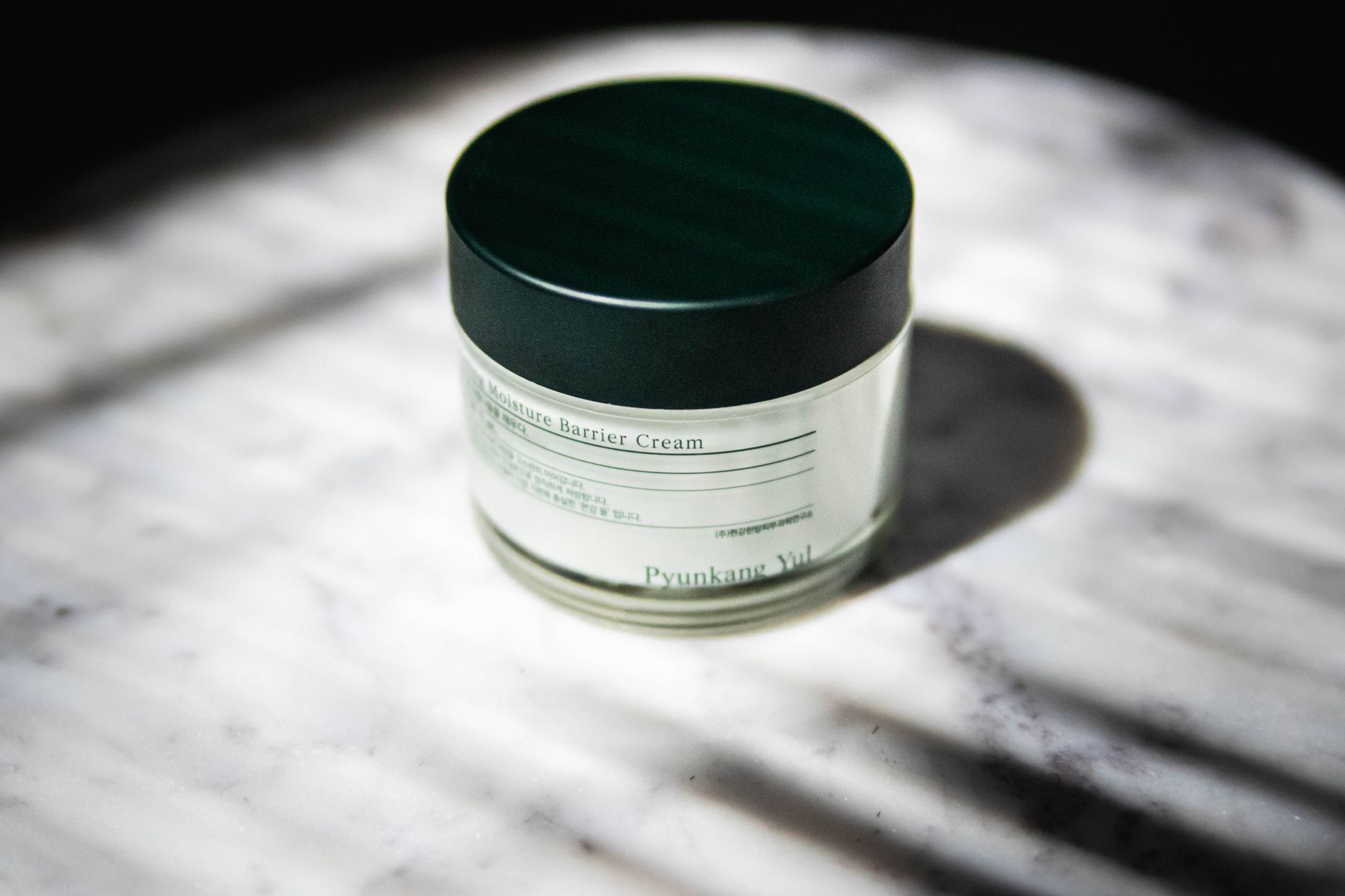
Quick summary
Key Takeaways
- A genuine barrier repair moisturizer replenishes the lipids skin needs to rebuild itself, not just surface-level hydration.
- Look for a combination of ceramides, cholesterol, and fatty acids alongside humectants like glycerin for the most effective barrier repair formula.
- Consistent twice-daily application, alongside a simplified routine free of active ingredients, gives barrier repair moisturizers the best chance to work.
- The ideal barrier repair moisturizer varies by the underlying cause of damage, non-comedogenic formulas for over-exfoliated acne-prone skin, richer peptide-containing formulas for hormonal changes, and medical-grade ceramide formulations for chronic skin conditions.
- A "sensitive skin" label indicates a product avoids common irritants, but only checking for ceramides, cholesterol, and fatty acids confirms it actually contains the lipids needed for genuine barrier repair.
When your skin barrier is compromised, whether from over-exfoliation, harsh weather, or aggressive active ingredients, the moisturizer you choose can make the difference between a quick recovery and weeks of ongoing irritation. Understanding what actually goes into an effective barrier repair moisturizer helps you cut through marketing claims and choose a product formulated to genuinely support healing.
What Makes a Moisturizer "Barrier Repair"
Not every moisturizer is formulated with barrier repair in mind, even if it is hydrating. A true barrier repair moisturizer is designed to replenish the specific lipids your skin barrier needs to function properly, rather than simply adding surface hydration. This distinction matters because a product can feel moisturizing without actually providing the raw materials your skin needs to rebuild its protective structure.
The Skin Barrier's Natural Composition
The skin barrier's lipid matrix is composed of three main components in a roughly 3:1:1 ratio: ceramides, cholesterol, and fatty acids. This specific ratio has been shown in research to be more effective at repairing barrier function than any one lipid alone, which is why well-formulated barrier repair products often list all three rather than relying on just one.
Our guide on ceramides in skincare explains this key lipid in more depth.
Essential Ingredients to Look For
- Ceramides (look for NP, AP, EOP variants for the most researched forms)
- Cholesterol, often listed simply as "cholesterol" in ingredient lists
- Fatty acids, such as linoleic acid
- Niacinamide, which has been shown to boost the skin's own ceramide production
- Cholesterol esters and fatty alcohols, which support the lipid matrix
- Humectants like glycerin or hyaluronic acid, to draw in water alongside the lipid repair
- Panthenol (provitamin B5), which supports barrier function and has soothing properties
- Colloidal oatmeal, which has documented anti-inflammatory and barrier-supportive properties
Ingredients to Avoid During Barrier Repair
- Fragrance, both synthetic and "natural" essential oils, which are common irritants for compromised skin
- Denatured alcohol, which can further strip lipids
- Strong exfoliating acids, which should be paused entirely during active barrier repair
- Sulfates, if present in a cleanser used alongside your moisturizer, since these can worsen stripping
- Essential oils, even natural ones, which can sensitize already-compromised skin
Barrier Repair Ingredient Comparison Table
| Ingredient | Function | Evidence Level |
|---|---|---|
| Ceramides | Rebuilds lipid matrix directly | Strong |
| Cholesterol | Supports proper lipid ratio for barrier function | Strong |
| Fatty acids (linoleic acid) | Completes the lipid triad needed for repair | Strong |
| Niacinamide | Boosts natural ceramide synthesis | Strong |
| Panthenol | Soothes and supports barrier function | Moderate to strong |
| Colloidal oatmeal | Anti-inflammatory, barrier-supportive | Moderate |
| Petrolatum (as an occlusive layer) | Reduces water loss while barrier heals | Strong |
Texture and Formulation Considerations
Barrier repair moisturizers tend to come in richer, cream-based formulas rather than lightweight gels, since the priority during active repair is replenishing lipids rather than providing a light, non-greasy feel. That said, richness should match your skin type and climate, oily skin experiencing barrier damage may still benefit from a slightly lighter cream formula rather than the heaviest option available, as long as it contains the key repair ingredients.
How to Choose Based on Your Skin Type
| Skin Type | What to Prioritize |
|---|---|
| Oily/acne-prone | Lightweight cream with ceramides, avoid heavy occlusives that may feel too rich |
| Dry | Rich cream with ceramides, cholesterol, fatty acids, and an occlusive top layer |
| Sensitive | Fragrance-free formula with minimal ingredient list, colloidal oatmeal, panthenol |
| Combination | Balanced cream texture, focus on ceramide content over richness |
| Mature | Ceramide-rich formula, often paired with peptides for added support |
How to Use a Barrier Repair Moisturizer Correctly
Step 1: Simplify the Rest of Your Routine
Remove active ingredients like retinoids and acids temporarily while focusing on repair.
Step 2: Apply to Slightly Damp Skin
This helps lock in extra hydration alongside the lipid-replenishing ingredients.
Step 3: Use Both Morning and Night
Consistent, twice-daily application supports faster, more complete barrier recovery.
Step 4: Consider Layering an Occlusive on Top
For particularly compromised skin, a thin layer of petroleum jelly or a similar occlusive over your barrier repair moisturizer at night can further reduce water loss while healing occurs.
Barrier Repair Needs at Different Life Stages
The severity and typical cause of barrier damage often differs depending on age and life stage, which can inform which specific formulation features matter most when selecting a barrier repair moisturizer.
In teenage and young adult skin, barrier damage is frequently caused by over-exfoliation or overuse of acne treatments, since this age group often experiments aggressively with active ingredients in pursuit of clearer skin. For this group, a barrier repair moisturizer that is specifically labeled non-comedogenic, alongside its ceramide and cholesterol content, is particularly important, since acne-prone skin still needs to avoid pore-clogging ingredients even while healing.
In skin affected by menopause-related hormonal changes, barrier function often declines due to reduced natural lipid production associated with dropping estrogen levels, a process separate from any external over-exfoliation or product misuse. For this group, barrier repair moisturizers with added peptides or richer, more emollient textures tend to be more appropriate than a lighter formula designed primarily for younger, oilier skin recovering from active-ingredient overuse.
In skin experiencing barrier damage from a medical condition such as eczema or psoriasis, barrier repair moisturizers are often used as an ongoing, long-term maintenance step rather than a temporary intervention, and dermatologists frequently recommend specific ceramide-dominant formulations, sometimes available by prescription, that go beyond what typical over-the-counter products offer.
How Long Barrier Repair Takes
Most people see meaningful improvement within two to four weeks of consistent use, though more significant damage, such as from prolonged over-exfoliation, may take six to eight weeks for full recovery. Patience and consistency matter more than switching products frequently during this period.
Layering a Barrier Repair Moisturizer With Other Products
During active barrier repair, it is worth thinking carefully about what, if anything, goes underneath your moisturizer. A hydrating serum containing glycerin or hyaluronic acid applied first can complement a barrier repair moisturizer well, since humectants and lipid-replenishing ingredients work through different, complementary mechanisms rather than competing with each other.
Avoid layering multiple treatment-oriented products underneath a barrier repair moisturizer during the recovery period, since the goal at this stage is consolidation and simplicity rather than adding more active ingredients to assess. Once the barrier has visibly improved, treatment serums can be reintroduced gradually, ideally one at a time, while continuing to use the barrier repair moisturizer as a supportive base layer underneath or over each newly reintroduced product.
Signs Your Barrier Is Healing
- Reduced stinging or burning when applying products
- Less visible flaking or rough texture
- Improved tolerance to previously irritating products
- More even, less red-toned complexion
- Skin that feels comfortable, not tight, several hours after moisturizing
Barrier Repair Moisturizer vs. General "Sensitive Skin" Formulas
Shoppers often assume that any product labeled "for sensitive skin" is automatically formulated for barrier repair, but these two categories, while overlapping, are not the same thing, and understanding the distinction can prevent an unhelpful purchase during an active barrier repair period.
"Sensitive skin" formulas are primarily designed around exclusion, removing common irritants like fragrance, certain preservatives, and harsh surfactants. This is a genuinely useful feature during barrier repair, since minimizing potential irritants is an important part of recovery. However, exclusion of irritants alone does not guarantee the product contains the specific lipid ingredients, ceramides, cholesterol, and fatty acids, that actively rebuild the barrier. A fragrance-free, gentle moisturizer can still be fairly basic in its actual repair-oriented ingredient content.
True barrier repair formulas combine both approaches: the same irritant-minimizing philosophy found in sensitive skin lines, plus a deliberately engineered lipid content designed to match the skin's natural composition. When shopping during a barrier repair period, look for both qualities together, a short, fragrance-free ingredient list and confirmed ceramide, cholesterol, and fatty acid content, rather than assuming a "sensitive skin" label alone covers the repair aspect.
Common Mistakes to Avoid
Choosing Products Based on "Hydrating" Claims Alone
Many hydrating moisturizers do not contain the specific lipid ingredients needed for true barrier repair. Check the ingredient list, not just the marketing claim.
Reintroducing Actives Too Soon
Bringing back retinoids or acids before the barrier has fully healed can restart the damage cycle and prolong recovery.
Switching Products Too Frequently
Barrier repair takes consistent use over several weeks. Constantly switching products in search of faster results can introduce new irritants and slow progress.
Ignoring Your Cleanser
Using a harsh, stripping cleanser alongside an excellent barrier repair moisturizer undermines the moisturizer's work. Both steps need to support repair together.
- Check the ingredient list for all three key lipids, ceramides, cholesterol, and fatty acids, rather than relying on marketing terms alone.
- Pair with a gentle, non-foaming cleanser during the repair period.
- Avoid hot water, which strips natural oils and can slow barrier recovery.
- Be patient and consistent, since barrier repair is a gradual process that typically takes several weeks.
Conclusion
Choosing an effective barrier repair moisturizer comes down to looking past marketing language and checking for the specific lipids your skin barrier actually needs: ceramides, cholesterol, and fatty acids, ideally supported by niacinamide, panthenol, or colloidal oatmeal. Paired with a simplified routine and consistent, patient use, the right formula can meaningfully speed up recovery from a compromised skin barrier.
For more on the science behind these key ingredients, see our guide on ceramides in skincare.
Category: Skin Care
Tags: barrier repair moisturizer, ceramides, cholesterol, fatty acids, skin barrier, niacinamide, panthenol, barrier damage, sensitive skin, skincare ingredients
Frequently Asked Questions
References
Last updated
This article is for informational purposes only and does not constitute medical advice. Consult a licensed dermatologist or healthcare provider before starting any new treatment.
Beauty & Hair Care Editor
Ilma is a beauty editor who specializes in breaking down cosmetic ingredients, skincare routines, and hair care practices. Her work focuses on evidence-based guidance readers can trust and apply.
Comments (0)
Be the first to comment.
Related Articles

Skin Barrier vs. Skin Microbiome: What's the Difference?
Confused about the skin barrier vs skin microbiome? Learn how they differ, how they work together, and how to care for both for healthier skin.

Snail Mucin Benefits for Skin: What Science Says
Discover the science-backed snail mucin benefits skin, from deep hydration to barrier repair. Learn how to use it, what to avoid, and expert tips.
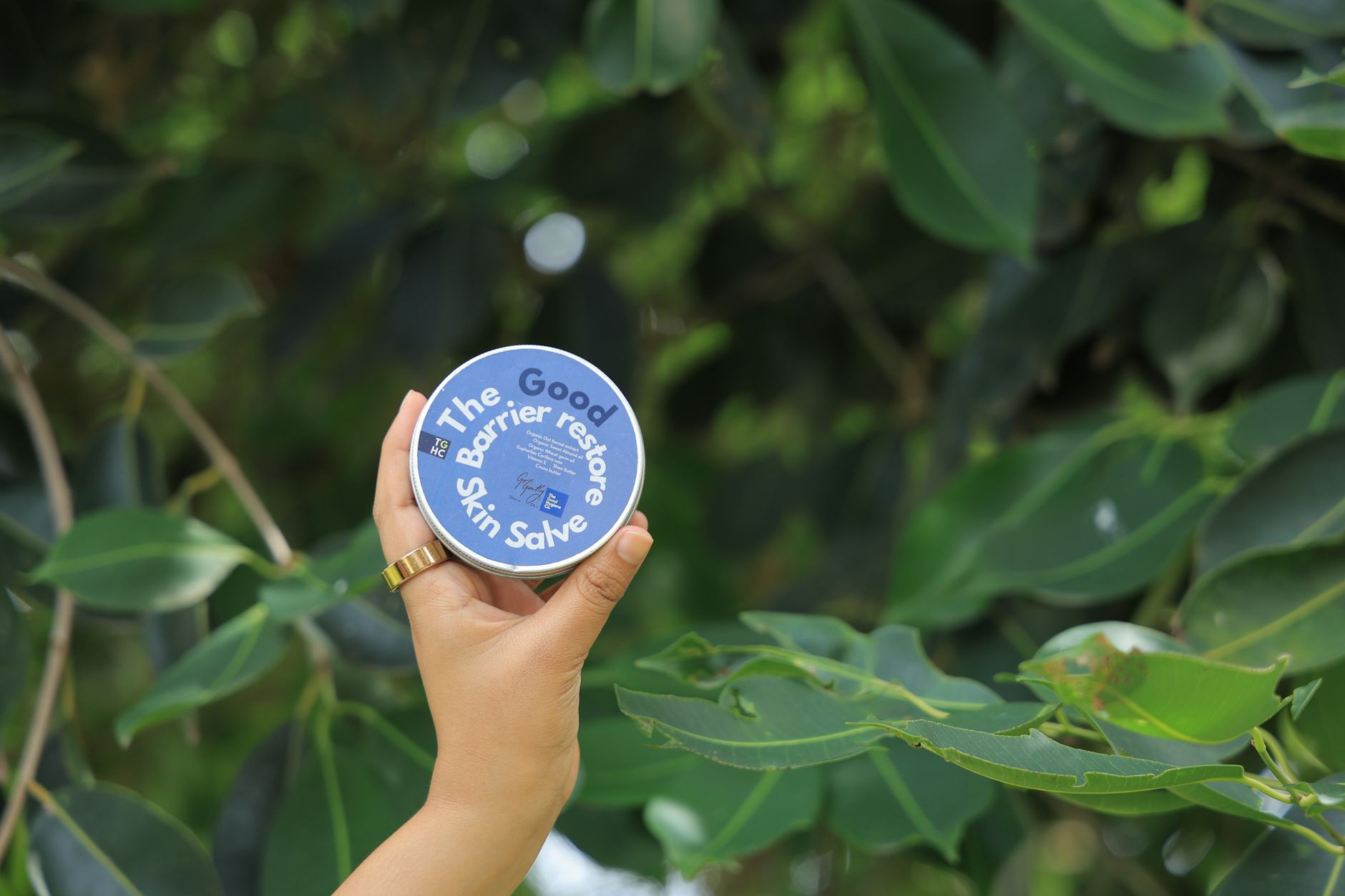
How to Repair Damaged Skin Barrier Naturally
Learn how to repair damaged skin barrier naturally with science-backed remedies, barrier-friendly ingredients, and a step-by-step routine for calm, hydrated skin.
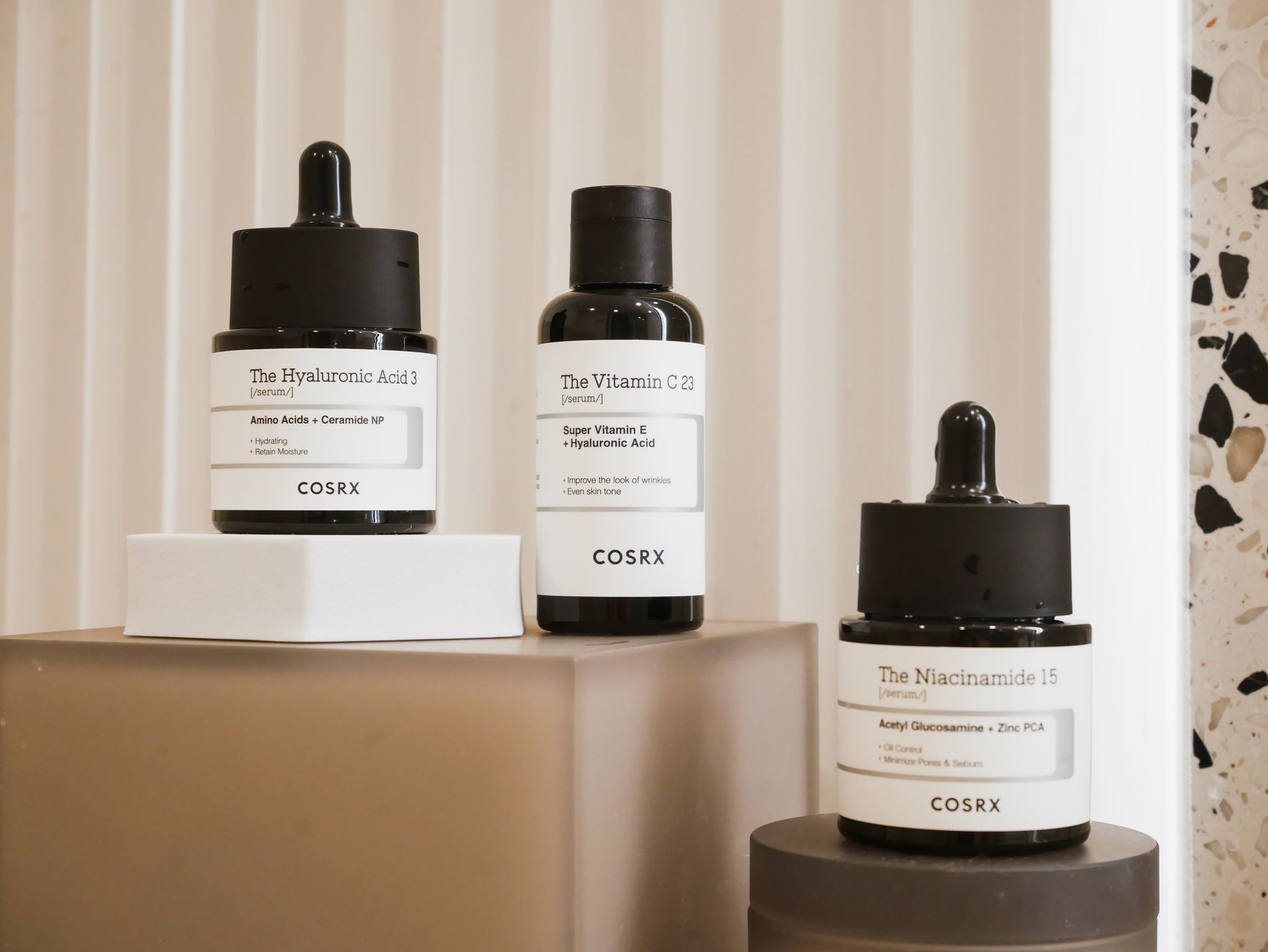
Niacinamide Benefits for Skin: A Complete Guide
Discover the top niacinamide benefits for skin, how to use it, what to avoid, and expert tips for a smoother, brighter complexion.