 Funky Millions
Ceramides in Skincare: Why Your Skin Needs Them
Discover why ceramides in skincare are essential for a healthy barrier, hydrated skin, and fewer signs of aging. Learn how to use them correctly.
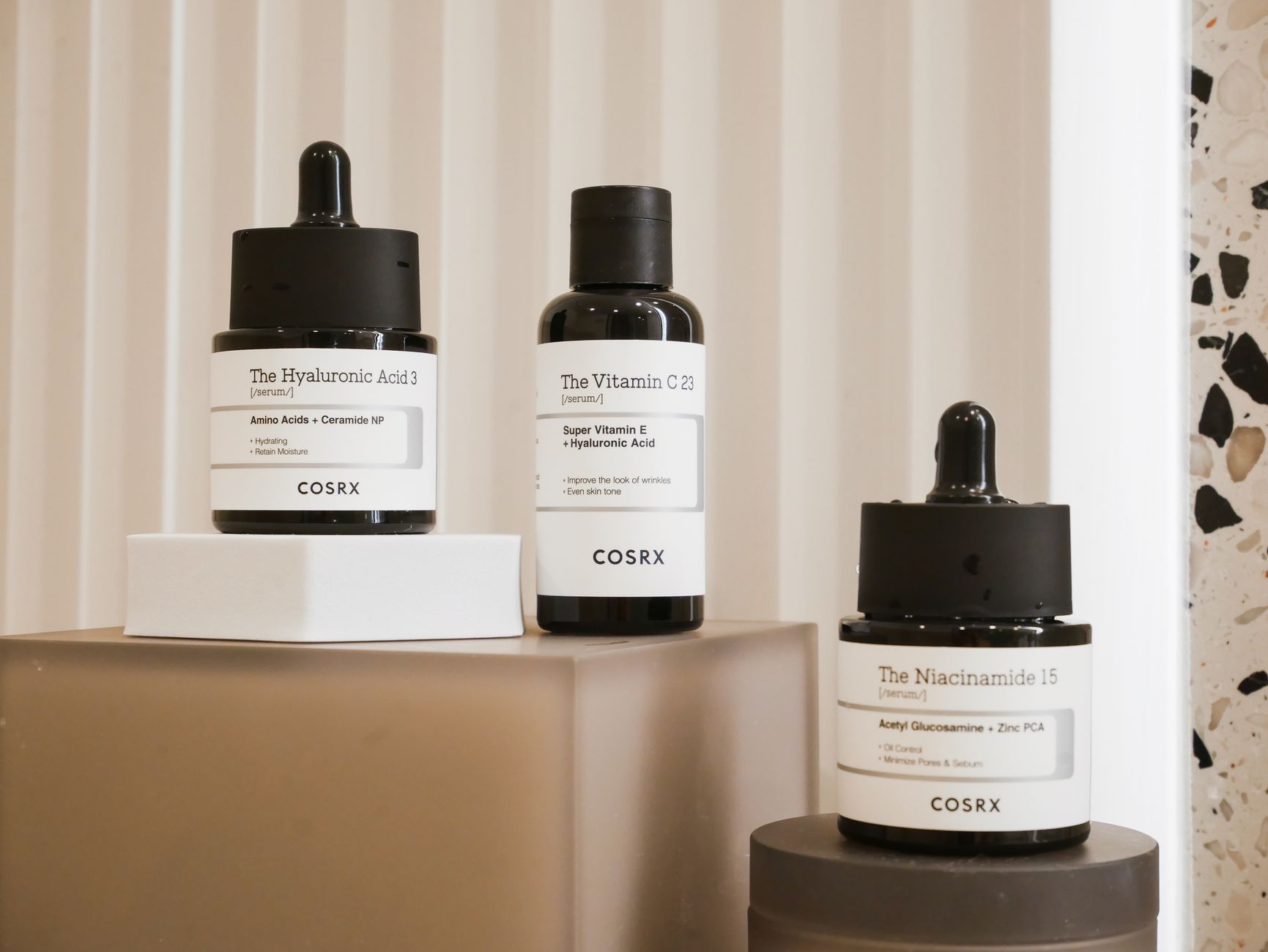
Quick summary
Key Takeaways
- Ceramides are natural fats that make up about half of your skin barrier. Skincare products use synthetic or plant-derived versions to repair and protect this barrier.
- Ceramides are essential for everyone, but especially for dry, sensitive, aging, or acne-prone skin. They restore the barrier that harsh products and environmental stressors break down.
- Apply ceramides after water-based products and before occlusives like petroleum jelly. Use them both morning and night for best results.
If your skin ever feels tight, flaky, or uncomfortably dry no matter how much moisturizer you apply, the real issue might not be dehydration alone. Ceramides in skincare are the unsung heroes that help hold your skin together-literally. These naturally occurring lipids make up roughly 50% of your skin’s outer layer and act like the mortar between bricks, sealing in moisture and keeping irritants out.
Unfortunately, ceramide levels drop with age, sun exposure, harsh cleansers, and cold weather. When that happens, your skin barrier weakens, leading to dryness, sensitivity, redness, and even premature fine lines. The good news is that skincare products formulated with ceramides can help restore what your skin loses over time. Whether you are dealing with eczema, acne, aging concerns, or simply want softer, more resilient skin, adding ceramides to your routine is one of the smartest moves you can make. In this guide, you will learn what ceramides are, how they work, how to use them, and which ingredients pair best with them.
What Are Ceramides?
Ceramides are a type of lipid, or fat molecule, naturally found in the outermost layer of your skin, called the stratum corneum. Think of your skin barrier as a brick wall: skin cells are the bricks, and ceramides are the mortar that holds everything in place.
There are several types of ceramides found in human skin, usually labeled as Ceramide 1, 2, 3, 4, 5, 6, and 6II in skincare ingredient lists. Synthetic or plant-derived ceramides are also common and are often listed as:
- Ceramide NP
- Ceramide AP
- Ceramide EOP
- Phytosphingosine
- Sphingosine
These lab-created versions mimic the structure of natural skin ceramides, helping to replenish the barrier without feeling heavy or greasy.
How Do Ceramides Work?
Ceramides work by filling in the gaps between skin cells in the stratum corneum. When the barrier is intact, it performs two main jobs:
- Prevents water loss - It keeps moisture locked inside the skin.
- Blocks irritants - It stops pollutants, bacteria, and allergens from entering.
When ceramide levels drop, the barrier develops tiny cracks. Water escapes, and irritants slip in. This leads to transepidermal water loss (TEWL), which is the technical term for moisture evaporating from the skin. Ceramide-rich products repair those cracks, restore flexibility, and help your skin stay calm and hydrated.
Research published by the National Institutes of Health (NIH) confirms that ceramide-containing moisturizers can significantly improve barrier function and reduce irritation in people with dry and sensitive skin.
Why Your Skin Needs Ceramides
Your skin loses ceramides for many reasons. Understanding the causes helps explain why replenishing them matters so much.
Common Causes of Ceramide Loss
- Aging: After age 30, ceramide production slows down.
- Harsh cleansers: Sulfates and high-pH soaps strip natural lipids.
- Over-exfoliation: Frequent use of AHAs, BHAs, and retinol can damage the barrier.
- Cold, dry weather: Low humidity pulls moisture from the skin.
- Hot showers: Long, hot baths dissolve protective oils.
- UV exposure: Sun damage disrupts the lipid structure in skin.
- Skin conditions: Eczema, psoriasis, and acne are linked to lower ceramide levels.
Who Benefits Most from Ceramides?
Almost everyone can benefit from ceramides, but they are especially helpful if you:
- Have dry, flaky, or tight skin
- Struggle with redness or sensitivity
- Use acne treatments like salicylic acid or benzoyl peroxide
- Are starting retinol or prescription tretinoin
- Have eczema, dermatitis, or rosacea
- Want to prevent signs of aging
Benefits of Ceramides in Skincare
Ceramides do more than moisturize. Here are the main benefits supported by dermatologists and clinical research.
1. Strengthens the Skin Barrier
A strong barrier is the foundation of healthy skin. Ceramides reinforce the lipid layer, making skin more resilient against environmental damage.
2. Locks in Hydration
By sealing the gaps between skin cells, ceramides reduce water loss. Your skin stays plump and hydrated for longer.
3. Reduces Sensitivity and Redness
When the barrier is repaired, irritants are less likely to trigger inflammation. This means fewer flare-ups and less redness.
4. Supports Acne-Prone Skin
Many acne treatments are drying. Ceramides counteract that dryness without clogging pores. Non-comedogenic ceramide moisturizers can support healing while keeping the barrier intact.
5. Softens Fine Lines and Wrinkles
Well-hydrated skin looks smoother. Ceramides improve elasticity and reduce the appearance of fine lines caused by dehydration.
6. Speeds Up Skin Recovery
After procedures like chemical peels, microdermabrasion, or laser treatments, ceramide creams can calm skin and speed up healing.
7. Safe for All Skin Types
Ceramides are gentle, non-irritating, and suitable for oily, dry, combination, and sensitive skin.
Ceramides vs. Other Moisturizing Ingredients
Not all moisturizers work the same way. Here is how ceramides compare to other popular hydrating ingredients.
| Ingredient | Primary Function | Best For | How It Works |
|---|---|---|---|
| Ceramides | Barrier repair | Dry, sensitive, aging skin | Replenishes lipids in the stratum corneum |
| Hyaluronic acid | Hydration | Dehydrated skin | Draws water into the skin |
| Glycerin | Hydration | All skin types | Attracts moisture from the air |
| Squalane | Moisture sealing | Dry and oily skin | Mimics natural sebum |
| Niacinamide | Barrier support + brightening | Oily, acne-prone skin | Boosts ceramide production |
| Petrolatum | Occlusive protection | Very dry or cracked skin | Forms a protective film on top |
Ceramides and hyaluronic acid work especially well together. Hyaluronic acid pulls water into the skin, while ceramides seal it in.
How to Use Ceramides in Your Skincare Routine
Adding ceramides to your routine is simple. Follow this step-by-step guide for the best results.
Step 1: Cleanse Gently
Use a mild, pH-balanced cleanser that does not strip your skin. Avoid sulfates, alcohol, and overly foamy formulas if your skin is dry or sensitive.
Step 2: Apply Hydrating Toner or Essence
While skin is still slightly damp, apply a toner or essence with hyaluronic acid or glycerin. This gives ceramides water to lock in.
Step 3: Layer a Ceramide Serum or Moisturizer
Apply your ceramide product next. If you use a separate serum, follow it with a ceramide moisturizer to seal everything in.
Step 4: Use Treatments Wisely
If you use active ingredients like retinol, vitamin C, or exfoliating acids, apply them either before or after your ceramide product depending on the texture. Thinnest to thickest is the general rule.
Step 5: Finish with Sunscreen in the Morning
Ceramides help repair damage, but sunscreen prevents it. Always apply SPF 30 or higher during the day.
Sample Ceramide Skincare Routine
Here are two simple routines you can follow.
Morning Routine
- Gentle cleanser
- Hydrating toner
- Vitamin C serum (optional)
- Ceramide moisturizer
- Sunscreen SPF 30+
Evening Routine
- Oil cleanser or micellar water
- Gentle foaming cleanser
- Hydrating toner
- Retinol or exfoliating acid (2–3 times per week)
- Ceramide serum or moisturizer
- Optional occlusive balm on very dry areas
If your skin is reactive, use ceramides both morning and night until your barrier feels stronger. Once your skin stabilizes, you can reintroduce stronger actives slowly.
Best Ingredients to Pair with Ceramides
Ceramides work even better when combined with certain ingredients.
Hyaluronic Acid
Draws moisture into the skin so ceramides can seal it in.
Niacinamide
Helps your skin produce more of its own ceramides and strengthens the barrier over time.
Cholesterol and Fatty Acids
These two lipids, along with ceramides, make up the skin barrier’s natural ratio. Products that contain all three are especially effective.
Peptides
Support collagen production and pair well with ceramides for anti-aging benefits.
Centella Asiatica
Calms redness and inflammation, making it ideal for sensitive skin.
Squalane
Adds lightweight moisture without clogging pores.
Ingredients to Avoid When Using Ceramides
Ceramides are compatible with most ingredients, but some combinations can reduce their effectiveness or irritate your skin.
- Harsh sulfates: Strip natural lipids and undo barrier repair.
- High-pH cleansers: Disrupt the acid mantle.
- Overuse of exfoliants: Too much AHA/BHA/retinol can thin the barrier.
- Fragrance and essential oils: May irritate very sensitive or eczema-prone skin.
If your barrier is compromised, simplify your routine to cleanser, ceramide moisturizer, and sunscreen until your skin recovers.
Common Mistakes to Avoid
Even the best products can underperform if used incorrectly. Avoid these common errors.
Mistake 1: Applying Ceramides to Bone-Dry Skin
Ceramides seal in moisture, but they cannot create it from nothing. Always apply them to damp skin or over a hydrating product.
Mistake 2: Expecting Overnight Results
Barrier repair takes time. Most people notice improvement within one to two weeks, but significant changes may take four to six weeks.
Mistake 3: Using Only Ceramides and Ignoring Other Steps
Ceramides help, but they are not a replacement for sunscreen, gentle cleansing, or a balanced routine.
Mistake 4: Choosing the Wrong Texture for Your Skin Type
Oily skin may prefer a lightweight gel-cream, while very dry skin needs a richer cream or balm.
Mistake 5: Layering Too Many Actives
Using multiple strong ingredients at once can damage the barrier faster than ceramides can repair it.
Product Recommendations: What to Look For
When shopping for ceramide products, consider your skin type and concerns.
For Dry or Mature Skin
Choose a rich cream with ceramides, cholesterol, and fatty acids. Look for terms like "barrier repair" or "intensive moisture."
For Oily or Acne-Prone Skin
Choose a lightweight, non-comedogenic gel-cream. Pair it with treatments like salicylic acid acne treatment to manage breakouts without drying your skin.
For Sensitive Skin
Choose fragrance-free formulas with minimal ingredients. Ceramide creams with niacinamide or Centella Asiatica can reduce redness.
For Eczema or Dermatitis
Look for products approved by dermatologists for eczema-prone skin. These often contain ceramides in a 1:2:1 ratio with cholesterol and fatty acids.
- Look for ceramides in moisturizers and creams. These formats stay on the skin long enough to do their job.
- Check the ingredient list for ceramide precursors. Ingredients like phytosphingosine and sphingosine help your skin make its own ceramides.
- Use them after exfoliation. A ceramide mask or cream after a gentle peel can calm skin and speed recovery.
- Do not forget your neck and hands. These areas show signs of barrier damage and aging too.
- Be consistent. Daily use is the key to long-term barrier strength.
Conclusion
Ceramides in skincare are one of the most reliable ingredients for building and maintaining a healthy skin barrier. They hydrate, protect, calm, and repair-all without irritation. Whether your skin is dry, sensitive, acne-prone, or aging, adding a ceramide product to your routine is a simple step with long-term benefits. Be consistent, pair them with the right supporting ingredients, and protect your skin with sunscreen every day.
Loved this guide? Share it with a friend who is building their skincare routine, or explore more of our skin care articles for expert tips you can trust.
Frequently Asked Questions
Last updated
This article is for informational purposes only and does not constitute medical advice. Consult a licensed dermatologist or healthcare provider before starting any new treatment.
Beauty & Hair Care Editor
Amanda Gurton is a beauty editor and researcher with a focus on translating dermatology and trichology insights into clear, actionable advice. She covers skincare routines, hair health, ingredient science, and everyday beauty habits.
Comments (0)
Be the first to comment.
Related Articles
Skin Flooding: The K-Beauty Hydration Trend Explained
Learn what skin flooding is, how this Korean-inspired hydration method works, and how to try it step by step for plumper, dewier skin.
How Long Does Retinol Purging Last? A Realistic Timeline
How long does retinol purging last? Get a realistic week-by-week timeline, what's normal, and when to worry about your skin's reaction.

Skin Cycling vs. Skin Stacking: Which Method Fits Your Skin?
Skin cycling vs skin stacking: compare these two popular active ingredient routines and learn which approach suits your skin type and goals.

What Is Skin Fasting? Pros, Cons, and How to Try It
Skin fasting explained: what it is, potential benefits and risks, who should try it, and how to do a skincare break safely.