 Funky Millions
Does Blue Light Really Damage Your Skin?
Does blue light from screens damage skin? Learn what research actually shows about HEV light, hyperpigmentation, and whether you need blue light protection.

Quick summary
Key Takeaways
- While screens do emit blue light, sunlight is a far larger and more significant source of everyday blue light exposure.
- Blue light has documented biological effects on skin at high intensities in controlled studies, but evidence for meaningful damage from everyday screen use specifically remains limited.
- UV light has far more robust, well-established evidence of skin damage compared to blue light, which remains a developing area of research.
- The strongest evidence for blue or visible light affecting skin relates to hyperpigmentation in melasma-prone individuals, not general aging or screen-specific damage.
- A tinted mineral sunscreen and a consistent antioxidant routine offer reasonable, low-risk protection if you are concerned about blue light, without needing to buy specialized "blue light" branded products.
- Iron oxide in tinted sunscreen has the most substantiated evidence among ingredients marketed specifically for blue light protection.
- Much of the concerning blue light research uses intensities far higher than everyday screen exposure, which is a normal part of early scientific investigation but means direct claims about device-related skin damage remain less certain than UV research.
With more screen time than ever, "blue light damage" has become a major skincare marketing angle, with entire product lines built around protecting skin from phones, laptops, and other devices. But how much of this is genuinely supported by research, and how much is marketing built on a kernel of legitimate science? This guide separates what is actually known about blue light and skin from what remains unproven or exaggerated.
What Is Blue Light?
Blue light, also called high-energy visible (HEV) light, is a segment of the visible light spectrum with a wavelength between roughly 400 and 490 nanometers. It is emitted by the sun as well as digital screens, LED lighting, and other artificial light sources. Sunlight remains by far the largest source of blue light exposure for most people, screens emit a small fraction of what natural daylight provides.
How Blue Light Differs From UV Light
Blue light and ultraviolet (UV) light are both part of the broader light spectrum, but they behave very differently on skin. UV light, particularly UVA and UVB, has well-established, extensively researched links to sunburn, premature aging, DNA damage, and skin cancer. Blue light has a longer wavelength and lower energy than UV light, and its effects on skin, while an active area of research, are far less established and far less severe based on current evidence.
What Research Actually Shows About Blue Light and Skin
Some studies, particularly using higher-intensity blue light exposure than typical screen use, have suggested potential links to:
- Increased production of reactive oxygen species (a marker of oxidative stress)
- Temporary pigmentation changes in darker skin tones, observed in controlled lab conditions
- Some evidence of mild inflammatory response at high, sustained exposure levels
However, most of these studies used blue light intensities far higher than what a phone or laptop screen emits during normal use, and at typical screen distances and durations, the evidence for meaningful skin damage from device use specifically is much weaker than marketing claims often suggest.
Who Is Most at Risk From Blue Light Exposure
If blue light does have a meaningful effect on skin, research suggests it may be more relevant for:
- People with darker skin tones, who may be more prone to blue-light-induced pigmentation changes based on limited existing studies
- Those with melasma or a history of hyperpigmentation, who may be more sensitive to visible light triggers in general, not just UV
- People with occupational exposure to high-intensity blue or visible light sources beyond typical screen use
Blue Light vs. UV: Comparison Table
| Feature | Blue Light (HEV) | UV Light |
|---|---|---|
| Wavelength | ~400-490 nm | ~10-400 nm |
| Energy level | Lower | Higher |
| Primary sources | Sun, screens, LED lighting | Sun, tanning beds |
| Established skin risks | Limited, still being researched | Extensively documented: burns, aging, cancer risk |
| Sunscreen protection | Only certain formulas (typically tinted mineral sunscreens) offer some blocking | All broad-spectrum sunscreens protect against UV |
| Research consensus | Emerging, mixed evidence | Well established |
Does Blue Light Cause Wrinkles?
Claims that blue light directly causes wrinkles are largely based on the oxidative stress mechanism observed in lab studies, not direct clinical evidence linking everyday screen use to visible wrinkle formation. While oxidative stress is a legitimate contributor to skin aging in general, attributing meaningful wrinkle formation specifically to phone or computer screen exposure oversimplifies a complex, multifactorial process that is far more strongly linked to UV exposure, smoking, and other established factors.
Does Blue Light Cause Hyperpigmentation?
This is the area with the most (though still limited) supporting evidence. Some studies have shown that visible light, including blue light, can trigger or worsen hyperpigmentation, particularly in melasma-prone or darker skin tones, more so than in lighter skin. This effect has been studied primarily in the context of higher-intensity light exposure, such as sunlight, rather than device screens specifically, but it is the strongest evidence-based reason some dermatologists recommend visible-light protection for melasma-prone patients.
Our guide on tranexamic acid for hyperpigmentation covers a treatment option relevant to those managing this specific concern.
Do You Need Blue Light Protection?
For most people, the priority should remain consistent UV protection, since the evidence for UV damage is far more established than for blue light. However, if you have melasma, a history of stubborn hyperpigmentation, or are simply looking for comprehensive protection, a tinted mineral sunscreen (which offers some blue and visible light blocking due to iron oxide content) may offer additional peace of mind without meaningful downside.
How to Protect Skin From Blue Light (If You Choose To)
Step 1: Prioritize UV Protection First
A broad-spectrum SPF 30 or higher remains the most evidence-backed daily protective step, regardless of blue light concerns.
Step 2: Consider a Tinted Mineral Sunscreen
Iron oxide, found in tinted mineral sunscreens, has shown some ability to block visible light, including blue light, particularly relevant for melasma-prone skin.
Step 3: Support Skin With Antioxidants
Antioxidant serums, such as vitamin C, help neutralize oxidative stress from multiple sources, including blue light, UV, and pollution, without needing to isolate blue light specifically.
Step 4: Take Screen Breaks
While primarily beneficial for eye strain rather than proven skin benefit, reducing continuous screen time is a reasonable, low-cost habit with other established wellness benefits.
Ingredients Marketed for Blue Light Protection
| Ingredient | Evidence Level | Notes |
|---|---|---|
| Iron oxide (in tinted sunscreens) | Moderate | Most substantiated blue-light-blocking ingredient available |
| Antioxidants (vitamin C, E, niacinamide) | Indirect | Help counter oxidative stress generally, not blue-light-specific |
| Marketed "blue light serums" | Limited | Often rely on general antioxidant ingredients repackaged with blue light branding |
How Blue Light Research Methodology Shapes the Debate
A significant part of why blue light and skin remains such a contested topic comes down to how the underlying research is actually conducted, which is worth understanding before drawing conclusions from any single headline or product claim.
Many of the most frequently cited studies expose skin cell cultures or animal models to blue light at intensities substantially higher, sometimes by a factor of dozens, than what a phone or laptop screen produces at typical viewing distance and duration. This is a common and often necessary approach in early-stage research, since testing at very low, realistic doses can take far longer to produce measurable, statistically significant effects. However, it also means that translating these findings directly into claims about everyday device use requires an extra, often unstated, leap that marketing materials do not always make clear.
Human studies specifically measuring the skin effects of realistic, device-level blue light exposure over time remain limited compared to the extensive body of research on UV exposure, which has benefited from decades of epidemiological study following large populations. This gap in direct, real-world human evidence is precisely why dermatological guidance continues to prioritize UV protection as the well-established recommendation, while treating blue light protection as a reasonable but less urgent precaution.
Common Mistakes to Avoid
Believing Screens Are a Major Source of Skin-Damaging Light
Sunlight delivers far more blue light exposure than any screen, making sun protection the more meaningful priority.
Buying "Blue Light" Branded Products Instead of Proven Sunscreen
Many blue-light-marketed products are essentially standard antioxidant serums with different branding, while broad-spectrum sunscreen remains the better-evidenced investment.
Assuming All Skin Tones Are Equally Affected
Current research suggests darker skin tones and melasma-prone individuals may be more affected by visible light-triggered pigmentation than lighter skin tones.
Ignoring UV Protection While Focusing on Blue Light
Since UV evidence is far more robust, prioritizing blue light protection over daily sunscreen use is a misallocation of effort.
Blue Light Exposure Beyond Skin: Sleep and Eye Health
While this guide focuses specifically on skin, it is worth noting that blue light's best-documented effects on the body actually relate to sleep and circadian rhythm rather than skin. Blue light exposure in the evening has been shown to suppress melatonin production, which can delay sleep onset and reduce sleep quality. Since poor sleep is separately and more robustly linked to visible skin changes, including dullness and impaired barrier repair, reducing evening screen time may benefit skin indirectly through better sleep, even if the direct skin-damage claims remain less certain.
This distinction is a useful way to reframe the blue light conversation: the strongest, most actionable reason to moderate evening screen exposure may have less to do with the light hitting your skin directly and more to do with its well-established impact on sleep quality, which in turn affects skin health through an entirely separate, better-documented pathway.
- Choose a tinted mineral sunscreen if you are specifically concerned about visible light and hyperpigmentation.
- Don't overspend on "blue light" branded skincare when a solid broad-spectrum sunscreen and antioxidant serum already provide reasonable coverage.
- Focus more on established risk factors, like UV exposure and smoking, than on unproven or exaggerated claims about screen time.
- If you have melasma, discuss visible light protection specifically with a dermatologist, since this is the population with the most relevant evidence.
Conclusion
The evidence on blue light and skin damage is real but often overstated in marketing. Sunlight remains a far bigger source of blue light exposure than any screen, and UV protection continues to be the far more evidence-backed daily priority. If you are melasma-prone or simply want comprehensive protection, a tinted mineral sunscreen with iron oxide and a solid antioxidant routine offer reasonable coverage without needing to invest in specialized "blue light" branded products.
For more on managing pigmentation concerns, see our guide on tranexamic acid for hyperpigmentation.
Category: Skin Care
Tags: blue light, HEV light, screen skin damage, hyperpigmentation, sunscreen, iron oxide, antioxidants, melasma, skincare myths, visible light protection
Frequently Asked Questions
References
Last updated
This article is for informational purposes only and does not constitute medical advice. Consult a licensed dermatologist or healthcare provider before starting any new treatment.
Beauty & Hair Care Editor
Ilma is a beauty editor who specializes in breaking down cosmetic ingredients, skincare routines, and hair care practices. Her work focuses on evidence-based guidance readers can trust and apply.
Comments (0)
Be the first to comment.
Related Articles
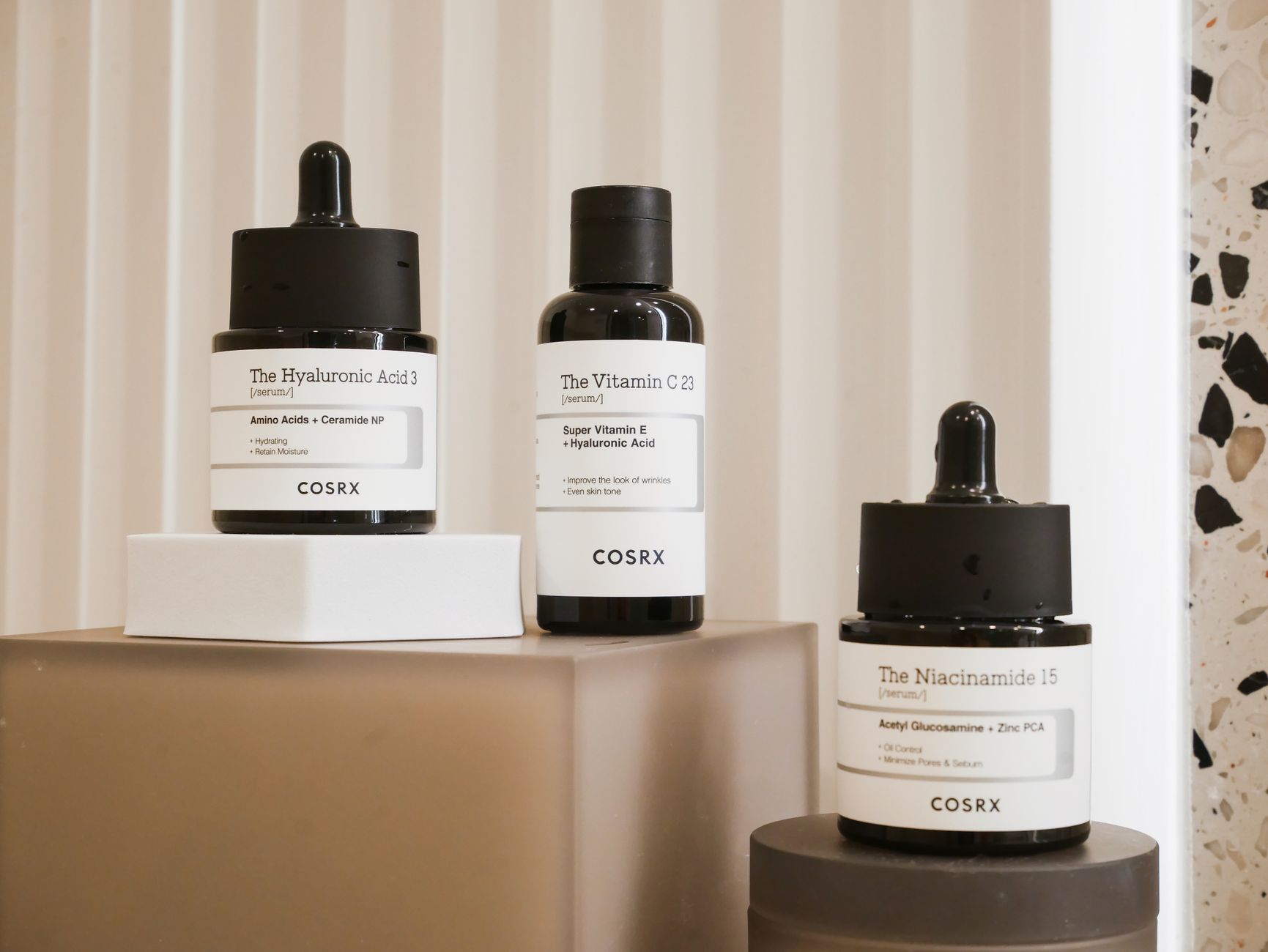
Vitamin C and Niacinamide: Can You Really Not Use Them Together?
Can you use vitamin C and niacinamide together? Learn what the science says about this popular skincare myth and how to layer them correctly.
Alpha Arbutin for Dark Spots: Does It Work?
Discover whether alpha arbutin for dark spots really works. Learn how this gentle brightener fades hyperpigmentation, how to use it, and what results to expect.
Licorice Root Extract for Skin Brightening
Discover how licorice root extract skin brightening works. Learn its science-backed benefits, how to use it safely, and how it compares to other brightening ingredients.

Skincare Ingredients You Should Never Mix Together
Learn which skincare ingredient combinations to avoid, why they conflict, and how to layer active ingredients safely instead.