 Funky Millions
Anti-Aging Skincare Routine in Your 30s: A Science-Backed Guide
Build an effective anti aging skincare routine 30s with proven ingredients, step-by-step routines, and expert tips to reduce fine lines and keep skin glowing.
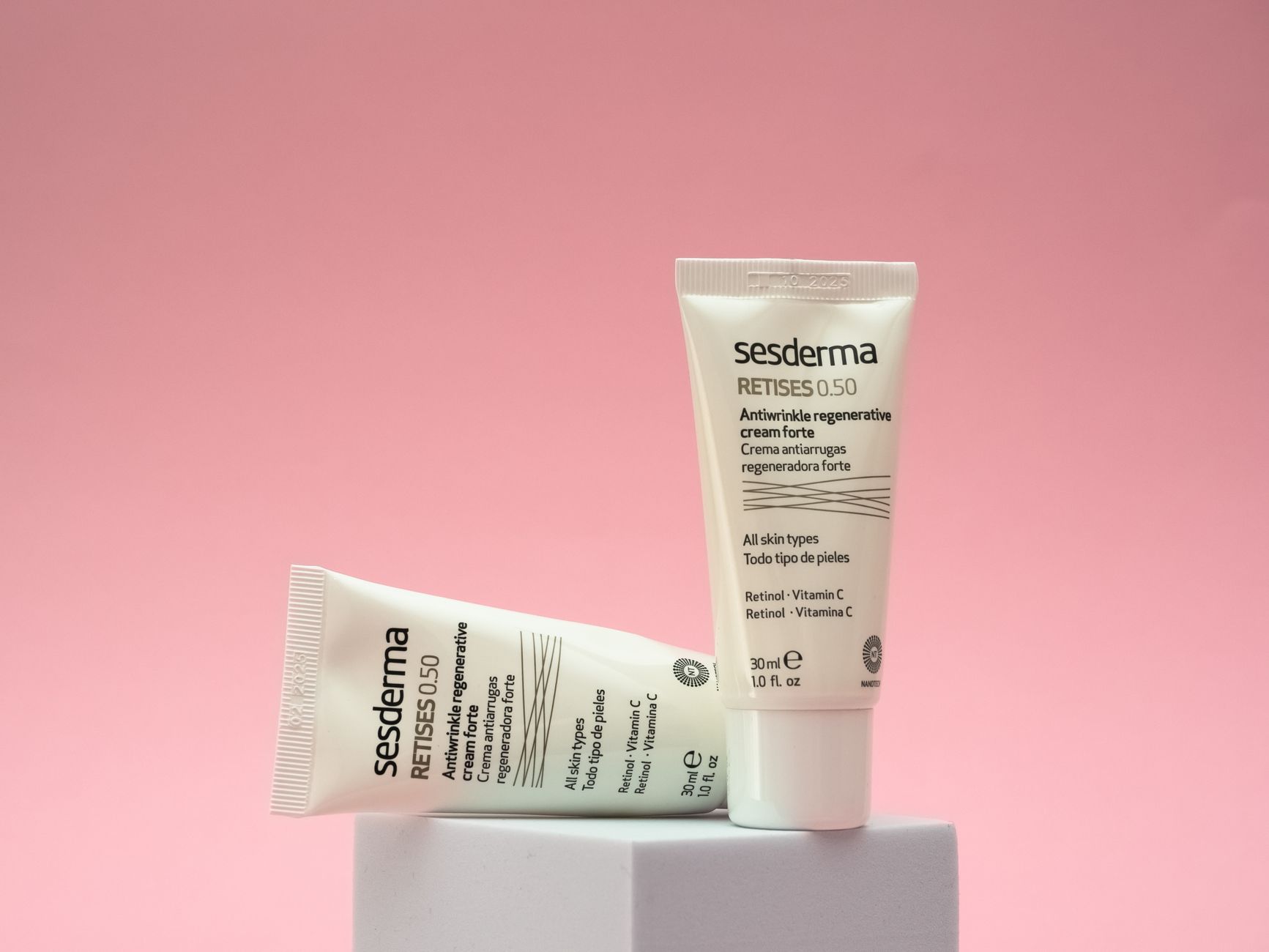
Quick summary
Key Takeaways
- The best anti aging skincare routine 30s combines daily sun protection, gentle cleansing, hydration, antioxidants, and one proven active like retinol - used consistently over time.
- An anti-aging routine in your 30s protects your skin from damage, supports collagen, and keeps your barrier strong - without requiring a dozen products.
- Your 30s are the ideal time to add protective and corrective ingredients before deeper wrinkles and sagging become harder to treat.
- Focus on retinol, vitamin C, niacinamide, hyaluronic acid, peptides, and sunscreen. These six ingredients cover the main causes of skin aging in your 30s.
- Morning routine = cleanse, vitamin C, hydrate, and sunscreen. Protection is the priority.
- Evening routine = cleanse, treat with retinol or repair serums, then moisturize. Nighttime is when skin repair happens.
- One weekly exfoliation treatment and an occasional hydrating mask can speed up brightening and smoothing without irritation.
- Adjust your product textures and active frequencies to your skin type. Consistency matters more than using the most potent products.
- Avoid the biggest aging mistakes by wearing SPF daily, layering actives carefully, using retinol consistently, and treating your neck and hands too.
- Long-term results come from consistency, gentle layering, daily SPF, and healthy lifestyle habits - not from using every trending product.
- Most anti-aging ingredients need 8–12 weeks of consistent use before you notice meaningful changes. Trust the process.
Introduction
Your 30s are when skincare shifts from reactive to proactive. The collagen that kept your skin firm and bouncy in your 20s begins to decline by about 1% each year, and the first fine lines, uneven tone, or dullness can start to appear. Building a focused anti aging skincare routine 30s now is one of the smartest long-term investments you can make for your skin.
This guide walks you through a practical, science-supported routine designed specifically for people in their 30s. You will learn which ingredients actually work, how to layer products in the right order, what common habits speed up aging, and how to adapt the routine to your skin type. Whether you are starting from scratch or upgrading an existing routine, every step here is chosen for real results without overwhelm.
What Is an Anti-Aging Skincare Routine in Your 30s?
An anti aging skincare routine 30s is a targeted daily regimen that focuses on preventing and correcting early signs of aging. It goes beyond basic cleansing and moisturizing by adding evidence-based ingredients that support collagen production, protect against environmental damage, and maintain skin barrier function.
In your 30s, skin cell turnover slows down, natural oil production decreases, and cumulative sun exposure begins to show. A well-built routine addresses these changes with the right products at the right time of day. It is not about using every trending ingredient on the market. It is about consistency, protection, and smart actives.
According to the American Academy of Dermatology, the most effective anti-aging strategy is sun protection combined with a gentle cleanser and moisturizer. Adding targeted treatments like retinoids and antioxidants can further improve fine lines, texture, and tone.
Why Your 30s Are a Skincare Turning Point
Skin aging is influenced by two main factors: intrinsic aging, which is genetic and gradual, and extrinsic aging, which is caused by sun exposure, pollution, stress, diet, and lifestyle habits. In your 30s, both begin to show more clearly.
Collagen Decline Begins to Show
Collagen gives skin its structure and firmness. After age 25, your body produces about 1% less collagen each year. By your 30s, that decline can translate into subtle changes such as less elasticity, more visible pores, and fine lines around the eyes and mouth.
Cell Turnover Slows Down
In your teens and 20s, skin cells renew roughly every 28 days. In your 30s, this process slows, which can lead to dullness, rough texture, and slower fading of dark spots or post-acne marks.
Hormonal Shifts Affect Skin
Many people in their 30s experience hormonal fluctuations from pregnancy, stress, contraceptive changes, or perimenopause. These can trigger adult acne, increased sensitivity, or changes in oil production.
Lifestyle Damage Accumulates
Years of sun exposure, late nights, alcohol, and inconsistent skincare start to catch up. This is why prevention and correction become equally important in this decade.
Best Anti-Aging Ingredients for Your 30s
Not all skincare ingredients are worth your money. The ones below have the strongest clinical support for preventing and reducing early signs of aging.
Retinoids and Retinol
Retinoids are derivatives of vitamin A and are considered the gold standard for anti-aging. They increase cell turnover, stimulate collagen production, and help fade dark spots. Over-the-counter retinol is a good starting point; stronger prescription retinoids like tretinoin are available through a dermatologist.
Start slowly: Use 1–2 nights per week, then gradually increase as your skin tolerates it.
Vitamin C
Vitamin C is a powerful antioxidant that neutralizes free radicals from UV rays and pollution. It also brightens skin, fades hyperpigmentation, and supports collagen synthesis. A concentration of 10–20% L-ascorbic acid is ideal for most people.
Hyaluronic Acid
Hyaluronic acid is a humectant that draws water into the skin, instantly plumping fine lines and improving hydration. It works well on all skin types and pairs easily with other actives.
Niacinamide
Niacinamide, or vitamin B3, strengthens the skin barrier, reduces redness, minimizes the appearance of pores, and helps even out skin tone. It is gentle and works well alongside retinol and vitamin C.
Peptides
Peptides are short chains of amino acids that signal the skin to produce more collagen. They are a good addition for firmness and can be layered with most other ingredients.
Sunscreen
No anti-aging routine is complete without sunscreen. Broad-spectrum SPF 30 or higher protects against UVA rays, which cause wrinkles and sagging, and UVB rays, which cause burns. Daily sunscreen use is the single most effective way to prevent photoaging.
| Ingredient | Primary Benefit | Best Used | Pairs Well With |
|---|---|---|---|
| Retinol | Collagen boost, cell turnover | Night | Hyaluronic acid, niacinamide, moisturizer |
| Vitamin C | Antioxidant, brightening | Morning | Sunscreen, hyaluronic acid |
| Hyaluronic acid | Hydration, plumping | Morning or night | Almost everything |
| Niacinamide | Barrier repair, tone correction | Morning or night | Retinol, vitamin C, peptides |
| Peptides | Firmness, collagen support | Morning or night | Niacinamide, hyaluronic acid |
| Sunscreen | Prevents UV damage and aging | Morning | Last step of routine |
Morning Anti-Aging Skincare Routine
Your morning routine should focus on protection. The goal is to defend your skin against UV rays, pollution, and oxidative stress throughout the day.
Step 1: Gentle Cleanser
Wash away any oil, sweat, or leftover nighttime products. Use a gentle, pH-balanced cleanser that does not strip your skin barrier. If your skin is very dry, rinsing with water alone may be enough.
Step 2: Vitamin C Serum
Apply a vitamin C serum to clean, dry skin. This gives your skin antioxidant protection and helps brighten tone over time. Let it absorb for 1–2 minutes before the next step.
Step 3: Hydrating Serum or Moisturizer
Layer a hyaluronic acid serum or a moisturizer with barrier-supporting ingredients like ceramides or glycerin. Apply to slightly damp skin to lock in hydration.
Step 4: Eye Cream (Optional)
If you notice fine lines, puffiness, or dark circles, a lightweight eye cream with peptides or caffeine can help. Regular moisturizer can also work for many people.
Step 5: Sunscreen
Finish with a broad-spectrum SPF 30 or higher. Use about a nickel-sized amount for your face and do not forget your neck, ears, and the backs of your hands.
Pro Tip: For extra glow, follow these beauty tips for face at home to support your routine naturally.
Evening Anti-Aging Skincare Routine
Your evening routine should focus on repair. This is when your skin recovers from the day and absorbs active ingredients best.
Step 1: Double Cleanse if Wearing Makeup or Sunscreen
Start with a cleansing oil or micellar water to dissolve sunscreen and makeup. Follow with your regular gentle cleanser to remove residue. If you do not wear makeup or heavy sunscreen, a single cleanse is fine.
Step 2: Hydrating Toner or Essence (Optional)
A hydrating toner can prep your skin and add a layer of moisture. Look for ingredients like hyaluronic acid, glycerin, or rose water. Avoid alcohol-based toners, which can dry out your skin.
Step 3: Retinol or Retinoid
Apply retinol to completely dry skin. Start with a low concentration and use it 2–3 nights per week. As your skin adjusts, you can increase frequency. If you are pregnant, breastfeeding, or have very sensitive skin, consult a dermatologist before using retinoids.
Step 4: Niacinamide or Peptide Serum (Optional)
On nights you are not using retinol, you can apply niacinamide or a peptide serum to support barrier repair and collagen production.
Step 5: Moisturizer
Seal everything in with a nourishing moisturizer. A rich night cream or a formula with ceramides and squalane works well, especially if retinol makes your skin dry.
Pro Tip: If retinol irritates your skin, apply moisturizer first, then retinol. This "sandwich" method reduces dryness without blocking effectiveness.
Weekly Treatments to Boost Results
In addition to your daily routine, one or two weekly treatments can enhance your results without overloading your skin.
Chemical Exfoliation
Exfoliating 1–2 times per week removes dead skin cells and improves texture. Choose an AHA like glycolic or lactic acid for dullness and uneven tone, or a BHA like salicylic acid if you are still dealing with clogged pores. Do not use exfoliants on the same night as retinol.
If acne is still a concern, this guide on salicylic acid acne treatment explains how it works and how to use it safely.
Hydrating or Firming Masks
A hydrating mask with hyaluronic acid or a firming mask with peptides can give your skin an extra boost. Use these on nights when you are not using strong actives.
Facial Massage or Gua Sha
Gentle facial massage can improve circulation and reduce puffiness. While it will not replace actives, it can support lymphatic drainage and help products absorb.
Anti-Aging Skincare Routine by Skin Type
Your skin type determines how you should build your routine. What works for dry skin may not work for oily or sensitive skin.
Dry Skin
Dry skin in your 30s often feels tight and may show fine lines more quickly. Use a creamy cleanser, layer hydrating serums, choose a rich moisturizer, and be cautious with retinol frequency.
Key ingredients: Hyaluronic acid, ceramides, squalane, glycerin, peptides
Avoid: Foaming cleansers, alcohol, over-exfoliation
Oily and Acne-Prone Skin
Oily skin can still age, especially if sun damage or inflammation is involved. Use a gel cleanser, lightweight moisturizer, and non-comedogenic sunscreen. Niacinamide and retinol are excellent choices.
Key ingredients: Niacinamide, salicylic acid, retinol, lightweight hyaluronic acid
Avoid: Heavy oils, thick creams, skipping moisturizer
If breakouts are a concern, these tips on how to get clear skin can help balance your routine.
Combination Skin
Combination skin needs balance. Use a gentle gel or cream cleanser and a lightweight gel-cream moisturizer. You can spot-treat oily areas and add extra hydration to dry areas.
Key ingredients: Niacinamide, hyaluronic acid, peptides
Avoid: Heavy occlusives all over the face
Sensitive Skin
Sensitive skin requires a slower, gentler approach. Start with one active at a time, use lower concentrations, and prioritize barrier repair. Avoid fragrance, essential oils, and high-strength acids.
Key ingredients: Niacinamide, azelaic acid, ceramides, allantoin
Avoid: High-percentage retinol, strong acids, fragranced products
| Skin Type | Cleanser | Moisturizer | Star Actives | Frequency of Retinol |
|---|---|---|---|---|
| Dry | Cream or balm | Rich cream | Hyaluronic acid, peptides | 1–2 nights per week |
| Oily/acne | Gel or foaming | Lightweight gel-cream | Niacinamide, retinol, salicylic acid | 2–3 nights per week |
| Combination | Gentle gel-cream | Gel-cream | Niacinamide, hyaluronic acid | 2 nights per week |
| Sensitive | Fragrance-free gentle | Barrier-repair cream | Niacinamide, azelaic acid | 1 night per week |
Common Mistakes to Avoid in Your 30s
Even with good intentions, certain habits can work against your skin. Here are the most common mistakes people make when building an anti-aging routine.
Skipping Sunscreen
Sunscreen is non-negotiable. UV damage is responsible for up to 80% of visible facial aging. Without daily SPF, even the best serums will not deliver lasting results.
Using Too Many Actives at Once
Layering retinol, vitamin C, AHAs, and benzoyl peroxide all at once can damage your barrier and cause redness, peeling, and breakouts. Introduce actives one at a time.
Inconsistent Retinol Use
Retinol only works if you use it regularly. Starting and stopping constantly prevents your skin from adapting and delays visible results.
Neglecting the Neck and Hands
The neck and hands often show age faster than the face because they are frequently forgotten. Extend your skincare routine below your jawline and to the backs of your hands.
Over-Cleansing
Washing your face too often or with harsh cleansers strips natural oils and weakens the skin barrier. Twice a day with a gentle cleanser is enough for most people.
Ignoring Lifestyle Factors
Skincare products can only do so much. Poor sleep, chronic stress, smoking, excessive alcohol, and a diet high in sugar and processed foods all accelerate aging.
How Long Until You See Results?
Patience is essential with anti-aging skincare. Most products need time to show visible changes.
| Product | Expected Timeline |
|---|---|
| Cleanser | Immediate - cleaner, fresher skin |
| Moisturizer | 1–2 weeks - smoother, more hydrated skin |
| Sunscreen | Long-term - prevents new damage over months and years |
| Vitamin C | 4–8 weeks - brighter tone, fading dark spots |
| Niacinamide | 4–8 weeks - reduced redness and more even tone |
| Retinol | 8–12 weeks - smoother texture, fewer fine lines |
| Peptides | 8–12 weeks - improved firmness over time |
Stick with your routine for at least 12 weeks before deciding whether a product works. Take progress photos in consistent lighting to track subtle improvements.
Small habits make a big difference over time. These tips can help you get the most from your routine.
Introduce One Product at a Time
Wait 2–3 weeks between new products so you can identify what works and what irritates your skin.
Apply Products From Thinnest to Thickest
Start with watery products like toners and serums, then move to creams and oils. Sunscreen always goes last in the morning.
Do Not Skip Moisturizer
Even oily skin needs moisture. Dehydrated skin can produce more oil and look older. A good moisturizer supports your barrier and improves how all other products perform.
Protect Your Skin While You Sleep
Change your pillowcase regularly, sleep on your back if possible, and use a silk pillowcase to reduce friction on your face.
Get Professional Help When Needed
If you are dealing with deep wrinkles, significant sagging, or persistent pigmentation, a dermatologist can offer treatments like prescription retinoids, chemical peels, lasers, or injectables.
For a naturally radiant complexion, you may also enjoy these tips on how to make your skin glow.
Conclusion
Building an anti aging skincare routine 30s does not have to be complicated or expensive. The foundation is simple: cleanse gently, protect with sunscreen every morning, repair with retinol at night, and support your skin barrier with hydration and antioxidants. Choose ingredients backed by science, introduce them slowly, and adjust based on your skin type.
Consistency will always beat intensity. Start with the basics, stay patient, and give your routine time to work. Your future skin will thank you.
If you found this guide helpful, share it with a friend and explore more of our skin care articles. For a radiant everyday glow, check out how to make your skin glow, or learn beauty tips for face at home for simple remedies you can try today.
Category: Skin Care
Tags: anti aging skincare routine 30s, skincare routine for 30s, retinol, vitamin C serum, hyaluronic acid, niacinamide, peptides, sunscreen, collagen, fine lines, wrinkles, skin care tips
External References:
Frequently Asked Questions
References
Last updated
This article is for informational purposes only and does not constitute medical advice. Consult a licensed dermatologist or healthcare provider before starting any new treatment.
Beauty & Hair Care Editor
Amanda Gurton is a beauty editor and researcher with a focus on translating dermatology and trichology insights into clear, actionable advice. She covers skincare routines, hair health, ingredient science, and everyday beauty habits.
Comments (0)
Be the first to comment.
Related Articles
How to Layer Skincare Products in the Right Order
Master your skincare routine order with this step-by-step guide. Learn how to layer cleansers, serums, moisturizers, and SPF for healthier, glowing skin.
Skincare Tips for Women in Their 40s
Discover proven skincare tips for women in their 40s to reduce wrinkles, boost collagen, and keep skin radiant. A complete anti-aging routine guide.
Skincare Tips for Women in Their 20s: Build a Routine That Lasts
Discover the best skincare tips women 20s need for clear, healthy, glowing skin. Learn morning and evening routines, key ingredients, and mistakes to avoid.
Summer Skincare Routine for Oily Skin: A Complete Heat-Proof Guide
Build the perfect summer skincare routine for oily skin with this dermatologist-inspired guide. Control shine, prevent breakouts, and protect your skin all season.