 Funky Millions
Summer Skincare Routine for Oily Skin: A Complete Heat-Proof Guide
Build the perfect summer skincare routine for oily skin with this dermatologist-inspired guide. Control shine, prevent breakouts, and protect your skin all season.
Quick summary
Key Takeaways
- A summer skincare routine for oily skin focuses on gentle cleansing, lightweight hydration, oil-controlling actives, and daily SPF - not on stripping your skin bare.
- A summer routine for oily skin is a lighter, non-comedogenic version of your regular regimen, built around oil control, hydration, and sun protection.
- Summer changes how oily skin behaves, so your routine should become lighter, more breathable, and more focused on oil control and sun protection.
- Heat makes sebum more fluid, humidity increases surface moisture, and sweat mixes with oil to clog pores - which is why oily skin needs a specialized summer routine.
- Cleanse, tone, treat with niacinamide, hydrate with a gel moisturizer, and finish with SPF - that is your entire morning summer routine for oily skin.
- In the evening, focus on thoroughly cleansing away the day, treating pores with BHA, and hydrating lightly so your skin can recover overnight.
- Weekly clay masks and chemical exfoliation help manage excess oil and congestion, but do not use them on the same day as strong retinoids.
- Niacinamide, salicylic acid, hyaluronic acid, and mineral sunscreen are the foundation of an effective oily-skin summer routine.
- Look for gel textures, oil-free labels, and non-comedogenic formulas across every step of your summer routine.
- Oily skin needs lightweight products all over, while combination skin can use a hybrid approach with targeted treatments on the T-zone.
- Avoid overwashing, skipping moisturizer, and piling on actives. Consistency and gentleness give better results than aggression.
- Small habits like blotting instead of powdering, using matte sunscreen, and keeping your tools clean make a noticeable difference in summer.
Introduction
When temperatures rise, an oily complexion can feel impossible to manage. A targeted summer skincare routine for oily skin helps you control excess shine, prevent clogged pores, and protect against UV damage without layering heavy products that melt off by noon. The goal is not to strip your skin dry. It is to balance oil production, keep your barrier healthy, and make your routine breathable enough for hot, humid days.
Many people with oily skin believe summer calls for harsh cleansers and skipping moisturizer. That approach usually backfires. When you over-dry your skin, your sebaceous glands compensate by producing even more oil. The right summer skincare routine for oily skin uses lightweight hydration, oil-regulating actives, and consistent sun protection to keep your complexion clear and comfortable.
In this guide, you will learn exactly how heat affects oily skin, the best morning and evening routines, which ingredients to prioritize, and the mistakes that make summer breakouts worse. Whether your skin is mildly shiny or constantly slick, this routine will help you stay matte, protected, and confident all season long.
What Is a Summer Skincare Routine for Oily Skin?
A summer skincare routine for oily skin is a seasonal routine designed to manage excess sebum, prevent breakouts, and protect the skin barrier during hot and humid weather. It is typically lighter than a winter routine and prioritizes gel-based, non-comedogenic, and fast-absorbing products.
The core structure includes:
- A gentle, pH-balanced cleanser
- A lightweight toner or essence
- Oil-regulating serums with niacinamide or salicylic acid
- A non-greasy, gel-based moisturizer
- A broad-spectrum sunscreen
- Weekly exfoliation and clay masking
Unlike generic routines, this approach considers how sebum production increases with heat and humidity. According to the American Academy of Dermatology, people with oily skin should choose oil-free, non-comedogenic products and avoid overwashing, which can worsen oiliness.
Why Oily Skin Needs a Different Routine in Summer
Oily skin does not behave the same way in July as it does in January. The combination of heat, humidity, sweat, and stronger UV exposure creates a perfect environment for clogged pores, breakouts, and midday shine. A summer skincare routine for oily skin addresses these seasonal changes directly.
Here is why your routine should shift when the weather warms up:
- Higher sebum production: Heat stimulates sebaceous glands, increasing oil output.
- More sweat: Sweat mixes with sebum and dead skin cells, clogging pores more easily.
- Heavier SPF formulas: Some sunscreens feel greasy and trigger breakouts.
- Thicker moisturizers feel suffocating: Rich creams can trap heat and oil on the skin.
- Increased UV exposure: Oily skin still needs daily sun protection, but the formula must be breathable.
Adjusting your routine helps prevent the cycle of over-cleansing and over-producing oil. It also reduces the likelihood of heat rash, fungal acne, and irritation from sunscreen reapplication.
The Science: How Heat and Humidity Affect Oily Skin
Understanding what happens to your skin in summer makes it easier to choose the right products. Sebaceous glands produce sebum, an oily substance that helps protect and waterproof the skin. Research published by the NIH explains that sebum production is influenced by hormones, genetics, and environmental temperature.
When temperatures rise:
- Sebum becomes more fluid and spreads across the skin surface more easily, creating a shiny appearance.
- Humidity reduces transepidermal water loss, so your skin may feel less dry but also more congested.
- Sweat glands become more active, increasing moisture on the skin surface. When sweat mixes with sebum and bacteria, breakouts can form.
- UV radiation triggers inflammation and can worsen post-acne marks, making sunscreen essential.
Oily skin also tends to have a stronger barrier function, meaning it can tolerate more active ingredients than dry or sensitive skin. This is why ingredients like salicylic acid and niacinamide work well in a summer skincare routine for oily skin.
Morning Summer Skincare Routine for Oily Skin
Your morning routine should focus on protection, oil control, and a sunscreen you will actually wear. Keep it simple so you can repeat it consistently.
Step 1: Gentle Gel Cleanser
Wash your face with a gentle, sulfate-free gel or foaming cleanser. Avoid bar soaps or harsh cleansers that leave your skin feeling tight. Over-cleansing triggers more oil production.
What to look for: Salicylic acid cleanser, tea tree extract, or simply a pH-balanced gel formula.
Step 2: Balancing Toner
Apply an alcohol-free toner with niacinamide, witch hazel, or green tea. These ingredients help tighten pores and reduce shine without stripping the skin.
Avoid toners with high concentrations of alcohol, which dry out the surface and trigger rebound oiliness.
Step 3: Oil-Control Serum
Use a lightweight serum with niacinamide 5–10%. Niacinamide helps regulate sebum production, reduces redness, and strengthens the skin barrier. If you are acne-prone, a salicylic acid serum can keep pores clear.
For more details on using BHA effectively, read this guide on salicylic acid acne treatment.
Step 4: Lightweight Gel Moisturizer
Even oily skin needs moisturizer in summer. Choose an oil-free, gel-based moisturizer with hyaluronic acid or glycerin. These humectants hydrate without adding heaviness.
Skipping moisturizer signals your skin to produce more oil. A lightweight formula gives hydration without shine.
Step 5: Broad-Spectrum Sunscreen
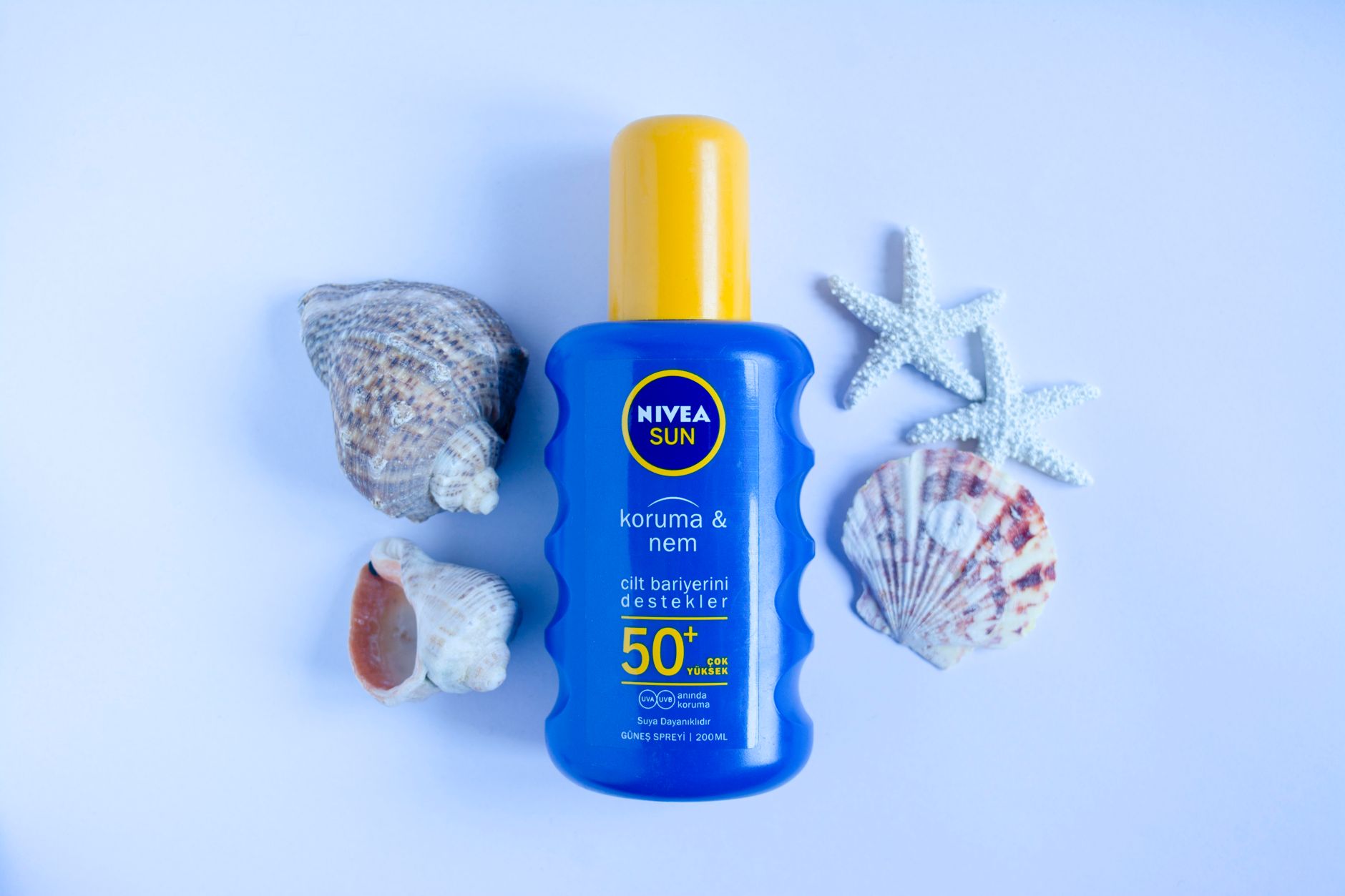
Sunscreen is the most important step. Use a broad-spectrum SPF 30 or higher that is labeled non-comedogenic and oil-free. Gel or fluid sunscreens work best for oily skin.
Apply a nickel-sized amount to your face and do not forget your ears, neck, and hands. Reapply every two hours if you are outdoors.
Evening Summer Skincare Routine for Oily Skin
Your evening routine should remove sunscreen, sweat, and excess oil while helping your skin repair overnight.
Step 1: Double Cleanse
Start with a micellar water or lightweight cleansing oil to dissolve sunscreen and makeup. Follow with a gentle foaming cleanser to remove sweat, dirt, and leftover residue.
Double cleansing is especially helpful in summer because sunscreen and sweat are harder to remove in one step.
Step 2: Exfoliating Toner or Treatment (3 Nights Per Week)
Use a BHA exfoliant like salicylic acid 0.5–2% three nights per week. Salicylic acid is oil-soluble, so it penetrates deep into pores to clear congestion and prevent blackheads.
If you also use retinol, alternate nights to avoid irritation.
Step 3: Hydrating or Repair Serum
On nights when you do not exfoliate, apply a niacinamide or hyaluronic acid serum. These support the skin barrier and keep hydration levels balanced without clogging pores.
Step 4: Lightweight Moisturizer or Gel Cream
Seal everything in with a lightweight gel cream. Look for ingredients like ceramides, squalane, or Centella Asiatica to support barrier repair without heaviness.
Step 5: Optional Spot Treatment
If you have active breakouts, apply a benzoyl peroxide or tea tree spot treatment only on affected areas. This targets bacteria without drying out the rest of your face.
Weekly Treatments to Add in Summer
In addition to your daily summer skincare routine for oily skin, add these treatments once or twice a week for deeper maintenance.
Clay Mask (1–2 Times Per Week)
A clay mask with kaolin or bentonite absorbs excess oil and draws impurities from pores. Use it on oily areas like the T-zone, and avoid over-drying the cheeks.
Leave the mask on for 10–15 minutes, then rinse with lukewarm water and moisturize.
Chemical Exfoliation (2–3 Times Per Week)
Use a salicylic acid or glycolic acid exfoliant to remove dead skin cells and prevent clogged pores. Start with two nights per week and increase only if your skin tolerates it.
For persistent breakouts, combining exfoliation with the advice in how to get rid of pimples can speed up results.
Hydrating Sheet Mask (Optional)
If your skin feels dehydrated from sun exposure, use a lightweight, oil-free hydrating sheet mask once a week. Choose one with hyaluronic acid or aloe vera.
Best Ingredients for Oily Skin in Summer
Choosing the right ingredients makes your summer skincare routine for oily skin far more effective. Here are the top science-backed options.
| Ingredient | What It Does | Best For |
|---|---|---|
| Niacinamide | Regulates sebum, reduces redness, strengthens barrier | Daily oil control and pore appearance |
| Salicylic Acid (BHA) | Penetrates pores, exfoliates inside the follicle | Blackheads, whiteheads, acne-prone skin |
| Hyaluronic Acid | Draws moisture into the skin without oil | Lightweight hydration |
| Zinc Oxide / Titanium Dioxide | Mineral UV filters, often less irritating | Sun protection for oily and sensitive skin |
| Tea Tree Oil | Antibacterial and anti-inflammatory | Spot treating active blemishes |
| Clay (Kaolin/Bentonite) | Absorbs excess oil and impurities | Weekly deep cleaning |
| Green Tea Extract | Antioxidant, anti-inflammatory, sebum-regulating | Calming redness and shine |
| Azelaic Acid | Reduces inflammation and uneven tone | Acne, post-acne marks, rosacea-prone skin |
For a broader look at achieving healthy, clear skin, check out how to get clear skin.
Product Recommendations by Category
You do not need expensive products to build a great summer skincare routine for oily skin. Focus on texture and formula type rather than brand names.
Cleanser
- Gel or foaming cleanser
- pH-balanced, sulfate-free
- Optional salicylic acid for acne-prone skin
Toner
- Alcohol-free
- Contains niacinamide, witch hazel, or green tea
Serum
- Niacinamide 5–10% for daily oil control
- Salicylic acid 0.5–2% for pore clearing
- Vitamin C for brightening and antioxidant protection
Moisturizer
- Oil-free gel or gel-cream
- Non-comedogenic
- Contains hyaluronic acid, glycerin, or ceramides
Sunscreen
- SPF 30 or higher
- Broad-spectrum
- Oil-free, non-comedogenic
- Gel, fluid, or matte finish
Weekly Treatment
- Kaolin or bentonite clay mask
- BHA or AHA exfoliant
- Optional spot treatment with benzoyl peroxide
Summer Skincare Routine: Oily vs. Combination Skin
If you are not sure whether your skin is oily or combination, this comparison will help you adjust your routine correctly.
| Feature | Oily Skin | Combination Skin |
|---|---|---|
| Shine | All over face, especially midday | Mostly in T-zone |
| Pore size | Enlarged across face | Enlarged mainly on nose, forehead, chin |
| Breakouts | Frequent across face | Usually in T-zone or jawline |
| Moisturizer type | Ultra-light gel | Gel-cream |
| Clay mask use | Full face or T-zone | T-zone only |
| Exfoliation focus | Salicylic acid all over | BHA on T-zone, gentler AHA on cheeks |
Combination skin can follow most of the same steps as a summer skincare routine for oily skin, but with slightly richer hydration on dry areas and more targeted treatments on oily zones.
Common Summer Skincare Mistakes for Oily Skin
Even with the right products, certain habits can sabotage your summer skincare routine for oily skin. Avoid these common mistakes.
1. Overwashing Your Face
Washing your face three or four times a day strips natural oils and triggers more sebum production. Stick to morning and evening cleansing, and use blotting papers or a gentle rinse if needed.
2. Skipping Moisturizer
Many people with oily skin skip moisturizer in summer, thinking it will make them greasier. This usually increases oil production. Use an oil-free gel moisturizer instead.
3. Using Heavy Sunscreen
Thick, occlusive sunscreens can feel suffocating and cause breakouts. Switch to a lightweight, oil-free, non-comedogenic formula.
4. Layering Too Many Actives
Using salicylic acid, retinol, vitamin C, and benzoyl peroxide all at once can damage your barrier. Introduce actives one at a time and alternate them.
5. Ignoring Sunscreen Reapplication
One morning application is not enough if you are outdoors. Reapply every two hours, or after swimming or sweating.
6. Using Harsh Physical Scrubs
Rough scrubs create microtears and inflammation, which can worsen acne. Use chemical exfoliants like salicylic acid instead.
These practical tips will help you get the most out of your summer skincare routine for oily skin.
- Keep products in the fridge for a refreshing, de-puffing effect.
- Use blotting papers instead of adding more powder throughout the day.
- Apply sunscreen before makeup and wait a few minutes before the next layer to prevent pilling.
- Choose a matte-finish SPF to reduce midday shine.
- Patch test new products before applying them to your whole face.
- Stay hydrated and eat a balanced diet. Dehydration can indirectly affect skin health.
- Wash pillowcases and face towels regularly to reduce bacteria transfer.
- Avoid touching your face during the day, especially after sweating.
For more glow-boosting advice, explore how to make your skin glow.
Conclusion
A well-planned summer skincare routine for oily skin keeps shine, breakouts, and sun damage under control without over-drying your complexion. Focus on gentle cleansing, lightweight hydration, oil-regulating actives like niacinamide and salicylic acid, and daily sun protection. Consistency matters more than the number of steps.
If you found this guide helpful, share it with a friend who is battling summer shine. Then explore more of our skincare articles, including tips on beauty tips for face at home, for even more ways to keep your skin healthy year-round.
Final Takeaway: Keep it light, keep it consistent, and never skip sunscreen. That is the secret to managing oily skin all summer long.
Frequently Asked Questions
References
Last updated
This article is for informational purposes only and does not constitute medical advice. Consult a licensed dermatologist or healthcare provider before starting any new treatment.
Beauty & Hair Care Editor
Amanda Gurton is a beauty editor and researcher with a focus on translating dermatology and trichology insights into clear, actionable advice. She covers skincare routines, hair health, ingredient science, and everyday beauty habits.
Comments (0)
Be the first to comment.
Related Articles

Skincare Tips for Women in Their 20s: Build a Routine That Lasts
Discover the best skincare tips women 20s need for clear, healthy, glowing skin. Learn morning and evening routines, key ingredients, and mistakes to avoid.
How to Use Tea Tree Oil for Skin Safely
Learn how to use tea tree oil for skin safely with dilution ratios, patch-test steps, benefits, routines, and common mistakes to avoid for calmer skin.
Vitamin C and Niacinamide: Can You Really Not Use Them Together?
Can you use vitamin C and niacinamide together? Learn what the science says about this popular skincare myth and how to layer them correctly.

Snail Mucin Benefits for Skin: What Science Says
Discover the science-backed snail mucin benefits skin, from deep hydration to barrier repair. Learn how to use it, what to avoid, and expert tips.