 Funky Millions
Skincare Tips for Women in Their 20s: Build a Routine That Lasts
Discover the best skincare tips women 20s need for clear, healthy, glowing skin. Learn morning and evening routines, key ingredients, and mistakes to avoid.

Quick summary
Key Takeaways
- The best skincare tips women 20s can follow are simple but powerful: cleanse gently, wear sunscreen daily, hydrate, and add one proven active ingredient at a time.
- A 20s skincare routine is built on three pillars: cleanse, moisturize, and protect with sunscreen. Everything else is an optional upgrade.
- Skincare in your 20s is about prevention, protection, and building habits that keep your skin healthy for years to come.
- In your 20s, your skin is resilient but vulnerable to sun, hormones, and lifestyle. Protecting it now pays off later.
- Focus on proven ingredients like vitamin C, niacinamide, salicylic acid, hyaluronic acid, retinol, and sunscreen rather than chasing every trend.
- A morning routine for your 20s should cleanse, treat, hydrate, and protect with sunscreen.
- Your evening routine should remove buildup, treat concerns with one active, and lock in moisture overnight.
- Weekly treatments like exfoliation and masks support your routine, but they should not replace daily basics.
- Match your routine to your skin type instead of copying someone else's 10-step regimen.
- Avoiding common mistakes like skipping sunscreen, overusing actives, and sleeping in makeup is just as important as what you put on your skin.
- Great skin in your 20s comes from consistent care, healthy habits, and patience, not from a bathroom full of products.
- Match your products to your main skin concern and focus on proven ingredients rather than marketing claims.
- Give each product six to eight weeks before judging its effectiveness, and track progress with photos.
Introduction
Your 20s are the perfect time to build a skincare habit that protects your skin for decades. This guide covers the most effective skincare tips women 20s actually need, from the basics of cleansing and sunscreen to the smart use of actives like vitamin C and retinol. You do not need a complicated 10-step routine to see results. What matters most is consistency, the right ingredients, and a routine that fits your real life.
During your 20s, your skin still produces plenty of collagen and elastin, which keeps it firm and bouncy. But this is also the decade when early sun damage, stress, hormonal shifts, and late nights begin to show. The choices you make now can either set your skin up for long-term health or create problems that become harder to fix later.
Whether you are a complete beginner or trying to improve an existing routine, the advice here is practical, evidence-based, and easy to follow. You will learn how to care for your skin in the morning, what to do before bed, which ingredients are worth your money, and what habits to leave behind.
What Is a Skincare Routine in Your 20s?
A skincare routine in your 20s is a simple, consistent set of steps designed to keep your skin clean, protected, hydrated, and balanced. It focuses on prevention more than correction. The goal is not to fix deep wrinkles or severe damage yet. It is to protect your skin barrier, prevent premature aging, and manage common concerns like acne, oiliness, dryness, and dullness.
Most dermatologists agree that a basic routine needs only three essentials: a gentle cleanser, a moisturizer, and a broad-spectrum sunscreen with SPF 30 or higher. From there, you can add targeted treatments based on your skin type and goals, such as vitamin C for brightness, salicylic acid for breakouts, or retinol for early anti-aging.
Why Skincare in Your 20s Matters
Many women believe skincare becomes important only when wrinkles appear. In reality, the habits you form in your 20s have the biggest long-term impact on how your skin ages. Here is why this decade matters so much.
Prevention Is Easier Than Correction
Sun damage, dehydration, and inflammation accumulate slowly. You may not see the effects immediately, but they show up later as fine lines, dark spots, uneven texture, and loss of firmness. Preventing this damage in your 20s is far easier and less expensive than reversing it in your 30s or 40s.
Your Skin Barrier Is Still Resilient
In your 20s, your skin barrier usually repairs itself quickly. This means you can recover from acne, irritation, or dryness faster than you will later in life. Supporting your barrier now helps it stay strong as you age.
Hormones and Lifestyle Are Active
Your 20s often include stress from school, work, relationships, travel, and irregular sleep. Hormonal fluctuations can trigger breakouts along the jawline and chin. A solid routine helps you manage these changes without overreacting.
It Builds a Lifelong Habit
The sooner you establish a routine, the more automatic it becomes. By the time your skin needs stronger treatments, you will already know how to layer products, read ingredient labels, and listen to your skin.
Skin Changes to Expect in Your 20s
Understanding how your skin behaves in your 20s helps you choose the right products. Here are the most common changes women experience during this decade.
Collagen Production Is Still High
Your skin is still producing plenty of collagen, which gives it a plump, smooth appearance. However, production begins to decline slowly after age 25. This makes your 20s the ideal time to protect what you have.
Oil Production May Fluctuate
Many women in their 20s deal with combination skin. Your T-zone may be oily while your cheeks feel dry. Hormonal changes around your menstrual cycle can also cause temporary breakouts or extra shine.
Post-Acne Marks Fade Slower Than Expected
Even if breakouts clear up, dark spots can linger for weeks or months. This is known as post-inflammatory hyperpigmentation, and it happens when inflammation triggers extra melanin production in the skin.
Early Sun Damage Begins to Surface
Freckles, subtle dark patches, and uneven tone may start to appear. These are often the first visible signs of cumulative UV exposure. Daily sunscreen is the single most effective way to stop them from getting worse.
Stress and Sleep Affect Your Skin
Late nights, caffeine, alcohol, and stress increase cortisol levels. This can trigger breakouts, puffiness, dullness, and slower skin repair. Sleep and stress management are underrated skincare tools.
Best Skincare Ingredients for Women in Their 20s
Not every trending ingredient deserves a place in your routine. The ones below have strong clinical support and are especially useful for women in their 20s.
Vitamin C
Vitamin C is a powerful antioxidant that brightens skin, fades dark spots, and protects against free radical damage from UV rays and pollution. Look for L-ascorbic acid serums with concentrations between 10% and 20%. Use it in the morning before sunscreen.
Niacinamide
Niacinamide, or vitamin B3, is one of the most versatile ingredients for this age group. It helps regulate oil production, reduce redness, minimize pores, and strengthen the skin barrier. It works for almost every skin type and pairs well with most other ingredients.
Salicylic Acid
Salicylic acid is a beta-hydroxy acid that unclogs pores and reduces acne. It is oil-soluble, which means it can penetrate deep into the pore lining to clear out dead skin cells and excess sebum. If breakouts are a concern, this is one of the best ingredients to include. Read more in our guide to salicylic acid acne treatment.
Hyaluronic Acid
Hyaluronic acid is a humectant that draws water into the skin and keeps it hydrated. It is lightweight, non-irritating, and works well under makeup or sunscreen. It is especially helpful if your skin feels tight or dehydrated.
Retinol
Retinol is a form of vitamin A that increases cell turnover, boosts collagen production, and helps prevent early fine lines. In your 20s, a low-strength retinol used two to three nights per week is usually enough. Start slowly to avoid irritation.
Zinc Oxide or Titanium Dioxide
These mineral sunscreen ingredients physically block UV rays. They are generally well tolerated by sensitive skin and provide broad-spectrum protection. Daily sunscreen use is the most important anti-aging step you can take.
Ceramides
Ceramides are lipids that help hold skin cells together and keep moisture in. They are excellent for repairing and maintaining the skin barrier. If you have dry or sensitive skin, a ceramide-rich moisturizer can make a big difference.
Morning Skincare Routine for Your 20s
Your morning routine should protect your skin from the day ahead. It does not need to be long, but it should be consistent.
Step 1: Cleanse
Use a gentle, pH-balanced cleanser to remove any oil, sweat, or leftover products from the night. If your skin is very dry or sensitive, rinsing with water may be enough. Avoid harsh cleansers that leave your skin feeling tight.
Step 2: Apply a Targeted Serum
After cleansing, apply a serum that addresses your main concern. For brightness and protection, use a vitamin C serum. For oil control and redness, choose niacinamide. Let it absorb for about 30 to 60 seconds before the next step.
Step 3: Moisturize
Even oily skin needs moisture. Choose a lightweight, non-comedogenic moisturizer that hydrates without clogging pores. If your skin is dry, look for one with ceramides or hyaluronic acid.
Step 4: Apply Sunscreen
Sunscreen is non-negotiable. Use a broad-spectrum formula with SPF 30 or higher every single day, even if it is cloudy or you are staying indoors. UV rays pass through windows and contribute to premature aging over time.
Evening Skincare Routine for Your 20s
Your evening routine focuses on removing the day, repairing the skin barrier, and supporting cell turnover while you sleep.
Step 1: Remove Makeup and Sunscreen
If you wear makeup or sunscreen, start with a cleansing oil, balm, or micellar water. This first cleanse breaks down products and pollutants. Follow with your regular cleanser to remove residue.
Step 2: Cleanse
Use the same gentle cleanser as your morning routine. Clean skin absorbs treatments more effectively.
Step 3: Apply Treatment Products
This is the step for actives like retinol, salicylic acid, or exfoliating acids. Use only one active per night to avoid irritation. If you are new to retinol, start with one night per week and gradually increase.
Step 4: Moisturize
Finish with a nourishing moisturizer to seal everything in. At night, you can use a slightly richer formula than in the morning. For extra hydration, look for ingredients like hyaluronic acid, glycerin, squalane, or ceramides.
Weekly Treatments to Add
In addition to your daily routine, a few weekly treatments can boost your results without overwhelming your skin.
Exfoliation
Exfoliate one to two times per week to remove dead skin cells and improve texture. Chemical exfoliants like lactic acid or mandelic acid are gentler than harsh scrubs. Avoid over-exfoliating, which can damage your skin barrier.
Clay Masks
If you have oily or acne-prone skin, a clay mask once a week can help absorb excess oil and clear pores. Do not leave it on until it cracks, as this can dry out your skin.
Hydrating Masks
For dry or dehydrated skin, a hydrating sheet mask or overnight mask can give your skin a moisture boost. Use it after cleansing and before moisturizer.
Skincare Tips by Skin Type
Your skin type determines which products and ingredients will work best for you. Here is how to adapt your routine.
Oily Skin
Choose gel-based cleansers and lightweight, oil-free moisturizers. Niacinamide and salicylic acid help control oil and prevent breakouts. Avoid heavy creams that can clog pores.
Dry Skin
Use a creamy, non-foaming cleanser and a richer moisturizer with ceramides or shea butter. Hyaluronic acid and squalane add extra hydration. Avoid over-cleansing, which can strip natural oils.
Combination Skin
Use a balanced cleanser and a lightweight moisturizer. You can apply richer products to dry areas and lighter products to oily zones. Niacinamide is especially helpful for combination skin.
Sensitive Skin
Keep your routine simple and fragrance-free. Look for soothing ingredients like centella asiatica, aloe vera, and allantoin. Introduce new products one at a time and patch test first.
Acne-Prone Skin
Use non-comedogenic products and consider adding salicylic acid or benzoyl peroxide. Do not pick at breakouts, as this increases the risk of scarring. For more help, check our guide on how to get rid of pimples.
Common Skincare Mistakes to Avoid in Your 20s
Even with good intentions, some habits can work against your skin. Avoid these common mistakes.
Skipping Sunscreen
Sunscreen is the most important anti-aging product you can use. Skipping it on cloudy days or because you are indoors undermines every other step in your routine.
Using Too Many Active Ingredients
More is not always better. Layering strong acids, retinol, and vitamin C all at once can irritate your skin and damage your barrier. Start with one active and add others slowly.
Over-Washing Your Face
Washing your face more than twice a day can strip your skin of natural oils and trigger more oil production. Stick to morning and evening cleansing unless you have been sweating heavily.
Ignoring Your Neck and Chest
Your neck and chest are exposed to the same sun and environmental stress as your face. Extend your skincare products downward to keep these areas looking youthful.
Picking at Pimples
Picking increases inflammation, spreads bacteria, and raises the risk of scarring and dark spots. Use a spot treatment instead and be patient.
Sleeping With Makeup On
Going to bed with makeup clogs pores, causes breakouts, and prevents your skin from repairing itself overnight. Always cleanse before bed, even when you are tired.
Product Recommendations by Concern
You do not need expensive products to build an effective routine. Here are ingredient-focused suggestions for common concerns.
| Concern | Key Ingredients | Product Type |
|---|---|---|
| Acne and clogged pores | Salicylic acid, benzoyl peroxide, niacinamide | Cleanser, serum, spot treatment |
| Dullness and uneven tone | Vitamin C, niacinamide, gentle exfoliants | Morning serum, weekly exfoliant |
| Dryness and dehydration | Hyaluronic acid, ceramides, squalane, glycerin | Moisturizer, hydrating serum |
| Early fine lines | Retinol, peptides, antioxidants | Night serum or treatment |
| Redness and sensitivity | Niacinamide, centella asiatica, allantoin | Soothing serum or moisturizer |
| Sun protection | Zinc oxide, titanium dioxide, avobenzone | Broad-spectrum SPF 30+ sunscreen |
Remember, consistency matters more than brand names. Look for well-formulated products with effective concentrations of active ingredients.
How Long Until You See Results?
Skincare is not instant, but most routines show visible improvements within a predictable timeline.
- Cleanser and moisturizer: One to two weeks for better hydration and comfort.
- Sunscreen: Immediate protection; visible anti-aging benefits appear over months and years.
- Vitamin C: Four to eight weeks for brightness and fading of dark spots.
- Niacinamide: Two to four weeks for oil control and redness reduction.
- Salicylic acid: One to four weeks for clearer pores and fewer breakouts.
- Retinol: Eight to twelve weeks for smoother texture and early anti-aging effects.
Stick with a routine for at least six to eight weeks before making major changes. Your skin needs time to adjust and respond.
These additional tips will help you get the most out of your routine.
Start Simple
A three-step routine done consistently is better than a complicated routine you abandon after a week. Master the basics first, then add products based on your needs.
Patch Test New Products
Apply a small amount of any new product to your inner arm or behind your ear for 24 to 48 hours. This reduces the chance of a full-face reaction.
Be Patient
Most skincare products take at least four to six weeks to show visible results. Stick with a routine before deciding whether a product works.
Prioritize Sleep and Hydration
Your skin repairs itself while you sleep. Aim for seven to nine hours of quality sleep each night and drink plenty of water throughout the day.
Manage Stress
Chronic stress raises cortisol, which can trigger breakouts and slow healing. Find stress-relief practices that work for you, such as exercise, journaling, or meditation.
Eat a Balanced Diet
Foods rich in antioxidants, healthy fats, and vitamins support skin health. Omega-3 fatty acids, vitamin C, zinc, and antioxidants from colorful fruits and vegetables are especially beneficial.
Keep Your Pillowcase Clean
Oil, bacteria, and product residue build up on your pillowcase and transfer to your skin while you sleep. Change it at least once a week.
Conclusion
Your 20s are the best time to build a skincare routine that protects and supports your skin for years. The most effective skincare tips women 20s can follow are not complicated. Cleanse gently, moisturize daily, wear sunscreen every morning, and add one proven active ingredient based on your skin's needs.
Consistency beats complexity. Start simple, be patient, and adjust your routine as your skin changes. Small habits today lead to healthier, more radiant skin in your 30s, 40s, and beyond.
If you found this guide helpful, share it with a friend who is starting her skincare journey. You can also explore more of our skin care articles on how to make your skin glow and beauty tips for face at home.
Category: Skin Care
Tags: skincare tips women 20s, skincare routine 20s, morning skincare routine, night skincare routine, vitamin C, niacinamide, sunscreen, retinol, salicylic acid, healthy skin habits, prevent premature aging
Frequently Asked Questions
References
Last updated
This article is for informational purposes only and does not constitute medical advice. Consult a licensed dermatologist or healthcare provider before starting any new treatment.
Beauty & Hair Care Editor
Ilma is a beauty editor who specializes in breaking down cosmetic ingredients, skincare routines, and hair care practices. Her work focuses on evidence-based guidance readers can trust and apply.
Comments (0)
Be the first to comment.
Related Articles

How to Layer Skincare Products in the Right Order
Master your skincare routine order with this step-by-step guide. Learn how to layer cleansers, serums, moisturizers, and SPF for healthier, glowing skin.
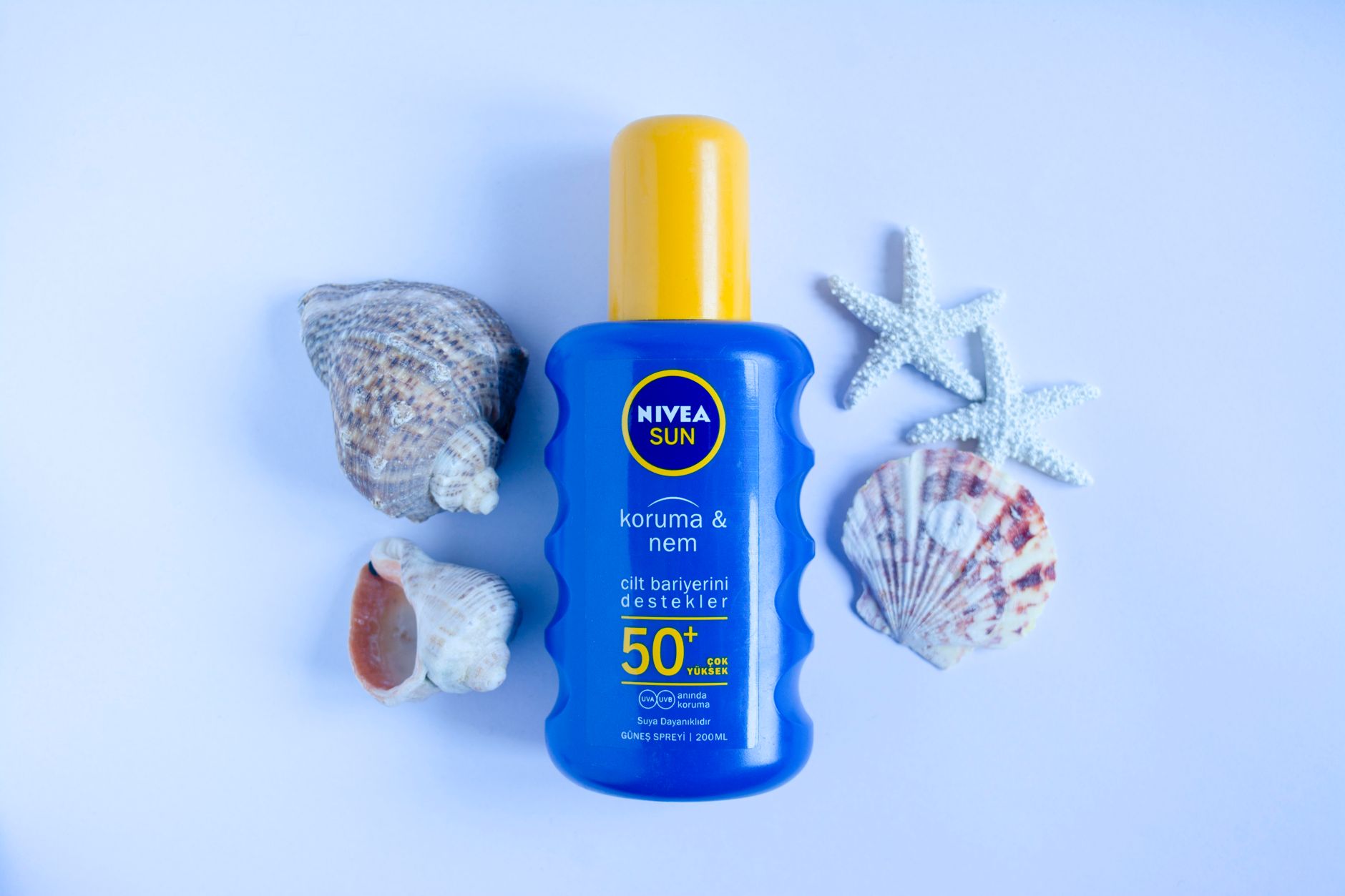
Summer Skincare Routine for Oily Skin: A Complete Heat-Proof Guide
Build the perfect summer skincare routine for oily skin with this dermatologist-inspired guide. Control shine, prevent breakouts, and protect your skin all season.
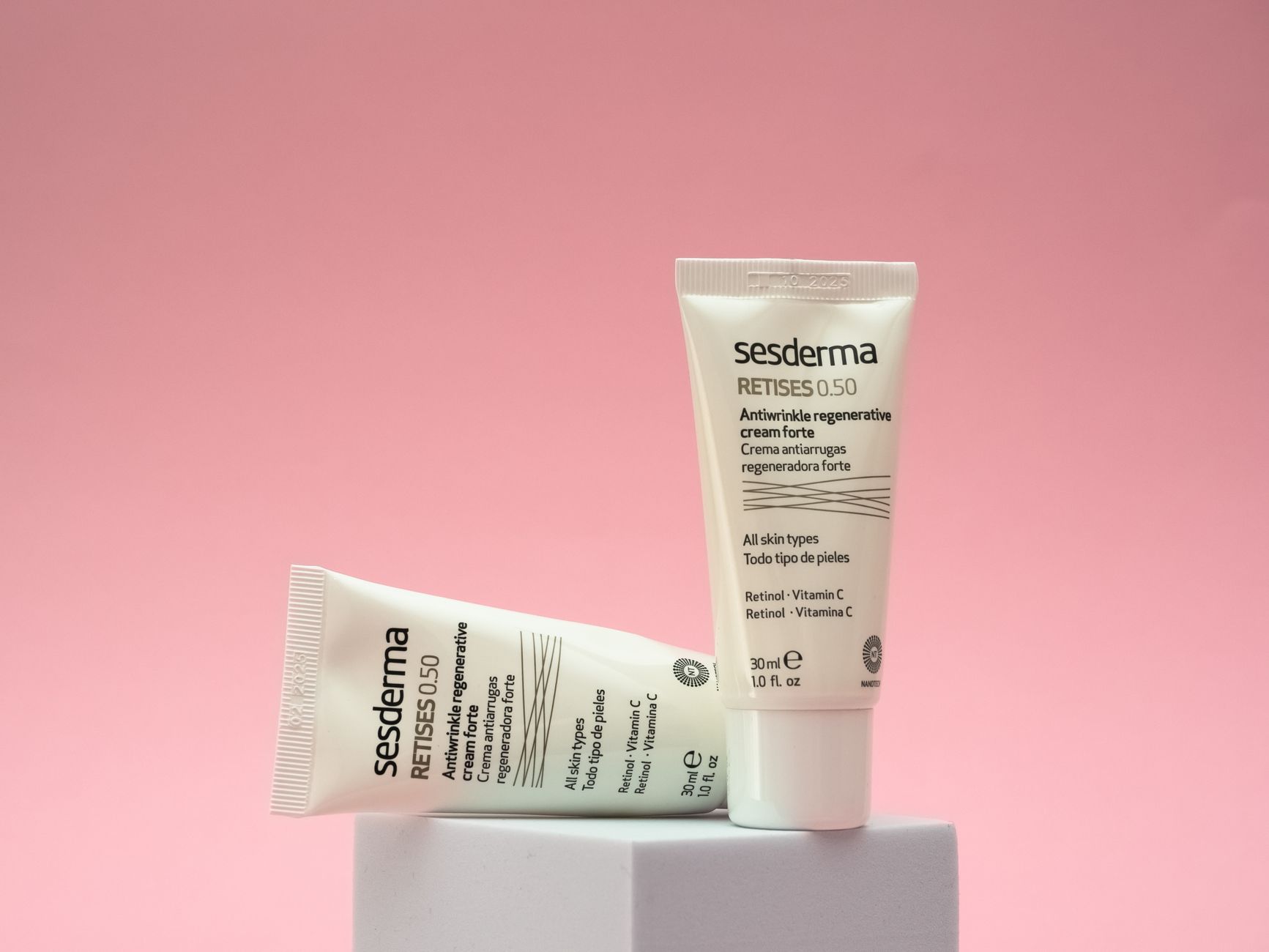
Anti-Aging Skincare Routine in Your 30s: A Science-Backed Guide
Build an effective anti aging skincare routine 30s with proven ingredients, step-by-step routines, and expert tips to reduce fine lines and keep skin glowing.
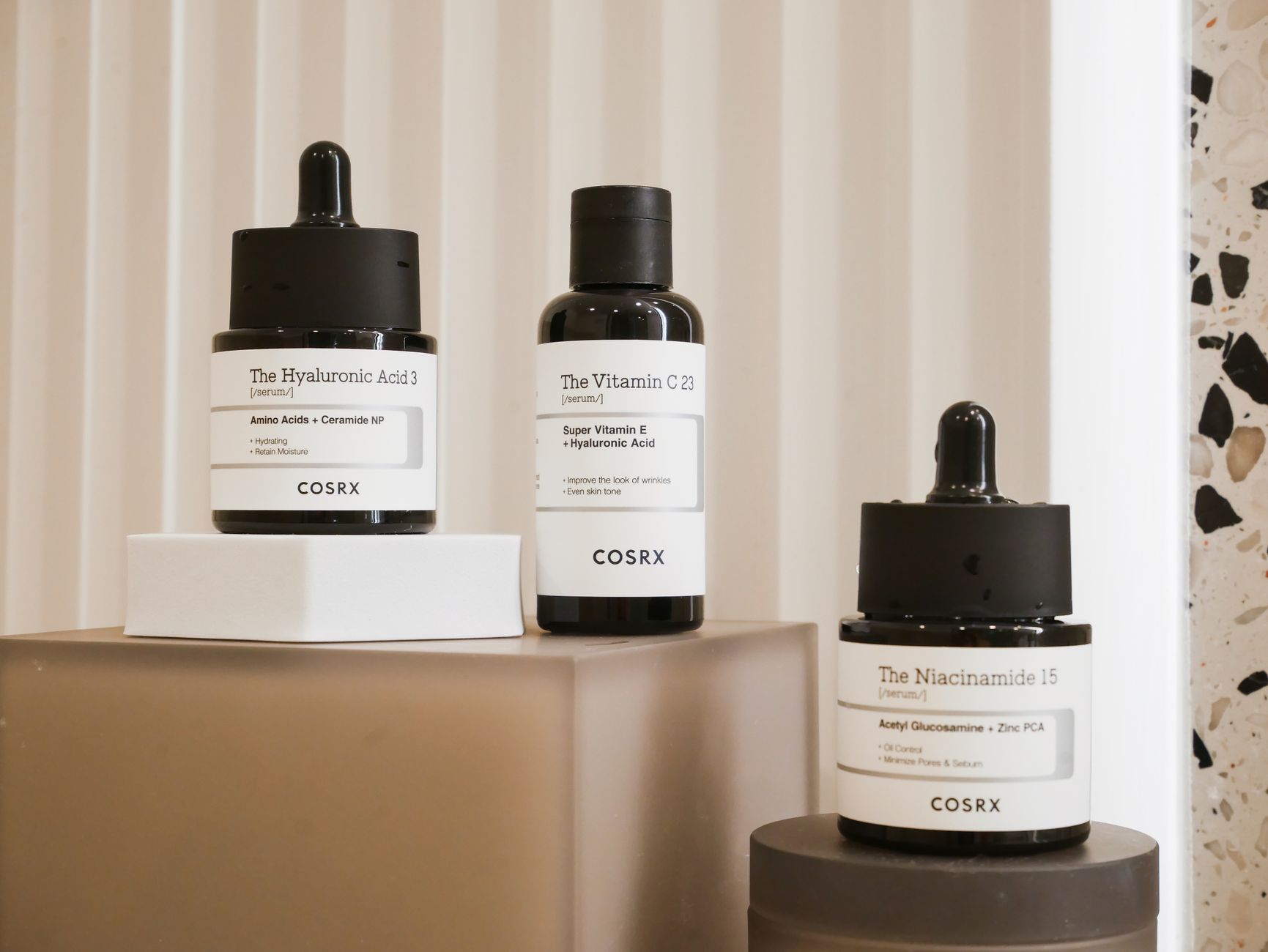
Vitamin C and Niacinamide: Can You Really Not Use Them Together?
Can you use vitamin C and niacinamide together? Learn what the science says about this popular skincare myth and how to layer them correctly.