 Funky Millions
Skincare Tips for Women in Their 40s
Discover proven skincare tips for women in their 40s to reduce wrinkles, boost collagen, and keep skin radiant. A complete anti-aging routine guide.

Quick summary
Key Takeaways
- Skin aging in your 40s is driven mainly by collagen loss, slower cell turnover, and declining hormones. Understanding these changes helps you choose the right products and routine.
- A 40s skincare routine is about repairing past damage while preventing future aging. Consistency matters more than using expensive products.
- A 40s skincare routine should focus on gentle cleansing, hydration, antioxidants, retinoids, and daily sunscreen. Keep it simple but consistent.
- The most effective 40s skincare ingredients are retinol, vitamin C, hyaluronic acid, peptides, niacinamide, ceramides, AHAs, and daily sunscreen.
- The biggest mistakes in a 40s skincare routine are skipping sunscreen, over-exfoliating, using harsh cleansers, and neglecting the neck and chest.
- Expert skincare in your 40s combines patience, hydration, sun protection, stress management, and professional guidance when needed.
- Tailor your routine to your skin type, but every 40s routine should include hydration, retinol, vitamin C, and sunscreen.
Introduction
Turning 40 is a milestone, and your skin starts telling a new story. If you’ve noticed more fine lines, dryness, or a loss of that youthful bounce, you’re not alone. These changes are completely normal, but the right skincare tips for women in their 40s can make a noticeable difference in how your skin looks and feels.
In your 40s, estrogen levels begin to fluctuate and eventually decline, especially as perimenopause approaches. This hormonal shift slows collagen production, weakens the skin barrier, and reduces natural oil production. The result? Skin may become thinner, drier, less firm, and more prone to wrinkles, dark spots, and dullness.
The good news is that a thoughtful, consistent routine can help you protect what you have and repair what’s been lost. This guide covers everything you need to know: what changes happen in 40-something skin, which ingredients actually work, a step-by-step routine, common mistakes to avoid, and expert-backed answers to the most frequently asked questions. Whether you’re building a routine from scratch or upgrading your current one, these skincare tips for women in their 40s are designed to be practical, affordable, and effective.
What Changes in Your Skin During Your 40s?
The Science Behind Aging Skin
Your skin is your body’s largest organ, and it changes with every decade. In your 40s, several biological processes begin to slow down:
- Collagen decline: Collagen production drops by about 1% per year after age 20, and the loss accelerates in your 40s due to hormonal shifts.
- Elastin breakdown: Elastin fibers that keep skin firm and springy weaken, leading to sagging and deeper expression lines.
- Slower cell turnover: Skin naturally renews itself every 28 days in your 20s, but by your 40s, this process can take 40–50 days, causing dullness and rough texture.
- Decreased sebum production: Oil glands become less active, which can leave skin feeling tight, dry, and more sensitive.
- Hormonal fluctuations: Lower estrogen affects skin thickness, moisture retention, and elasticity.
Visible Signs You May Notice
- Fine lines around the eyes, mouth, and forehead
- Deeper nasolabial folds (smile lines)
- Loss of firmness along the jawline and neck
- Increased dryness or dehydration
- Uneven skin tone, sun spots, or melasma
- Enlarged pores and rougher texture
- Darker under-eye circles or puffiness
Why a Targeted Skincare Routine Matters in Your 40s
Prevention Meets Repair
In your 20s and 30s, skincare is mostly about prevention. In your 40s, the focus shifts to repair and maintenance. Your skin needs more support to:
- Replenish lost moisture
- Stimulate collagen and elastin
- Fade hyperpigmentation
- Protect against further UV and environmental damage
- Strengthen the skin barrier
The Emotional Benefit
Taking care of your skin isn’t vanity-it’s self-care. A consistent routine can boost your confidence, help you feel more in control, and give you a few quiet minutes each day just for yourself.
Step-by-Step Skincare Routine for Women in Their 40s
Morning Routine
Step 1: Gentle Cleanser
Start your day with a hydrating, sulfate-free cleanser. Avoid harsh foaming cleansers that strip natural oils. Look for ingredients like glycerin, ceramides, or hyaluronic acid.
How to use: Massage onto damp skin for 30–60 seconds, then rinse with lukewarm water.
Step 2: Antioxidant Serum (Vitamin C)
Vitamin C is one of the best antioxidants for 40-something skin. It brightens dull skin, fades dark spots, and protects against free radical damage from pollution and UV rays.
How to use: Apply 3–5 drops to clean, dry skin. Let it absorb for 1–2 minutes before the next step.
Step 3: Hydrating Serum (Hyaluronic Acid)
Hyaluronic acid holds up to 1,000 times its weight in water, making it ideal for plumping fine lines and boosting hydration.
How to use: Apply to damp skin, then follow with moisturizer to seal it in.
Step 4: Eye Cream
The skin around your eyes is the thinnest on your face and often shows aging first. Choose an eye cream with peptides, caffeine, or retinol.
How to use: Gently tap a pea-sized amount around the orbital bone with your ring finger.
Step 5: Moisturizer with Ceramides or Peptides
A rich, barrier-repairing moisturizer is essential. Peptides signal collagen production, while ceramides restore the skin’s protective barrier.
How to use: Apply generously to face and neck.
Step 6: Broad-Spectrum SPF 30 or Higher
Sunscreen is the single most important anti-aging product. UV exposure is responsible for up to 80% of visible facial aging.
How to use: Apply ¼ teaspoon to face and neck 15 minutes before sun exposure. Reapply every 2 hours if outdoors.
Evening Routine
Step 1: Double Cleanse
If you wear makeup or sunscreen, start with an oil-based cleanser, then follow with a gentle water-based cleanser.
Why it works: The first cleanse dissolves oil, sunscreen, and makeup. The second cleanse removes sweat, dirt, and remaining residue.
Step 2: Retinoid or Retinol
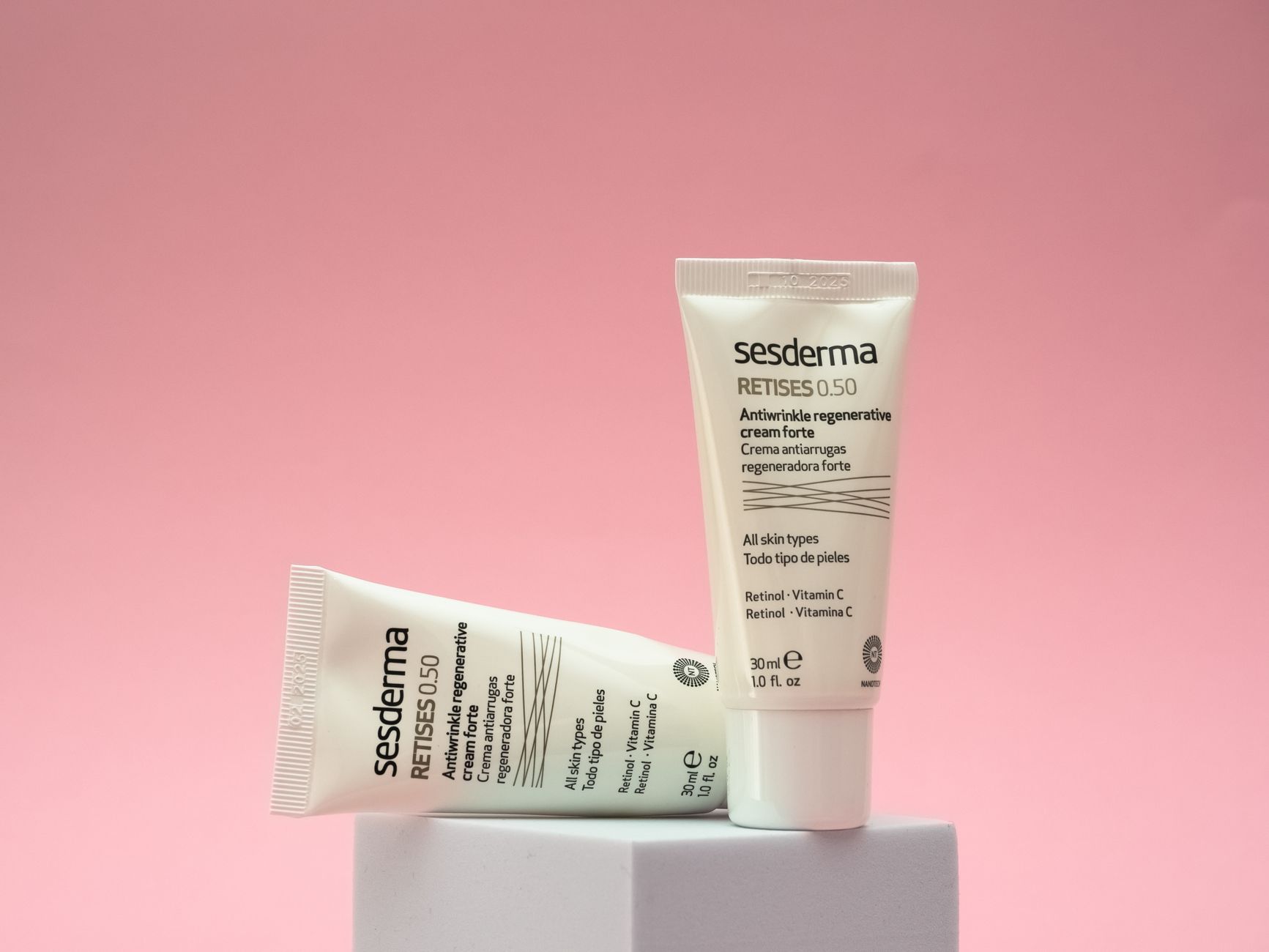
Retinoids are the gold standard for collagen stimulation, wrinkle reduction, and cell turnover. Start with a low concentration (0.25%–0.3%) and increase gradually.
How to use: Apply a pea-sized amount to dry skin, avoiding the eye area. Use 2–3 nights per week at first, then build up to nightly use.
Step 3: Niacinamide Serum (Optional)
Niacinamide strengthens the skin barrier, reduces redness, minimizes pore appearance, and helps even skin tone.
How to use: Apply before or mixed with moisturizer.
Step 4: Hydrating Moisturizer or Night Cream
Night creams are typically richer and contain repairing ingredients like ceramides, peptides, squalane, or shea butter.
How to use: Apply as the final step to lock in all previous products.
Step 5: Facial Oil (Optional)
A few drops of rosehip, squalane, or argan oil can provide extra nourishment for very dry skin.
How to use: Press into skin after moisturizer, or mix 1–2 drops into your night cream.
Best Ingredients for Skin in Your 40s
Retinoids / Retinol
Retinoids are derivatives of vitamin A. They speed up cell turnover, boost collagen, and reduce the appearance of fine lines and sun damage. Prescription tretinoin is stronger, while over-the-counter retinol is gentler.
Vitamin C
A powerful antioxidant that neutralizes free radicals, brightens skin, and inhibits melanin production to fade dark spots.
Hyaluronic Acid
A humectant that draws moisture into the skin, instantly plumping fine lines and improving hydration.
Peptides
Short chains of amino acids that tell your skin to produce more collagen and elastin.
Niacinamide
A form of vitamin B3 that calms inflammation, strengthens the barrier, and improves skin texture and tone.
Ceramides
Lipids that make up over 50% of the skin barrier. They help retain moisture and protect against irritants.
Alpha Hydroxy Acids (AHAs)
Glycolic acid and lactic acid exfoliate dead skin cells, improve texture, and boost radiance.
Sunscreen
Mineral (zinc oxide, titanium dioxide) or chemical filters that protect against UVA and UVB rays.
| Ingredient | Primary Benefit | Best Used In |
|---|---|---|
| Retinol | Collagen production, wrinkle reduction | Night serum or cream |
| Vitamin C | Brightening, antioxidant protection | Morning serum |
| Hyaluronic Acid | Hydration, plumping | Morning and night serum |
| Peptides | Firmness, barrier support | Moisturizer or serum |
| Niacinamide | Tone, texture, barrier repair | Serum or moisturizer |
| Ceramides | Moisture retention, barrier repair | Moisturizer |
| AHAs | Exfoliation, radiance | Night toner or serum |
| Sunscreen | UV protection, prevents aging | Morning final step |
Common Skincare Mistakes to Avoid in Your 40s
1. Skipping Sunscreen
Even on cloudy days, UV rays penetrate clouds and windows. Skipping sunscreen undoes the benefits of every other product in your routine.
2. Over-Exfoliating
Using strong acids every night can damage your skin barrier, causing redness, sensitivity, and more dryness. Limit chemical exfoliation to 1–3 times per week.
3. Using Harsh Cleansers
Foaming, sulfate-based cleansers can strip your skin and make dryness worse. Switch to creamy or hydrating formulas.
4. Ignoring the Neck and Chest
The neck and décolletage often show age faster than the face because they have less oil and thinner skin. Extend your products down to these areas.
5. Starting Retinol Too Strong
Jumping straight to a high-strength retinol can cause peeling, redness, and irritation. Start low and go slow.
6. Neglecting Sleep and Diet
No product can fully compensate for poor sleep, dehydration, or a diet high in sugar and processed foods. Skin health starts from within.
7. Layering Too Many Active Ingredients
Using retinol, vitamin C, AHAs, and benzoyl peroxide all at once can overwhelm your skin. Introduce one active at a time.
Recommended Skincare Routine for Different Skin Types
Dry Skin
- Cleanser: Cream or oil cleanser
- Serum: Hyaluronic acid + vitamin C
- Moisturizer: Rich cream with ceramides and squalane
- Treatment: Gentle retinol 2–3 nights per week
- Sunscreen: Hydrating SPF 30+
Oily or Combination Skin
- Cleanser: Gel or lightweight foam cleanser
- Serum: Niacinamide + vitamin C
- Moisturizer: Oil-free, gel-based moisturizer
- Treatment: Retinol or adapalene at night
- Sunscreen: Mattifying SPF 30+
Sensitive Skin
- Cleanser: Fragrance-free cream cleanser
- Serum: Niacinamide or azelaic acid
- Moisturizer: Barrier-repair cream with ceramides
- Treatment: Low-dose retinol or bakuchiol
- Sunscreen: Mineral SPF 30+
Lifestyle Habits That Support Healthy Skin
Eat a Skin-Friendly Diet
Focus on foods rich in antioxidants, healthy fats, and protein:
- Omega-3 fatty acids (salmon, walnuts, flaxseed)
- Vitamin C (citrus, berries, bell peppers)
- Vitamin E (almonds, sunflower seeds, avocado)
- Zinc (pumpkin seeds, lentils, chickpeas)
- Collagen-supporting foods (bone broth, leafy greens)
Stay Active
Exercise improves circulation, which delivers oxygen and nutrients to the skin. It also helps manage stress and supports hormone balance.
Get Quality Sleep
Aim for 7–9 hours of sleep per night. Your skin repairs itself most actively during deep sleep.
Limit Alcohol and Sugar
Both can dehydrate the skin, trigger inflammation, and accelerate collagen breakdown.
Be Patient with Retinol
It can take 8–12 weeks to see visible results from retinol. Mild peeling and sensitivity in the first few weeks are normal. Buffer it with moisturizer if needed.
Prioritize Hydration From the Inside Out
Drink plenty of water throughout the day and eat water-rich foods like cucumbers, oranges, and leafy greens.
Don’t Forget Your Hands
Hands often reveal age early. Apply sunscreen and moisturizer to your hands daily.
Sleep on Your Back
Side and stomach sleeping can deepen wrinkles over time. A silk pillowcase can also reduce friction on your skin.
Manage Stress
Chronic stress raises cortisol, which can break down collagen and worsen inflammation. Meditation, exercise, and adequate sleep all help.
Consider Professional Treatments
For deeper concerns, options like chemical peels, microneedling, laser therapy, or Botox can complement your at-home routine. Always consult a board-certified dermatologist.
Stick With What Works
Once you find products that improve your skin, consistency is more valuable than constantly trying new trends.
Conclusion
Your 40s are a time to embrace your skin with knowledge, patience, and care. The right skincare tips for women in their 40s can help you reduce visible signs of aging, restore hydration, and protect your skin for the decades ahead. Focus on the essentials: a gentle cleanser, vitamin C, hyaluronic acid, retinol, ceramides or peptides, and daily sunscreen.
Remember, great skin is not about perfection. It’s about consistency, healthy habits, and choosing products that support your skin’s changing needs. Start with one or two changes, build your routine over time, and celebrate the progress.
Did you find this guide helpful? Share it with a friend who might benefit, and explore more of our skin care articles on FunkyMillions.
Frequently Asked Questions
References
Last updated
This article is for informational purposes only and does not constitute medical advice. Consult a licensed dermatologist or healthcare provider before starting any new treatment.
Beauty & Hair Care Editor
Amanda Gurton is a beauty editor and researcher with a focus on translating dermatology and trichology insights into clear, actionable advice. She covers skincare routines, hair health, ingredient science, and everyday beauty habits.
Comments (0)
Be the first to comment.
Related Articles
Anti-Aging Skincare Routine in Your 30s: A Science-Backed Guide
Build an effective anti aging skincare routine 30s with proven ingredients, step-by-step routines, and expert tips to reduce fine lines and keep skin glowing.

How to Layer Skincare Products in the Right Order
Master your skincare routine order with this step-by-step guide. Learn how to layer cleansers, serums, moisturizers, and SPF for healthier, glowing skin.

Neck and Décolletage Skincare: A Complete Anti-Aging Routine
Learn effective neck and décolletage skincare routines to reduce lines, sagging, and sun damage. Discover expert tips, ingredients, and daily habits for smoother skin.

Sleep and Skin Health: Why Beauty Sleep Is Real
Discover how sleep and skin health are connected. Learn the science behind beauty sleep, skin repair at night, and how to build a bedtime routine for glowing skin.