 Funky Millions
Neck and Décolletage Skincare: A Complete Anti-Aging Routine
Learn effective neck and décolletage skincare routines to reduce lines, sagging, and sun damage. Discover expert tips, ingredients, and daily habits for smoother skin.
Quick summary
Key Takeaways
- Neck and décolletage skincare is a focused routine that treats the thin, delicate skin below the jawline with hydration, protection, and targeted anti-aging ingredients.
- The neck and décolletage age faster than the face due to thinner skin, sun exposure, and fewer oil glands, making dedicated care essential for a youthful look.
- Aging in this area is driven mainly by sun exposure, repetitive movement, collagen loss, and dryness-most of which are preventable or manageable.
- Your morning routine should focus on protection: cleanse, hydrate, treat with antioxidants, moisturize, and always finish with SPF 30+.
- At night, focus on repair with retinol or peptides, followed by a rich moisturizer to support skin renewal and barrier recovery.
- The most effective ingredients for neck and décolletage skincare include retinol, peptides, hyaluronic acid, niacinamide, vitamin C, ceramides, and daily sunscreen.
- Small habits-extending products downward, applying SPF, improving posture, and sleeping on your back-make a big difference over time.
- Avoid the most common mistakes by extending products below the jawline, using gentle exfoliation, starting slowly with retinol, and never skipping sunscreen.
- Professional treatments like lasers, radiofrequency, microneedling, and peels can enhance results, but daily skincare remains the foundation.
Introduction
Your face gets all the attention, but your neck and chest often tell a different story. If you want your skin to look youthful and healthy from every angle, neck and décolletage skincare deserves a dedicated spot in your routine. This area is thinner, more delicate, and exposed to the same sun, pollution, and aging factors as your face-yet most people stop their products at the jawline.
The décolletage includes the skin on your chest, cleavage, and upper breasts. The neck skin is naturally looser and contains fewer oil glands, which means it is more prone to dryness, crepiness, horizontal lines, and sagging. With the right approach, you can slow these signs of aging and keep the area looking smooth, firm, and even-toned.
In this guide, you will learn why neck and décolletage skincare matters, what causes damage, a step-by-step daily routine, common mistakes to avoid, expert product tips, and answers to the most frequently asked questions. Whether you are in your twenties and building prevention habits or in your fifties addressing visible aging, this article will help you treat this often-neglected area with the care it deserves.
What Is Neck and Décolletage Skincare?
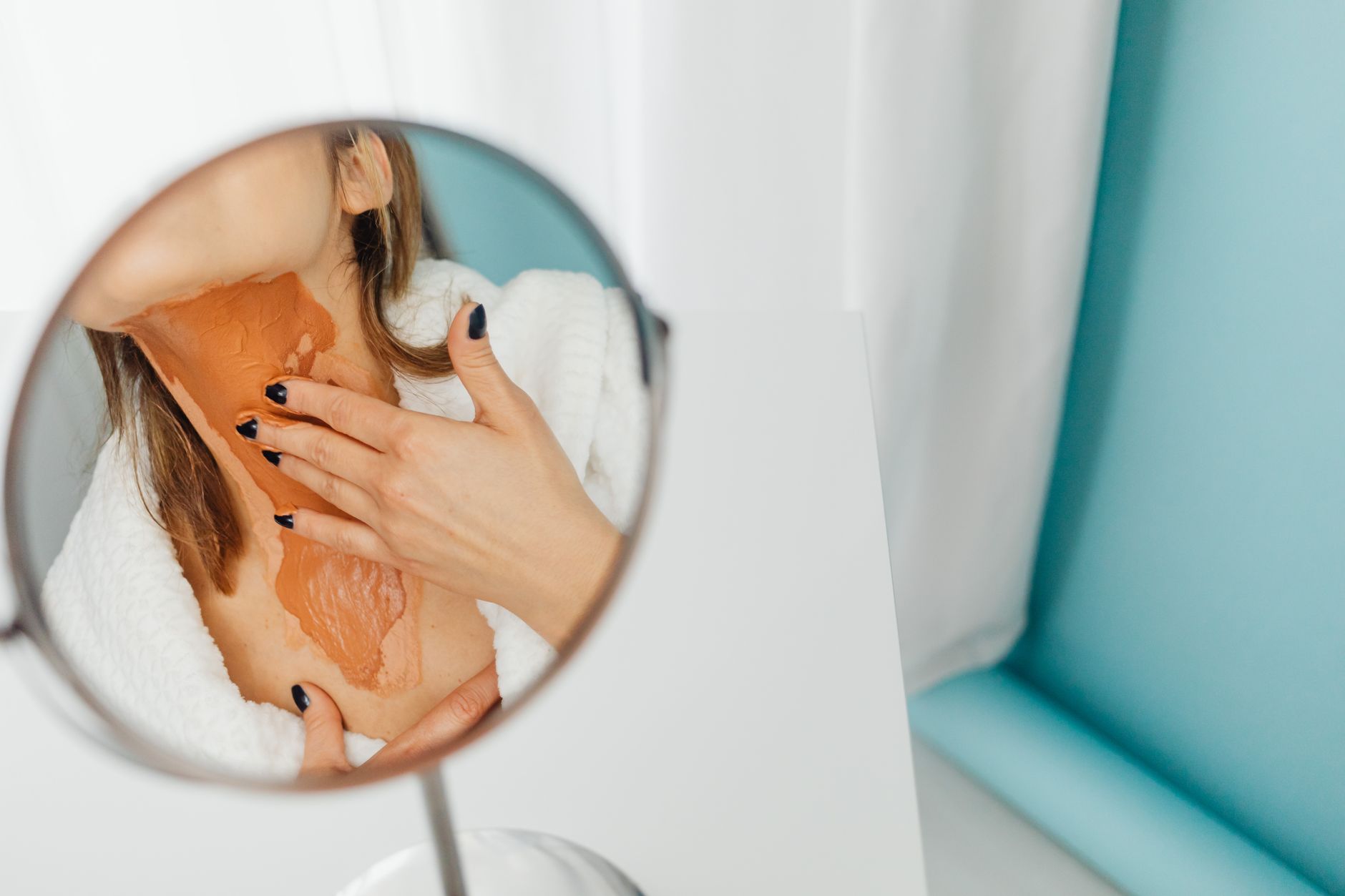
Neck and décolletage skincare is the practice of applying cleansers, moisturizers, sun protection, and targeted treatments below the chin and across the chest. The goal is to hydrate, protect, strengthen, and rejuvenate skin that is frequently exposed but rarely pampered.
This type of skincare recognizes that the neck and chest are not simply extensions of the face. The skin here is structurally different. It is thinner, has less subcutaneous fat, and contains fewer sebaceous glands. Because of this, it ages faster when neglected and responds well to gentle, consistent care.
Why Neck and Décolletage Skincare Matters
The Skin Here Is Thinner and More Fragile
Neck skin is about as thin as the skin around your eyes. It has less collagen and fewer oil glands, which means it loses elasticity and moisture more quickly. The décolletage is also thin and receives frequent sun exposure, especially in V-neck tops and swimsuits.
It Ages Faster Than the Face
Without proper care, the neck and chest often show signs of aging before the face. Common concerns include:
- Horizontal neck lines, sometimes called “tech neck” lines
- Vertical chest wrinkles or "cleavage wrinkles"
- Crepey, thin texture
- Sagging or "turkey neck" appearance
- Age spots and uneven pigmentation
- Redness and visible blood vessels
Sun Damage Is Cumulative
Ultraviolet (UV) radiation breaks down collagen and elastin over time. Because the neck and chest are often left unprotected, they accumulate sun damage that accelerates aging and increases the risk of skin cancer. According to the American Academy of Dermatology, sun exposure is the leading preventable cause of premature skin aging and skin cancer. (Source: AAD – Sun Protection)
It Affects Overall Appearance
Even with a flawless facial routine, a neglected neck and chest can make you look older than you are. Smooth, even-toned skin across the face, neck, and chest creates a more harmonious and youthful appearance.
What Causes Neck and Décolletage Aging?
Understanding the causes helps you make smarter skincare choices. Here are the main contributors:
| Cause | How It Affects the Skin |
|---|---|
| Sun exposure | Breaks down collagen, causes pigmentation, wrinkles, and crepiness |
| Repeated movements | Looking down at phones creates horizontal neck lines |
| Sleep position | Side sleeping compresses chest skin, causing vertical wrinkles |
| Loss of collagen and elastin | Leads to sagging, thinning, and wrinkles |
| Dryness | Makes fine lines more visible and weakens the skin barrier |
| Hormonal changes | Menopause reduces estrogen, which decreases skin thickness and hydration |
| Genetics | Determines baseline skin quality and how quickly aging appears |
| Smoking and pollution | Generate free radicals that damage skin cells and collagen |
Morning Neck and Décolletage Skincare Routine
A simple morning routine protects the skin from environmental damage and keeps it hydrated throughout the day.
Step 1: Gentle Cleanse
Use a mild, sulfate-free cleanser to remove sweat, oil, and leftover products from the night before. Avoid hot water, which strips natural oils. Use lukewarm water and gentle upward strokes.
Step 2: Apply a Hydrating Toner or Essence
Choose a hydrating formula with ingredients like hyaluronic acid, glycerin, or rose water. This prepares the skin to absorb serums and moisturizers more effectively.
Step 3: Use a Vitamin C Serum
Vitamin C is a powerful antioxidant that brightens skin, fades dark spots, and protects against free radical damage. Apply a few drops to the neck and chest, then gently press it in.
Step 4: Apply a Moisturizer
Look for a moisturizer with ceramides, peptides, hyaluronic acid, or niacinamide. These ingredients strengthen the skin barrier, improve elasticity, and lock in hydration.
Step 5: Finish With Sunscreen
This is the most important step. Use a broad-spectrum SPF 30 or higher every day, even when it is cloudy. Reapply every two hours if you are outdoors. Choose a sunscreen that feels comfortable enough to wear daily on the neck and chest.
Evening Neck and Décolletage Skincare Routine
Your evening routine is the time to repair damage and support skin renewal while you sleep.
Step 1: Remove Makeup and SPF
If you wore sunscreen or makeup on your chest, start with a gentle oil-based cleanser or micellar water. This prevents clogged pores and ensures your treatment products penetrate properly.
Step 2: Cleanse
Follow with your gentle cleanser to remove any residue.
Step 3: Apply a Treatment Serum
This is where targeted ingredients do the heavy lifting. Depending on your concerns, choose from:
- Retinol or retinoids: Stimulate collagen production and improve texture
- Peptides: Support firmness and elasticity
- Niacinamide: Brightens, soothes, and strengthens the barrier
- Alpha hydroxy acids (AHAs): Exfoliate and improve skin texture
Start slowly with retinol, using it two to three times per week at first to avoid irritation.
Step 4: Moisturize Richly
Night creams are often richer and more nourishing than daytime moisturizers. Apply a peptide or ceramide-rich cream to the neck and chest to support overnight repair.
Step 5: Consider a Neck-Specific Cream
Neck creams are formulated with ingredients that target sagging and horizontal lines. While not strictly necessary, they can be helpful if you are focused on firming this area.
Best Ingredients for Neck and Décolletage Skincare
Not all ingredients are equal when it comes to this delicate area. Here are the most effective ones:
| Ingredient | Primary Benefit | Best For |
|---|---|---|
| Retinol | Boosts collagen, improves texture, reduces fine lines | Aging, crepiness, wrinkles |
| Peptides | Firms and strengthens skin | Sagging, loss of elasticity |
| Hyaluronic acid | Deep hydration and plumping | Dryness, fine lines |
| Niacinamide | Brightens, soothes, supports barrier | Uneven tone, sensitivity |
| Vitamin C | Antioxidant protection, brightening | Dark spots, dullness |
| Ceramides | Restore skin barrier | Dryness, irritation |
| AHAs (glycolic, lactic acid) | Gentle exfoliation | Rough texture, age spots |
| Sunscreen (zinc oxide, titanium dioxide) | UV protection | Prevention of all aging signs |
Common Mistakes to Avoid
Even with good intentions, it is easy to make mistakes. Here is what to skip:
- Stopping products at the jawline: This is the most common mistake. Always include the neck and chest.
- Using harsh scrubs: Physical exfoliants can tear thin neck skin. Choose chemical exfoliants instead.
- Applying strong facial retinol directly: Some facial retinols are too strong for the neck at first. Start with a lower concentration or buffer with moisturizer.
- Skipping sunscreen: Sunscreen is non-negotiable if you want to prevent aging in this area.
- Ignoring posture: Constantly looking down deepens neck lines over time.
- Expecting overnight results: Consistency matters more than intensity.
- Using too many active ingredients at once: This can irritate delicate skin and worsen the problem.
Professional Treatments for Neck and Décolletage
If at-home care is not enough, several professional treatments can help. Always consult a board-certified dermatologist.
| Treatment | What It Does | Downtime |
|---|---|---|
| Laser resurfacing | Improves texture, pigmentation, and collagen | Several days to a week |
| Radiofrequency | Tightens loose skin by stimulating collagen | Minimal |
| Microneedling | Promotes collagen and improves crepiness | 1 to 3 days |
| Chemical peels | Reduces sun damage and fine lines | 3 to 10 days |
| Injectables (fillers, Botox) | Smooths lines and restores volume | Minimal |
| Ultherapy | Lifts and tightens using ultrasound energy | Minimal |
The Cleveland Clinic notes that non-surgical skin tightening treatments can stimulate collagen and improve mild to moderate sagging. (Source: Cleveland Clinic – Skin Tightening)
1. Extend Everything Downward
Whatever you put on your face should go on your neck and chest too. That includes cleanser, toner, serum, moisturizer, and sunscreen. Many people skip this step and pay the price later.
2. Use Upward Strokes
When applying products, use gentle upward motions rather than pulling the skin downward. This helps avoid creating more sagging over time.
3. Do Not Forget the Back of the Neck
The back of the neck is also exposed to the sun and can show age spots and redness. Apply sunscreen there too, especially if you wear short hair or updos.
4. Adjust Your Phone Habits
Looking down at your phone for hours creates deep horizontal lines. Hold your device at eye level and take regular breaks.
5. Sleep on Your Back
Sleeping on your side compresses the chest skin and contributes to vertical wrinkles. Back sleeping reduces this pressure and supports a smoother décolletage.
6. Wear Sun-Protective Clothing
V-neck shirts and tank tops expose the chest to direct sun. Consider wearing scarves, high-neck tops, or clothing with UPF protection when outdoors for extended periods.
7. Be Patient With Retinol
Retinol works, but it takes time. Most people notice smoother texture after 8 to 12 weeks of consistent use. Start slowly to avoid redness and peeling.
8. Stay Hydrated and Eat for Skin Health
Hydration and nutrition matter. Foods rich in omega-3 fatty acids, antioxidants, and vitamin C support collagen production and overall skin quality.
Conclusion
Neck and décolletage skincare is one of the simplest ways to keep your skin looking youthful and healthy from every angle. The skin in this area is thin, delicate, and exposed to the same aging factors as your face, so it deserves the same level of care.
By extending your facial products downward, using proven ingredients like retinol and peptides, applying sunscreen every day, and avoiding common mistakes, you can make a real difference. Whether you are preventing future damage or addressing existing concerns, consistency is the key.
Start today by adding one new habit-like applying SPF to your neck and chest every morning. Small steps lead to smoother, firmer, more radiant skin over time.
If you found this guide helpful, share it with a friend who wants healthier skin, and explore more FunkyMillions skincare articles for tips that fit your routine.
Frequently Asked Questions
Last updated
This article is for informational purposes only and does not constitute medical advice. Consult a licensed dermatologist or healthcare provider before starting any new treatment.
Beauty & Hair Care Editor
Ilma is a beauty editor who specializes in breaking down cosmetic ingredients, skincare routines, and hair care practices. Her work focuses on evidence-based guidance readers can trust and apply.
Comments (0)
Be the first to comment.
Related Articles

Sleep and Skin Health: Why Beauty Sleep Is Real
Discover how sleep and skin health are connected. Learn the science behind beauty sleep, skin repair at night, and how to build a bedtime routine for glowing skin.

Skincare Tips for Women in Their 40s
Discover proven skincare tips for women in their 40s to reduce wrinkles, boost collagen, and keep skin radiant. A complete anti-aging routine guide.
Bakuchiol: A Gentle Retinol Alternative
Discover why bakuchiol vs retinol is the debate every sensitive skin type needs to read. Learn benefits, routines, and how to switch safely.

Snail Mucin Benefits for Skin: What Science Says
Discover the science-backed snail mucin benefits skin, from deep hydration to barrier repair. Learn how to use it, what to avoid, and expert tips.