 Funky Millions
Polyglutamic Acid vs. Hyaluronic Acid: Which Hydrates Better?
Polyglutamic acid vs hyaluronic acid: compare how each humectant works, which hydrates skin better, and how to use them together.
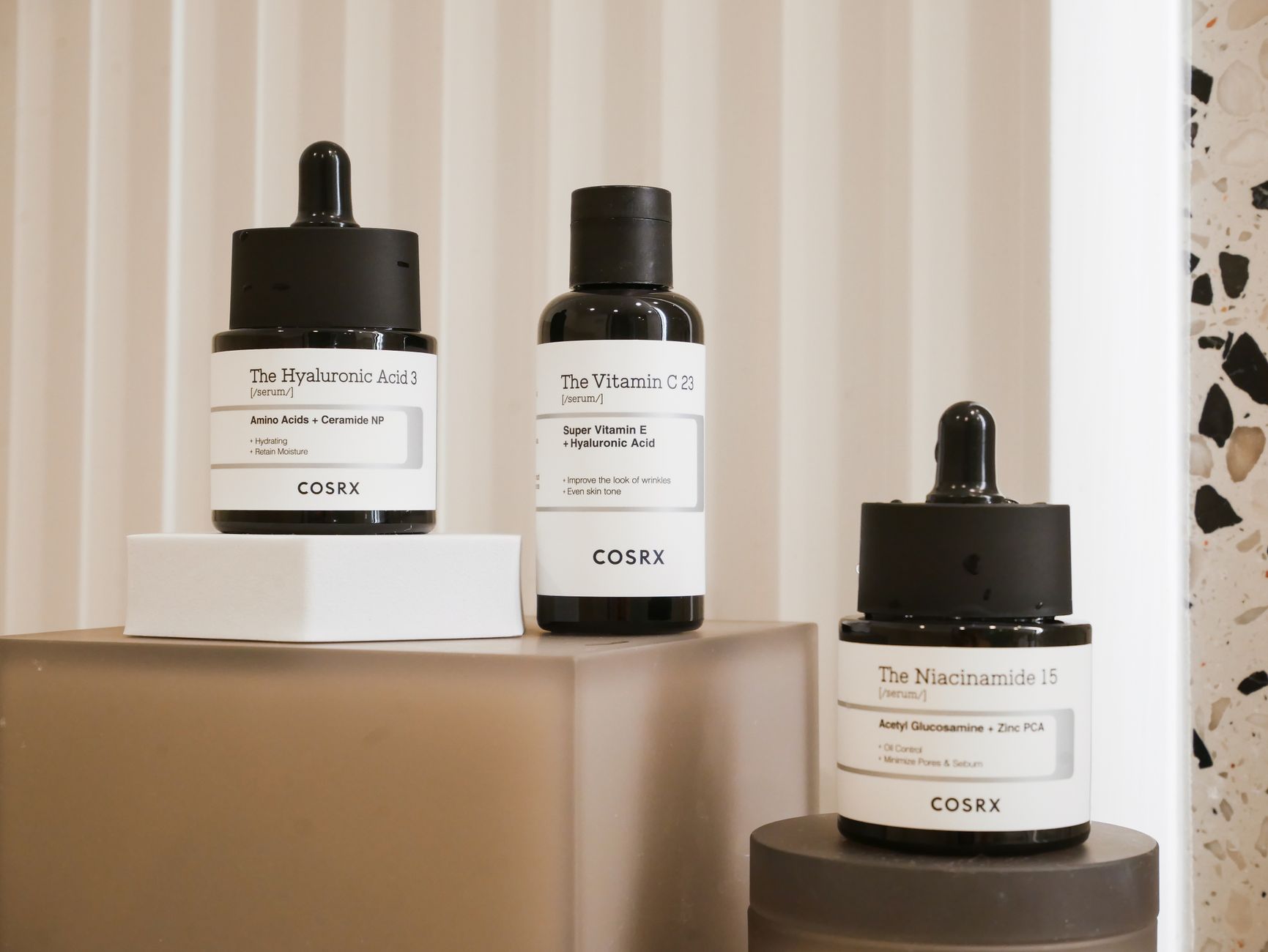
Quick summary
Key Takeaways
- Hyaluronic acid is a naturally occurring humectant known for its exceptional water-binding capacity.
- Polyglutamic acid is a fermentation-derived humectant that may hold even more water than hyaluronic acid and also helps form a moisture-retaining film.
- Polyglutamic acid may bind more water per molecule, but hyaluronic acid has more research behind it and more formulation flexibility.
- Polyglutamic acid may have a theoretical edge in raw water-binding capacity, but hyaluronic acid remains the more extensively studied and proven option overall.
- Combining polyglutamic acid and hyaluronic acid is safe and can produce more complete hydration than using either alone.
- Ingredient list position and formulation transparency matter more than which specific humectant a product features, since a poorly concentrated version of either ingredient will underperform regardless of its reputation.
- Apply humectants to damp skin, layer from lightest to richest, and always finish with a moisturizer to lock everything in.
- Hyaluronic acid alone tends to perform very well in humid conditions, while polyglutamic acid's added film-forming effect becomes more valuable in dry climates, winter months, and indoor heated or air-conditioned environments.
Hyaluronic acid has been the reigning hydration ingredient for years, but polyglutamic acid has emerged as a serious contender, with some brands claiming it holds even more water. So how does the polyglutamic acid vs hyaluronic acid comparison actually hold up, and do you need both in your routine? This guide breaks down the science, the practical differences, and how to combine them for maximum hydration.
What Is Hyaluronic Acid?
Hyaluronic acid is a naturally occurring humectant found throughout the human body, most concentrated in skin, joints, and eyes. It can hold up to 1,000 times its weight in water, which is why it became one of the most widely used hydrating ingredients in modern skincare. In topical products, it draws moisture into the outer layers of skin and helps skin appear plumper and smoother.
Our detailed comparison of hyaluronic acid vs. glycerin covers how it stacks up against another common humectant.
What Is Polyglutamic Acid?
Polyglutamic acid (PGA) is a biopolymer produced through the fermentation of soybeans, most notably in the production of the Japanese food natto. In skincare, research suggests it can hold up to four to five times more water than hyaluronic acid at the same concentration, and it forms a breathable film on the skin's surface that helps reduce transepidermal water loss.
Unlike hyaluronic acid, which has been studied extensively for decades, polyglutamic acid is a newer addition to mainstream skincare, though the ingredient itself has a longer history in food and biomedical research.
How Each Ingredient Holds Water
Hyaluronic acid works primarily by drawing atmospheric and deeper-layer moisture into the skin's surface through its highly absorbent molecular structure. Polyglutamic acid works similarly as a humectant but adds a second mechanism: it forms a thin, invisible film on the skin that helps slow water evaporation, functioning partly like a very light occlusive in addition to its humectant properties.
This dual action is part of why some studies and brand claims suggest polyglutamic acid may outperform hyaluronic acid in low-humidity conditions, where humectants alone can sometimes struggle without enough ambient moisture to draw from.
Polyglutamic Acid vs. Hyaluronic Acid Comparison Table
| Feature | Polyglutamic Acid | Hyaluronic Acid |
|---|---|---|
| Source | Fermented soybeans (natto) | Naturally occurring in the body; lab-fermented for skincare |
| Water-binding capacity | Up to 4-5x more than hyaluronic acid (per some studies) | Up to 1,000x its own weight |
| Mechanism | Humectant plus light film-forming effect | Primarily humectant |
| Molecular weight options | Typically higher molecular weight | Available in low, medium, and high molecular weight |
| Research history | Newer to mainstream skincare | Extensively researched for decades |
| Texture | Slightly tackier, film-like finish | Lightweight, gel-like |
| Best paired with | Occlusive moisturizer in dry climates | Multiple molecular weights for layered hydration |
Molecular Weight and Skin Penetration
Hyaluronic acid is available in multiple molecular weights, low molecular weight versions penetrate deeper into the skin, while high molecular weight versions sit on the surface and primarily improve the look and feel of skin rather than deep hydration. This flexibility allows formulators to combine several weights in one product for layered hydration at different skin depths.
Polyglutamic acid is generally used at a higher molecular weight, meaning it works primarily at the surface, forming its moisture-retaining film rather than penetrating deeply. This makes it more of a surface-hydration and water-loss-prevention ingredient than a deep-penetrating one.
Which Ingredient Hydrates Better?
Neither ingredient is definitively "better," they work through complementary mechanisms. In lab studies measuring water retention on skin models, polyglutamic acid has shown impressive results, sometimes outperforming hyaluronic acid in raw water-binding capacity. However, real-world skin studies on hyaluronic acid span decades and consistently show meaningful improvements in hydration, elasticity, and fine line appearance.
For most people, the practical difference comes down to formulation and climate. In humid environments, hyaluronic acid alone typically performs very well. In dry or low-humidity climates, polyglutamic acid's film-forming property may provide an edge by helping to lock in whatever moisture is already present.
Who Should Use Hyaluronic Acid
Hyaluronic acid is a good fit for nearly all skin types, including oily, acne-prone, and sensitive skin, since it is lightweight and non-comedogenic. It works especially well for people wanting layered hydration through multiple molecular weights, and it has decades of clinical research behind its safety and efficacy profile.
Who Should Use Polyglutamic Acid
Polyglutamic acid is particularly useful for people in dry climates, those experiencing seasonal dehydration, or anyone whose skin feels tight despite using hyaluronic acid. Its film-forming quality also makes it appealing for mature skin, since the slight surface tension can create a smoother, more refined appearance temporarily.
Can You Use Them Together?
Yes, and many formulators consider this combination ideal. Hyaluronic acid draws water into the skin, while polyglutamic acid helps seal that moisture in and adds its own water-binding capacity on top. There is no known conflict or reduced efficacy from combining the two, and several modern serums are formulated with both ingredients together specifically for this synergy.
Checking Concentration and Formulation Quality
Whichever ingredient, or combination, you choose, the concentration and overall formulation quality matter as much as the ingredient itself. A product listing hyaluronic acid or polyglutamic acid far down the ingredient list, after preservatives and fragrance, is unlikely to deliver a meaningful concentration, regardless of how prominently the ingredient is featured in the product's marketing name.
For hyaluronic acid, many well-formulated serums combine multiple molecular weights, sometimes listed as sodium hyaluronate at different weights, or paired with hydrolyzed hyaluronic acid, to hydrate at multiple skin depths simultaneously. A single molecular weight is not necessarily inferior, but understanding this detail can help explain why two products both labeled "hyaluronic acid serum" can feel and perform quite differently.
For polyglutamic acid, since it is a newer ingredient in mainstream formulation, concentration standards are less established across the industry than they are for hyaluronic acid. Looking for products from brands that disclose percentage or provide some transparency about formulation, rather than relying purely on the ingredient's presence on the label, can help you judge whether a product is likely to deliver a meaningful dose.
How to Layer Both Ingredients
Step 1: Cleanse and Apply to Damp Skin
Humectants work best when applied to slightly damp skin, since they need some moisture nearby to draw upon.
Step 2: Apply Hyaluronic Acid First
Apply a hyaluronic acid serum first to draw moisture into the surface layers.
Step 3: Follow With Polyglutamic Acid
Layer a polyglutamic acid serum or product on top to help seal in that hydration with its light film-forming effect.
Step 4: Lock in With Moisturizer
Finish with a moisturizer containing emollients and, if needed, occlusives to further prevent water loss. Our guide on squalane oil benefits explains a good lightweight sealing option.
How Climate and Season Should Shape Your Choice
Because both ingredients rely at least partly on drawing water from their environment, the climate you live in and the season you are in meaningfully affect how well each one performs, and this is one of the most practical, underappreciated factors in the polyglutamic acid vs hyaluronic acid decision.
In humid climates or during summer months, there is ample ambient moisture in the air for hyaluronic acid to draw upon, which is part of why many people find hyaluronic acid alone performs excellently in these conditions. Polyglutamic acid's added film-forming benefit becomes less critical here, since water loss is naturally slower in humid air.
In dry climates, at high altitude, during winter, or in heavily air-conditioned or heated indoor environments, the air itself holds very little moisture. Under these conditions, humectants like hyaluronic acid have less ambient water to draw from and can, in extreme cases, pull moisture from the deeper layers of the skin instead, worsening dryness rather than improving it. This is precisely the scenario where polyglutamic acid's film-forming property provides a genuine practical advantage, since it helps prevent whatever moisture is present, from the air, from a humidifier, or from other products, from evaporating as quickly.
Common Mistakes to Avoid
Applying Humectants to Bone-Dry Skin
Without any surrounding moisture, humectants can actually pull water from deeper skin layers instead of the environment, worsening dryness. Always apply to damp skin.
Skipping Moisturizer Afterward
Humectants alone, without a sealing moisturizer, can evaporate along with the water they attracted in very dry or windy conditions.
Assuming More Product Means More Hydration
A thin, even layer is enough. Overapplying humectant serums does not proportionally increase hydration and can leave skin feeling tacky.
Ignoring Climate and Humidity Levels
Using only hyaluronic acid in an extremely dry climate without an occlusive follow-up can leave skin under-hydrated despite consistent use.
- Check the ingredient list position. Ingredients listed earlier are present in higher concentrations, which matters for humectant efficacy.
- Use a humidifier in dry climates to give humectants more ambient moisture to draw from.
- Layer thin to thick with any hydrating routine, applying serums before creams.
- Reapply humectant mist during the day if your skin feels tight in dry environments, following with a light moisturizer to seal it in.
Conclusion
The polyglutamic acid vs hyaluronic acid debate does not have to end in choosing just one. Hyaluronic acid remains the most researched and versatile humectant, while polyglutamic acid brings impressive water-binding capacity and a helpful film-forming effect, particularly in dry conditions. For most people, layering both, applied to damp skin and sealed with a moisturizer, delivers the most complete hydration strategy.
For more on building a hydration-focused routine, see our guides on hyaluronic acid vs. glycerin and hydration affects skin.
Category: Skin Care
Tags: polyglutamic acid, hyaluronic acid, humectants, hydration, skincare ingredients, dry skin, moisture barrier, serum layering, dehydrated skin, skincare science
Frequently Asked Questions
References
Last updated
This article is for informational purposes only and does not constitute medical advice. Consult a licensed dermatologist or healthcare provider before starting any new treatment.
Beauty & Hair Care Editor
Amanda Gurton is a beauty editor and researcher with a focus on translating dermatology and trichology insights into clear, actionable advice. She covers skincare routines, hair health, ingredient science, and everyday beauty habits.
Comments (0)
Be the first to comment.
Related Articles
Skin Flooding: The K-Beauty Hydration Trend Explained
Learn what skin flooding is, how this Korean-inspired hydration method works, and how to try it step by step for plumper, dewier skin.
Hyaluronic Acid vs. Glycerin: Which Is Better?
Wondering about hyaluronic acid vs glycerin? Discover which humectant suits your skin, how they work, and how to layer them for maximum hydration.
What Is Slugging? The Skincare Method Explained
Learn what slugging is, how this occlusive skincare method works, who should try it, and how to slug correctly without clogging pores.
Facial Oil vs. Moisturizer: Do You Need Both?
Facial oil vs moisturizer: learn the real differences, whether you need both, and how to layer them correctly for your skin type.