 Funky Millions
Skin Flooding: The K-Beauty Hydration Trend Explained
Learn what skin flooding is, how this Korean-inspired hydration method works, and how to try it step by step for plumper, dewier skin.
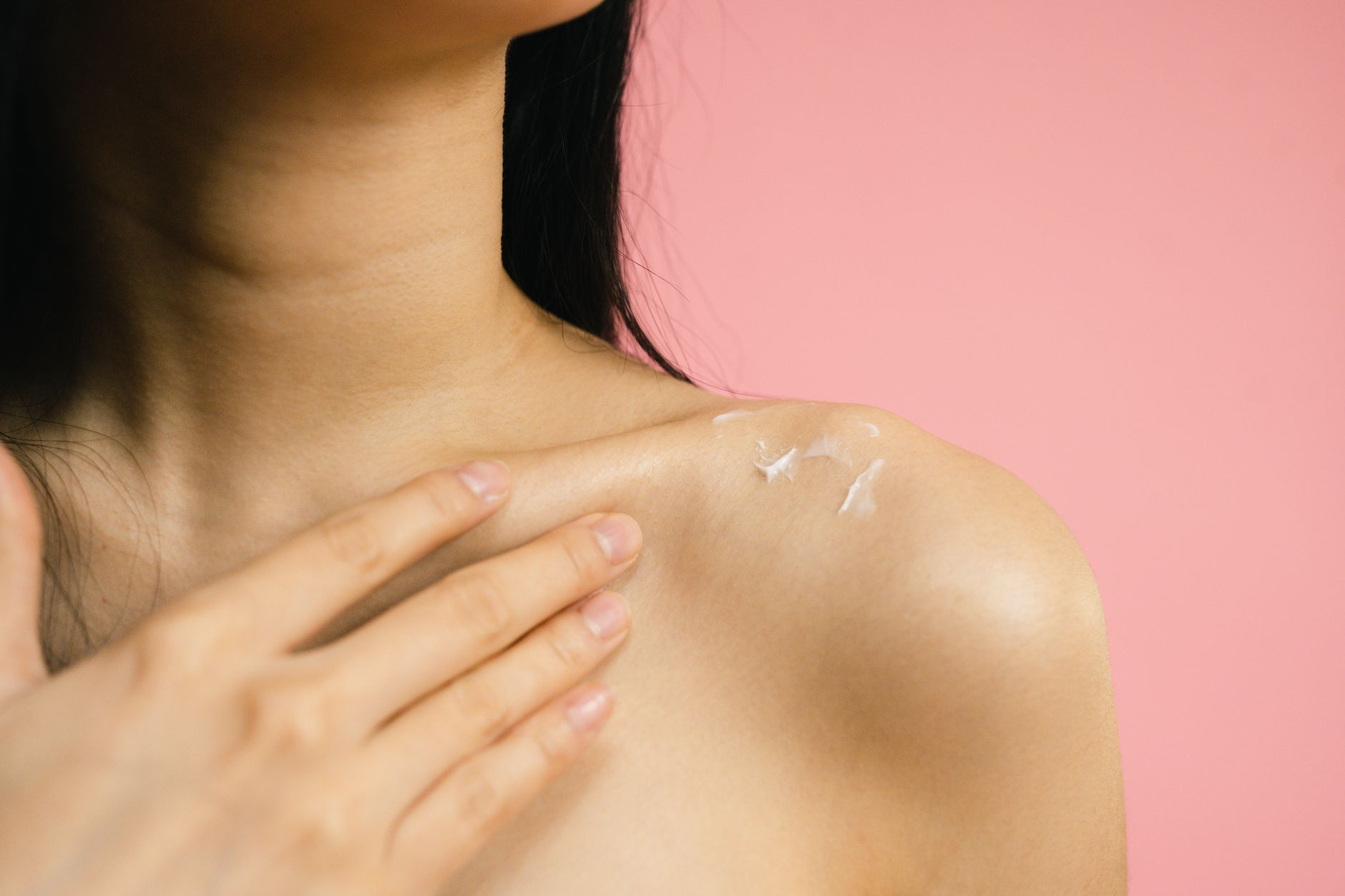
Quick summary
Key Takeaways
- Skin flooding is a multi-step hydration layering technique, not a single product or ingredient.
- Skin flooding works by maximizing available surface moisture for humectants to bind, then sealing it in immediately.
- Skin flooding is a more intensive hydration strategy, best reserved for skin that needs an extra boost rather than a daily requirement for everyone.
- The core technique is layering hydrating products on damp skin in quick succession, then sealing everything with moisturizer before it evaporates.
- Skin flooding works well under makeup with a longer absorption wait time, and scaling back to fewer layers on makeup days can help balance hydration with makeup longevity.
- Skin flooding offers practical value beyond its aesthetic reputation, from teaching proper hydration layering in younger skin to temporarily softening fine lines and providing extra comfort for mature, drier skin.
Skin flooding is a hydration technique built on a simple idea: instead of applying one thin layer of moisturizer, you layer multiple hydrating products on damp skin to maximize water content before sealing everything in. It has become one of the most popular Korean-beauty-inspired methods for achieving the dewy, plump look often called "glass skin." This guide explains exactly how skin flooding works, who benefits most, and how to do it correctly.
What Is Skin Flooding?
Skin flooding is a layering method that involves applying several thin layers of hydrating, humectant-rich products, typically a hydrating toner or essence followed by a lightweight serum, onto damp skin in quick succession, then sealing everything in with a moisturizer. The goal is to maximize the amount of water held in the skin's outer layers before locking it in place, producing the plump, dewy look associated with "glass skin."
The Science Behind Skin Flooding
The method relies on the basic principle that humectant ingredients, like hyaluronic acid and glycerin, work best when applied to skin that already has some moisture present, since they draw water from their surroundings into the skin. Applying these products in layers on damp skin, rather than a single application, increases the total amount of water available for the humectants to bind, while sealing with a moisturizer or occlusive afterward prevents that water from evaporating before it can benefit the skin.
Skin Flooding vs. Regular Moisturizing
| Feature | Skin Flooding | Regular Moisturizing |
|---|---|---|
| Number of steps | Multiple layers (toner, essence, serum, moisturizer) | Typically one moisturizer application |
| Application surface | Damp skin throughout | Often applied after skin has dried |
| Goal | Maximize surface hydration before sealing | General hydration and barrier support |
| Best for | Dehydrated, dull, or tight-feeling skin | Daily maintenance for most skin types |
| Time investment | Slightly longer routine | Quick, single step |
Who Should Try Skin Flooding
Skin flooding tends to work particularly well for:
- Dehydrated skin that looks dull or feels tight despite regular moisturizing
- Those preparing for a special event who want an immediate dewy look
- People using strong actives like retinoids who need extra hydration support
- Anyone chasing the "glass skin" aesthetic popularized in Korean skincare
Our guide on glass skin routine covers the broader routine philosophy that skin flooding is often part of.
Products You Need for Skin Flooding
- Hydrating toner or essence, ideally alcohol-free and humectant-rich
- Lightweight hydrating serum, such as hyaluronic acid or a multi-molecular-weight blend
- A second, optional hydrating layer, like a hydrating mist or additional humectant serum
- A moisturizer to seal everything in, chosen based on your skin type
- Optional facial oil, for those with drier skin wanting an extra sealing layer
Our guide on hyaluronic acid vs. glycerin can help you choose the right humectant products for this method.
How to Do Skin Flooding: Step-by-Step
Step 1: Cleanse Your Face
Start with a gentle cleanser to remove any dirt, makeup, or product residue.
Step 2: Apply a Hydrating Toner or Essence to Damp Skin
While your skin is still slightly damp from cleansing (or lightly misted with water), pat in a hydrating, alcohol-free toner or essence.
Step 3: Layer a Hydrating Serum
Without waiting for the toner to fully dry, apply a lightweight hydrating serum, pressing it gently into the skin.
Step 4: Add a Second Hydrating Layer (Optional)
For extra dehydrated skin, a light mist of hydrating spray or a second thin layer of serum can add further water content before sealing.
Step 5: Seal With Moisturizer
Apply your regular moisturizer while the skin is still damp from the previous steps, locking in all the layered hydration underneath.
Step 6: Optional Oil for Extra Sealing
If your skin is especially dry, a few drops of facial oil on top can provide additional occlusion.
Skin Flooding in the Morning vs. at Night
Skin flooding can be done at any time, but many people find it most useful:
- In the morning, before makeup, to achieve a dewy base and prevent midday tightness
- At night, especially after using drying actives like retinoids or acids the night before
- Before special events, as a short-term way to boost radiance and plumpness
Skin Flooding for Different Skin Types
| Skin Type | Adaptation |
|---|---|
| Oily/acne-prone | Use lightweight, oil-free hydrating products; skip the facial oil step |
| Dry | Add the optional facial oil layer for extra sealing |
| Sensitive | Choose fragrance-free, minimal-ingredient hydrating products to avoid overloading reactive skin |
| Combination | Focus heavier layering on drier zones, lighter layering on oily areas |
| Mature | Pair with peptide or ceramide-rich moisturizer for added barrier support |
Adapting Skin Flooding for Makeup Days
One practical concern people often have with skin flooding is whether all that extra hydration will interfere with makeup application. Handled correctly, it typically improves rather than hinders makeup wear, but a few adjustments help avoid pilling or excess slip.
The key is timing. Rather than applying makeup immediately after sealing with moisturizer, allow five to ten extra minutes for full absorption before starting your base. This is longer than many people typically wait, but skin flooding involves more total product than a standard routine, so it needs a bit more time to settle fully into the skin rather than sitting on the surface, which is what causes foundation to pill or slide.
If you find your skin still feels slightly tacky after waiting, lightly pressing a clean tissue over the skin for a few seconds can absorb any excess surface moisture without undoing the hydration underneath. This is a common technique among makeup artists working with clients who have dry or dehydrated skin and want a dewy, hydrated look without compromising makeup longevity.
For those wanting the dewy effect popularized by skin flooding but with more makeup-friendly staying power, using slightly fewer layers, perhaps a hydrating toner and one serum rather than a full multi-step sequence, on makeup days while reserving the complete method for makeup-free days is a reasonable compromise.
Skin Flooding for Different Ages and Skin Concerns
While skin flooding is often discussed primarily as a "glass skin" aesthetic technique, its practical benefits extend across different age groups and skin concerns in ways worth considering beyond the immediate dewy look it produces.
For younger skin still developing its skincare routine, skin flooding can serve as an accessible way to understand how humectants and sealing products work together, since the visible plumping effect provides fairly immediate feedback about what proper hydration layering can achieve, even before other actives are introduced.
For skin in the 30s and 40s managing early fine lines, the temporary plumping effect from skin flooding can visibly soften the appearance of fine lines for several hours, since well-hydrated skin reflects light more evenly and fine lines become less pronounced when the surrounding skin is plump rather than dehydrated. This is a cosmetic, temporary effect rather than a permanent anti-aging change, but it explains part of why the technique has become popular among people focused on aging-related concerns.
For mature skin, which often produces less of its own natural moisturizing factors, skin flooding paired with a rich, ceramide-containing moisturizer as the sealing step can provide more substantial, longer-lasting comfort than a single lightweight moisturizer application alone, making it a reasonable addition to a broader anti-aging routine rather than a purely aesthetic trend.
Common Mistakes to Avoid
Letting Skin Fully Dry Between Steps
The technique depends on applying each layer while the previous one is still damp. Waiting too long between steps reduces the layering effect.
Skipping the Sealing Moisturizer
Without a moisturizer or occlusive to lock everything in, the extra hydration from layering can evaporate quickly, especially in dry or windy conditions.
Using Too Many Heavy Products
Skin flooding works best with lightweight, humectant-focused products. Layering multiple heavy creams can feel overwhelming and greasy rather than dewy.
Doing It Daily Without Assessing Your Skin's Needs
For most people, skin flooding is a helpful occasional or as-needed technique rather than a mandatory daily routine.
Skin Flooding vs. Skin Cycling vs. Slugging
| Method | Focus | Frequency |
|---|---|---|
| Skin flooding | Maximizing hydration through layered humectants | As needed, or daily for dehydrated skin |
| Skin cycling | Rotating actives and recovery nights | Nightly rotation, ongoing routine |
| Slugging | Sealing in moisture with a heavy occlusive layer | A few nights per week |
These three methods are not mutually exclusive. Many people combine skin flooding with slugging on particularly dry nights, or incorporate flooding into recovery nights within a skin cycling routine. Our guide on skin cycling explains how these approaches can work together.
Traveling With a Skin Flooding Routine
Air travel is one of the most common triggers for sudden, noticeable skin dehydration, thanks to extremely low cabin humidity, and it is also one of the situations where skin flooding tends to provide the most immediately noticeable benefit. Packing travel-size versions of your hydrating toner, serum, and moisturizer, applied both before boarding and partway through a longer flight, can meaningfully offset the drying effect of cabin air.
Since most hydrating products used in skin flooding are lightweight liquids, checking that they meet carry-on liquid restrictions ahead of time avoids the frustration of having key products confiscated at security. Decanting favorite products into small travel bottles under the standard size limit is a common workaround frequent travelers use to bring their full flooding routine along without needing to purchase separate travel-size versions of every product.
- Mist your face lightly with water between steps if products start to feel tacky before you finish layering.
- Use products with different molecular weights of hyaluronic acid for more comprehensive hydration at different skin depths.
- Pair with a humidifier in dry climates or during winter months to support the technique's effectiveness.
- Reserve heavier layering for your driest days, adjusting the number of steps based on how your skin feels.
Conclusion
Skin flooding is a simple but effective hydration technique rooted in real skincare science: layering humectant-rich products on damp skin and sealing them in with moisturizer. It is particularly useful for dehydrated, dull, or tight-feeling skin, and it pairs well with other techniques like skin cycling or slugging depending on your skin's needs. With the right lightweight products and consistent application, it can help you achieve noticeably plumper, dewier skin.
For more on related hydration and glow techniques, see our guides on glass skin routine and hyaluronic acid vs. glycerin.
Category: Skin Care
Tags: skin flooding, K-beauty, hydration technique, glass skin, humectants, hyaluronic acid, dewy skin, skincare layering, dehydrated skin, Korean skincare
Frequently Asked Questions
References
Last updated
This article is for informational purposes only and does not constitute medical advice. Consult a licensed dermatologist or healthcare provider before starting any new treatment.
Beauty & Hair Care Editor
Amanda Gurton is a beauty editor and researcher with a focus on translating dermatology and trichology insights into clear, actionable advice. She covers skincare routines, hair health, ingredient science, and everyday beauty habits.
Comments (0)
Be the first to comment.
Related Articles
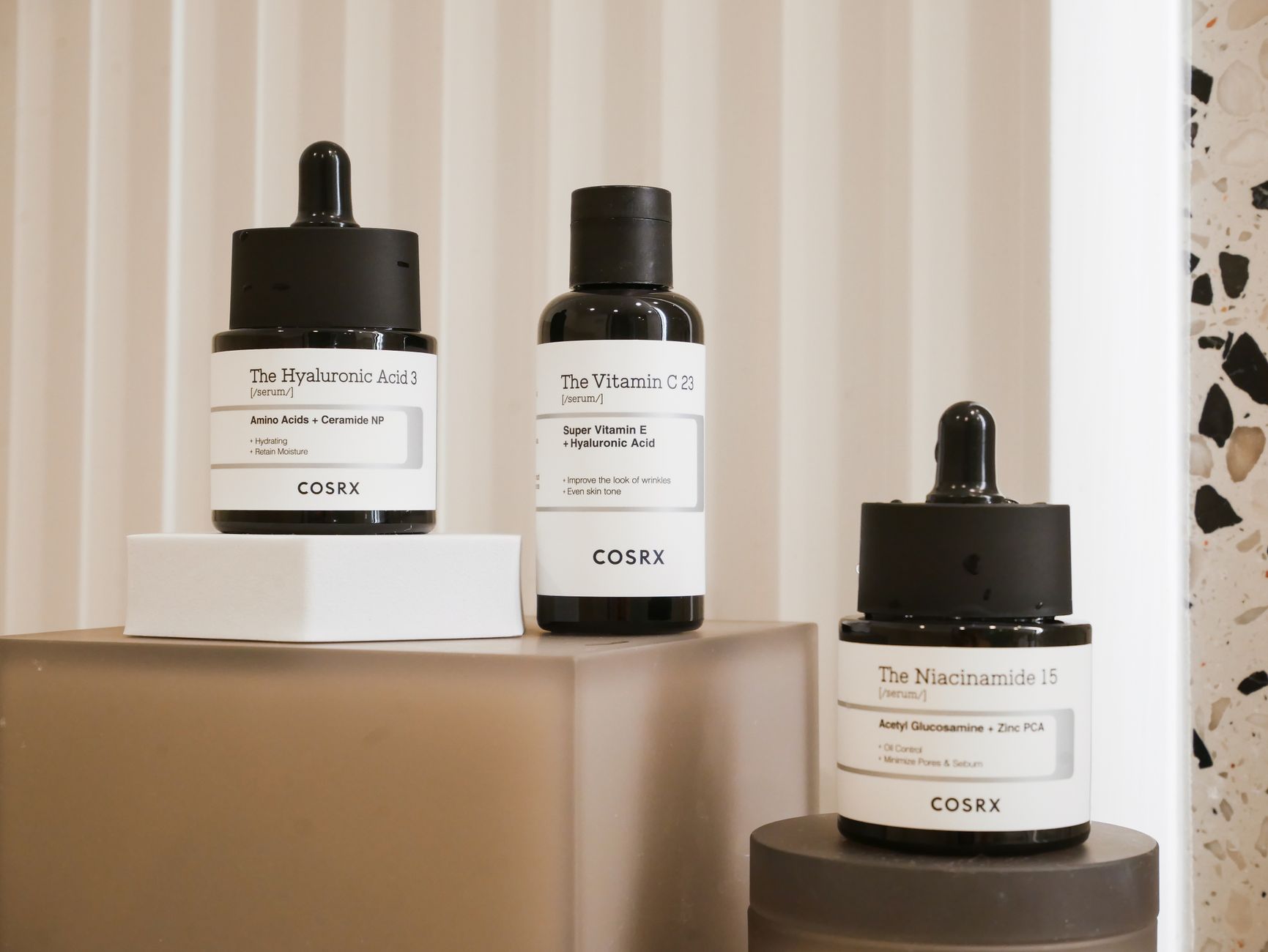
Polyglutamic Acid vs. Hyaluronic Acid: Which Hydrates Better?
Polyglutamic acid vs hyaluronic acid: compare how each humectant works, which hydrates skin better, and how to use them together.
Glass Skin Routine: A Realistic Step-by-Step Guide
Master a realistic glass skin routine with this step-by-step guide. Discover the science, steps, ingredients, and expert tips for a dewy, luminous complexion.
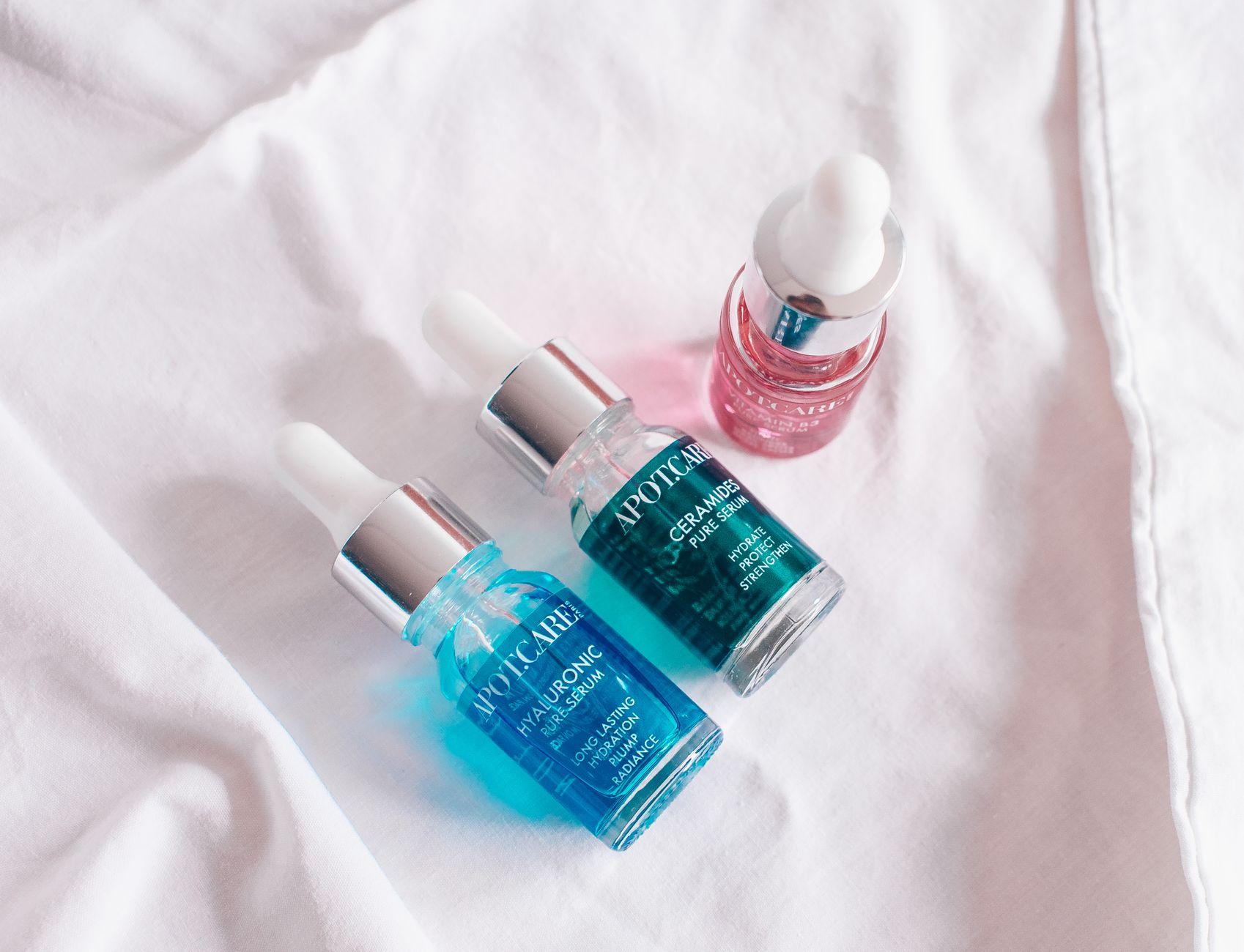
Hyaluronic Acid vs. Glycerin: Which Is Better?
Wondering about hyaluronic acid vs glycerin? Discover which humectant suits your skin, how they work, and how to layer them for maximum hydration.
How Hydration Affects Your Skin: A Complete Guide
Learn how hydration affects skin health, elasticity, and glow. Discover expert tips, routines, and product advice to keep your skin hydrated from the inside out.