 Funky Millions
Skincare Routine for Hormonal Acne: A Complete Guide
Build an effective skincare routine for hormonal acne with proven ingredients, step-by-step AM/PM routines, and expert tips for clearer, calmer skin.
Quick summary
Key Takeaways
- A consistent skincare routine for hormonal acne focuses on gentle cleansing, oil regulation, anti-inflammatory ingredients, and daily sun protection.
- Hormonal acne is deep, inflamed acne triggered by hormone fluctuations, usually around the chin and jawline.
- Hormonal acne is caused by a combination of excess oil, slower skin cell turnover, inflammation, and bacteria - all influenced by hormone levels.
- The right routine reduces inflammation, clears pores, balances oil, and prevents the dark marks hormonal acne often leaves behind.
- Build your routine around salicylic acid, niacinamide, retinoids, and azelaic acid, and always support your skin barrier with moisturizer and sunscreen.
- Cleanse gently, treat with niacinamide, moisturize, and finish with SPF every single morning.
- At night, focus on thorough cleansing, targeted treatments, and barrier-repairing moisture.
- Weekly clay masks and gentle exfoliation can boost your routine without overloading your skin.
- Match your routine to your skin type, and be especially gentle if your skin is sensitive or dry.
- Avoid over-cleansing, harsh scrubs, skipping moisturizer, picking pimples, and skipping sunscreen.
- Consistency, patience, and cycle awareness are just as important as the products you choose.
Introduction
If your breakouts appear like clockwork around your chin, jawline, or cheeks - especially before your period - you are likely dealing with hormonal acne. Unlike the occasional pimple caused by sweat or a new product, hormonal acne runs deeper. It often shows up as painful, under-the-skin cysts that seem to resist every spot treatment you try.
The good news is that the right skincare routine for hormonal acne can help calm inflammation, keep pores clear, and reduce the severity of monthly flare-ups. While skincare alone cannot fully balance your hormones, it can support your skin barrier, regulate excess oil, and make breakouts shorter and less intense. In this guide, you will learn exactly what causes hormonal acne, which ingredients are worth your money, and how to build a simple morning and evening routine that works with your skin instead of against it.
Whether you are newly breaking out in your twenties or dealing with stubborn jawline acne in your thirties, this article will give you a clear, practical plan you can start using today.
What Is Hormonal Acne?
Hormonal acne is acne that is driven or worsened by fluctuations in hormones - especially androgens like testosterone. It most commonly appears on the lower third of the face, including the chin, jawline, and around the mouth. These breakouts tend to be deeper, more inflamed, and slower to heal than blackheads or whiteheads.
While hormonal acne is often linked to the menstrual cycle, it can also be triggered by stress, polycystic ovary syndrome (PCOS), pregnancy, postpartum changes, and certain medications. It can affect teenagers, but it is also one of the most common types of adult acne, particularly in women.
According to the American Academy of Dermatology, adult acne is rising, and hormones are a major contributing factor. Understanding this connection is the first step toward building a routine that actually helps.
What Causes Hormonal Acne?
Hormonal acne is not caused by dirty skin. It begins below the surface, where hormones affect how your skin produces oil and sheds dead cells.
Androgens Increase Sebum Production
Androgens are a group of hormones that include testosterone. When androgen levels rise, they signal the sebaceous glands to produce more sebum, or skin oil. Excess sebum mixes with dead skin cells and clogs pores, creating the perfect environment for acne-causing bacteria.
Hormonal Fluctuations Trigger Inflammation
Estrogen and progesterone levels shift throughout the menstrual cycle. In the week before your period, progesterone rises and estrogen drops. This hormonal shift can increase oil production and swelling in the skin, making pores more likely to clog.
Stress Raises Cortisol
Cortisol is your body's stress hormone. High cortisol levels can also increase oil production and inflammation, which is why breakouts often appear during stressful weeks.
Skin Cell Shedding Slows Down
Hormonal changes can slow the natural shedding of dead skin cells. When these cells stay on the surface longer, they are more likely to clog pores and trap bacteria inside.
Why a Skincare Routine for Hormonal Acne Matters
A well-planned skincare routine for hormonal acne does more than treat existing pimples. It helps prevent new breakouts, protect your skin barrier, and reduce the redness and dark marks that hormonal acne often leaves behind.
Reduces Inflammation
Hormonal acne is inflammatory by nature. Ingredients like niacinamide, zinc, and green tea extract can help calm redness and swelling so breakouts heal faster.
Keeps Pores Clear
Regular but gentle exfoliation with salicylic acid helps remove the buildup of dead skin cells and oil inside pores. This is especially important for deep, cystic breakouts that start below the surface.
Balances Oil Without Over-Drying
Many people with hormonal acne over-cleanse, which strips the skin and triggers even more oil production. The right routine balances oil gently without destroying your moisture barrier.
Prevents Post-Inflammatory Hyperpigmentation
Hormonal acne often leaves dark marks, especially on deeper skin tones. Daily sunscreen and soothing ingredients help prevent these marks from forming and fading them faster.
Best Ingredients for a Skincare Routine for Hormonal Acne
Choosing the right ingredients is the foundation of any effective hormonal acne routine. Here are the most research-backed options.
Salicylic Acid (BHA)
Salicylic acid is oil-soluble, which means it can penetrate deep into pores and dissolve the buildup that causes breakouts. It also has anti-inflammatory properties, making it ideal for hormonal cystic acne. You can learn more about it in our guide to salicylic acid acne treatment.
Niacinamide
Niacinamide is a form of vitamin B3 that reduces inflammation, regulates sebum production, and strengthens the skin barrier. It is gentle enough for daily use and pairs well with most other ingredients.
Benzoyl Peroxide
Benzoyl peroxide kills acne-causing bacteria and works well for inflamed pimples. It can be drying, so start with a lower concentration (2.5% to 5%) and use it as a spot treatment or short-contact therapy.
Retinoids
Retinoids increase cell turnover, prevent clogged pores, and reduce inflammation. They are one of the most effective treatments for hormonal acne but should be introduced slowly to avoid irritation. Our retinol for beginners guide explains how to start safely.
Azelaic Acid
Azelaic acid reduces inflammation, kills bacteria, and fades dark spots. It is generally well-tolerated and safe during pregnancy, making it a popular choice for hormonal acne.
Zinc
Zinc has anti-inflammatory and antibacterial properties. It can be used topically or taken as a supplement under medical guidance.
Tea Tree Oil
Tea tree oil is a natural antibacterial option. It is effective but can irritate sensitive skin, so it should always be diluted and patch-tested first.
| Ingredient | Best For | How Often |
|---|---|---|
| Salicylic acid | Clogged pores, blackheads, whiteheads | Daily or 3-4x weekly |
| Niacinamide | Oil control, redness, barrier support | Daily, morning and night |
| Benzoyl peroxide | Inflamed pimples, bacteria | Spot treatment or short contact |
| Retinoids | Deep cystic acne, cell turnover | 2-3 nights weekly, build up |
| Azelaic acid | Dark spots, redness, sensitive skin | Daily or every other day |
| Zinc | Inflammation, oil control | Daily topical or supplement |
Morning Skincare Routine for Hormonal Acne
Your morning routine should focus on gentle cleansing, lightweight hydration, oil control, and sun protection. Follow these steps in order.
Step 1: Gentle Cleanser
Wash your face with a gentle, pH-balanced cleanser. Avoid harsh sulfates that strip the skin and trigger more oil production. If your skin is very oily, a gel or foaming cleanser with salicylic acid can help.
Step 2: Hydrating Toner or Essence (Optional)
Apply a hydrating toner while your skin is still slightly damp. Look for ingredients like hyaluronic acid, glycerin, or centella asiatica. Avoid alcohol-based toners, which can irritate inflamed skin.
Step 3: Niacinamide Serum
Apply a niacinamide serum to help control oil and calm redness. This is one of the best daily treatments for hormonal acne because it is effective yet gentle.
Step 4: Lightweight Moisturizer
Even oily, acne-prone skin needs moisturizer. Choose a lightweight, non-comedogenic formula with ceramides or hyaluronic acid. A healthy barrier is less likely to overproduce oil.
Step 5: Sunscreen (SPF 30 or Higher)
Sunscreen is non-negotiable, especially if you use retinoids or exfoliating acids. Choose a broad-spectrum SPF 30 or higher that is labeled non-comedogenic. Mineral sunscreens with zinc oxide can also soothe inflammation.
Evening Skincare Routine for Hormonal Acne
Nighttime is when your skin repairs itself, so this is the best time to use stronger treatments like retinoids and exfoliants.
Step 1: Oil-Based Cleanser or Micellar Water
If you wear makeup or sunscreen, start with an oil-based cleanser or micellar water to dissolve it. This prevents pore-clogging residue from sitting on your skin overnight.
Step 2: Water-Based Cleanser
Follow with a gentle water-based cleanser to remove sweat, bacteria, and leftover product. Double cleansing is especially helpful if you wear heavy sunscreen or makeup.
Step 3: Treatment Serum or Exfoliant
On most nights, use a treatment serum targeted to your skin's needs:
- Salicylic acid nights: Use a 1% to 2% salicylic acid serum or toner to keep pores clear.
- Retinoid nights: Apply a low-strength retinoid to increase cell turnover and prevent deep breakouts.
Do not use salicylic acid and retinoids on the same night when you are starting out.
Step 4: Spot Treatment
If you have an active pimple, apply a benzoyl peroxide or salicylic acid spot treatment directly to the area. Let it dry before applying moisturizer.
Step 5: Moisturizer
Seal everything in with a non-comedogenic moisturizer. If you are using a retinoid, you can use the sandwich method: moisturizer, retinoid, then another layer of moisturizer.
Weekly Treatments to Add to Your Routine
In addition to your daily routine, a few weekly treatments can speed up results.
Clay Mask Once or Twice a Week
A clay mask with kaolin or bentonite can help absorb excess oil and draw impurities out of pores. Use it on oily areas like the T-zone or jawline.
Chemical Exfoliation 1-2 Times Per Week
If you do not use salicylic acid daily, a weekly BHA or AHA treatment can help remove dead skin cells and improve texture. Do not combine strong exfoliation with retinoid nights.
Hydrocolloid Patches
Hydrocolloid patches are great for draining fluid from whiteheads and protecting pimples from picking. Use them overnight or during the day under a mask.
Hormonal Acne Skincare Routine by Skin Type
Not every product works for every skin type. Here is how to adjust your routine.
| Skin Type | Morning Routine | Evening Routine |
|---|---|---|
| Oily | Gel cleanser, niacinamide, gel moisturizer, mineral SPF | Double cleanse, salicylic acid or retinoid, lightweight moisturizer |
| Dry/Sensitive | Cream cleanser, niacinamide, rich moisturizer, SPF | Cream cleanser, azelaic acid or gentle retinoid, rich moisturizer |
| Combination | Gentle cleanser, niacinamide, lightweight moisturizer, SPF | Double cleanse, alternate BHA and retinoid, balanced moisturizer |
| Acne-Prone + Dark Marks | Gentle cleanser, vitamin C or niacinamide, SPF | Cleanser, azelaic acid or retinoid, moisturizer |
If your breakouts are mainly along your jawline or chin, pay extra attention to those areas when applying treatment products. However, avoid over-treating them, which can cause irritation and peeling.
Common Mistakes to Avoid
Even with the right products, certain habits can make hormonal acne worse.
1. Over-Cleansing or Over-Exfoliating
Washing your face too often or using too many acids can damage your skin barrier. A damaged barrier produces more oil and becomes more inflamed. Stick to cleansing twice daily and exfoliating only a few times per week.
2. Using Harsh Physical Scrubs
Physical scrubs with large particles can tear inflamed skin and spread bacteria. Chemical exfoliants like salicylic acid are gentler and more effective for hormonal acne.
3. Skipping Moisturizer
Many people with acne fear moisturizer, but dehydrated skin often compensates by producing more oil. Use a lightweight, non-comedogenic moisturizer twice daily.
4. Popping or Picking Cystic Pimples
Cystic pimples are deep and do not have a visible head. Picking them increases inflammation, prolongs healing, and raises the risk of scarring. Use a hydrocolloid patch or spot treatment instead.
5. Expecting Overnight Results
Hormonal acne is stubborn. Most routines take 6 to 12 weeks to show meaningful improvement. Consistency matters more than intensity.
6. Ignoring Sunscreen
Skipping sunscreen allows UV rays to darken post-acne marks and increase inflammation. It also makes retinoids and acids less safe to use.
These tips can help you get the most out of your skincare routine for hormonal acne.
- Introduce one active at a time. This makes it easier to identify what is helping or irritating your skin.
- Patch test new products. Apply a small amount to your jawline or behind your ear for 24 to 48 hours.
- Use retinoids at night and sunscreen by day. Retinoids increase sun sensitivity, so SPF is essential.
- Track your cycle. Note when breakouts appear so you can prepare your routine ahead of time.
- Manage stress. Practices like sleep, exercise, and mindfulness help lower cortisol, which can reduce hormonal flare-ups.
- Be patient with purging. When starting retinoids or acids, breakouts may temporarily increase as congestion rises to the surface. This usually lasts 4 to 8 weeks.
- See a dermatologist for persistent cysts. If your acne is severe, painful, or leaving scars, a dermatologist can prescribe stronger treatments like spironolactone, birth control, or oral retinoids.
For more general acne guidance, read our article on how to get clear skin.
Conclusion
Building the right skincare routine for hormonal acne takes patience, but it is one of the most effective ways to calm monthly flare-ups and protect your skin barrier. Focus on gentle cleansing, proven ingredients like salicylic acid and niacinamide, and consistent sunscreen use. Introduce stronger treatments like retinoids slowly, and do not be discouraged if results take a few weeks to appear.
Hormonal acne can be frustrating, but you do not need a complicated ten-step routine to see improvement. Simple, consistent care usually wins over aggressive treatment.
If this guide helped you, share it with a friend who is struggling with hormonal breakouts. For more skincare advice, explore our articles on how to get clear skin, how to make your skin glow, and salicylic acid acne treatment.
Frequently Asked Questions
References
Last updated
This article is for informational purposes only and does not constitute medical advice. Consult a licensed dermatologist or healthcare provider before starting any new treatment.
Beauty & Hair Care Editor
Ilma is a beauty editor who specializes in breaking down cosmetic ingredients, skincare routines, and hair care practices. Her work focuses on evidence-based guidance readers can trust and apply.
Comments (0)
Be the first to comment.
Related Articles
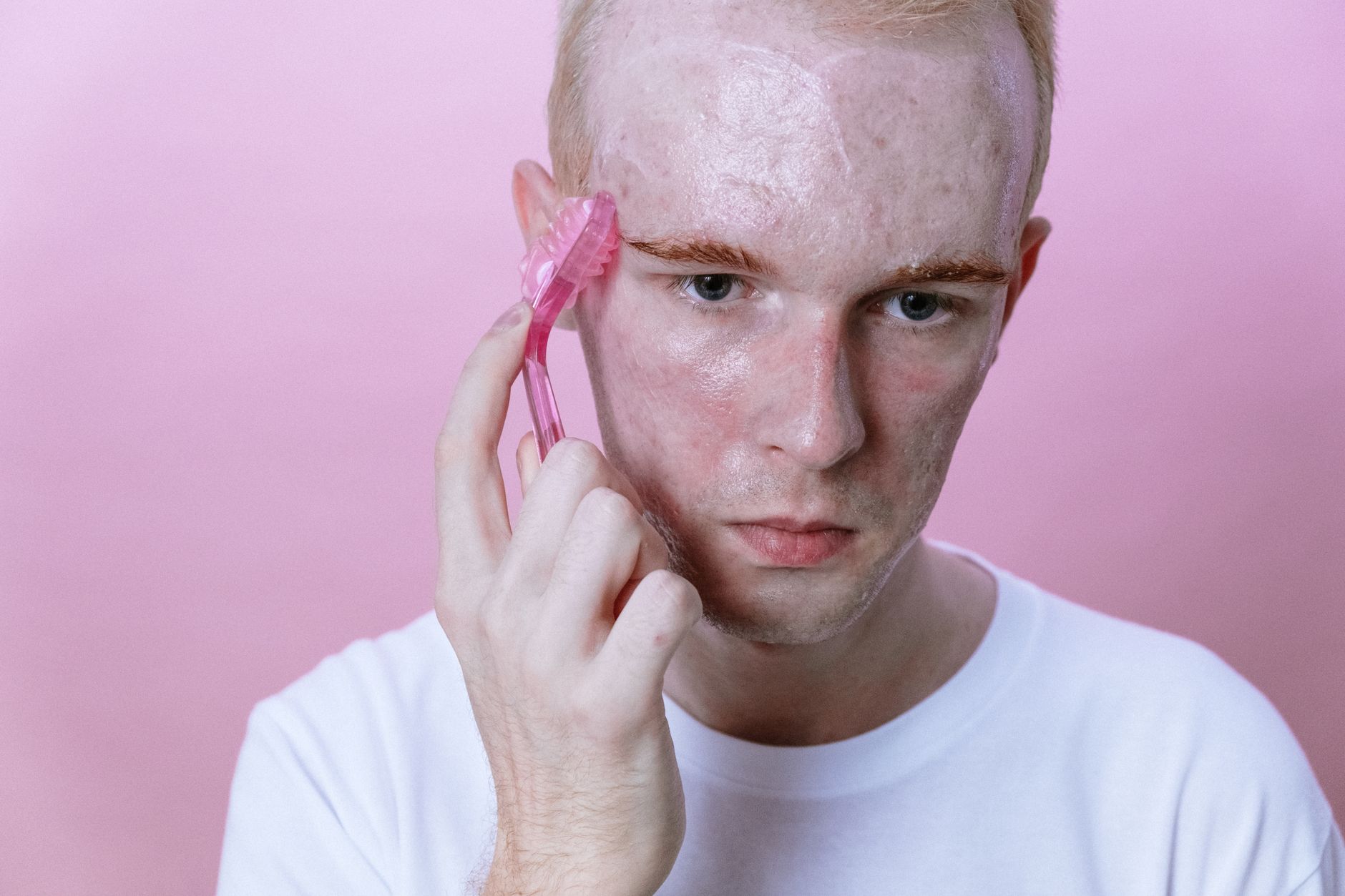
Face Mapping for Acne: What Breakout Location Really Means
Learn what face mapping for acne claims about breakout locations, what's backed by science, and how to actually treat problem areas.
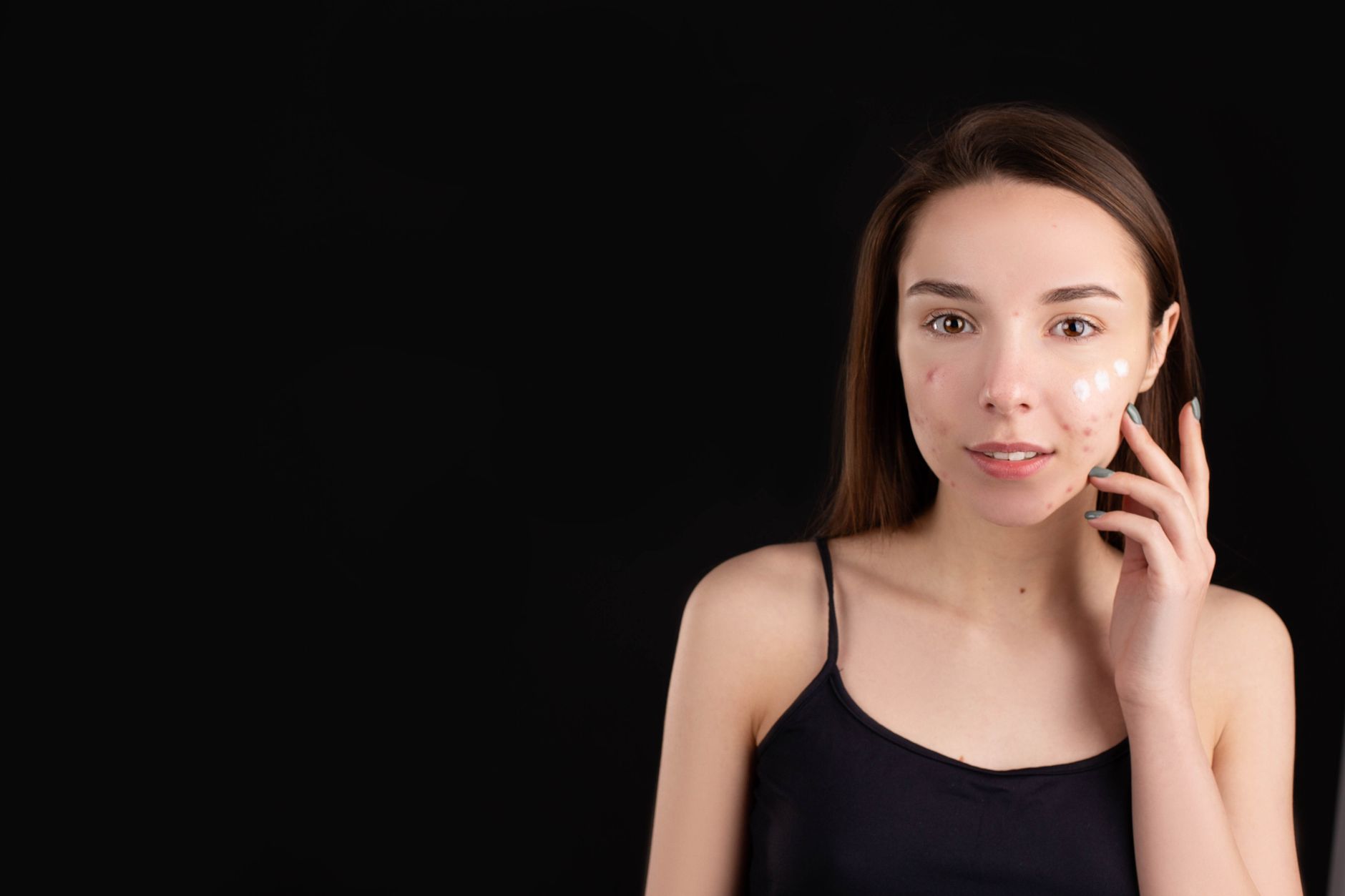
Adult Acne vs. Teen Acne: Why Your Routine Needs to Change
Adult acne vs teen acne: learn the key differences in causes, location, and treatment, and why your teenage routine may no longer work.
Skin Flooding: The K-Beauty Hydration Trend Explained
Learn what skin flooding is, how this Korean-inspired hydration method works, and how to try it step by step for plumper, dewier skin.
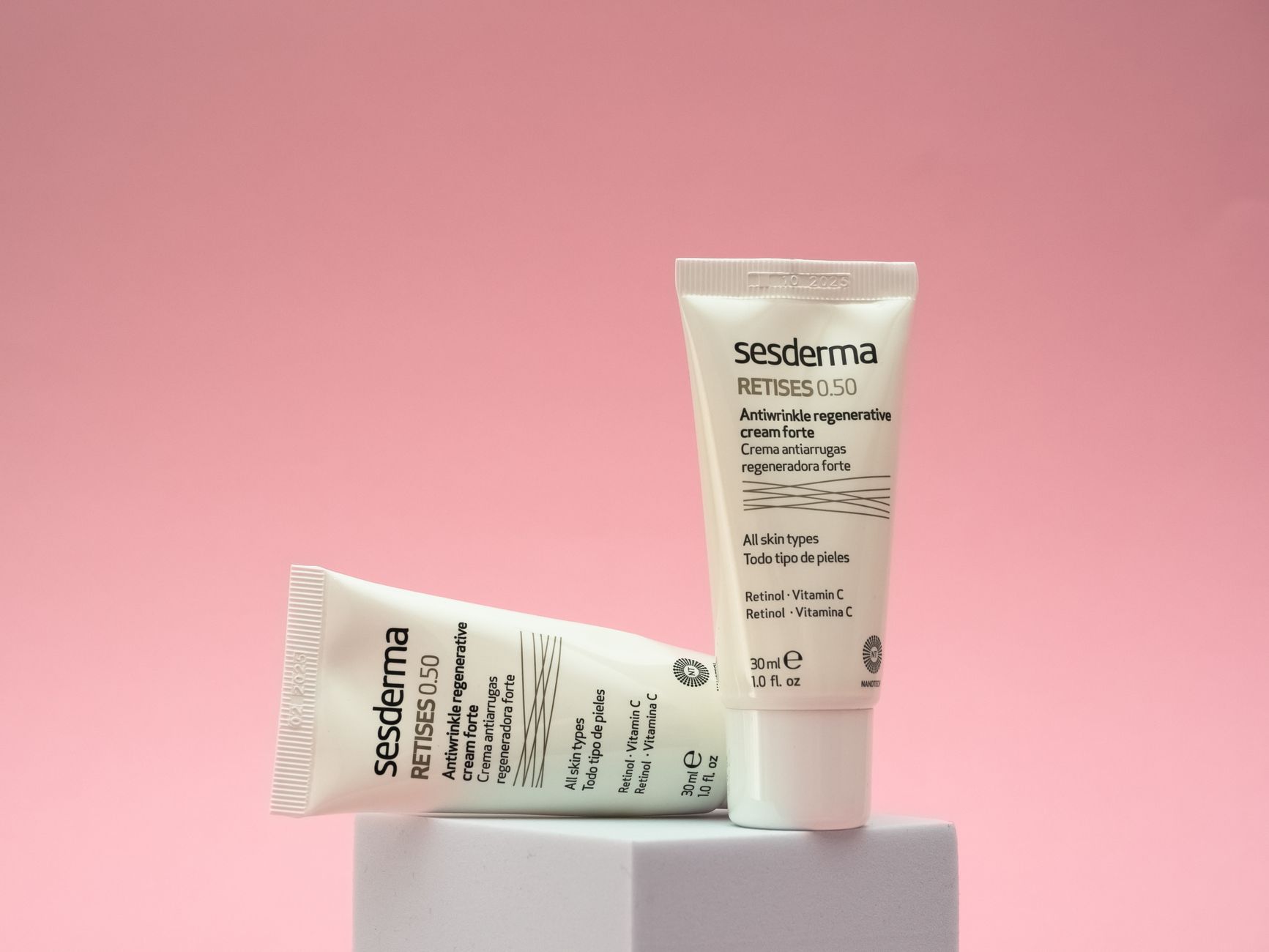
How Long Does Retinol Purging Last? A Realistic Timeline
How long does retinol purging last? Get a realistic week-by-week timeline, what's normal, and when to worry about your skin's reaction.