 Funky Millions
Beginner's Guide to Retinol: How to Start Without Irritation
Learn how to use retinol for beginners safely. Discover the benefits, step-by-step routine, common mistakes, and expert tips for clear, youthful skin.
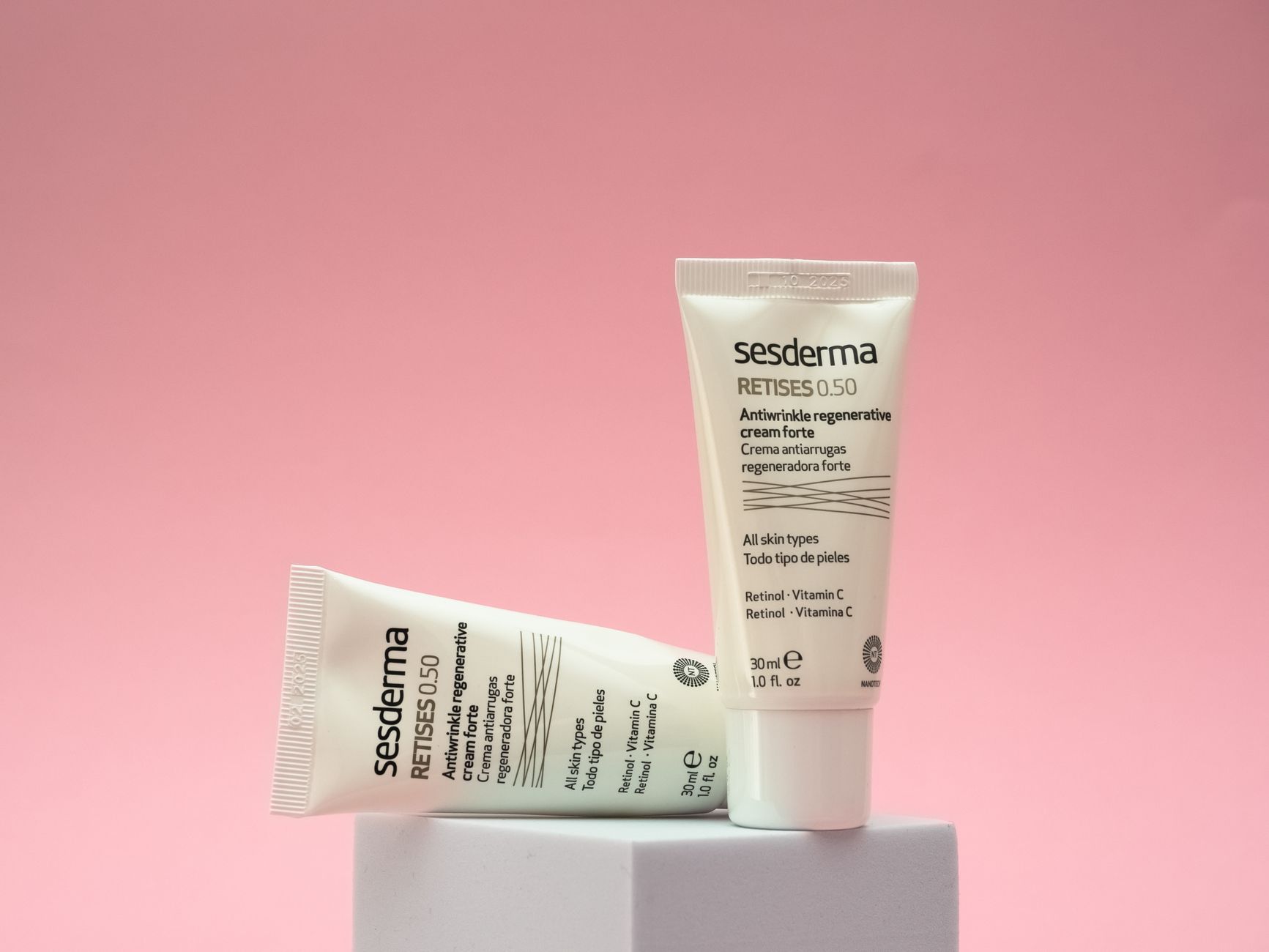
Quick summary
Key Takeaways
- Retinol is one of the most effective skincare ingredients for aging and acne, but it must be introduced slowly with moisturizer and daily sunscreen.
- Retinol is a gentle, over-the-counter vitamin A derivative that converts into active retinoic acid inside the skin.
- Retinol improves skin by increasing cell turnover, boosting collagen, clearing pores, and fading discoloration.
- Retinol offers multiple benefits including smoother texture, fewer wrinkles, clearer pores, and a more even skin tone.
- Start with a low-strength retinol twice weekly, apply it to dry skin, moisturize after, and always wear sunscreen in the morning.
- Beginners should choose low-strength retinol in a cream or encapsulated serum format for the gentlest introduction.
- Most adults can use retinol, but pregnant individuals and those with certain skin conditions should avoid it or ask a dermatologist first.
- Avoid overuse, harsh ingredient mixing, skipping sunscreen, and applying retinol to damp skin.
- Temporary purging is normal, but severe or prolonged irritation means you should slow down or stop and seek professional advice.
- Pair retinol with hydrating, barrier-supporting ingredients and avoid using strong acids or benzoyl peroxide in the same application.
- All retinols are retinoids, but not all retinoids are retinol. Retinol is the gentlest over-the-counter option.
- Choose a low-strength, fragrance-free retinol with added hydrating ingredients and stable packaging.
- Most people see early texture improvements within one month, but significant anti-aging results take three to six months or longer.
Introduction
If you want smoother skin, fewer breakouts, or a softer appearance of fine lines, retinol is one of the most researched ingredients available. But for every glowing success story, there is a cautionary tale about redness, peeling, and sensitivity. The truth is that retinol for beginners can be highly effective when you introduce it the right way.
Retinol is a form of vitamin A that speeds up skin cell turnover and boosts collagen production over time. It is not an overnight miracle, and it is not meant to be used aggressively. Beginners often make the mistake of applying too much, too often, or combining it with conflicting ingredients. This guide will show you how to start retinol safely, build tolerance, and get results without destroying your skin barrier.
Whether you are in your twenties dealing with post-acne marks or in your thirties starting to notice fine lines, this article covers everything you need to know. You will learn the science behind retinol, how to use it in a simple routine, what products to choose, and how to avoid the most common beginner errors.
What Is Retinol?
Retinol is a derivative of vitamin A and belongs to a larger family called retinoids. It is available over the counter in many creams, serums, and oils, unlike stronger prescription retinoids such as tretinoin.
When applied to the skin, retinol converts into retinoic acid. This is the active form that communicates with skin cells and triggers changes. The conversion process is slower with retinol than with prescription retinoids, which is why retinol is generally gentler and better suited for beginners.
According to the American Academy of Dermatology, retinoids are one of the most effective topical treatments for reducing the appearance of fine lines and wrinkles. Retinol is simply the most accessible entry point.
How Does Retinol Work?
Retinol works on the skin through several well-documented mechanisms.
It Speeds Up Cell Turnover
Your skin naturally sheds dead cells and replaces them with new ones. This process slows down with age and can lead to dullness, clogged pores, and rough texture. Retinol accelerates cell turnover, helping fresh skin rise to the surface faster.
It Stimulates Collagen Production
Collagen is the protein that keeps skin firm and plump. Retinol has been shown to stimulate collagen synthesis in the deeper layers of the skin, which helps reduce fine lines and improve elasticity over time.
It Regulates Oil and Pore Clogging
Retinol can help keep pores clear by preventing dead skin cells from sticking together inside the follicle. This makes it useful for people with acne-prone skin.
It Fades Dark Spots and Hyperpigmentation
By increasing cell turnover and interrupting melanin transfer, retinol can gradually fade post-inflammatory hyperpigmentation, sun spots, and uneven tone.
Benefits of Retinol for Beginners
The benefits of retinol are supported by decades of dermatological research. Here is what you can realistically expect when you use it consistently.
Fewer Fine Lines and Wrinkles
Retinol is best known for its anti-aging effects. Studies show that consistent retinol use can reduce the appearance of fine lines and wrinkles over several months.
Smoother Skin Texture
By encouraging faster cell turnover, retinol helps smooth rough patches, soften bumpy skin, and reduce the appearance of enlarged pores.
Reduced Acne and Blackheads
Retinol is not just for aging skin. It is also a proven acne treatment because it prevents pores from becoming clogged. If you are dealing with acne, you may also want to read our guide on how to get clear skin.
Brighter, More Even Skin Tone
Retinol can fade dark marks left behind by acne or sun exposure, giving the skin a more even tone over time.
Better Product Absorption
When dead skin cells are shed more efficiently, the rest of your skincare products can penetrate better. This means your moisturizer and other treatments may work more effectively.
How to Start Using Retinol: A Step-by-Step Routine
The most important rule for retinol for beginners is to start low and go slow. Your skin needs time to build tolerance.
Step 1: Choose the Right Strength
Start with a low concentration, typically 0.25% to 0.3% retinol. If your skin is very sensitive, look for formulas labeled "gentle," "encapsulated," or "beginner-friendly."
Step 2: Patch Test First
Apply a small amount of retinol behind your ear or along your jawline for two to three nights. Wait to see if you develop redness, itching, or peeling before applying it to your entire face.
Step 3: Apply to Clean, Dry Skin
Wash your face with a gentle cleanser and wait 10 to 20 minutes until your skin is fully dry. Applying retinol to damp skin can increase irritation.
Step 4: Use a Pea-Sized Amount
A pea-sized amount is enough for your entire face. Dot it on your forehead, cheeks, nose, and chin, then gently spread it out. Avoid the eye area, corners of the nose, and lips unless the product is specifically designed for those areas.
Step 5: Moisturize Afterward
Follow with a gentle, fragrance-free moisturizer to support your skin barrier. If your skin is very sensitive, you can use the "retinol sandwich method": apply moisturizer, then retinol, then another layer of moisturizer.
Step 6: Start with Two Nights Per Week
For the first two weeks, use retinol only twice per week. If your skin tolerates it well, increase to three nights per week, then every other night. Some people can eventually use it nightly, but others do best staying at every other night.
Step 7: Always Wear Sunscreen in the Morning
Retinol makes your skin more sensitive to the sun. Use a broad-spectrum SPF 30 or higher every morning. For sunscreen tips, see our article on how to make your skin glow.
Retinol Strengths and Formats Explained
Not all retinol products are the same. Understanding the different strengths and formats can help you choose the right one.
Retinol Strength Levels
| Strength | Best For | Notes |
|---|---|---|
| 0.1% - 0.3% | Beginners and sensitive skin | Lowest risk of irritation |
| 0.3% - 0.5% | Intermediate users | Good once tolerance is built |
| 0.5% - 1.0% | Experienced users | Stronger results but more irritation risk |
| Prescription tretinoin | Moderate to severe acne or aging | Requires dermatologist guidance |
Retinol Formats
- Retinol serums are lightweight and absorb quickly, making them popular for oily and combination skin.
- Retinol creams are more moisturizing and better for dry or sensitive skin.
- Retinol oils add extra hydration and can reduce dryness.
- Encapsulated retinol releases slowly over time, which minimizes irritation.
- Retinol esters like retinyl palmitate are the gentlest but also the weakest forms.
Who Should and Should Not Use Retinol
Retinol is safe for most people, but it is not right for everyone.
Who Can Use Retinol
- Adults with fine lines, uneven texture, or dark spots
- People with acne-prone skin
- Those looking to prevent early signs of aging
- People with generally healthy, non-reactive skin
Who Should Avoid or Delay Retinol
- Pregnant or breastfeeding individuals
- People with eczema, rosacea, or severely compromised skin barriers
- Anyone currently using strong prescription acne treatments like isotretinoin
- People with a known allergy to retinoids
If you have a skin condition, consult a board-certified dermatologist before starting retinol.
Common Retinol Mistakes Beginners Make
Many retinol horror stories come from these avoidable mistakes.
1. Using Too Much Product
More retinol does not mean better results. Using too much increases irritation without speeding up benefits.
2. Applying It Too Often
Your skin needs time to adjust. Starting with nightly use is a fast track to redness and peeling.
3. Skipping Sunscreen
Retinol thins the outermost layer of dead skin cells, making your skin more vulnerable to UV damage. Daily sunscreen is non-negotiable.
4. Combining It with Harsh Actives
Using retinol with strong acids, benzoyl peroxide, or vitamin C at the same time can cause severe irritation. Separate these ingredients into different routines.
5. Giving Up Too Soon
Retinol takes weeks to months to show visible results. Early irritation is common, but it usually improves with consistent, gradual use.
6. Applying It to Damp Skin
Retinol absorbs more deeply and more aggressively on damp skin, which increases stinging and peeling. Always wait for your skin to dry completely.
How to Deal with Retinol Purging and Irritation
Retinol purging is a temporary increase in breakouts that can happen when cell turnover speeds up. It usually lasts between four to eight weeks.
Signs of Retinol Purge
- Small whiteheads or pimples in areas where you usually break out
- Slight increase in congestion
- Skin that looks worse before it looks better
Signs of Irritation, Not Purging
- Burning, stinging, or tight skin
- Peeling, flaking, or raw patches
- Redness that does not improve
How to Reduce Irritation
- Drop your usage back to once or twice per week.
- Use the retinol sandwich method with moisturizer.
- Switch to a lower-strength product.
- Take a break for a few days if your skin feels raw.
- Focus on barrier-repair ingredients like ceramides and niacinamide.
If irritation is severe or lasts more than a few weeks, stop using retinol and consult a dermatologist.
What to Pair with Retinol - and What to Avoid
Your full routine matters when using retinol. Some ingredients help, while others increase the risk of irritation.
Ingredients That Pair Well with Retinol
- Ceramides - help repair the skin barrier
- Hyaluronic acid - adds hydration without heaviness
- Niacinamide - reduces redness and strengthens the barrier
- Peptides - support collagen without irritation
- Squalane - adds lightweight moisture
Ingredients to Avoid Using with Retinol
- AHAs and BHAs - like glycolic acid and salicylic acid on the same night
- Benzoyl peroxide - can deactivate retinol and cause dryness
- Vitamin C - use in the morning if you use retinol at night
- Exfoliating scrubs - increase the risk of barrier damage
You can still use acne treatments like salicylic acid acne treatment, but alternate them on different nights.
Retinol vs. Retinoids: What's the Difference?
The words "retinol" and "retinoid" are often used interchangeably, but they are not the same thing.
A retinoid is the broad family of vitamin A compounds. Retinol is one member of that family. Prescription options like tretinoin and adapalene are also retinoids, but they are stronger and act more directly.
| Feature | Retinol | Prescription Retinoids |
|---|---|---|
| Availability | Over the counter | Prescription only |
| Strength | Mild to moderate | Moderate to strong |
| Conversion needed | Yes, converts to retinoic acid | Already active or closer to active |
| Irritation risk | Lower | Higher |
| Best for | Beginners and maintenance | Stubborn acne or advanced aging |
If you are new to vitamin A skincare, retinol is the safest place to start.
Recommended Beginner-Friendly Retinol Products
You do not need an expensive product to get good results. Look for these features in a beginner retinol:
- Low concentration, around 0.25% to 0.3%
- Fragrance-free formula
- Added hydrating or soothing ingredients
- Stable packaging that protects retinol from light and air
What to Look For on the Label
- Retinol
- Encapsulated retinol
- Retinyl palmitate (gentlest form)
- Niacinamide or ceramides in the same formula
Beginner-Friendly Product Types
- Moisturizing retinol creams for dry skin
- Lightweight retinol serums for oily skin
- Retinol oils for very dry or mature skin
Avoid products that combine retinol with high percentages of acids, alcohol, or heavy fragrance when you are just starting out.
How Long Does Retinol Take to Work?
Retinol requires patience. Here is a realistic timeline.
- Weeks 1 to 2: Possible dryness, flaking, or mild redness as your skin adjusts
- Weeks 4 to 6: Early texture improvements and smoother skin
- Weeks 8 to 12: Visible fading of dark spots and clearer pores
- 3 to 6 months: Noticeable reduction in fine lines and improved firmness
- 6 to 12 months: More dramatic anti-aging and tone improvements
Results depend on your starting point, retinol strength, consistency, and how well you protect your skin from the sun.
Conclusion
Starting retinol for beginners does not have to be intimidating. The key is patience, consistency, and protection. Begin with a low-strength formula, use it only a few nights per week, moisturize well, and never skip sunscreen.
Retinol is one of the most effective ingredients for improving texture, preventing signs of aging, and keeping pores clear. It is not a quick fix, but with the right approach, it can become a powerful part of your skincare routine.
If you found this guide helpful, share it with a friend who is curious about retinol. For more skincare tips, check out our articles on clear skin, glowing skin, and salicylic acid acne treatment.
Frequently Asked Questions
Last updated
This article is for informational purposes only and does not constitute medical advice. Consult a licensed dermatologist or healthcare provider before starting any new treatment.
Beauty & Hair Care Editor
Ilma is a beauty editor who specializes in breaking down cosmetic ingredients, skincare routines, and hair care practices. Her work focuses on evidence-based guidance readers can trust and apply.
Comments (0)
Be the first to comment.
Related Articles
How Long Does Retinol Purging Last? A Realistic Timeline
How long does retinol purging last? Get a realistic week-by-week timeline, what's normal, and when to worry about your skin's reaction.
Vitamin C and Niacinamide: Can You Really Not Use Them Together?
Can you use vitamin C and niacinamide together? Learn what the science says about this popular skincare myth and how to layer them correctly.
Mineral vs. Chemical Sunscreen: Which Should You Choose?
Mineral vs chemical sunscreen: compare how each type works, safety, texture, and which is best for your skin type and lifestyle.
What Is Slugging? The Skincare Method Explained
Learn what slugging is, how this occlusive skincare method works, who should try it, and how to slug correctly without clogging pores.