 Funky Millions
Beauty Routine Adjustments for Dry Climates
Learn how to adapt your skincare, makeup, and hair routine for dry climates, from richer moisturizers to preventing flaky makeup application.
Quick summary
Key Takeaways
- Dry climates genuinely compromise the skin barrier, creating a cycle of increased moisture loss and sensitivity that requires proactive, barrier-supportive skincare to address.
- Richer, more occlusive moisturizers and facial oils become genuinely necessary in dry climates to prevent the excessive water loss that lighter formulas can't adequately address.
- Dry climates cause hair to lose moisture and develop a rough, raised cuticle, making deep conditioning and leave-in products genuinely more important than in humid conditions.
- High altitude combines increased dryness with increased UV exposure, requiring both intensive hydration and more diligent sun protection than lower-altitude dry climates.
- Eczema-prone, rosacea-prone, and acne-prone skin each require somewhat different considerations in dry climates, generally trending toward richer, more barrier-supportive products than a generic approach might suggest.
- Dryness typically intensifies seasonally even within an already-dry climate, making a flexible layering strategy, adding occlusive layers during the driest stretches, more effective than a single static routine.
- Body skin, hands, feet, and lips all need deliberate extra attention in dry climates, and travelers moving from humid to dry environments benefit from packing richer products even if they aren't part of their regular routine.
- Dry climates call for reduced heat styling, anti-static measures, and attention to scalp hydration specifically, alongside the deep conditioning treatments already central to dry-climate hair care.
Dry climates, whether from low ambient humidity, high altitude, or consistent indoor heating and air conditioning, place unique demands on skin, hair, and makeup that a routine built for a more humid environment often doesn't adequately address. This guide covers how to adjust skincare, makeup application, and hair care specifically for consistently dry conditions.
How Dry Climates Affect Skin
Low ambient humidity draws moisture out of skin more readily than it can be replenished through normal barrier function, often resulting in a compromised skin barrier that manifests as tightness, flaking, increased sensitivity, and sometimes a rougher overall texture. This barrier disruption isn't merely cosmetic. A compromised barrier allows more irritants to penetrate and more moisture to escape, creating a cycle that worsens dryness over time without intervention through richer, more barrier-supportive products.
Skincare Adjustments for Dry Climates
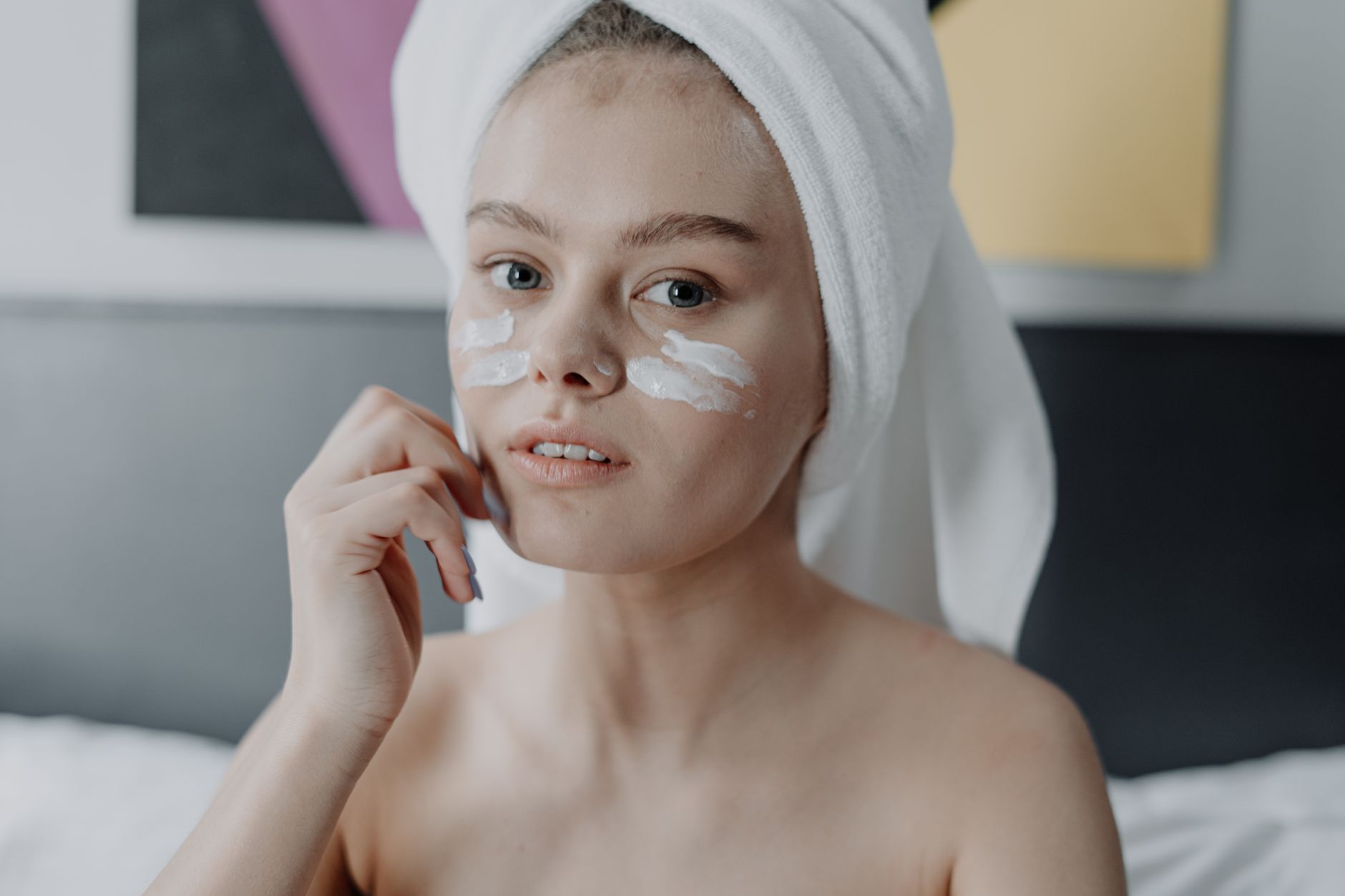
Richer, more occlusive moisturizers, containing ingredients like ceramides, shea butter, and petrolatum-based occlusives, become genuinely necessary in dry climates to prevent excessive water loss, unlike in humid climates where such heavy formulas can feel excessive. Facial oils, layered over a hydrating serum, add an additional occlusive layer that many find particularly beneficial in very dry conditions, helping seal in the hydration from lighter, humectant-based products applied underneath.
Preventing Flaky, Cakey Makeup Application
Foundation and powder products tend to cling to dry, flaky patches of skin, creating a visibly cakey, uneven finish that's considerably more common in dry climates than humid ones. Thoroughly hydrating skin before makeup application, using a hydrating primer, and choosing dewy or satin-finish foundations over matte formulas all help create a smoother base that makeup can adhere to more evenly in dry conditions.
Hair Care in Dry Conditions
Dry climates strip moisture from hair just as they do from skin, often resulting in increased frizz from a different mechanism than humidity-related frizz. Dryness causes the hair cuticle to become rough and raised in an attempt to seek out moisture, leading to a duller, more brittle appearance. Deep conditioning treatments, leave-in conditioners, and hair oils become more important in dry climates to replace the moisture that the environment continually pulls away.
Indoor Heating and Air Conditioning Effects
Indoor heating during colder months and air conditioning during warmer months both significantly reduce indoor humidity, often making indoor environments considerably drier than the outdoor climate itself, even in regions not typically considered dry. Running a humidifier indoors, particularly in bedrooms where extended time is spent, helps counteract this effect and can noticeably improve both skin and hair condition over time.
Altitude-Specific Considerations
High altitude environments combine lower humidity with increased UV exposure, since UV intensity increases with elevation, creating a combination of dehydration and sun damage risk that requires both intensive hydration and diligent, frequently reapplied sunscreen. The thinner air at altitude also means less atmospheric filtering of UV rays, making sun protection even more critical than the altitude's dryness alone might suggest.
Adjusting for Dry Climates With Existing Skin Concerns
Certain skin concerns require additional consideration when adapting a routine for dry conditions, since a compromised barrier and increased moisture loss can interact differently with eczema-prone, rosacea-prone, or acne-prone skin than with skin that has no particular underlying concern. Eczema-prone skin is particularly vulnerable in dry climates, since low humidity is one of the most well-documented eczema triggers, making consistent use of thick, fragrance-free occlusive moisturizers and shorter, lukewarm showers (rather than long, hot ones that further strip the barrier) especially important for managing flare frequency and severity. Rosacea-prone skin can also worsen in dry, often colder climates, where wind exposure and temperature fluctuations compound the barrier-disrupting effects of low humidity, making a rich, barrier-supportive moisturizer and a physical windbreak, like a scarf in cold, dry, windy conditions, worthwhile additions to a dry-climate routine for this skin type. Acne-prone skin faces a somewhat counterintuitive challenge in dry climates: the instinct to use lighter, oil-free products to avoid breakouts can actually worsen dryness-related barrier damage, which in turn can increase irritation from acne treatments and potentially worsen breakouts through a compromised barrier's reduced ability to tolerate active ingredients. For this reason, acne-prone skin in dry climates often benefits from a slightly richer, though still non-comedogenic, moisturizer than the same skin type might need in a humid climate. Understanding how your specific skin concern responds to dryness helps you fine-tune product richness and application frequency more precisely than a generic dry-climate routine alone.
Seasonal Dryness Shifts and Layering Strategies
Even within a broadly dry climate, dryness often intensifies during colder months when indoor heating runs continuously and outdoor humidity drops further, requiring a routine that becomes progressively richer as the season shifts rather than remaining static year-round. A layering strategy, applying products from thinnest to thickest consistency and adding an additional occlusive layer during the driest stretches, allows for this seasonal flexibility without requiring an entirely different set of products for each month. During comparatively milder, less dry stretches within an overall dry climate, a lighter moisturizer alone may suffice, while the coldest, driest months often call for adding a facial oil beneath the moisturizer, or switching to a moisturizer with a higher concentration of occlusive ingredients like petrolatum or dimethicone. This same layering logic extends to lip care and hand care, both areas particularly prone to dryness-related cracking and discomfort during the driest months, where a thicker balm applied more frequently, and reapplied after handwashing for hands specifically, prevents the kind of painful cracking that becomes considerably harder to treat once it develops than to prevent in the first place.
Comparison Table: Humid Climate vs. Dry Climate Routine
| Product Category | Humid Climate | Dry Climate |
|---|---|---|
| Moisturizer | Lightweight gel or lotion | Rich cream with occlusives |
| Sunscreen | Gel-based or fluid | Cream-based, hydrating formula |
| Foundation | Long-wear, matte formulas | Dewy or satin-finish formulas |
| Hair care | Anti-humidity, frizz control | Deep conditioning, leave-in treatments |
Body Care and Traveling Considerations for Dry Climates
Body skin experiences the same dryness-related challenges as facial skin in dry climates, often more visibly, since body skin generally receives less consistent moisturizing attention than the face despite covering a much larger surface area. Switching from a lightweight body lotion to a thicker body cream or butter, and applying it immediately after showering while skin is still slightly damp, helps lock in more moisture than applying to fully dry skin, a technique that makes a meaningful difference in dry climates specifically. Hands, feet, and lips deserve particular attention in dry climates, since these areas have thinner skin and fewer oil glands than much of the body, making them especially prone to cracking, a concern that can become genuinely painful and slow to heal once it progresses beyond mild dryness. For those traveling temporarily from a humid climate to a dry one, packing a richer moisturizer, a facial oil, and an intensive lip balm, even if these aren't part of a regular humid-climate routine, helps prevent the uncomfortable tightness and flaking that can develop within just a day or two of exposure to unfamiliar dry conditions, particularly common on flights, where cabin humidity is often exceptionally low regardless of the destination climate. Frequent flyers or those regularly moving between humid and dry environments often find it worthwhile to keep a small set of dry-climate essentials on hand specifically for this kind of travel, rather than assuming their regular routine will adequately address the different environmental demands.
Common Mistakes to Avoid
Using Lightweight Products Formulated for Humid Climates
Continuing to use gel-based, lightweight formulas in a dry climate often fails to adequately address the increased moisture loss dry conditions create.
Skipping Facial Oil or Occlusives
In very dry conditions, skipping a facial oil or occlusive moisturizer layer often leaves skin unable to retain adequate hydration throughout the day.
Not Using a Humidifier Indoors
Ignoring indoor humidity, particularly during heating or air conditioning season, overlooks a significant, easily addressed contributor to skin and hair dryness.
Applying Makeup Without Adequate Hydration First
Skipping a hydrating primer or adequate moisturizer before makeup application in dry climates often results in visibly flaky, uneven makeup application.
Hair Styling Adjustments Specific to Dry Climates
Beyond the deep conditioning and moisture-focused products already discussed, dry climates also call for adjustments to styling technique and tool use, since heat styling tools cause more noticeable damage to hair that's already compromised by environmental dryness than to well-hydrated hair. Reducing heat styling frequency, or consistently using a heat protectant formulated specifically for dry or damaged hair, becomes more important in dry climates, where hair has less natural moisture reserve to buffer against thermal damage. Static, a common frustration in dry climates due to low ambient moisture disrupting the electrical charge balance in hair strands, can be reduced through leave-in conditioners, anti-static hair sprays, or simply switching from a plastic to a wooden or boar-bristle brush, which generates less static than plastic bristles moving through dry hair. Scalp dryness, sometimes overlooked in favor of focusing on hair strands alone, also increases in dry climates, potentially resulting in flaking that can be mistaken for dandruff, when a scalp oil treatment or switching to a more hydrating shampoo formula may resolve the issue more effectively than an anti-dandruff product would. Washing hair less frequently, where scalp and hair type allow, can also help preserve natural oils that dry climates already work to strip away, though this needs to be balanced against individual scalp oil production and personal comfort, since there's no single washing frequency that works universally well across different hair types and climate severities.
- Layer a facial oil over a hydrating serum for additional occlusive protection in very dry conditions.
- Run an indoor humidifier, particularly during heating or air conditioning season, to counteract indoor dryness.
- Choose dewy or satin-finish foundations over matte formulas to avoid emphasizing dry, flaky patches.
- Increase sun protection diligence at high altitude, where UV exposure is meaningfully higher than at sea level.
Conclusion
Adjusting a beauty routine for a dry climate, shifting toward richer, more occlusive skincare, hydration-focused makeup techniques, and deep-conditioning hair care, addresses the genuine challenges that low ambient humidity creates for skin, hair, and makeup application. Recognizing that indoor heating, air conditioning, and high altitude can each compound dryness beyond what the general climate alone suggests helps ensure a truly effective, well-adapted dry-climate routine.
Category: Beauty Tips & Tricks
Tags: dry climate skincare, dry climate beauty routine, occlusive moisturizer, flaky makeup prevention, high altitude skincare, indoor heating skin, humidifier skincare, dry hair care, climate-based skincare, winter skincare
Frequently Asked Questions
References
Last updated
This article is for informational purposes only and does not constitute medical advice. Consult a licensed dermatologist or healthcare provider before starting any new treatment.
Beauty & Hair Care Editor
Amanda Gurton is a beauty editor and researcher with a focus on translating dermatology and trichology insights into clear, actionable advice. She covers skincare routines, hair health, ingredient science, and everyday beauty habits.
Comments (0)
Be the first to comment.
Related Articles
How to Transition Your Skincare Routine Between Seasons
Learn how to transition your skincare routine between seasons, including what to swap, when to change products, and common mistakes to avoid.

Beauty Routine Adjustments for Humid Climates
Learn how to adapt your skincare, makeup, and hair routine for humid climates, from lightweight formulas to humidity-resistant makeup techniques.
How to Choose Sustainably Packaged Beauty Products
Learn how to identify genuinely sustainable beauty packaging, avoid greenwashing, and make more environmentally conscious beauty purchases.
How to Build a Travel-Friendly Beauty Routine
Learn how to build an effective, compact travel beauty routine, including product decanting, TSA rules, and maintaining consistency on the go.