 Funky Millions
Beauty Tool Hygiene: Sponges, Brushes, and Tweezers
Learn proper hygiene practices for makeup sponges, brushes, tweezers, and other beauty tools to prevent skin issues and infections.
Quick summary
Key Takeaways
- Each beauty tool category has distinct hygiene needs based on its material, use pattern, and proximity to sensitive body areas.
- Beauty sponges require the most frequent, thorough cleaning among common beauty tools, given their high susceptibility to bacterial growth.
- Nail tools warrant particular hygiene attention given their frequent contact with cuticle areas prone to minor skin breaks.
- Hair brushes and combs benefit from a two-tier approach, quick daily hair removal combined with periodic, more thorough washing.
- Travel requires some adjustment to maintain consistent beauty tool hygiene, including breathable packing for better air circulation, extra attention to complete drying before repacking items like sponges, and individual alcohol wipes as a practical, restriction-compliant disinfection solution while away from home.
- Some hygiene issues indicate a tool has reached the end of its useful life and requires replacement rather than continued cleaning attempts.
- Moisture is the key environmental factor enabling bacterial and fungal growth on beauty tools, meaning thorough drying after cleaning is not a minor afterthought but an equally important step that can determine whether a tool remains genuinely hygienic between uses.
- Professional salons and spas are held to more rigorous, regulated hygiene standards than typical personal tool use at home, given their higher cross-contamination risk across multiple clients, and observing visible sanitation practices can help evaluate a facility's overall hygiene commitment before booking a service.
Beyond regular cleaning schedules, beauty tools require specific hygiene practices tailored to their particular use and material to genuinely prevent the bacterial growth and cross-contamination that can lead to breakouts, irritation, or infection. This guide covers hygiene practices for the full range of common beauty tools beyond brushes alone.
Why Tool-Specific Hygiene Matters
Different beauty tools face different contamination risks based on their material, use pattern, and proximity to sensitive areas like eyes or broken skin, meaning a single generic "clean occasionally" approach does not adequately address each tool's specific needs.
Beauty Sponge Hygiene
Beauty sponges, given their porous material and near-constant dampness after use, are particularly prone to bacterial and mold growth, making them one of the highest-priority tools for consistent hygiene practices. Clean after every single use with a gentle sponge cleanser or mild soap, squeeze thoroughly (never wring, which can damage the material), and allow to air dry completely in a ventilated location before next use.
Tweezer Hygiene
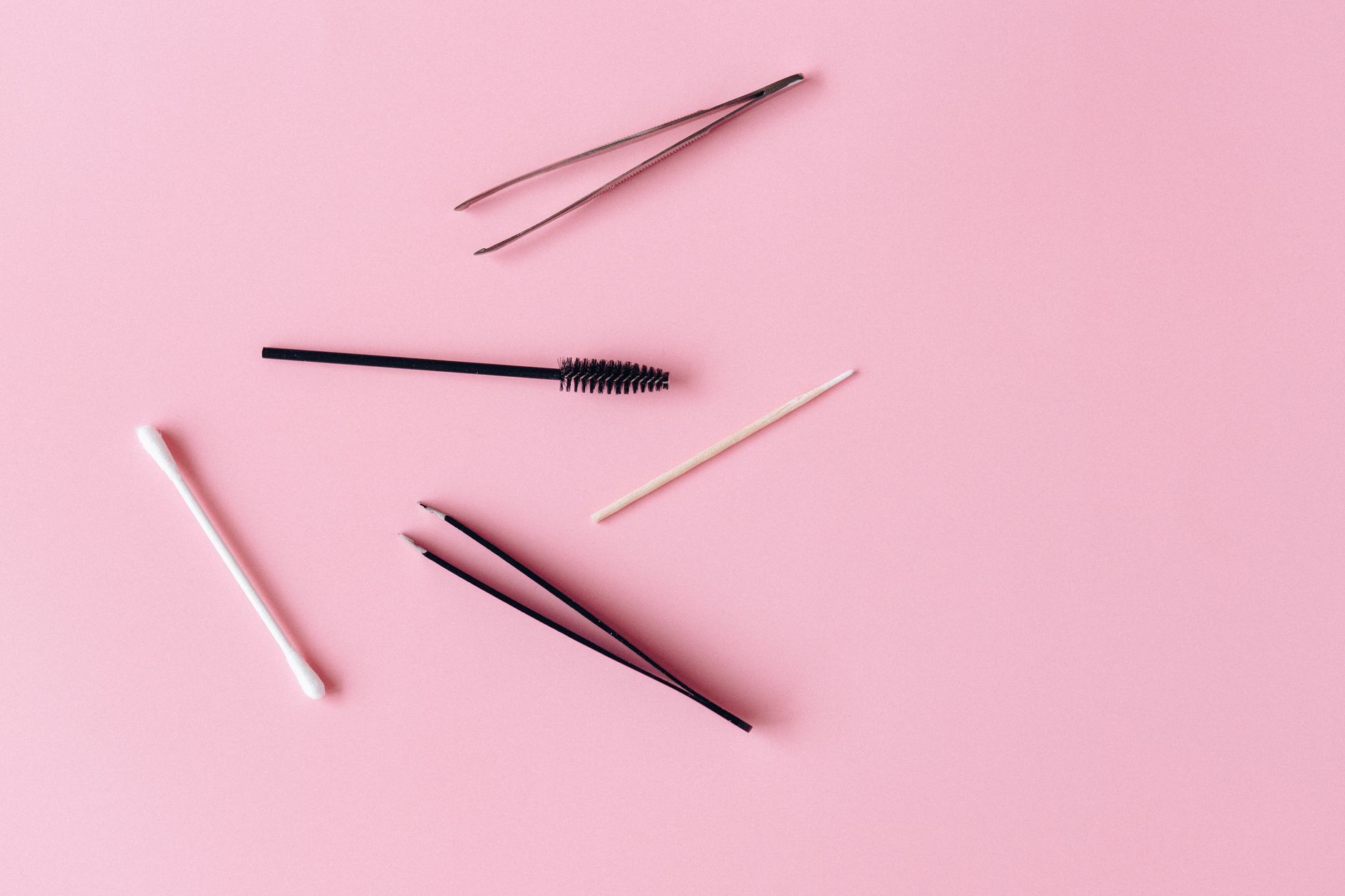
Tweezers, particularly given their use for hair removal that can create small breaks in the skin, should be wiped with rubbing alcohol before and after each use to reduce infection risk at these vulnerable contact points.
Eyelash Curler Hygiene
Eyelash curlers should be wiped clean regularly, particularly the rubber pad, which can accumulate mascara residue and oil over time. Replace the rubber pad periodically, since a worn, cracked pad is both less effective and potentially more prone to harboring bacteria in the damaged material.
Nail Tool Hygiene
Nail clippers, files, and cuticle tools should be disinfected with rubbing alcohol after each use, particularly important given their contact with an area more prone to minor cuts and breaks in the skin. Metal tools can also be sanitized periodically with boiling water for more thorough disinfection.
Razor and Shaving Tool Hygiene
Rinse razors thoroughly after each use, removing hair and product buildup between blades, and replace blades regularly, since dull blades both perform poorly and can harbor more bacteria in their reduced cutting efficiency. Store razors in a dry location between uses, since consistently damp storage promotes bacterial growth.
Hair Tool Hygiene (Brushes, Combs)
Hair brushes and combs accumulate product residue, oil, and dead skin cells over time, warranting a deep clean (removing hair, then washing with shampoo or mild soap) every one to two weeks, with a quick daily hair removal habit between deeper cleaning sessions.
Comparison Table: Hygiene Practices by Tool
| Tool | Cleaning Frequency | Key Practice |
|---|---|---|
| Beauty sponges | After every use | Squeeze (don't wring), air dry fully |
| Tweezers | Before and after each use | Wipe with rubbing alcohol |
| Eyelash curler | Weekly | Wipe pad, replace periodically |
| Nail tools | After each use | Disinfect with alcohol |
| Razors | After each use | Rinse thoroughly, replace blades regularly |
| Hair brushes/combs | Deep clean weekly-biweekly | Remove hair daily, wash periodically |
Traveling With Beauty Tools and Maintaining Hygiene on the Go
Travel introduces additional hygiene challenges for beauty tools, since packed luggage often provides less airflow and drying opportunity than a tool would normally receive at home, making some travel-specific adjustments worthwhile for maintaining the same hygiene standards while away from your usual routine and storage setup.
Packing tools like tweezers, nail clippers, and eyelash curlers in a dedicated, breathable pouch rather than sealed directly in plastic bags allows for at least some air circulation during transit, reducing the risk of trapped moisture contributing to bacterial growth during travel, particularly relevant for longer trips where a tool might remain packed for extended periods without use. For beauty sponges specifically, given their already elevated hygiene risk discussed throughout this guide, packing a completely dry sponge and allowing extra drying time after any travel use, before repacking, deserves particular attention, since the combination of travel-related time pressure and less familiar drying conditions can make it easy to pack a sponge before it has genuinely finished drying.
For extended trips, bringing individual alcohol wipes specifically for tool disinfection, rather than relying on packing a full bottle of rubbing alcohol that may face its own liquid travel restrictions, offers a practical, restriction-compliant way to maintain the same before-and-after disinfection habits for tools like tweezers and nail implements that this guide recommends for everyday use at home.
Signs a Tool Needs Replacing, Not Just Cleaning
- Visible rust on metal tools, which cannot be fully cleaned away and poses both hygiene and injury risk
- Cracked or torn material (sponges, curler pads), which can harbor bacteria in damaged areas cleaning cannot fully reach
- Persistent odor despite thorough, consistent cleaning
- Reduced functionality, such as dull blades or bent tweezers, which can affect both performance and safety
The Science Behind Why Damp Environments Favor Bacterial Growth
Understanding the actual microbiology behind why damp beauty tools pose such a consistent hygiene risk across nearly every tool category discussed in this guide helps reinforce why proper drying, not just cleaning, deserves equal emphasis in any beauty tool hygiene routine.
Bacteria and fungi require moisture to reproduce and thrive, and the combination of organic material, dead skin cells, oils, and product residue, along with consistent dampness, creates conditions that are close to ideal for microbial growth across a wide range of common beauty tool materials. This is precisely why tools that remain damp between uses, such as a beauty sponge stored in an airtight container while still wet, or a razor left in a puddle of water on the edge of a shower rather than properly dried, present meaningfully higher contamination risk than the same tool cleaned identically but allowed to fully dry before storage.
This microbiological principle explains why "cleaning" and "drying" are genuinely two separate, equally important steps rather than drying being a mere afterthought following the more emphasized cleaning process. A tool that has been thoroughly cleaned but then stored while still damp can actually develop meaningful bacterial growth in the time between cleaning and next use, effectively undoing much of the hygiene benefit the cleaning step was meant to provide, which is why proper air circulation and complete drying deserve just as much attention in a beauty tool hygiene routine as the active cleaning step itself.
Common Mistakes to Avoid
Wringing Out Beauty Sponges
This can damage the material's structure. Squeezing gently, rather than wringing, preserves the sponge while still removing excess water and product.
Sharing Tools That Contact Skin or Eyes
Tweezers, eyelash curlers, and similar tools should generally not be shared, given the infection risk associated with their contact points.
Continuing to Use Rusted Metal Tools
Rust cannot be fully cleaned away and indicates it is time to replace the tool rather than continuing to use it.
Storing Damp Tools in Enclosed Spaces
This creates ideal conditions for bacterial and mold growth, making proper drying before storage an important habit across most tool categories.
Professional Salon and Spa Tool Hygiene Standards
Understanding how professional salons and spas approach tool hygiene, generally held to significantly higher regulatory standards than typical at-home practices, provides a useful benchmark for evaluating both professional service providers and your own personal tool hygiene habits at home.
Licensed nail and beauty salons in most jurisdictions are legally required to follow specific sanitation protocols, including using hospital-grade disinfectants (not just rubbing alcohol) for metal tools between clients, properly autoclaving certain tools when required, and disposing of single-use items like nail files and buffers rather than reusing them across multiple clients. This regulatory standard exists specifically because professional settings involve tool use across many different people in relatively rapid succession, creating a meaningfully higher cross-contamination risk than personal tools used only by a single individual at home, which is part of why professional standards are appropriately more rigorous than what is generally necessary for personal, single-user tool hygiene.
When evaluating a salon or spa as a potential service provider, observing whether visible tools are properly stored in sealed, sanitized packaging or containers, whether staff visibly disinfect tools between clients, and whether single-use items are genuinely used only once rather than reused, offers a reasonable, observable proxy for a facility's overall hygiene standards, even without direct access to their full internal sanitation protocols and records.
- Clean beauty sponges after every single use, given their particularly high susceptibility to bacterial growth.
- Use rubbing alcohol for tools contacting sensitive areas, like tweezers and nail tools, both before and after use.
- Replace tools showing signs of damage, like rust or cracking, rather than continuing to clean around the compromised area.
- Avoid sharing personal tools that contact skin, eyes, or areas prone to minor cuts.
Conclusion
Proper beauty tool hygiene extends well beyond brushes alone, with sponges, tweezers, eyelash curlers, nail tools, razors, and hair brushes each requiring specific practices tailored to their material and use pattern. Understanding and implementing these tool-specific hygiene practices, along with recognizing when a tool needs replacement rather than continued cleaning, helps prevent the bacterial growth and cross-contamination that can lead to skin issues or infection.
For more on makeup brush hygiene specifically, see our guide on how often to clean makeup brushes.
Category: Beauty Tips & Tricks
Tags: beauty tool hygiene, sponge cleaning, tweezer hygiene, eyelash curler care, nail tool hygiene, razor hygiene, hair brush cleaning, beauty tool safety, tool sanitization, beauty basics
Frequently Asked Questions
References
Last updated
This article is for informational purposes only and does not constitute medical advice. Consult a licensed dermatologist or healthcare provider before starting any new treatment.
Beauty & Hair Care Editor
Amanda Gurton is a beauty editor and researcher with a focus on translating dermatology and trichology insights into clear, actionable advice. She covers skincare routines, hair health, ingredient science, and everyday beauty habits.
Comments (0)
Be the first to comment.
Related Articles

How to Patch Test Beauty Products Safely
Learn how to properly patch test makeup, hair products, and other beauty items beyond skincare, and how to interpret the results.
Minimalist Makeup Bag: 10 Essentials You Actually Need
Discover the 10 genuine makeup essentials for a minimalist routine, cutting through excess products to focus on what actually matters.
Multi-Use Beauty Products That Save Time and Money
Discover genuinely effective multi-use beauty products that combine several routine steps, saving both time and money without sacrificing results.
Do You Actually Need a Makeup Primer? What It Really Does
Learn what makeup primer actually does, whether you really need one, and how to choose the right primer for your skin type and concerns.