 Funky Millions
How to Layer Fragrance for a Signature Scent
Learn how to layer fragrance products to create a unique, longer-lasting signature scent, from application order to product selection.
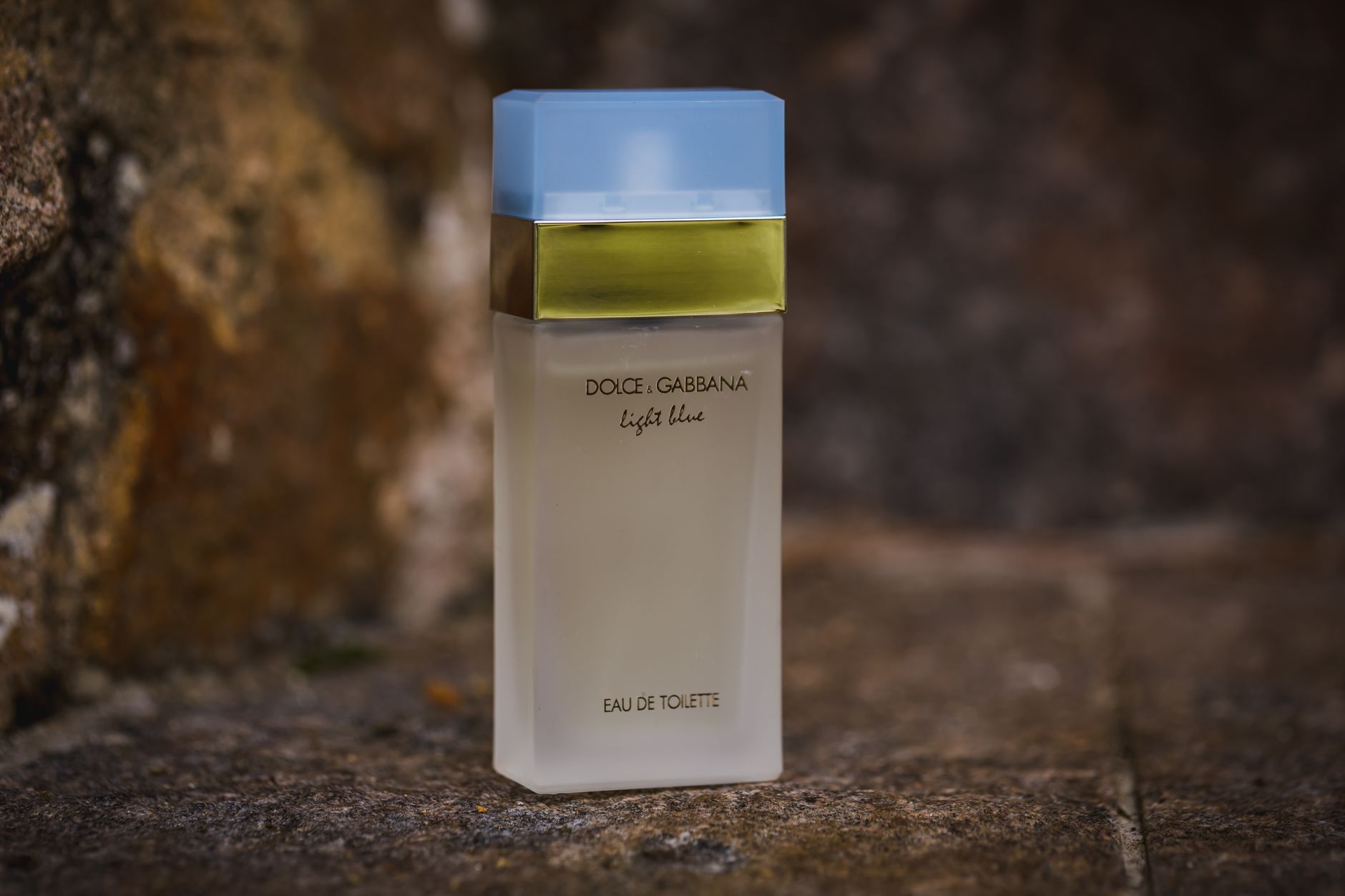
Quick summary
Key Takeaways
- Layering combines multiple scented products in a complementary fragrance family, creating a more complex, longer-lasting result than a single application.
- Layering improves both how long a fragrance lasts and its overall depth and complexity compared to a single product application.
- A complete layering system builds from a subtle base (body wash) through to the most concentrated final layer (perfume), with each step reinforcing the overall scent.
- Building from body wash through lotion to perfume, applied to damp skin at pulse points, creates the most effective, longest-lasting layered result.
- Rubbing wrists together after perfume application can alter the scent's development, making this a habit worth avoiding despite its common practice.
- Combining different fragrance families can create unique, personalized results but requires more experimentation than sticking within a single family.
- Fragrance layering benefits from seasonal adjustment, scaling back application and favoring lighter fragrance families in summer heat, while favoring richer scent families and slightly more generous application in winter to compensate for how cold, dry air mutes fragrance projection.
- Fragrance concentration level, from the highest-concentration parfum to the lightest eau de cologne, significantly affects longevity, projection, and how well a specific product suits layering versus standalone use, making concentration worth considering alongside fragrance family when building a layering system.
- Individual skin chemistry, including oil production and pH, genuinely affects how a fragrance layering system performs, meaning some personal experimentation and adjustment from general guidance is normal and expected rather than a sign you are doing something wrong.
Fragrance layering, combining complementary scented products across different steps of your routine, creates a more nuanced, longer-lasting scent experience than a single spritz of perfume alone. This guide covers exactly how to layer fragrance effectively, from selecting complementary products to proper application technique.
What Is Fragrance Layering?
Fragrance layering involves applying multiple scented products, such as a scented body wash, lotion, and perfume, all within the same or complementary fragrance family, to build a more complex, longer-lasting scent than any single product alone would provide.
Why Layering Improves Longevity and Complexity
Each layer contributes to the overall scent's longevity, since lotions and oils provide a moisturized base that helps perfume adhere to skin longer than application to dry skin alone. The layering process also allows subtle variations and complexity in scent that a single product cannot achieve on its own.
Building a Fragrance Layering System
- Scented shower gel/body wash, providing a base note throughout the day
- Matching or complementary body lotion, applied to damp skin after showering
- Perfume or eau de parfum, applied as the final, most concentrated layer
- Optional hair mist, adding a subtle scent trail through hair movement
Choosing Complementary Scented Products
Using products from the same fragrance line offers the most reliable complementary layering, since these are typically formulated to work together intentionally. For mixing brands or creating your own combinations, choosing products within the same general fragrance family (floral, woody, citrus, etc.) helps ensure a cohesive rather than clashing result.
Application Order for Maximum Effect
Step 1: Scented Body Wash During Shower
This creates a subtle base note that lingers faintly throughout the day.
Step 2: Body Lotion to Damp Skin
Applying lotion to still-damp skin after showering helps lock in moisture and creates a good base for the perfume to adhere to.
Step 3: Perfume to Pulse Points
Apply perfume to pulse points, wrists, neck, and behind ears, where body heat helps diffuse the scent throughout the day.
Step 4: Optional Hair Mist
If using a hair mist, apply from a distance to avoid oversaturating hair, which can dull rather than enhance the overall effect.
Application Technique
Avoid rubbing wrists together after applying perfume, a common habit that can actually break down the fragrance's molecular structure and alter how it develops throughout the day. Instead, apply and allow to dry naturally without rubbing.
Layering Different Fragrance Families
While matching fragrance families offers the safest, most reliable approach, some experienced fragrance enthusiasts intentionally combine different families for a more unique result, such as pairing a citrus body wash with a warmer, woody perfume for added depth. This approach requires more experimentation and carries more risk of an unintended clashing result.
Comparison Table: Single Application vs. Layering
| Factor | Single Perfume Application | Fragrance Layering |
|---|---|---|
| Longevity | Shorter, particularly on dry skin | Longer, supported by lotion base |
| Complexity | Simpler, single-note experience | More nuanced, builds throughout the day |
| Product investment | Lower (one product) | Higher (multiple complementary products) |
| Uniqueness | Standard, as formulated | Potentially more personalized through combination |
Seasonal Adjustments to Your Layering System
Just as skincare and hair care benefit from seasonal adjustment, fragrance layering performs differently across seasons, and adapting your approach to temperature and humidity changes helps maintain a more consistently pleasant, appropriately balanced result throughout the year.
In warmer months, heat and humidity naturally amplify fragrance projection and can accelerate how quickly top notes evaporate, meaning a layering system that felt perfectly balanced in cooler weather can suddenly feel overwhelming once summer heat arrives, making it worth scaling back the number of layers or the amount applied at each step during particularly hot conditions. Lighter fragrance families, citrus and fresh aquatic scents in particular, also tend to perform better in summer layering systems, both because they suit the season's overall mood and because their typically lighter concentration profile is less likely to become cloying in heat compared to heavier, more intense scent families.
In colder months, the opposite adjustment often applies, since cold, dry air can mute fragrance projection and cause scents to fade more quickly than they would in warmer conditions, meaning winter layering systems often benefit from richer, warmer fragrance families like amber, vanilla, or spice, along with potentially a slightly more generous application at each layering step to compensate for how cold air affects scent diffusion and longevity.
Creating a Genuinely Signature Scent
For those wanting a truly unique signature scent, combining an unexpected pairing, such as layering two different perfumes in a specific ratio, or mixing a fragrance-free base with a small amount of a favorite scented oil, can create something genuinely unique to you, rather than wearing an identical scent to everyone else who purchases the same single perfume.
Understanding Fragrance Concentration Levels
Beyond fragrance families and layering technique, understanding the different concentration levels available for perfume products, parfum, eau de parfum, eau de toilette, and eau de cologne, helps you make more informed choices about which specific product formats to include in your layering system and how they will behave once applied.
Parfum, sometimes labeled extrait de parfum, contains the highest concentration of fragrance oils, typically 20 to 30 percent, resulting in the longest wear time and most intense scent projection, making it a powerful final layer that often requires less product than lighter concentrations to achieve the same overall effect. Eau de parfum, the most common format for daily wear, typically contains 15 to 20 percent fragrance oil, offering a strong balance of longevity and moderate projection that works well as the primary perfume layer in most layering systems. Eau de toilette and eau de cologne contain progressively lower concentrations, generally 5 to 15 percent and 2 to 4 percent respectively, resulting in lighter, shorter-lasting scents that some people prefer specifically for layering purposes since their lighter nature makes them easier to combine with other scented products without becoming overwhelming.
Understanding these concentration differences helps explain why the same nominal fragrance can smell and perform quite differently depending on which specific concentration format you choose, and why some fragrance enthusiasts specifically seek out eau de toilette or cologne versions of a scent they already own in eau de parfum specifically for layering purposes, using the lighter concentration as a refreshing top-up throughout the day while reserving the more concentrated version for the initial, most impactful application.
Common Mistakes to Avoid
Rubbing Wrists Together After Applying Perfume
This common habit can break down the fragrance's molecular structure, altering its intended development throughout the day.
Layering Completely Mismatched Fragrance Families
Without some experimentation and consideration, combining very different fragrance families can result in an unpleasant, clashing scent rather than the intended complexity.
Applying Perfume to Dry Skin Only
Skipping the lotion layer means perfume has less to adhere to, generally resulting in shorter longevity than a properly layered approach.
Overapplying at Every Layer
Using excessive amounts at each layering step can result in an overwhelming overall scent rather than the intended subtle complexity.
How Skin Chemistry Affects Layering Results
Individual skin chemistry, including natural oil production, pH balance, and even diet, genuinely affects how any fragrance, whether worn alone or as part of a layering system, actually smells and performs on your specific skin, which is part of why the same layering combination can produce noticeably different results from person to person.
Oilier skin tends to hold and project fragrance more strongly and for longer than dry skin, since oil provides an additional medium for fragrance molecules to bind to beyond what lotion alone provides, meaning those with naturally oily skin may find they need less product at each layering step to achieve a similar intensity and longevity compared to someone with drier skin. This also means the same layering system that feels perfectly balanced on one person might feel either too subtle or too intense on someone else, making some degree of personal experimentation and adjustment necessary regardless of how carefully you follow general layering guidance.
Skin pH, which can vary somewhat based on factors including diet, medication, and overall skin health, also influences how fragrance notes develop over time on an individual's skin, part of why the same perfume can smell noticeably different on different people even when applied identically. This individual variation is precisely why fragrance counters often recommend testing a scent on your own skin rather than relying solely on how it smells on a tester strip or on someone else's recommendation, and the same principle applies doubly to a full layering system, where individual skin chemistry compounds across multiple product applications rather than affecting just a single scent alone.
- Start with products from the same fragrance line if you are new to layering, before experimenting with cross-brand combinations.
- Apply to damp skin for the lotion and perfume layers, which helps improve overall longevity.
- Avoid rubbing wrists together after perfume application, allowing the scent to dry and develop naturally.
- Experiment gradually with combining different fragrance families, testing small amounts before committing to a full layering routine.
Conclusion
Fragrance layering, building from a scented body wash through lotion to a final perfume application, creates a more complex, longer-lasting scent experience than any single product alone can achieve. Understanding proper application order, technique, and how to choose complementary products, whether staying within a single fragrance line or experimenting with your own combinations, allows you to develop a genuinely personalized signature scent.
For more on building a complete self-care routine, see our guide on how to create a relaxing self-care night routine.
Category: Beauty Tips & Tricks
Tags: fragrance layering, signature scent, perfume application, body lotion fragrance, scent longevity, perfume tips, fragrance families, beauty basics, personal fragrance, scented body products
Frequently Asked Questions
References
Last updated
This article is for informational purposes only and does not constitute medical advice. Consult a licensed dermatologist or healthcare provider before starting any new treatment.
Beauty & Hair Care Editor
Amanda Gurton is a beauty editor and researcher with a focus on translating dermatology and trichology insights into clear, actionable advice. She covers skincare routines, hair health, ingredient science, and everyday beauty habits.
Comments (0)
Be the first to comment.
Related Articles

How to Patch Test Beauty Products Safely
Learn how to properly patch test makeup, hair products, and other beauty items beyond skincare, and how to interpret the results.
Minimalist Makeup Bag: 10 Essentials You Actually Need
Discover the 10 genuine makeup essentials for a minimalist routine, cutting through excess products to focus on what actually matters.
Multi-Use Beauty Products That Save Time and Money
Discover genuinely effective multi-use beauty products that combine several routine steps, saving both time and money without sacrificing results.
Do You Actually Need a Makeup Primer? What It Really Does
Learn what makeup primer actually does, whether you really need one, and how to choose the right primer for your skin type and concerns.