 Funky Millions
How to Repair Damaged Hair
Quick summary
Key Takeaways
- Wash damaged hair only two to three times a week using sulfate-free products.
- Limit heat styling and always use a protectant when heat is unavoidable.
- Natural oils and protein masks support recovery, but they cannot seal split ends.
- A trim removes irreparable damage and helps the rest of the hair look healthier.
How to repair damaged hair
Hair damage can be considered one of the most common medical issues today. Almost every other person is complaining about this issue and finding ways to curb it. A number of factors are involved which can damage the hair.
- Pollution is a major factor involved in weakening of the roots. Harmful gases, smoke and dust will give you a hair damage frenzy. It is almost impossible to protect your hair from pollution, so hair damage is a problem which most people suffer from.
- Diets these days are not taken properly. Children, instead of taking wholesome meals are filling their stomachs with useless carbs and junk food. This does not allow the natural growth of hair to take its own course. The parents are also not aware of the importance a balanced diet can have when it comes to hair.
- A drastic increase in the use of electronic irons on the hair has been seen lately. This temporarily gives a shiny and a beautiful look, but damages the hair permanently. These devices are like poison to the hair if not used properly.
- Dying your hair with bleach can cause a long term damage. The chemical from the bleach reaches the root of the hair and damages it directly. It removes all the needed protein from the base and stops hair growth.
- Excess of everything is bad. Excessive use of hair products like shampoos, conditioners, moose, wax, hair spray, etc. will only cause long lasting harm. These products are needed to protect and to nourish hair. Some are needed for occasional hair styling, but the daily use of these products is not advisable. They contain chemicals that halt the natural process.
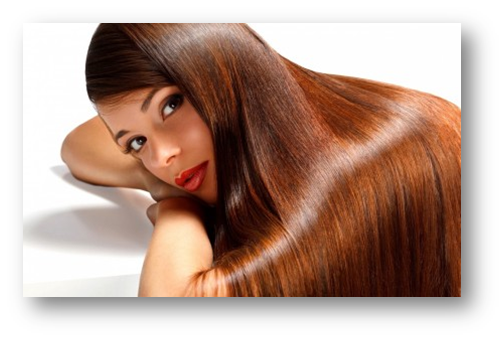
In this age, hair damage is just almost unavoidable and we need to take proper care and measures in order to prevent hair damage. But if one already has damaged hair, what should he do? With patience and proper care, you can get your healthy hair back. Just don’t lose hope and follow these tips.
How to repair damaged hair naturally
Using chemicals and different medical products on the hair in an effort to cure it might temporarily bring your healthy hair back, but they can also sometimes cause long term harm to the hair. They can sometimes cause side effects and can further worsen the situation. In order to cure hair damage, it is wise to use natural ways and manners. This will require a change in our routine and habits, but these tips are successfully experimented upon and have shown great results. There will be minimum side effects and the health will be restored soon.
- Gentleness is the key word while handling your hair. Make sure whenever you wash or dry them out, handle them carefully and be friendly with them. You have to love your hair in order for them to get healed. Do not stretch, pull or crush them. Always use a soft steady hand. It is better to towel dry them instead of an electronic hair dryer. The excessive heat can further cause the damage. Similarly, other irons also should be avoided.
- Keep your hair moisturized at most times. Oiling them twice a week will keep them nourished and smooth. Combing or brushing them will be easier and will not cause hair breakage. Natural oils from olive, coconut, mustard seeds and other herbs provide hair with the necessary supplements. They repair the damaged cells on the hair and restore the lost protein. Oiling not only provides the hair with essential nutrients, but the process enhances blood flow to the hair. Rubbing the scalp gently with your fingertips can regulate the blood flow, which reaches all the areas.
- Eat and drink healthy if your hair is weak. Whatever we eat directly affects the growth and condition of the hair. Make sure your diet is balanced having proteins, vitamins, fats and the carbohydrates in the perfect amount. Protein food is especially good for hair e.g. fish and milk. Drinking loads of water also cures hair damage for mostly dandruff is the root cause for the damage. Water eliminates dryness from the body mechanism not allowing dandruff to grow in the hair.
- Using yoghurt, egg yolk and oil on the hair scalp will also help the damage to get cured. It is an application of protein directly on the scalp and also removes dandruff quickly. Mix these three things and apply to your hair with a brush. Leave it for and hour or so for best results. When you wash away egg yolk and yoghurt there will be an instant shine and smoothness to the hair. Repeat this process once a month for best results.
- Mixing aloe vera extract into mustard oil and applying it to your hair for an hour will also cause miraculous effects. It decreases dandruff growth and reduces hair fall to a noticeable extent. Repeat this process every month for best results.
- Sometimes a layer of residue forms on the scalp underneath the hair. The best way to treat is to make a paste out of baking soda and some water. Rub it on the residue and wash it off with your regular shampoo. Repeat this after every two weeks.
- Henna is considered the natural conditioner. Apply it for a while and wash thoroughly. Henna will not only give your hair a natural dye, but will also provide it with long lasting shine and firmness to the roots. This natural herb comes in different colors. Mostly people prefer black or dark brown henna, but henna giving maroon or auburn color can also give your hair a beautiful color.
- For best result, start treating hair after getting a short trimming at the ends. This way the dead hair at the ends, or the split ends will not slow down the process. The hair will be able to breathe and you can grow them again, but this time in a much healthier condition.
How often should you wash damaged hair?
Over-washing is one of the fastest ways to strip already damaged hair of the natural oils that protect the cuticle. For hair that is dry, brittle, or chemically treated, washing two to three times a week is usually enough. On non-wash days, a light rinse with lukewarm water can refresh the scalp without disturbing the moisture barrier. Choose a sulfate-free shampoo with a pH close to the scalp, and concentrate the lather on the roots rather than the lengths. Condition from mid-lengths to ends every time you wash, and leave it on for at least two minutes so the conditioning agents can actually penetrate the shaft.
Why heat styling makes damage worse
Flat irons, curling wands, and even blow-dryers work by forcing moisture out of the hair shaft, which is exactly what weakened hair cannot afford to lose. If you must use heat, keep the temperature below 180 °C (350 °F), apply a dedicated heat protectant, and never pass the tool over the same section twice. Allow hair to air-dry at least 70 percent before blow-drying, and use the cool-shot button to seal the cuticle. Over time, reducing heat exposure gives the natural lipid layer a chance to rebuild, which makes hair feel smoother and less prone to snapping.
Protective habits that support repair
Small daily choices add up when hair is recovering. Sleep on a silk or satin pillowcase to reduce friction and morning tangles. Replace elastic hair ties with gentle scrunchies or claw clips, and avoid tight ponytails that pull on fragile roots. Before swimming, wet your hair and apply a light layer of conditioner or oil; this reduces how much chlorine or salt water the shaft absorbs. In windy or sunny weather, a loose braid or a soft scarf shields the ends from UV rays and mechanical damage. These habits do not replace deep conditioning, but they stop new damage from undoing your progress.
For related advice, see [10 Beauty Tips for Women](/10-beauty-tips-for-women), [11 Steps for healing a burnt tongue](/11-steps-for-healing-a-burnt-tongue) and [Acid Reflux Home Remedies](/acid-reflux-home-remedies).
Dermatologists and trichologists commonly recommend a multi-layered approach to damaged hair: reduce mechanical and chemical stress, replace lost moisture and protein gradually, and protect new growth from further injury. They emphasize that hair repair is primarily about preventing additional damage while the scalp produces healthier strands, rather than reversing breakage that has already occurred. When patients are consistent with gentle cleansing, conditioning, and heat reduction, most see noticeable improvement in texture and strength within one to two months.
Conclusion
Repairing damaged hair is not about finding one miracle product; it is about giving your hair a break from the habits that weakened it in the first place. Gentle handling, regular oiling, balanced nutrition, and limited heat create the conditions your hair needs to recover over weeks and months. Consistency matters far more than intensity, so choose routines you can realistically maintain.
If your hair is breaking severely, shedding in clumps, or showing signs of scalp irritation, a dermatologist or trichologist can rule out underlying medical causes. For most people, however, the combination of natural treatments and protective habits described here is enough to restore softness, strength, and shine.
Frequently Asked Questions
Last updated
This article is for informational purposes only and does not constitute medical advice. Consult a licensed dermatologist or healthcare provider before starting any new treatment.
Beauty & Hair Care Editor
Amanda Gurton is a beauty editor and researcher with a focus on translating dermatology and trichology insights into clear, actionable advice. She covers skincare routines, hair health, ingredient science, and everyday beauty habits.
Comments (0)
Be the first to comment.
Related Articles
How to Choose Sustainably Packaged Beauty Products
Learn how to identify genuinely sustainable beauty packaging, avoid greenwashing, and make more environmentally conscious beauty purchases.
How to Build a Travel-Friendly Beauty Routine
Learn how to build an effective, compact travel beauty routine, including product decanting, TSA rules, and maintaining consistency on the go.
Skincare Ingredients You Should Never Mix Together
Learn which skincare ingredient combinations to avoid, why they conflict, and how to layer active ingredients safely instead.

Self-Tanner Application: How to Get a Natural, Streak-Free Result
Learn how to apply self-tanner for a natural, even, streak-free result, including prep steps, application technique, and how to fix common mistakes.