 Funky Millions
How to Treat Anemia Naturally
Quick summary
Key Takeaways
- Pair iron-rich foods with vitamin C to improve absorption and avoid tea or coffee around meals.
- Soaked raisins, beetroot-apple juice, and leafy greens can be simple daily additions to support hemoglobin.
- Cook in iron utensils and mash cooked vegetables to increase the iron content and availability of meals.
- Seek medical advice if fatigue, dizziness, or paleness persists despite dietary changes.
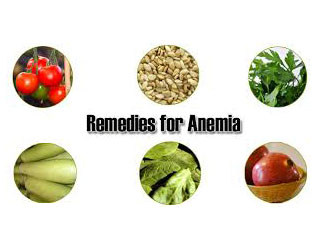
Anemia itself is not a disease, but an indication of other serious ailments. Hemolytic anemia and sickle cell anemia (or sideroblastic anemia) are some common forms of anemia and can be treated through proper medications prescribed by the doctors. Anemia, caused by nutritional deficiency can be treated naturally through homemade remedies. Here are some common, but effective, homemade remedies to treat anemia naturally.
How to treat anemia naturally.
1. Beetroot-Apple Juice
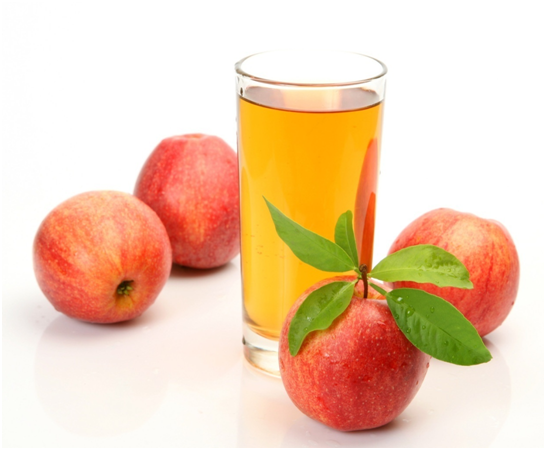
An apple a day keeps not only the doctor away, but also anemia. Apple is highly rich in iron and anemia is caused primarily by iron deficiency. Main ingredients of beet are folic acid, fiber and potassium. It is always good to eat a roasted beet after peeling. Have 2 to 3 apples per day. But, to get the maximum results, mix both of them. Take 1 cup juice of each and mix them well. Add 1-2 tbsp honey in the mixture and stir it well. Have this juice at least twice a day.
2. Blackstrap Molasses
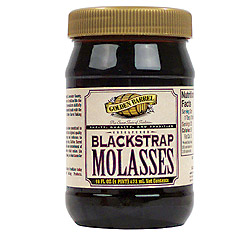
Blackstrap molasses are a rich source of iron, vitamin B and folic acid (in the form of folate). These ingredients help to increase the production of red blood cells. Mix 2 tsp of blackstrap molasses the with same quantity of apple cider vinegar. Add 1 cup of water and stir. Have it once daily and see the results.
3. Spinach
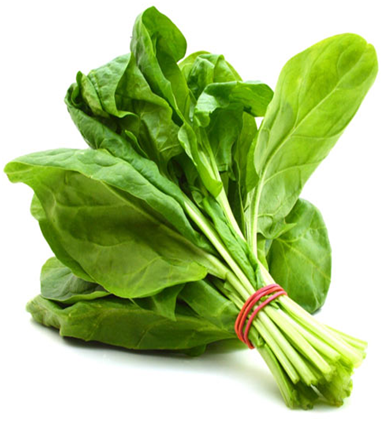
Spinach is highly effective, even in low quantity (just half cup is sufficient). It is rich in Vitamins A, B9, E and C, iron, fiber, and calcium and beta carotene. Boil the spinach before having it, as it also contain oxalic acid, which adversely affects the absorption of iron. Boiling reduces the oxalic acid levels, thus, making it safer for intake. Include spinach in your salad with other vegetables like broccoli, celery and kale. You can make a soup by boiling half cup of spinach. To make it tastier, add your favorite seasoning. Also add honey to this soup and have it for at least a month.
4. Tomatoes
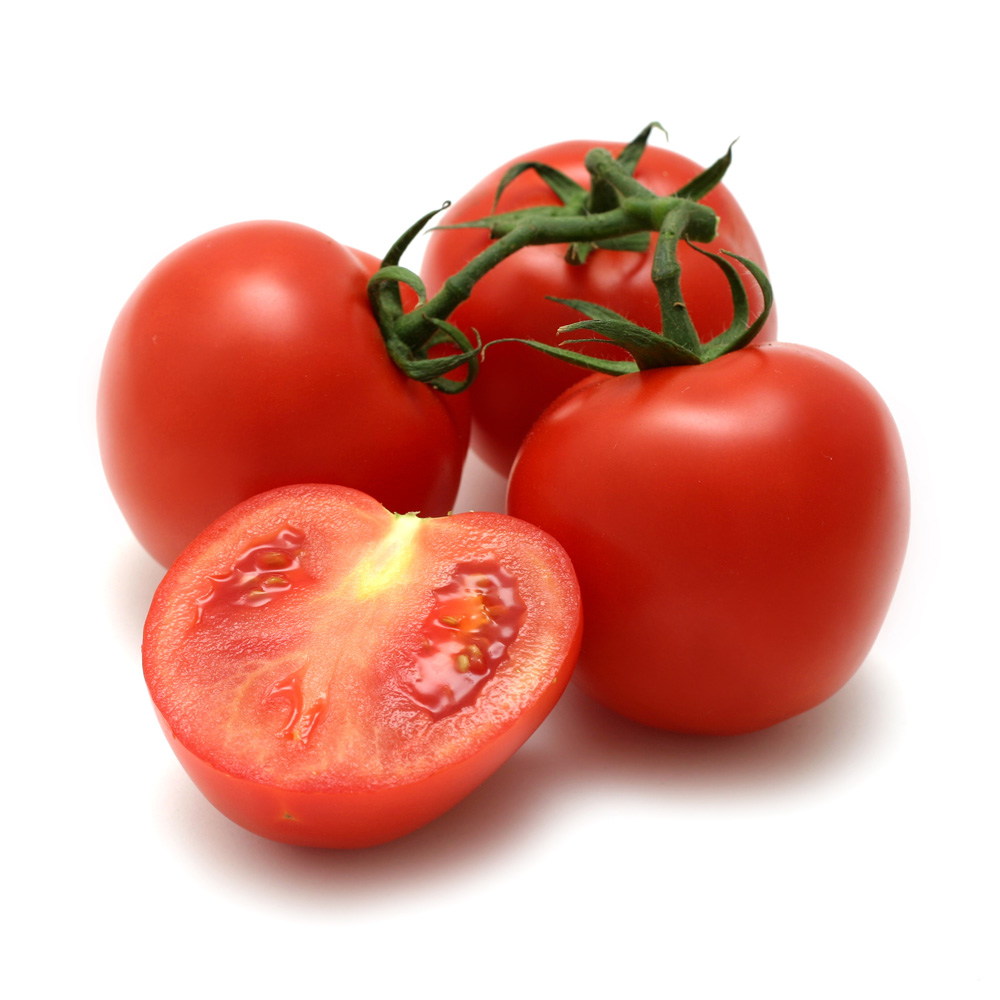
Tomatoes are rich in vitamin C and lycopene. Vitamin C helps in absorption of iron. Eat tomatoes as you like, especially raw. Make sure tomatoes should be essential ingredients of your salad. You also can have them in sandwiches. Drinking one glass of tomato juice every day is equally effective. In addition, add tomatoes in your dishes. There are plenty of recipes available on the internet to make delicious tomatoes dishes.
5. Pomegranate
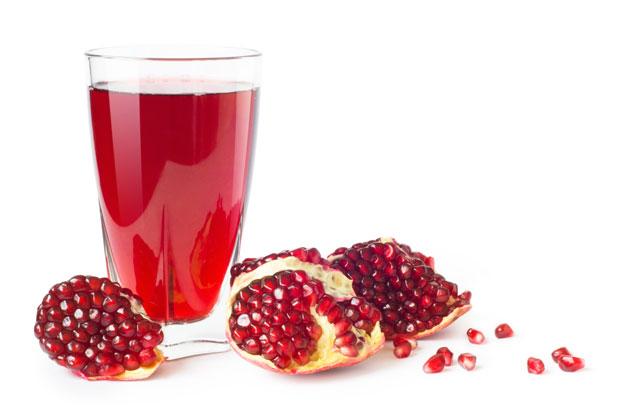
Pomegranate not only contains iron and calcium, but also is high in protein, carbohydrate, fats, fibers and sugar. Not only this, it also contains potassium, copper and many vitamins. Eating pomegranate increases hemoglobin content of the body and also helps in absorption of iron. It effectively treats the typical symptoms of anemia like dizziness, exhaustion and weakness. Eat pomegranate in the morning with an empty stomach. Eating it empty stomach increases the rate of absorption. Pomegranate juice of your desirable flavor is one another method of intake.
6. Bottlegourd
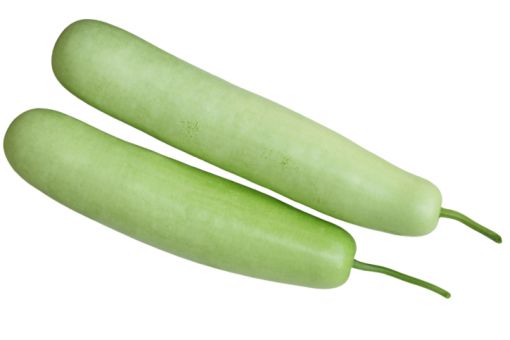
Bottle gourd juice is equally effective, although not much tastier. Its impact is much higher if it is taken with beetroot and spinach. This also helps in making the juice tastier and desirable. Take 1 bottle gourd, ½ cup of beet root pieces and 1 cup of chopped spinach. Take 2 glasses of water in a pan and add all three vegetables. Boil the mixture until the vegetables become soft. Mash the vegetable pieces and sieve it. Have this soup daily to see the shocking improvement on your hemoglobin level.
7. Raisins
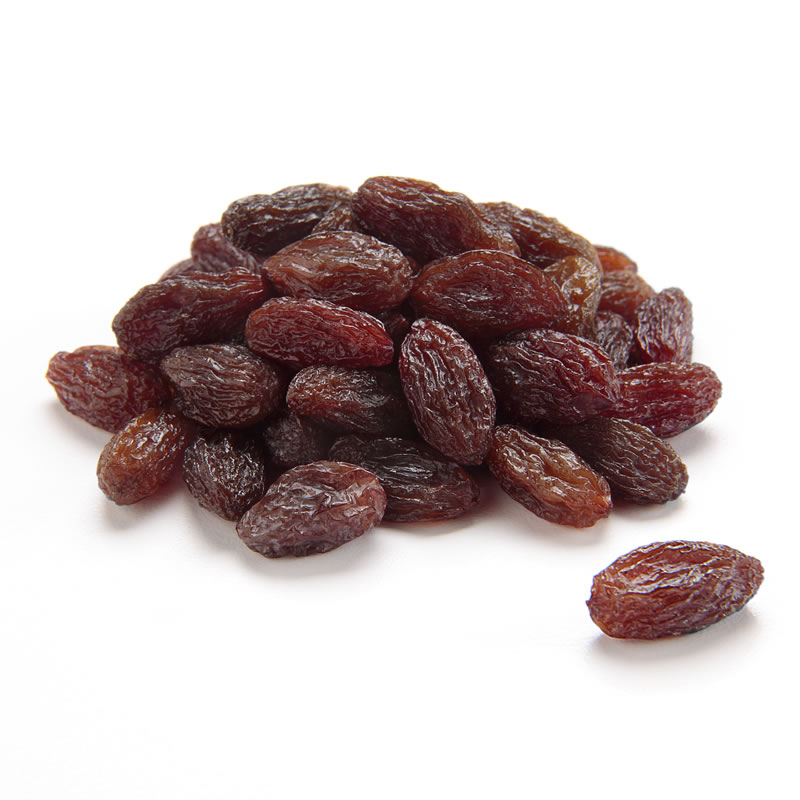
Raisins, which contain various nutrients like calcium, potassium, sodium, protein, iron and fibers, are an excellent source of remedy to treat anemia. It is one of the most famous traditional remedies. Soak 10-15 raisins in water overnight and let them swell. Have them with honey in the morning. Honey is also rich in iron and hence doubles the effect. It also adds to the taste.
8. Wholegrain, Legumes, Nuts
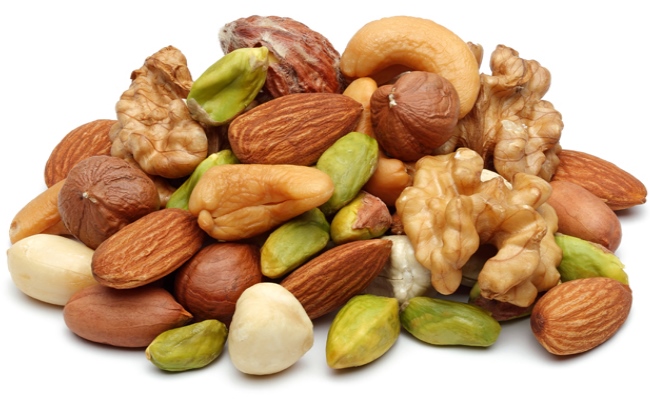
Our body accepts iron in two forms- heme and non-heme. Heme iron is obtained from animals while non-heme is obtained from both plants and animals. Whole grains, legumes and nuts are good sources for iron and folic acid. The only problem associated with their intake is, that absorption of nonheme iron also depends on other foods that you are eating along with. Hence, a balanced diet is must. Legumes like kidney beans, lima beans, green peas, chick peas and pinto beans are considered good for the treatment of anemia. As far as nuts are concerned, peanuts, almonds and walnuts are the best sources. Tea, coffee and cocoa are prohibited as they interfere with the absorption of iron by the body.
9. Sesame seeds
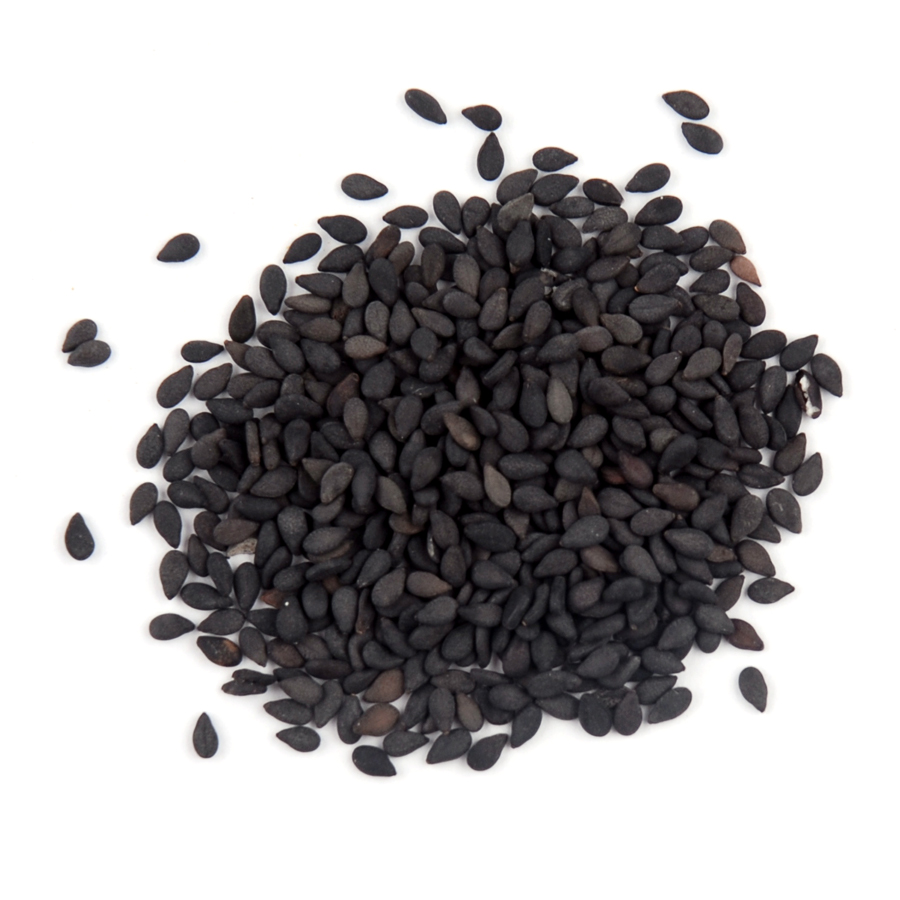
Sesame seeds also work efficiently against anemia, especially the black ones. Soak 1 tsp of sesame seeds in water for 2 hours. Make a paste by crushing them. Add honey to the mixture and stir it well. Have this mixture twice a day.
Another method of having sesame seeds is to make an emulsion of black sesame seeds by grinding and straining the soaked sesame seeds in water for 2 hours. Mix the emulsion with a cup of milk and add honey. It will add taste to the paste. Take twice a day.
10. Parsley
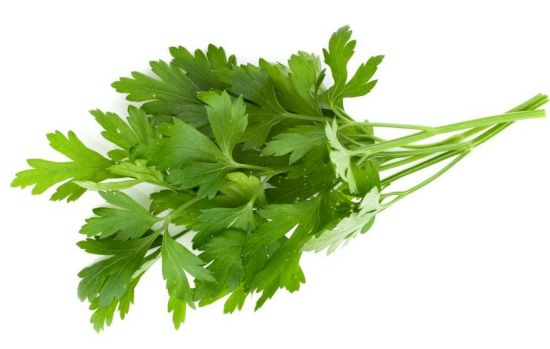
Parsley, or the rock celery, has enough amounts of iron and folic acid. Only a 100 mg of it can provide more than 5 mg of iron. Hence, only 10 tsp of this herb is sufficient alone to fulfill the overall iron requirement of the body. It also contains vitamin C, which helps in absorption of iron into the blood. Parsley can be taken through salads and sandwiches. It can also be added into soups, gravies, stews or even sauces as a whole. Another method of taking it is through juices or tea. Herbal tea of parsley can be made by pouring hot water over parsley leaves and steeping for few minutes. Add honey to change the taste and the effect, both. Have this tea twice a day.
Natural remedies for anemia
Anemia is a disease which arises when the red blood cells count becomes low. Hemoglobin is an important ingredient of RBC, which is responsible for carrying oxygen from lungs to cells of all body parts. It carries CO2 from cells to lungs, which is a part of excretion mechanism, as carbon dioxide is an excretory material. Reduced hemoglobin count, thus, affects both ways. Main symptoms associated with anemia are dizziness, exhaustion or early tiring and weakness. Anemia can be long term or short term depending on the severity of the disease. Mild anemia (short term) can be treated by simple homemade natural remedies for anemia. Homemade natural remedies are more advantageous than medicines, as they do not cause any side effects or adverse effects.
- Epsom salt: Bathing with Epsom salt mixed in Luke warm water has shown remarkable effects in the treatment of anemia. Soaking the feet in that water also helps.
- Apple: Apple has many good ingredients, one of the best natural remedies for anemia, such as iron. Iron is a part of hemoglobin and hence increases hemoglobin production. Have at least 2 to 3 apples per day. To increase the impact, mix apple juice with beet root and honey.

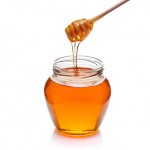
- Honey: Honey plays two roles in the natural treatment of anemia. Firstly, it itself contains minerals like iron, manganese and copper which helps in the synthesis of hemoglobin. Secondly, it adds taste to the juice or the soups when mixed with apple, spinach, beet roots or any other vegetables or fruits.
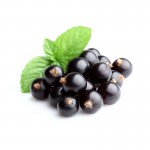
- Black currant: Black currants are rich in vitamin C and folic acid. Soak 10-15 black currants in water overnight and have it in the morning. Seeds must be removed before eating them. Although, they do not cause any harm to the body, they can spoil the taste.
- Iron utensils: When food is cooked in iron utensils, some little amount of iron is scrapped and goes into the vegetable. This small amount (may be few mg) is sufficient to treat iron deficiency. Hence, it is advised to cook food in iron utensils or iron pots, as much as possible.
How to Maximize Iron Absorption from Natural Remedies
Pairing iron-rich foods with vitamin C is one of the simplest ways to treat anemia naturally. The original remedies already combine smart pairings: tomatoes with legumes, spinach with lemon, or pomegranate on an empty stomach. To get the most from these foods, avoid drinking tea, coffee, or cocoa within one hour of an iron-rich meal, since tannins can reduce absorption. Cooking in iron utensils and mashing cooked greens also helps release more minerals for the body to use.
A Simple Daily Routine Using These Remedies
Start the morning with soaked raisins or black currants, followed by a glass of beetroot-apple juice mixed with honey. For lunch, include a spinach salad with tomatoes and a small portion of legumes such as chickpeas or kidney beans. In the evening, a cup of parsley tea or a spoonful of blackstrap molasses in warm water can support red blood cell production. Repeat this pattern consistently for at least four to six weeks while tracking energy levels and any changes in dizziness or fatigue.
When Natural Remedies Should Be Combined with Medical Care
Home remedies work well for mild, nutritional anemia, but they are not a substitute for professional diagnosis. If dizziness, fatigue, pale skin, or shortness of breath persists after several weeks, or if anemia is caused by heavy menstrual bleeding, digestive disorders, or a chronic condition, a doctor should evaluate the cause. Severe anemia may still require supplements or prescribed treatment alongside dietary changes.
For related advice, see [How To Treat Bronchitis? – 6 Ways to treat bronchitis](/how-to-treat-bronchitis-6-ways-to-treat-bronchitis), [How to Get Rid Of Hemorrhoids Fast Naturally At Home](/how-to-get-rid-of-hemorrhoids-fast-naturally-at-home) and [How to Get Rid of Dandruff Fast and Naturally](/how-to-get-rid-of-dandruff-fast-and-naturally).
Nutritionists commonly recommend a food-first approach for mild iron-deficiency anemia, emphasizing whole foods that combine iron with absorption-enhancing nutrients like vitamin C. They typically advise patients to space calcium-rich foods and tannin-containing drinks away from iron sources, and to use cast-iron cookware when possible. For anyone with persistent symptoms or a known medical condition, dietitians stress that natural remedies should support, not replace, professional medical care.
Conclusion
Treating anemia naturally starts with everyday ingredients that support iron intake and absorption. Remedies like beetroot-apple juice, spinach, blackstrap molasses, and sesame seeds offer simple ways to nourish the body while avoiding the side effects that some medications cause.
Consistency matters more than any single remedy. By building meals around iron-rich and vitamin C-rich foods, avoiding absorption blockers, and monitoring symptoms, most people with mild nutritional anemia can see meaningful improvement. Always seek medical guidance if symptoms do not improve or if the underlying cause is unclear.
Frequently Asked Questions
Last updated
This article is for informational purposes only and does not constitute medical advice. Consult a licensed dermatologist or healthcare provider before starting any new treatment.
Beauty & Hair Care Editor
Amanda Gurton is a beauty editor and researcher with a focus on translating dermatology and trichology insights into clear, actionable advice. She covers skincare routines, hair health, ingredient science, and everyday beauty habits.
Comments (0)
Be the first to comment.
Related Articles
How to Choose Sustainably Packaged Beauty Products
Learn how to identify genuinely sustainable beauty packaging, avoid greenwashing, and make more environmentally conscious beauty purchases.

How to Build a Travel-Friendly Beauty Routine
Learn how to build an effective, compact travel beauty routine, including product decanting, TSA rules, and maintaining consistency on the go.
Skincare Ingredients You Should Never Mix Together
Learn which skincare ingredient combinations to avoid, why they conflict, and how to layer active ingredients safely instead.

Self-Tanner Application: How to Get a Natural, Streak-Free Result
Learn how to apply self-tanner for a natural, even, streak-free result, including prep steps, application technique, and how to fix common mistakes.