 Funky Millions
Vitamin K Benefits
Quick summary
Key Takeaways
- Vitamin K exists in three main forms, but only K1 and K2 from natural sources are considered safe for regular use.
- Adequate Vitamin K intake supports blood clotting, bone density, arterial health, and the skin's healing appearance.
- Vitamin K2 works synergistically with Vitamin D and calcium to help direct minerals toward bones rather than soft tissues.
- People taking blood thinners should consult a health practitioner before increasing Vitamin K through diet or supplements.
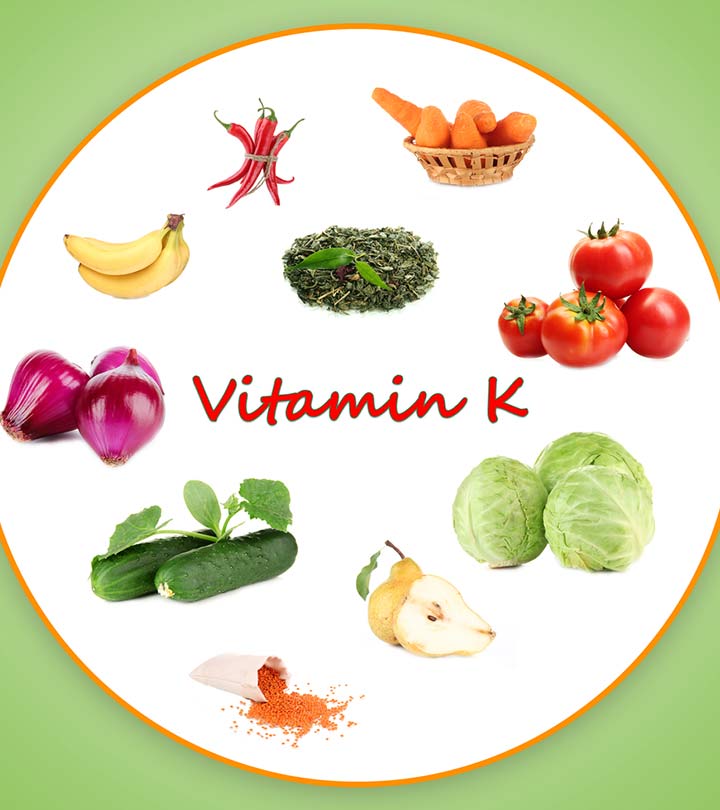
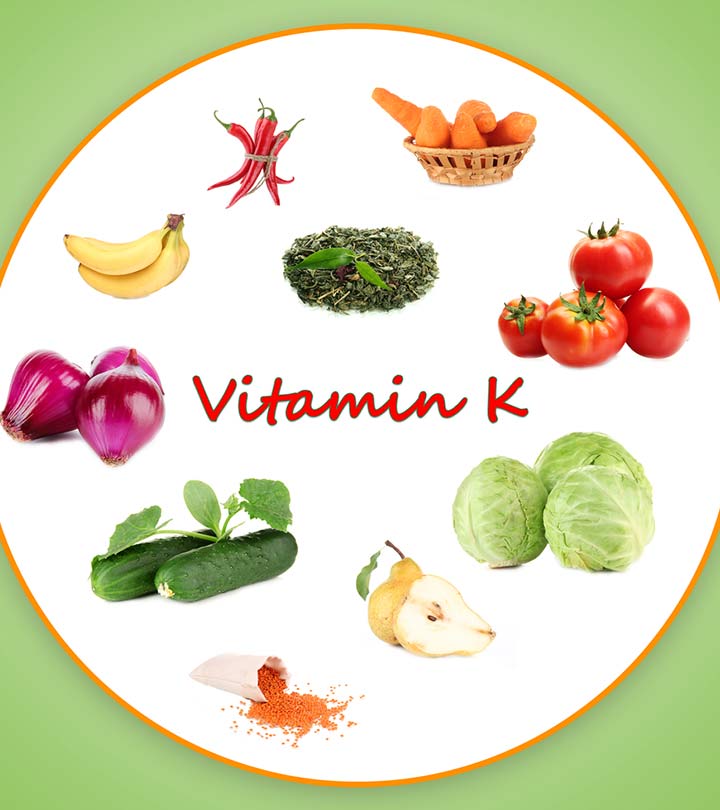
To understand Vitamin K benefits, you should know that there are three main forms of Vitamin K – K1, K2, and K3. The first two are from natural sources and the third, Vitamin K3, is a synthetic only version of Vitamin K and can be toxic if too much is taken. Vitamin K benefits are best received from organic sources such as Kale, Spinach, Broccoli, Brussels Sprouts, Collard Greens and other green veggies.
Vitamin K2 is produced by the healthy “good” bacteria in your gut. It is also found in fermented foods such as Kefir, Sauerkraut, and Natto (fermented Soy commonly eaten in Japan).
I’ve seen little difference between Vitamins K1 and K2 other than where they come from, meaning that whether you get your Vitamin K from plants or fermented foods seems to make no difference, as long as you are getting enough Vitamin K in general.
Dosage:
All remedies listed below have the same dosage instructions. To fully experience the Vitamin K benefits, simply make sure that your supplementation is Vitamin K1 or K2 and not K3. Also look at the other ingredients to make sure you aren’t taking fillers and preservatives such as magnesium stearate and stearic acid.
There are differing opinions as to how much Vitamin K we need per day, so I’ve listed a few recommendations below:
The National Academy of Sciences and the USDA:
- Males and females, 0-6 months: 2 micrograms
- Males and females, 7-12 months: 2.5 micrograms
- Males and females, 1-3 years: 30 micrograms
- Males and females, 4-8 years: 55 micrograms
- Males and females, 9-13 years: 60 micrograms
- Males and females, 14-18 years: 75 micrograms
- Males, 19 years and older: 120 micrograms
- Females, 19 years and older: 90 micrograms
- Pregnant or lactating females, 18 years and younger: 75 micrograms
- Pregnant or lactating females, 19 years and older: 90 micrograms
Dr. Cees Vermeer (a Vitamin K expert):
- 45 to 185 micrograms for adults.
Various studies that use Vitamin K in the prevention of Osteoporosis or Alzheimer’s:
- 1000 micrograms up to 45 milligrams.
A note about Vitamin K toxicity: If you are given Vitamin K by a doctor, make sure that it is not Vitamin K3, the synthesized version of Vitamin K. This form has led to toxicity symptoms in adults and to a few deaths in infants as well. The natural forms of Vitamin K (K1 and K2) have no reports of toxicity or death of any kind.
Vitamin K Benefits and the Conditions it Treats:
Blood Clotting:
The most well known Vitamin K benefit is it’s function in regulating blood clotting activity. Without Vitamin K your blood would not clot, causing some serioius issues such as bleeding out from minor cuts and scrapes. If your blood has trouble clotting,ask your health practitioner to test for Vitamin K deficiency.
Heart Disease:
One of the Vitamin K benefits being studied is its role in preventing the hardening of arteries through calcification. Preventing this process keeps your arteries soft and pliable and Vitamin K is one of the components necessary for your body to be able to do this.
Osteoporosis:
Studies are ongoing, but so far there is promising evidence that Vitamin K will help you prevent Osteoporosis. Simply making sure that you are not deficient (as most people who eat a Westernized type diet are) will go a long way to keeping your bones strong.
General Properties:
Vitamin K is a fat soluble vitamin that is most commonly known as the blood clotting Vitamin. This is because we would bleed to death from a simple cut or scrape without the benefit of Vitamin K.
Many other studies are being done to see if Vitamin K benefits other conditions and ailments such as Alzheimer’s, Cancer and Osteoporosis. (You can subscribe to our RSS feed if you’d like to be updated when there is more information on this important Vitamin.)
There are three main forms of Vitamin K – K1, K2, and K3. The first two are from natural sources and the third, Vitamin K3, is a synthetic only version of Vitamin K and can be toxic if too much is taken. Vitamin K benefits are best received from organic sources such as Kale, Spinach, Broccoli, Brussels Sprouts, Collard Greens and other green veggies.
Vitamin K2 is produced by the healthy “good” bacteria in your gut. It is also found in fermented foods such as Kefir, Sauerkraut, and Natto (fermented Soy commonly eaten in Japan).
I’ve seen little difference between Vitamins K1 and K2 other than where they come from, meaning that whether you get your Vitamin K from plants or fermented foods seems to make no difference, as long as you are getting enough Vitamin K in general.
Possible Side Effects:
You can take as much natural Vitamin K (K1 and K2) as you like without any toxic side effects but watch out for synthetic Vitamin K (K3) as too much of that can cause serious problems and even death in infants.
If you are on a blood thinning regimen or medication, talk to your health practitioner before increasing your Vitamin K intake because it could cancel out the effects of the medicine.
Drug Interactions:
Blood Thinners (e.g. Warfarin, Coumadin, and Asprin): Talk to your health care practitioner before taking extra Vitamin K while taking these drugs. Vitamin K will render these drugs obsolete and should be avoided while on these medications.
Did You Know…?
- Vitamin K got its name because when it was discovered in Germany in 1929, they called it koagulationsvitamin after the fact that it coagulated the blood of the animals they were experimenting on.
- “Vitamin K” has also been used as a slang term for an anesthetic called Ketamine.
- One way to become Vitamin K deficient is to take too many antibiotics while not taking probiotics. The good bacteria in your gut produce Vitamin K2 and antibiotics will kill them in addition to the bad bacteria.
Vitamin K and Skin Health
Because Vitamin K helps regulate blood clotting, it also plays a quiet but important role in how skin heals after injury. When you get a cut, bruise, or post-procedure redness, the same clotting factors supported by Vitamin K help minimize leakage from small blood vessels and speed the visible fading of discoloration. This is one reason the beauty and wellness world has taken an interest in Vitamin K for clearer, more even-toned skin.
Topical Vitamin K for Dark Circles and Bruising
Vitamin K creams and serums are commonly found in eye products aimed at dark circles, as well as in formulas designed to reduce post-treatment bruising. The idea is that by supporting capillary strength and healthy blood flow near the skin's surface, Vitamin K may help diminish the pooling that creates a shadowed or bruised look. Results vary, and topical Vitamin K works best as part of a broader routine that includes adequate sleep, gentle sun protection, and consistent hydration.
The Vitamin K, Vitamin D, and Calcium Connection
Vitamin K does not work in isolation. For bone and cardiovascular support, it interacts closely with Vitamin D and calcium. While Vitamin D helps your body absorb calcium, Vitamin K2 in particular is thought to help direct that calcium toward bones and teeth rather than allowing it to settle in arteries and soft tissues. If you supplement with Vitamin D or calcium, it is worth making sure your diet also supplies enough K1 and K2 from leafy greens, fermented foods, or a well-formulated supplement.
Choosing a Safe Vitamin K Supplement
When shopping for a Vitamin K supplement, check the label carefully. Look for K1 (phylloquinone) or K2 (menaquinone) rather than K3 (menadione), which is the synthetic form linked to toxicity. Avoid unnecessary fillers, artificial dyes, and preservatives such as magnesium stearate when possible. If you take blood thinners, have a liver condition, or are pregnant, speak with a qualified health practitioner before starting any new supplement.
For related advice, see [Vitamin E Benefits](/vitamin-e-benefits), [The Benefits of Garlic & Garlic Remedies](/the-benefits-of-garlic-garlic-remedies) and [Wheat Grass Benefits & Remedies](/wheat-grass-benefits-remedies).
Health practitioners commonly emphasize that Vitamin K is one of the most overlooked nutrients in a standard diet, especially for people who do not eat many leafy greens or fermented foods. Dermatologists and nutritionists often note that while topical Vitamin K is not a miracle solution, it can be a sensible addition to routines focused on bruising, post-procedure recovery, or the appearance of dark circles when paired with realistic expectations and good overall skin care.
Conclusion
Vitamin K is an essential nutrient best known for its role in blood clotting, but its benefits extend into bone health, arterial flexibility, and even skin appearance. By focusing on natural forms found in leafy greens and fermented foods, most people can support their daily needs without turning to synthetic alternatives.
Whether you are adding more kale to your meals, considering a K2 supplement, or exploring a Vitamin K eye cream, the key is consistency and safety. Pay attention to dosage, avoid Vitamin K3, and always consult a health practitioner if you are on medications that interact with this important vitamin.
Frequently Asked Questions
Last updated
This article is for informational purposes only and does not constitute medical advice. Consult a licensed dermatologist or healthcare provider before starting any new treatment.
Beauty & Hair Care Editor
Amanda Gurton is a beauty editor and researcher with a focus on translating dermatology and trichology insights into clear, actionable advice. She covers skincare routines, hair health, ingredient science, and everyday beauty habits.
Comments (0)
Be the first to comment.
Related Articles

How to Choose Sustainably Packaged Beauty Products
Learn how to identify genuinely sustainable beauty packaging, avoid greenwashing, and make more environmentally conscious beauty purchases.

How to Build a Travel-Friendly Beauty Routine
Learn how to build an effective, compact travel beauty routine, including product decanting, TSA rules, and maintaining consistency on the go.
Skincare Ingredients You Should Never Mix Together
Learn which skincare ingredient combinations to avoid, why they conflict, and how to layer active ingredients safely instead.

Self-Tanner Application: How to Get a Natural, Streak-Free Result
Learn how to apply self-tanner for a natural, even, streak-free result, including prep steps, application technique, and how to fix common mistakes.