 Funky Millions
The Curly Girl Method: A Beginner's Guide
Learn the curly girl method for beginners with step-by-step routines, product tips, common mistakes, and FAQs to embrace your natural curls confidently.

Quick summary
Key Takeaways
- The curly girl method is a gentle, moisture-first hair care routine that replaces sulfates, silicones, and heat styling with curl-enhancing products and techniques.
- CGM reduces frizz, strengthens hair, improves curl definition, and restores moisture by removing harsh ingredients and heat damage.
- Knowing your curl type helps you choose products, but porosity and strand thickness matter just as much.
- The CGM routine includes gentle cleansing, deep conditioning, curl-friendly styling, careful drying, and daily refreshing to maintain definition.
- Avoid sulfates, non-water-soluble silicones, drying alcohols, and heavy waxes. Embrace humectants, emollients, proteins, and mild cleansers.
- Avoid common mistakes like over-applying product, skipping the final wash, touching wet hair, and using regular towels for best CGM results.
- Deep condition weekly, protect hair while sleeping, trim damage, change one variable at a time, and clarify monthly for healthier curls.
- Start with a gentle cleanser, a moisturizing conditioner, a gel or curl cream, and a lightweight oil. Read labels to avoid sulfates and silicones.
- Most curly hair issues come down to moisture balance, product amount, and drying technique. Adjust one factor at a time.
If you have wavy, curly, or coily hair and are tired of frizz, dryness, or undefined curls, the curly girl method for beginners could be the routine that changes everything. Created by Lorraine Massey and popularized through her book Curly Girl: The Handbook, this approach encourages you to stop fighting your texture and start working with it. Instead of harsh sulfates, heat styling, and silicones, you focus on gentle cleansing, deep hydration, and curl-friendly techniques.
Whether your curls are loose waves or tight coils, this guide walks you through the basics without overwhelm. You do not need to buy dozens of products or spend hours in front of the mirror. You just need to understand a few core principles and build a routine that fits your lifestyle. By the end of this article, you will know exactly how to start the curly girl method, what products to look for, what mistakes to avoid, and how to troubleshoot common curl concerns.
What Is the Curly Girl Method?
The Curly Girl Method (CGM) is a hair care approach designed specifically for naturally textured hair. It removes ingredients and practices that damage curls over time, replacing them with moisturizing, curl-enhancing habits. The method is based on the idea that curly hair is naturally drier than straight hair because the scalp's natural oils struggle to travel down the spiral hair shaft. When you add sulfates, silicones, and heat, you make the problem worse.
At its core, the curly girl method for beginners is about three things:
- Gentle cleansing without stripping natural oils
- Hydration and conditioning as the foundation of the routine
- Styling with curl-friendly techniques like scrunching, plopping, and diffusing
The method also introduces curl typing (2A to 4C) to help you understand your texture and choose the right products. While curl type matters, many experts agree that porosity, density, and strand thickness are even more important for product selection.
Why Try the Curly Girl Method?
Switching to the curly girl method for beginners offers both visible and long-term benefits. Many people notice changes within the first few washes, while deeper repair takes weeks or months. Here is what you can expect.
Benefits of the Curly Girl Method
| Benefit | What It Means for Your Hair |
|---|---|
| Reduced frizz | Hydrated cuticles lie flatter, creating smoother curl definition. |
| More defined curls | Gentle styling helps curls clump and hold their natural pattern. |
| Stronger hair | Removing sulfates and heat reduces breakage and split ends. |
| Better moisture retention | Conditioner-focused routines restore the hair's moisture balance. |
| Healthier scalp | Co-washing and sulfate-free cleansers are less irritating for many people. |
| Less dependence on heat | You learn to style curls without daily flat irons or curling wands. |
The benefits go beyond aesthetics. When your hair is healthier, it grows better, styles easier, and feels softer. This is why many people who start the curly girl method never go back to traditional routines.
Who Is the Curly Girl Method For?
The curly girl method for beginners works best for anyone with naturally textured hair, including:
- Wavy hair (2A to 2C)
- Curly hair (3A to 3C)
- Coily or kinky hair (4A to 4C)
Even people with damaged curls from years of straightening or coloring can benefit. However, if you have a very fine or straight hair texture, some CGM techniques may weigh your hair down. In that case, you can adapt the method rather than follow it strictly.
Understanding Your Curl Type
Before you buy products, it helps to understand your curl pattern. While curl type is not the only factor, it gives you a useful starting point.
Curl Type Chart
| Curl Type | Pattern | Typical Characteristics |
|---|---|---|
| 2A | Loose, S-shaped waves | Fine, prone to oiliness, easily weighed down |
| 2B | Defined waves | Frizz-prone, needs lightweight moisture |
| 2C | Deep waves | Can look curly when styled, benefits from gel |
| 3A | Loose curls | Bouncy, defined, medium moisture needs |
| 3B | Tight curls | Dense, prone to dryness, needs richer products |
| 3C | Corkscrew curls | Thick, voluminous, high moisture needs |
| 4A | Soft coils | Tight, springy curls, benefits from creams and oils |
| 4B | Z-patterned coils | Fragile, needs protective moisture and gentle handling |
| 4C | Tight zigzag coils | Very delicate, benefits from heavy creams and protective styles |
Remember, most people have more than one curl type on their head. Focus on your dominant pattern but adjust product amounts for different sections.
The Curly Girl Method Step-by-Step Routine
Here is a beginner-friendly version of the curly girl method. You can adjust frequency and products based on your hair's needs.
Step 1: Do a Final Wash
The first step is removing silicone buildup from previous products. Use a clarifying shampoo without silicones that contains sulfates one last time. This is called the "final wash." After this step, you stop using sulfates.
Recommended ingredient: Sodium laureth sulfate or sodium lauryl sulfate for the final wash only.
Step 2: Cleanse Gently
After the final wash, switch to a sulfate-free shampoo or a co-wash (conditioner-only washing). Sulfates strip natural oils and make curls dry and frizzy.
- Use sulfate-free shampoo if your scalp gets oily or you use styling products.
- Use co-wash if your hair is very dry or tightly coiled.
Step 3: Condition Generously
Conditioner is the heart of the curly girl method for beginners. Apply a generous amount from mid-lengths to ends, then use one of these methods:
- Squish to Condish: Cup water in your hands and squish the conditioner into your curls until you hear a squelching sound.
- Praying Hands: Smooth conditioner over sections with your palms pressed together.
Leave a small amount of conditioner in if your hair is very dry.
Step 4: Apply Leave-In Conditioner
While your hair is still soaking wet, apply a leave-in conditioner or a small amount of your regular conditioner. This locks in moisture and preps your hair for styling products.
Step 5: Apply Styling Products
Choose products based on your curl type:
| Curl Type | Best Product Types |
|---|---|
| 2A-2B | Lightweight mousse or light gel |
| 2C-3A | Gel or lightweight curl cream |
| 3B-4C | Curl cream, gel, or custard for hold and moisture |
Apply using praying hands or scrunching. Start with a small amount and add more if needed.
Step 6: Dry with Care
Avoid rubbing your hair with a regular towel. Instead:
- Plop with a cotton T-shirt or microfiber towel for 10-20 minutes.
- Diffuse on low heat and low airflow to speed drying.
- Air dry if you have time and prefer a softer look.
Step 7: Scrunch Out the Crunch
Once your hair is fully dry, gently scrunch out the hard gel cast to reveal soft, defined curls. Use clean, dry hands or a tiny drop of oil.
Step 8: Refresh Between Washes
On non-wash days, refresh your curls with a spray bottle of water mixed with a little leave-in conditioner or curl refresher. Scrunch gently to reactivate products.
Ingredients to Avoid and Embrace
Understanding ingredient labels is essential when following the curly girl method for beginners.
Ingredients to Avoid
| Ingredient Type | Why to Avoid | Common Examples |
|---|---|---|
| Sulfates | Strip natural oils, cause dryness | Sodium lauryl sulfate, ammonium laureth sulfate |
| Silicones (non-water-soluble) | Build up on hair and block moisture | Dimethicone, amodimethicone, cyclopentasiloxane |
| Drying alcohols | Cause frizz and breakage | Alcohol denat., SD alcohol, isopropyl alcohol |
| Waxes and mineral oils | Can build up and weigh curls down | Petrolatum, paraffin, microcrystalline wax |
Ingredients to Embrace
| Ingredient Type | Benefits | Common Examples |
|---|---|---|
| Humectants | Draw moisture into hair | Glycerin, aloe vera, honey, propylene glycol |
| Emollients | Soften and seal moisture | Shea butter, coconut oil, jojoba oil, argan oil |
| Proteins | Strengthen damaged hair | Hydrolyzed wheat protein, silk protein, keratin |
| Mild cleansers | Clean without stripping | Cocamidopropyl betaine, decyl glucoside |
Common Curly Girl Method Mistakes to Avoid
Many beginners give up too soon because of avoidable mistakes. Here are the most common ones and how to fix them.
1. Using Too Much Product
More product does not mean better curls. Start small and build up. Overloading hair leads to buildup, limp curls, and greasy roots.
2. Skipping the Final Wash
If you start CGM without removing silicone buildup, your products cannot penetrate the hair shaft. Always do one clarifying wash first.
3. Touching Hair While It Dries
Touching wet curls disrupts the curl pattern and causes frizz. Once products are applied, leave your hair alone until it is fully dry.
4. Using a Regular Towel
Cotton terry towels rough up the cuticle and create frizz. Switch to a microfiber towel or an old cotton T-shirt.
5. Expecting Instant Results
Hair needs time to adjust. Some people experience a "transition period" where curls look worse before they look better. Give it at least four to six weeks.
6. Ignoring Porosity
Porosity affects how your hair absorbs and retains moisture more than curl type does. High-porosity hair needs heavier products, while low-porosity hair needs lightweight, heat-activated conditioners.
Product Recommendations for Beginners
You do not need expensive products to follow the curly girl method. Look for affordable, widely available options that are free of sulfates and non-water-soluble silicones.
Cleansers
- Sulfate-free shampoos with gentle surfactants
- Co-washes for dry or coily hair
Conditioners
- Lightweight conditioners for wavy hair
- Rich, creamy conditioners for curly and coily hair
Stylers
- Curl creams for moisture and softness
- Gels for definition and hold
- Mousses for volume on fine or wavy hair
Oils and Serums
- Argan oil for shine and frizz control
- Jojoba oil for lightweight moisture
- Castor oil for thicker, coily textures
Always read labels carefully. Apps and websites that scan ingredient lists can help you confirm whether a product is CGM-friendly.
Troubleshooting Common Curly Hair Concerns
Even with a good routine, you may run into issues. Here is how to handle them.
Frizz
Frizz usually means your hair needs more moisture or you are touching it too much while drying. Add leave-in conditioner and use a gel for hold.
Flat Roots
If your roots lie flat, try clipping them while drying or flipping your head upside down when applying products.
Stringy Curls
Stringy curls often mean too much product or not enough water. Apply stylers to soaking wet hair and use less product.
Dry Ends
Dry ends need regular trims and deep conditioning. Apply extra conditioner or oil to the ends of your hair.
Itchy Scalp
If co-washing causes itchiness, alternate with a sulfate-free shampoo or use a scalp scrub occasionally.
These tips will help you get the most out of your new routine.
- Deep condition weekly. Curly hair is naturally dry, so a weekly deep conditioning mask restores moisture and elasticity.
- Sleep on silk or satin. Cotton pillowcases absorb moisture and cause friction. Use a silk or satin pillowcase or bonnet.
- Trim damaged ends. Heat and chemical damage cannot be fully reversed. Regular trims help curls spring back.
- Experiment slowly. Change one product or technique at a time so you know what works.
- Protect hair in the shower. Use a shower cap on non-wash days to keep curls from absorbing too much water and frizzing.
- Clarify occasionally. Even CGM-approved products can build up over time. Use a sulfate-free clarifying shampoo monthly.
- Don't compare your curls to others. Genetics, climate, and water hardness all affect results. Focus on your own progress.
Conclusion
The curly girl method for beginners is not about perfection. It is about learning what your curls need and giving them consistent, gentle care. Start with the final wash, choose sulfate-free and silicone-free products, condition generously, and dry with care. Give your hair time to adjust, and do not be discouraged by the transition period.
If you found this guide helpful, share it with a fellow curly-haired friend or save it for later. For more hair care, beauty, and wellness tips, explore the related articles above and keep following FunkyMillions.com.
Tags: curly girl method, curly hair routine, CGM for beginners, natural curls, sulfate-free hair care, curly hair tips, wavy hair routine, co-wash, curl definition, frizz-free curls
Category: Hair Care
Frequently Asked Questions
References
Last updated
This article is for informational purposes only and does not constitute medical advice. Consult a licensed dermatologist or healthcare provider before starting any new treatment.
Beauty & Hair Care Editor
Amanda Gurton is a beauty editor and researcher with a focus on translating dermatology and trichology insights into clear, actionable advice. She covers skincare routines, hair health, ingredient science, and everyday beauty habits.
Comments (0)
Be the first to comment.
Related Articles
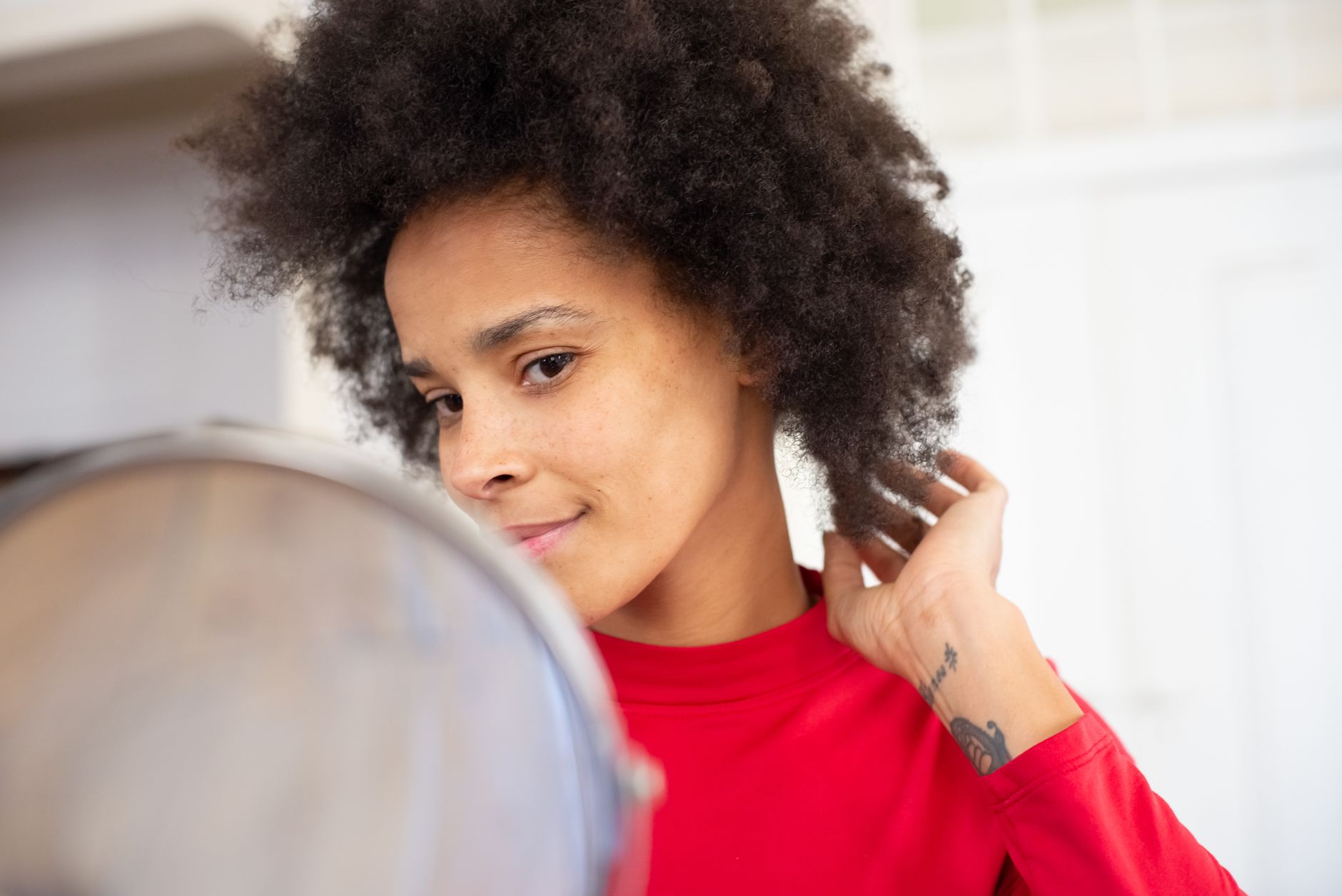
How to Care for Low Porosity Hair: A Complete Guide
Master low porosity hair care with this science-backed guide. Learn how to moisturize, choose products, build a routine, and avoid common mistakes for healthier hair.
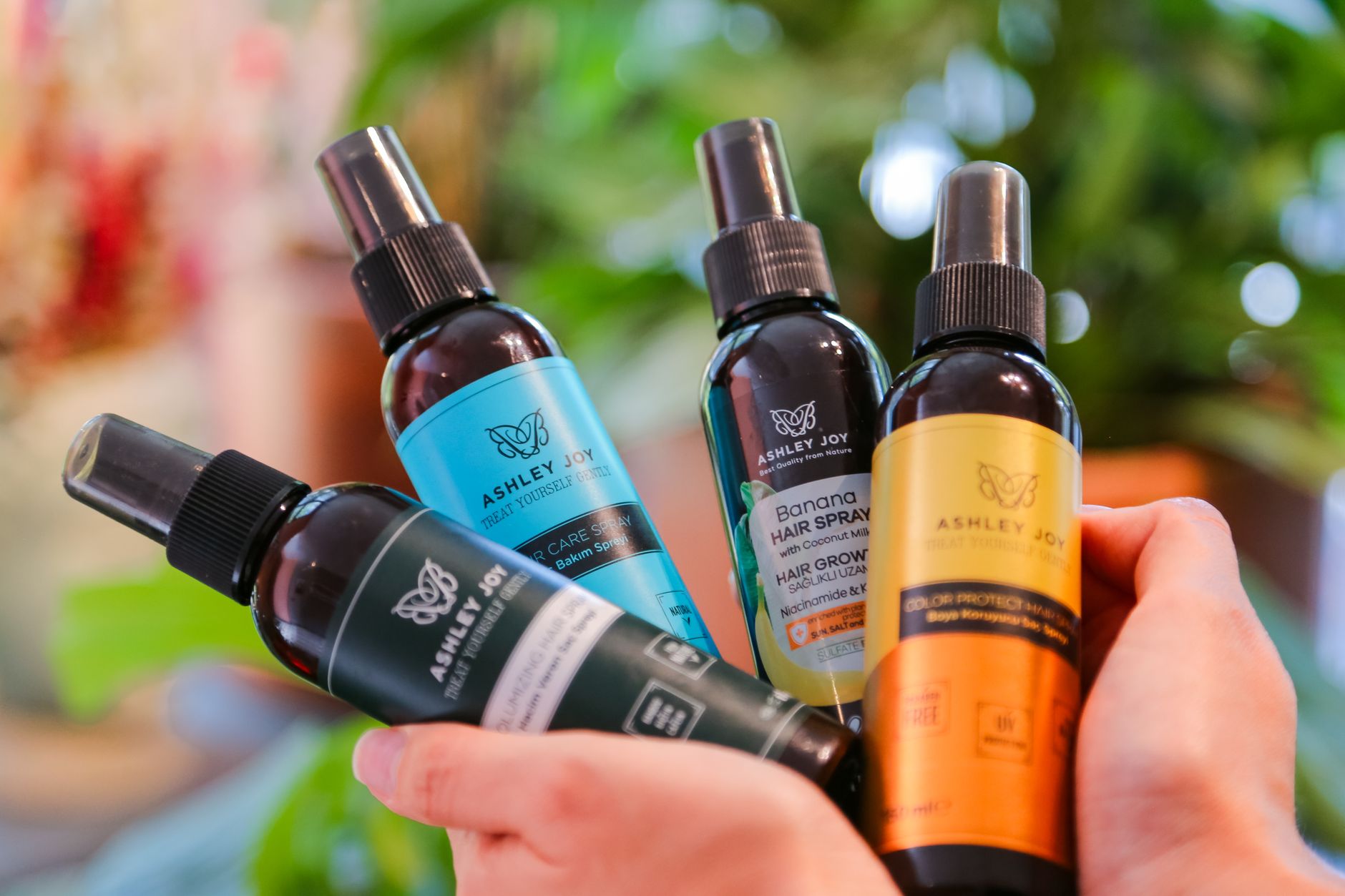
Best Hair Growth Ingredients for Thicker, Healthier Hair
Discover the best hair growth ingredients backed by science. Learn how biotin, minoxidil, rosemary oil, and more can boost thickness and reduce shedding.

How to Deal with Frizzy Hair in Humidity: A Complete Guide
Tired of frizzy hair in humidity? Learn proven tips, products, routines, and expert hacks to keep hair smooth, sleek, and manageable on humid days.
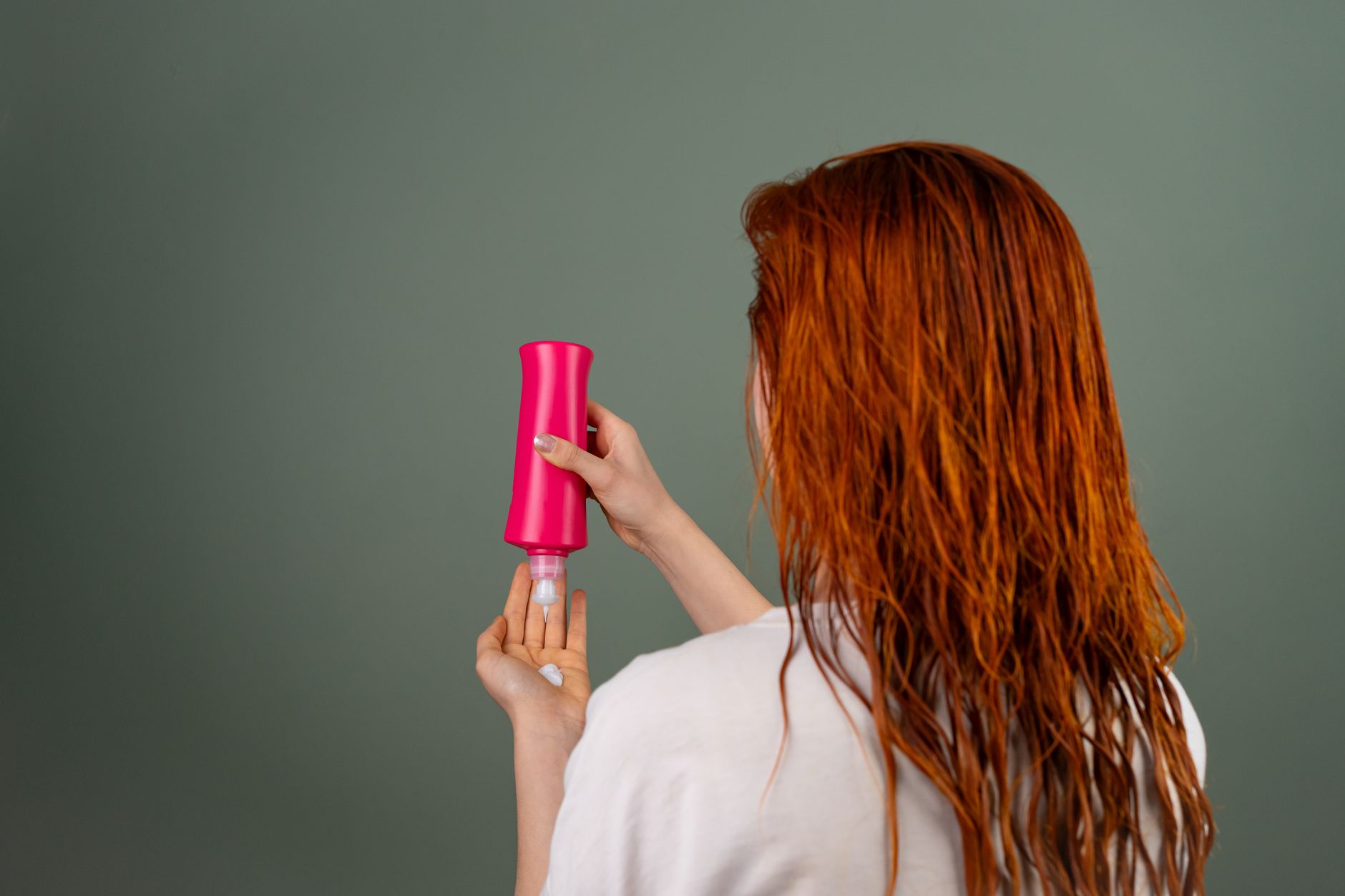
Protein vs. Moisture: Balancing Hair Treatments
Learn the difference between protein vs moisture hair care, how to balance treatments, signs of overload, and expert tips for stronger, softer strands.