 Funky Millions
Best Hair Growth Ingredients for Thicker, Healthier Hair
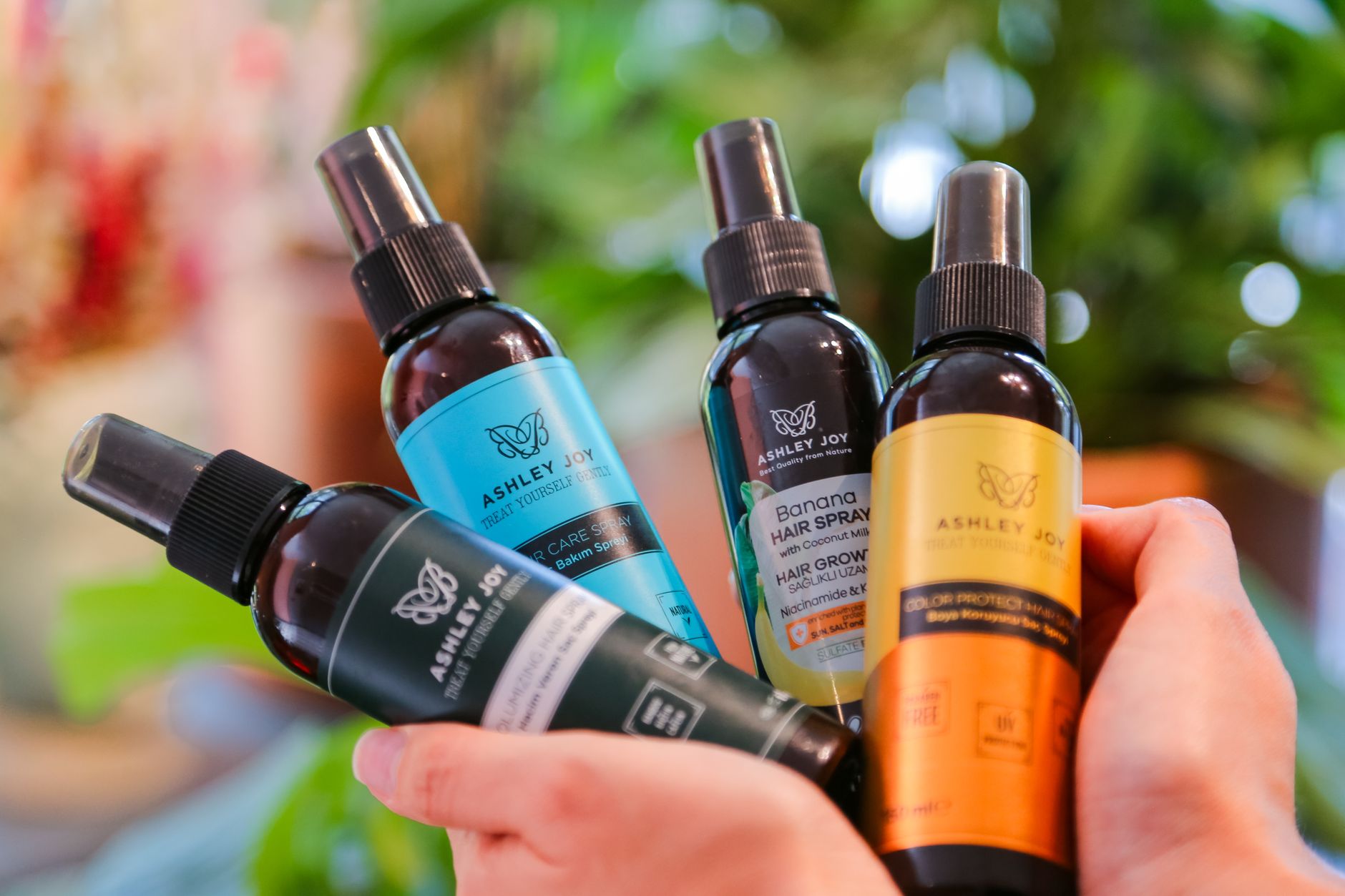
Discover the best hair growth ingredients backed by science. Learn how biotin, minoxidil, rosemary oil, and more can boost thickness and reduce shedding.
Quick summary
Key Takeaways
- Hair growth ingredients support your follicles through different mechanisms - circulation, nutrition, hormones, and scalp health. The best approach combines multiple ingredients based on your specific hair concern.
- Targeted hair growth ingredients address the real causes of thinning and slow growth - not just the symptoms.
- Choose ingredients based on your specific hair concern - hormonal thinning, breakage, scalp dryness, or nutritional deficiency.
- A consistent routine that combines scalp care, gentle cleansing, nourishment, and damage prevention gives hair the best environment to grow.
- Avoid overloading your scalp, be patient, and support hair growth with both topical care and good nutrition.
- Simple habits like scalp massage, a protein-rich diet, stress management, and gentle handling amplify the effects of hair growth ingredients.
- Match the ingredient to your concern - topical DHT blockers for hormonal loss, circulation boosters for slow growth, and proteins for breakage.
Quick Answer: What Are the Best Hair Growth Ingredients?
The most effective hair growth ingredients include biotin, minoxidil, rosemary oil, saw palmetto, caffeine, castor oil, pumpkin seed oil, keratin, peppermint oil, and zinc. These ingredients work by improving scalp circulation, strengthening the hair shaft, balancing hormones, or nourishing hair follicles. For best results, combine topical treatments with a nutrient-rich diet and consistent hair care habits.
Introduction
If you’ve ever stood in front of the mirror wondering why your hair feels thinner, breaks easily, or just won’t grow past a certain length, you’re not alone. Millions of people search for hair growth ingredients every year, hoping to find the magic formula that transforms fine, fragile strands into thick, healthy hair.
The truth is, there is no single miracle ingredient. Hair growth depends on genetics, hormones, nutrition, scalp health, and how well you care for your strands. However, certain ingredients have solid research behind them and can make a real difference when used correctly. Some work by stimulating blood flow to the scalp, others by blocking hair-loss hormones, and many by delivering the nutrients your follicles need to produce stronger hair.
In this guide, you’ll learn which hair growth ingredients actually work, how they function, how to use them, and which mistakes to avoid. Whether you’re dealing with thinning hair, postpartum shedding, breakage, or a slow-growing mane, this article will help you build a science-backed routine that supports thicker, healthier hair from root to tip.
What Are Hair Growth Ingredients?
Hair growth ingredients are natural or synthetic compounds that support the hair growth cycle, strengthen existing strands, or reduce hair loss. They can be found in shampoos, conditioners, serums, oils, supplements, and foods.
Your hair grows in three main phases:
- Anagen (growth phase): Lasts 2 to 7 years. The longer this phase, the longer your hair can grow.
- Catagen (transition phase): A short phase where the follicle shrinks and growth slows.
- Telogen (resting phase): The hair sheds and the follicle rests before a new cycle begins.
Hair growth ingredients help by extending the anagen phase, reducing inflammation around follicles, improving scalp health, or correcting nutritional deficiencies that lead to shedding. Some ingredients, like minoxidil, are clinically proven medications. Others, like rosemary oil and pumpkin seed oil, are popular natural alternatives with growing research support.
Why Hair Growth Ingredients Matter
Thinning hair and slow growth can have many causes: genetics, stress, hormonal changes, nutritional gaps, heat damage, and harsh products. Without the right ingredients, your hair care routine may only clean or condition the surface without addressing the root cause.
Using targeted hair growth ingredients matters because:
- They can reduce shedding by strengthening the hair follicle.
- They can extend the growth phase, helping hair grow longer.
- They can improve scalp health, which is the foundation of healthy hair.
- They can repair damage to the hair shaft, reducing breakage.
- They can balance hormones like DHT, which is linked to pattern hair loss.
Healthy hair starts at the scalp. If your follicles are clogged, inflamed, or undernourished, even the best shampoo won’t help. That’s why choosing ingredients that treat the scalp and follicles is just as important as conditioning the lengths of your hair.
Top 10 Hair Growth Ingredients That Actually Work
1. Biotin (Vitamin B7)
Biotin is one of the most well-known vitamins for hair health. It helps your body produce keratin, the protein that makes up your hair, skin, and nails. While severe biotin deficiency is rare, people with thinning hair often benefit from supplementation because it supports stronger, less brittle strands.
How to use it: Take a biotin supplement daily or eat biotin-rich foods like eggs, almonds, salmon, and sweet potatoes. Many hair vitamins contain 2,500–5,000 mcg of biotin.
Best for: Brittle hair, nail strength, and general hair health support.
2. Minoxidil
Minoxidil is an FDA-approved topical treatment for hair loss. It works by widening blood vessels and opening potassium channels, which improves blood flow to the scalp and extends the anagen phase. It is one of the most studied and effective hair growth ingredients available.
How to use it: Apply 2% or 5% minoxidil solution or foam to the scalp once or twice daily. Consistency is essential - results usually appear after 3 to 6 months.
Best for: Androgenetic alopecia (pattern hair loss) in men and women.
3. Rosemary Oil
Rosemary oil is a natural alternative to minoxidil. A 2015 study published in Skinmed found that rosemary oil was as effective as 2% minoxidil for increasing hair count in people with androgenetic alopecia, with less scalp itching.
It works by improving circulation, reducing inflammation, and potentially inhibiting DHT.
How to use it: Mix a few drops of rosemary essential oil with a carrier oil like jojoba or coconut oil. Massage into the scalp 2–3 times per week. For more ways to nourish your strands naturally, see our guide on coconut oil hair treatment.
Best for: Those who prefer a natural, plant-based option for thinning hair.
4. Castor Oil
Castor oil is rich in ricinoleic acid, a fatty acid that helps improve scalp circulation and reduce inflammation. It also has antibacterial and antifungal properties that keep the scalp clean and healthy.
How to use it: Warm a small amount of castor oil and massage it into your scalp. Leave it on for at least 30 minutes or overnight, then wash with a gentle shampoo. Use once per week.
Best for: Dry scalp, weak roots, and adding shine.
5. Caffeine
Caffeine isn’t just for your morning coffee. Applied topically, caffeine can stimulate hair follicles and counteract the effects of DHT. A study from the International Journal of Trichology showed that caffeine solutions promoted hair growth in both men and women.
How to use it: Use a caffeine-infused shampoo or serum. Leave it on the scalp for a few minutes before rinsing to allow absorption.
Best for: Early-stage hair thinning and daily scalp stimulation.
6. Saw Palmetto
Saw palmetto is a plant extract that may block 5-alpha-reductase, the enzyme that converts testosterone into DHT. High DHT levels are linked to pattern hair loss in both men and women.
How to use it: Look for serums, supplements, or shampoos containing saw palmetto extract. Use consistently for at least 3 months.
Best for: Hormonal hair loss and DHT-related thinning.
7. Pumpkin Seed Oil
Pumpkin seed oil contains phytosterols that may block DHT and support hair growth. A 2014 study found that men who took pumpkin seed oil supplements saw a 40% increase in hair count over 24 weeks.
How to use it: Use as a scalp oil treatment or take it as an oral supplement.
Best for: Supporting hair growth from the inside out.
8. Peppermint Oil
Peppermint oil has a cooling effect that increases blood flow to the scalp. Animal studies suggest it may promote the anagen phase and increase follicle depth.
How to use it: Dilute peppermint oil with a carrier oil and massage into the scalp once or twice per week.
Best for: Improving scalp circulation and refreshing the scalp.
9. Keratin
Keratin is the structural protein that makes up your hair. Keratin-based treatments and supplements can help strengthen the hair shaft, reduce breakage, and improve smoothness.
How to use it: Use keratin-infused conditioners or masks. Avoid overuse of strong salon keratin treatments, which can contain formaldehyde.
Best for: Damaged, brittle, or breakage-prone hair. For more repair tips, read our post on how to repair damaged hair.
10. Zinc
Zinc is an essential mineral that supports hair tissue growth and repair. Zinc deficiency has been linked to hair loss, and correcting it can reduce shedding.
How to use it: Eat zinc-rich foods like oysters, pumpkin seeds, lentils, and beef, or take a supplement if advised by your doctor.
Best for: Reducing hair shedding caused by nutritional deficiency.
Comparison Table: Best Hair Growth Ingredients
| Ingredient | Type | Main Benefit | Best For | Time to See Results |
|---|---|---|---|---|
| Biotin | Vitamin | Strengthens hair and nails | Brittle hair | 2–3 months |
| Minoxidil | Medication | Extends growth phase | Pattern hair loss | 3–6 months |
| Rosemary Oil | Natural oil | Improves circulation, may block DHT | Natural thinning support | 3–6 months |
| Castor Oil | Natural oil | Moisturizes scalp, boosts circulation | Dry scalp, weak roots | 1–3 months |
| Caffeine | Compound | Stimulates follicles | Early thinning | 2–4 months |
| Saw Palmetto | Plant extract | Blocks DHT | Hormonal hair loss | 3–6 months |
| Pumpkin Seed Oil | Natural oil | May block DHT, nourishes follicles | Overall hair growth | 3–6 months |
| Peppermint Oil | Essential oil | Boosts blood flow | Scalp stimulation | 1–3 months |
| Keratin | Protein | Strengthens hair shaft | Breakage and damage | Immediate smoothing |
| Zinc | Mineral | Supports follicle repair | Deficiency-related shedding | 2–3 months |
Step-by-Step Hair Growth Routine
Building a routine around the right hair growth ingredients doesn’t have to be complicated. Follow these steps for a simple, effective weekly routine.
Step 1: Cleanse With a Gentle, Growth-Focused Shampoo
Wash your hair 2–3 times per week with a sulfate-free shampoo. Look for ingredients like caffeine, biotin, rosemary, or saw palmetto. Sulfates can strip natural oils and irritate the scalp.
Step 2: Condition and Strengthen
Use a conditioner with keratin, panthenol, or argan oil to reduce breakage and seal moisture into the hair shaft.
Step 3: Apply a Scalp Treatment
Massage a scalp serum or oil into your scalp. Good options include rosemary oil, peppermint oil, or a minoxidil solution. Scalp massage also improves blood flow.
Step 4: Take a Hair Support Supplement
Consider a daily supplement with biotin, zinc, and other hair-supporting vitamins. Always consult a healthcare provider before starting new supplements.
Step 5: Protect Your Hair From Damage
Limit heat styling, tight hairstyles, and harsh chemical treatments. Sleep on a silk pillowcase and use a wide-tooth comb to reduce breakage.
For faster growth tips, check out our article on how to grow your hair faster with simple tricks.
Common Mistakes to Avoid
Even the best hair growth ingredients won’t work if you use them incorrectly. Avoid these common mistakes.
1. Using Too Many Products at Once
Layering too many active ingredients can irritate your scalp and make it hard to tell what’s working. Start with one or two ingredients and add others slowly.
2. Expecting Overnight Results
Hair grows about half an inch per month. Most treatments need at least 3 months of consistent use before you notice visible improvement.
3. Ignoring Scalp Health
A clogged or inflamed scalp can’t support healthy growth. Regular cleansing and gentle exfoliation help keep follicles clear.
4. Taking High-Dose Biotin Without a Deficiency
More biotin isn’t always better. Very high doses can interfere with lab tests, including thyroid and heart tests. Talk to your doctor before taking high-dose biotin.
5. Using Undiluted Essential Oils
Essential oils like rosemary and peppermint are potent and can burn the skin if applied directly. Always dilute them with a carrier oil.
6. Skipping the Diet
Topical treatments help, but hair also needs protein, iron, omega-3 fatty acids, and vitamins from the inside. A poor diet can undo your progress.
Product and Ingredient Recommendations
When shopping for hair growth products, read labels carefully. Look for these proven ingredients and use them at the right concentration.
For Topical Use
- Minoxidil 2% or 5% solution or foam
- Rosemary essential oil (diluted with a carrier oil)
- Caffeine serum or shampoo
- Saw palmetto serum
- Peppermint oil scalp treatments
For Internal Support
- Biotin supplements (consult a doctor first)
- Zinc supplements if deficient
- Pumpkin seed oil capsules
- Hair vitamins with B-complex, iron, and vitamin D
For Strength and Repair
- Keratin conditioner or mask
- Castor oil scalp treatments
- Protein-rich leave-in treatments
Always patch-test new products and introduce one new ingredient at a time.
When to See a Dermatologist
If you notice sudden patchy hair loss, scarring on the scalp, excessive shedding, or no improvement after 6 months of treatment, consult a board-certified dermatologist. Conditions like alopecia areata, thyroid disorders, and scalp infections require professional diagnosis and treatment.
You can learn more about hair loss causes from the American Academy of Dermatology or the Cleveland Clinic.
Want to get the most out of your hair growth ingredients? Here are expert-backed tips.
- Massage your scalp daily. A 4-minute daily scalp massage may increase hair thickness over time by boosting circulation.
- Eat enough protein. Hair is made of protein, so aim for adequate daily intake from eggs, fish, beans, or lean meats.
- Stay consistent. Switching products every few weeks prevents you from seeing real results.
- Manage stress. Chronic stress can push hair into the telogen (shedding) phase. Try yoga, meditation, or regular walks.
- Don’t overwash. Washing too often strips natural oils and dries out the scalp.
- Use a silk pillowcase. It reduces friction, tangles, and breakage while you sleep.
- Avoid tight hairstyles. Constant tension can cause traction alopecia, a form of hair loss from pulling.
For scalp-related issues like flaking, see our guide on how to get rid of dandruff fast and naturally.
Conclusion
Finding the right hair growth ingredients can feel overwhelming, but it doesn’t have to be. Start by identifying your main concern - whether it’s hormonal thinning, breakage, scalp dryness, or slow growth - and choose ingredients backed by evidence. Minoxidil, rosemary oil, biotin, caffeine, saw palmetto, pumpkin seed oil, castor oil, peppermint oil, keratin, and zinc each offer unique benefits.
Consistency matters more than perfection. Build a simple routine, protect your hair from damage, eat a balanced diet, and give treatments at least a few months to work. With patience and the right ingredients, you can support thicker, healthier, more resilient hair.
If you found this guide helpful, share it with a friend who’s also trying to grow stronger hair. And don’t miss our related articles on how to repair damaged hair, coconut oil hair treatment, and how to get rid of dandruff fast and naturally.
Frequently Asked Questions
Last updated
This article is for informational purposes only and does not constitute medical advice. Consult a licensed dermatologist or healthcare provider before starting any new treatment.
Beauty & Hair Care Editor
Ilma is a beauty editor who specializes in breaking down cosmetic ingredients, skincare routines, and hair care practices. Her work focuses on evidence-based guidance readers can trust and apply.
Comments (0)
Be the first to comment.
Related Articles
Scalp Exfoliation Benefits: How to Do It Safely at Home
Discover scalp exfoliation benefits, how to exfoliate your scalp safely, and expert tips for healthier, fuller-looking hair. A complete guide for all hair types.
How to Care for Low Porosity Hair: A Complete Guide
Master low porosity hair care with this science-backed guide. Learn how to moisturize, choose products, build a routine, and avoid common mistakes for healthier hair.
Best Oils for Hair Growth and How to Use Them
Looking for the best oils for hair growth? Learn which carrier and essential oils support scalp health, reduce breakage, and how to use them safely at home.
How to Prevent Split Ends Without Cutting Hair
Learn how to prevent split ends without cutting hair using gentle cleansing, deep conditioning, heat protection, and protective styling. Keep your length strong and healthy.