 Funky Millions
Scalp Exfoliation Benefits: How to Do It Safely at Home
Discover scalp exfoliation benefits, how to exfoliate your scalp safely, and expert tips for healthier, fuller-looking hair. A complete guide for all hair types.
Quick summary
Key Takeaways
- Scalp exfoliation clears buildup from the skin on your head so hair follicles can breathe and strands can grow without obstruction.
- Scalp health directly affects hair quality. Exfoliation removes the buildup that interferes with growth, shine, and volume.
- Scalp exfoliation benefits include cleaner roots, less flaking, balanced oil, better growth support, improved circulation, stronger treatment absorption, and added volume.
- Physical exfoliation manually lifts buildup; chemical exfoliation dissolves it. Choose based on your scalp sensitivity and hair needs.
- A proper scalp exfoliation routine involves choosing the right product, sectioning wet hair, massaging gently, rinsing well, and following up with gentle cleansing and conditioning.
- Most people benefit from scalp exfoliation once a week. Oily scalps can handle more; dry or sensitive scalps need less.
- Salicylic acid, glycolic acid, lactic acid, enzymes, sugar, salt, charcoal, and clay are effective exfoliating ingredients for different scalp needs.
- Avoid harsh scrubbing, overuse, body scrubs, ignoring irritation, and exfoliating broken skin to keep your scalp healthy.
- Patch test, use lukewarm water, exfoliate before shampooing, and protect your scalp after treatment for the safest results.
- Match your exfoliation method to your hair type and scalp condition for better results and less irritation.
- DIY scalp scrubs using sugar, coconut oil, vinegar, or oatmeal can be effective when used gently and rinsed thoroughly.
- Consult a dermatologist for severe flaking, pain, infection signs, or sudden hair loss rather than relying on exfoliation alone.
Introduction
When you think about healthy hair, shampoo and conditioner probably come to mind first. But what about the skin underneath? Scalp exfoliation benefits your hair from the root up by removing dead skin cells, excess oil, and product buildup that regular washing often leaves behind. A clean, balanced scalp creates the ideal environment for stronger, shinier, and more resilient hair.
If you have ever dealt with flaking, itchiness, dull strands, or a greasy scalp that never feels truly clean, exfoliation could be the missing step in your routine. It is not just a spa extra; it is a practical way to support scalp health and hair growth over time. In this guide, you will learn exactly what scalp exfoliation is, why it matters, how to do it step by step, and which mistakes to avoid. Whether your hair is curly, fine, oily, color-treated, or sensitive, there is a safe way to add this habit to your care routine.
What Is Scalp Exfoliation?
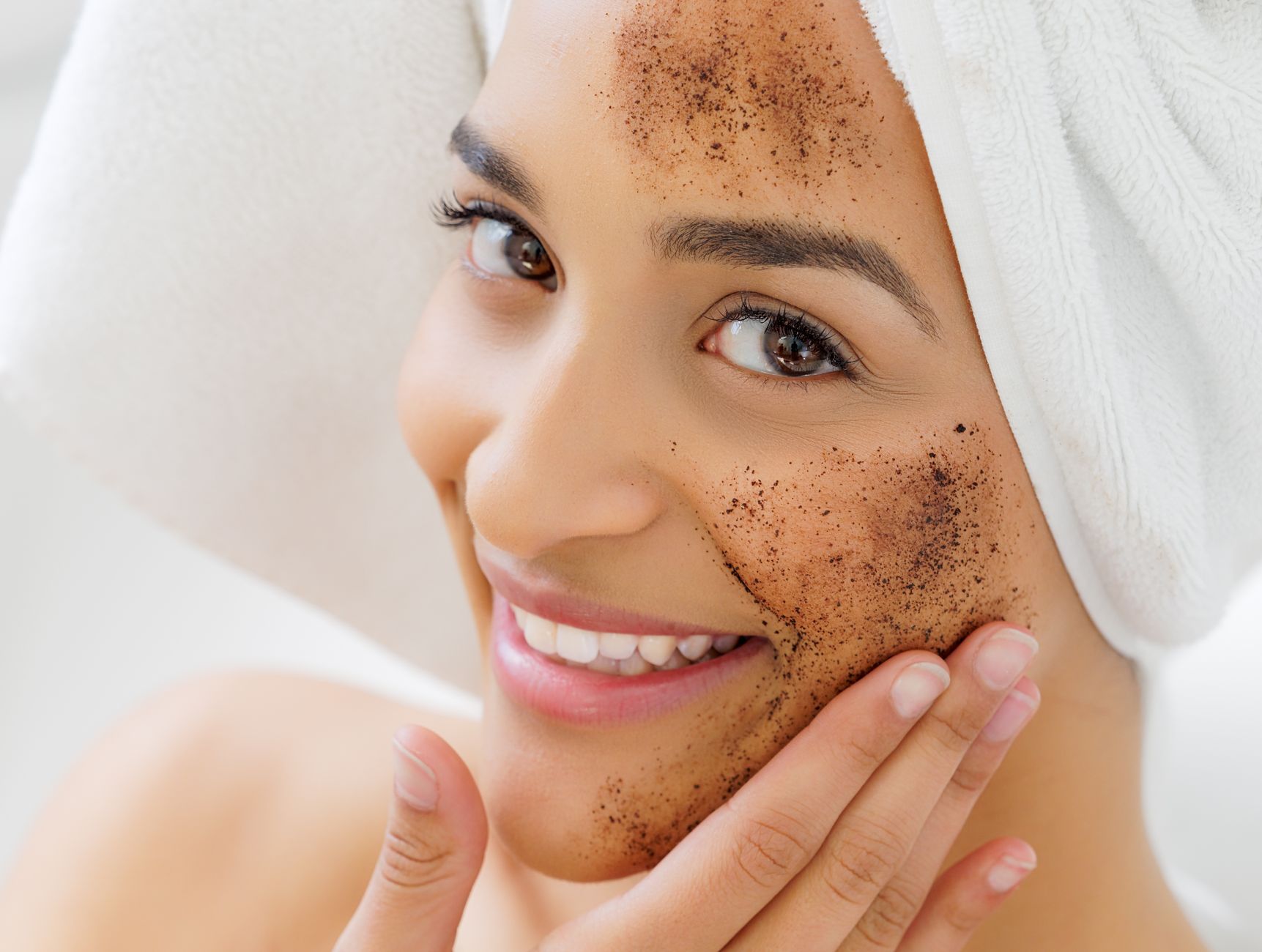
Scalp exfoliation is the process of gently removing dead skin cells, sebum, sweat, and product residue from the surface of your scalp. You can do this with a physical scrub, a chemical exfoliant, or a specialized scalp brush. The goal is not to scrub aggressively; it is to clear the buildup that blocks follicles and weighs hair down.
Your scalp is an extension of your facial skin. Like your face, it sheds dead cells continuously. Without occasional exfoliation, those cells can mix with oils and styling products to form a layer that clogs pores and dulls hair.
Why Scalp Exfoliation Matters for Healthy Hair
A neglected scalp can lead to more than just itchiness. Buildup around the hair follicle can disrupt the natural growth cycle, trap bacteria, and make hair look flat or greasy at the roots. Exfoliation helps reset this environment.
By improving circulation and removing debris, exfoliation supports the scalp's natural renewal process. This matters because healthy hair starts at the follicle level. If the follicle is clogged or inflamed, the hair that grows from it may become weaker over time.
For readers focused on overall hair health, pairing scalp care with a balanced routine can make a noticeable difference. You may also find value in our guide on how to grow your hair faster with simple tricks you should try for habits that support growth from the inside out.
Scalp Exfoliation Benefits You Should Know
Understanding the specific scalp exfoliation benefits can help you decide whether this step deserves a place in your routine. Here are the most important advantages backed by dermatological logic and observable results.
1. Removes Product Buildup
Dry shampoo, hairspray, leave-in conditioners, and styling creams can accumulate on the scalp over time. Even regular shampooing may not fully dissolve these residues. Exfoliation breaks up this layer and lifts it away, leaving the scalp truly clean.
2. Reduces Dandruff and Flaking
Dead skin cell buildup is one of the leading contributors to visible flakes. Gentle exfoliation helps slough away these cells before they form noticeable dandruff. If flaking is your main concern, our article on how to get rid of dandruff fast and naturally covers additional remedies worth combining with exfoliation.
3. Balances Oil Production
When buildup blocks the scalp, sebaceous glands can become overactive or underactive. Exfoliation helps regulate this by keeping pores clear and preventing the scalp from overcompensating with extra oil.
4. Promotes Healthier Hair Growth
A clean follicle is better able to receive nutrients and oxygen. While exfoliation alone cannot change your genetics, it removes one common barrier to optimal growth conditions. For related advice, read our tips on how to repair damaged hair after addressing scalp health.
5. Improves Blood Circulation
Massaging the scalp during exfoliation stimulates blood flow. Better circulation means more oxygen and nutrients reach the hair follicles, which can support stronger strands over time.
6. Enhances Absorption of Hair Treatments
Serums, oils, and treatments work better on a clean scalp. When buildup is removed, active ingredients can penetrate more effectively instead of sitting on top of residue.
7. Adds Volume and Lift
Buildup at the roots can weigh hair down and make it look flat. Exfoliation lifts residue and gives hair more natural bounce and volume.
Physical vs. Chemical Scalp Exfoliation: Which Is Right for You?
There are two main types of scalp exfoliation. Choosing the right one depends on your scalp condition, hair type, and sensitivity level.
| Type | How It Works | Best For | Examples |
|---|---|---|---|
| Physical | Uses granules, brushes, or scrubs to manually lift buildup | Oily scalps, normal scalps, those who use lots of styling products | Sugar scrubs, salt scrubs, silicone scalp brushes |
| Chemical | Uses acids or enzymes to dissolve dead skin cells and oil | Sensitive scalps, dandruff-prone scalps, dry scalps | Salicylic acid, glycolic acid, lactic acid, enzyme-based exfoliants |
| Combination | Mixes gentle granules with mild acids for deeper cleansing | Most scalp types when used occasionally | Prebiotic or acid-infused scalp scrubs |
If your scalp is sensitive or you experience redness easily, start with a chemical exfoliant or a very gentle physical scrub. Those with oily scalps and no sensitivity may tolerate physical exfoliation once or twice a week.
How to Exfoliate Your Scalp: Step-by-Step Guide
Follow these steps for a safe and effective scalp exfoliation session at home.
Step 1: Choose the Right Product
Select a scrub or exfoliating treatment suited to your scalp type. Read the ingredient list and avoid anything with large, jagged particles that could scratch the skin.
Step 2: Wet Your Hair Thoroughly
Start with clean, wet hair. Warm water helps soften buildup and open the pores slightly, making exfoliation more effective.
Step 3: Apply the Exfoliant Directly to the Scalp
Part your hair into sections and apply the product to the scalp, not the lengths of your hair. Focus on areas where you notice oiliness, flaking, or product buildup.
Step 4: Massage Gently With Fingertips or a Brush
Use the pads of your fingers or a soft scalp brush to massage in circular motions. Apply light to medium pressure. You should never feel pain or intense scratching.
Step 5: Rinse Completely
Rinse your scalp and hair thoroughly with lukewarm water. Make sure no scrub particles are left behind, as residue can cause irritation.
Step 6: Follow With a Gentle Shampoo and Conditioner
After exfoliating, cleanse with a mild shampoo to remove any remaining product. Condition the mid-lengths and ends of your hair to restore moisture without weighing down the roots.
Step 7: Dry and Style as Usual
Gently towel-dry or air-dry your hair. Avoid applying heavy styling products directly to the scalp right after exfoliation.
How Often Should You Exfoliate Your Scalp?
Frequency depends on your scalp type and the product you use.
- Oily scalp: 1 to 2 times per week
- Normal scalp: Once every 7 to 10 days
- Dry or sensitive scalp: Once every 2 weeks
- Dandruff-prone scalp: 1 to 2 times per week with a medicated or acid-based exfoliant
Over-exfoliation can strip the scalp barrier and cause irritation, redness, or increased oil production. Start slowly and adjust based on how your scalp responds.
Best Ingredients for Scalp Exfoliation
Not all exfoliating ingredients work the same way. Here are the most effective and well-tolerated options.
Salicylic Acid
A beta-hydroxy acid (BHA) that penetrates oil and dissolves buildup inside pores. It is especially useful for oily and dandruff-prone scalps. Salicylic acid is also commonly used in acne care; learn more in our guide to salicylic acid acne treatment.
Glycolic Acid
An alpha-hydroxy acid (AHA) that exfoliates the surface of the scalp and helps remove dead skin cells. It works well for dry or dull scalps.
Lactic Acid
A gentler AHA that exfoliates while also providing some hydration. Good for sensitive or dry scalps.
Enzymes
Derived from fruits like papaya and pineapple, enzymes break down dead skin without the acidity of chemical exfoliants. Ideal for very sensitive users.
Sugar or Sea Salt
Common in physical scrubs, these dissolve or buff away buildup. Choose finely ground options to avoid micro-tears in the scalp.
Charcoal or Clay
These ingredients absorb excess oil and impurities. They are often used alongside exfoliating acids for a deeper clean.
Common Scalp Exfoliation Mistakes to Avoid
Even a simple routine can go wrong if you are too aggressive or use the wrong product. Avoid these common mistakes.
Scrubbing Too Hard
Your scalp skin is delicate. Aggressive scrubbing can cause inflammation, micro-injuries, and even temporary hair breakage.
Exfoliating Too Often
More is not better. Over-exfoliation can disrupt the scalp barrier, leading to dryness, sensitivity, and rebound oiliness.
Using Body Scrubs on the Scalp
Body scrubs are often too coarse and heavily fragranced for the scalp. They may contain oils or ingredients that clog follicles.
Ignoring Reactions
If you notice burning, excessive redness, or increased flaking after exfoliating, stop immediately. You may be sensitive to an ingredient or exfoliating too frequently.
Applying to Broken or Irritated Skin
Never exfoliate if your scalp has open sores, active eczema, psoriasis flare-ups, or sunburn. Wait until the skin has healed.
Scalp Exfoliation by Hair Type
Different hair types respond differently to exfoliation. Here is how to adapt the routine.
Fine or Thin Hair
Use lightweight chemical exfoliants or very fine physical scrubs. Avoid heavy oils that can weigh hair down.
Curly or Coily Hair
Dry scalps are common with textured hair. Use hydrating exfoliants with lactic acid or enzymes and follow with a moisturizing conditioner.
Oily Hair
Salicylic acid-based exfoliants work well to cut through oil and keep pores clear.
Color-Treated Hair
Choose color-safe, sulfate-free exfoliating products. Avoid overly stripping formulas that can fade color faster.
Sensitive Scalp
Stick to enzyme or lactic acid exfoliants and avoid fragrance, menthol, and coarse granules.
DIY Scalp Exfoliation Recipes
If you prefer a natural approach, these simple recipes can be made at home.
Brown Sugar and Coconut Oil Scrub
Mix 2 tablespoons of brown sugar with 1 tablespoon of melted coconut oil. Massage into the scalp gently, then rinse and shampoo. For more on coconut oil's hair benefits, see our article on coconut oil hair treatment.
Apple Cider Vinegar Rinse
Dilute 2 tablespoons of apple cider vinegar in 1 cup of water. Pour over the scalp after shampooing to help dissolve buildup and balance pH.
Oatmeal and Yogurt Soothing Scrub
Blend 2 tablespoons of ground oatmeal with 2 tablespoons of plain yogurt. This gentle option soothes irritation while lightly exfoliating.
When to See a Dermatologist
Scalp exfoliation is safe for most people, but some symptoms need professional evaluation. See a dermatologist if you experience:
- Persistent or severe flaking that does not improve with regular care
- Painful, bleeding, or oozing patches on the scalp
- Sudden hair loss or thinning
- Intense itching that disrupts sleep
- Signs of infection such as warmth, swelling, or pus
These could indicate conditions like seborrheic dermatitis, psoriasis, folliculitis, or alopecia that require targeted treatment.
These practical tips will help you get the most from your scalp exfoliation routine.
- Patch test new products on a small area of your scalp before full use.
- Use lukewarm water, not hot water, to avoid drying out or irritating the scalp.
- Exfoliate before shampooing when using a scrub, or use a treatment between washes if it is a leave-on chemical exfoliant.
- Keep nails short or use a tool instead of long nails to prevent scratching.
- Follow with hydration using a lightweight scalp serum or conditioner on the lengths.
- Protect your scalp from the sun after exfoliation, especially if you use acids.
- Rotate products seasonally since scalp needs change with weather and humidity.
Conclusion
Scalp exfoliation is a simple but powerful step that supports the foundation of healthy hair. By removing buildup, balancing oil, and improving circulation, it helps your scalp function the way it should. The key is consistency and gentleness. Choose the right method for your hair type, do not overdo it, and always listen to how your scalp responds.
If you found this guide helpful, share it with a friend who is trying to grow healthier hair. Then explore more of our hair care articles, including how to grow your hair faster with simple tricks you should try, how to repair damaged hair, and coconut oil hair treatment.
Frequently Asked Questions
References
Last updated
This article is for informational purposes only and does not constitute medical advice. Consult a licensed dermatologist or healthcare provider before starting any new treatment.
Beauty & Hair Care Editor
Amanda Gurton is a beauty editor and researcher with a focus on translating dermatology and trichology insights into clear, actionable advice. She covers skincare routines, hair health, ingredient science, and everyday beauty habits.
Comments (0)
Be the first to comment.
Related Articles
Best Oils for Hair Growth and How to Use Them
Looking for the best oils for hair growth? Learn which carrier and essential oils support scalp health, reduce breakage, and how to use them safely at home.

Protective Hairstyles That Prevent Heat and Manipulation Damage
Discover protective hairstyles that reduce heat and manipulation damage, plus tips for maintaining hair health while wearing them.
Best Hair Growth Ingredients for Thicker, Healthier Hair
Discover the best hair growth ingredients backed by science. Learn how biotin, minoxidil, rosemary oil, and more can boost thickness and reduce shedding.
How to Build a Healthy Hair Care Routine
Learn how to build a healthy hair care routine that strengthens, shines, and protects your strands with proven steps, product tips, and common mistakes to avoid.