 Funky Millions
How to Build a Healthy Hair Care Routine
Learn how to build a healthy hair care routine that strengthens, shines, and protects your strands with proven steps, product tips, and common mistakes to avoid.
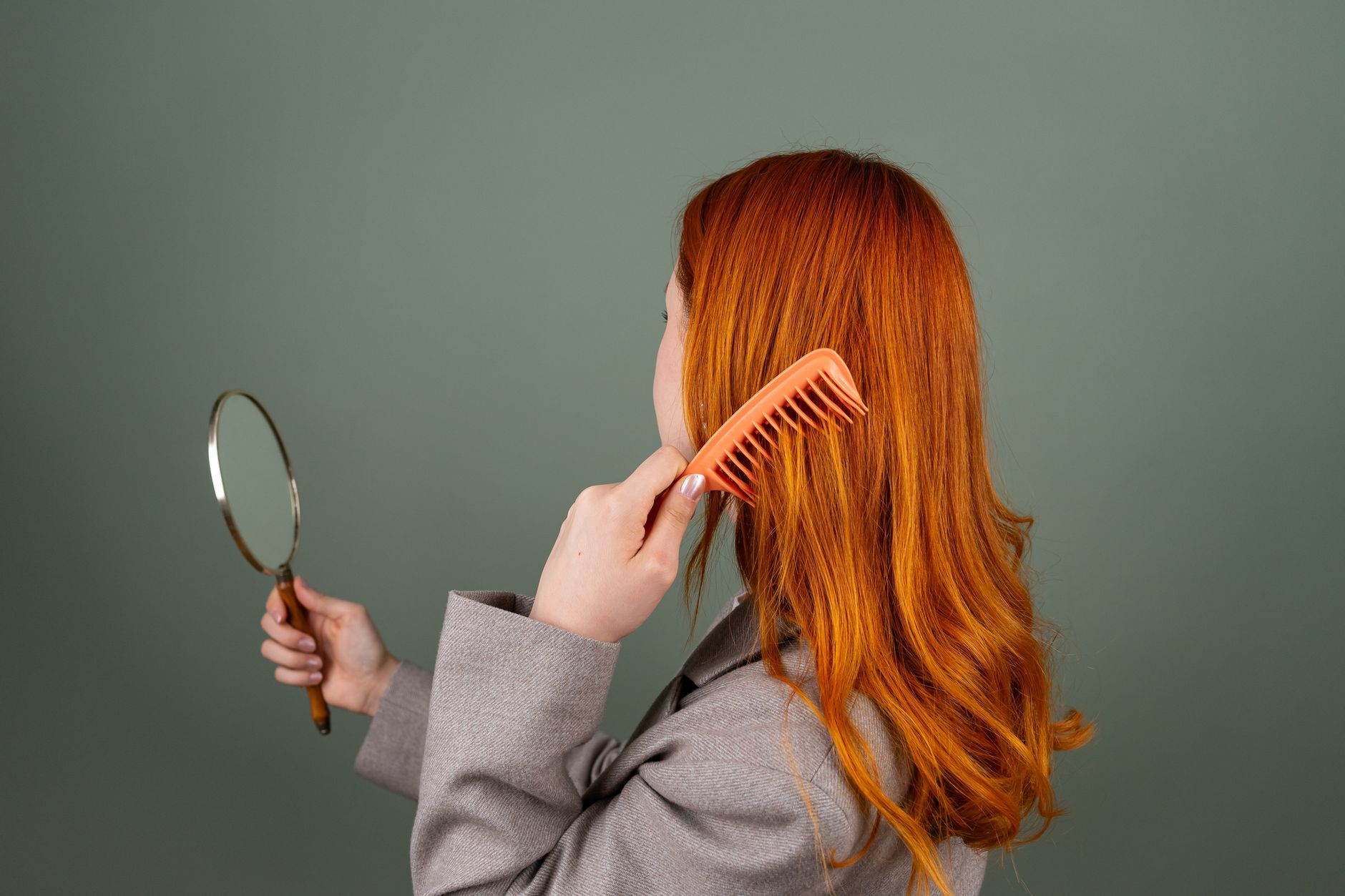
Quick summary
Key Takeaways
- A healthy hair care routine is a balanced, repeatable system of cleansing, conditioning, moisturizing, protecting, and maintaining your hair and scalp.
- Consistency protects your hair from daily damage, keeps your scalp healthy, and makes styling easier while supporting stronger growth over time.
- A complete routine includes identifying your hair type, cleansing and conditioning properly, detangling gently, protecting from heat, moisturizing, trimming, scalp care, and nutrition.
- Small habits like hot water, tight styles, and rough towel drying can cause long-term damage. Gentle handling protects your hair.
- Tailor your routine to your hair type. Oily hair needs lightweight cleansing, dry hair needs moisture, and damaged hair needs protection and recovery.
- Read labels carefully. Look for strengthening and moisturizing ingredients, and avoid harsh sulfates or heavy silicones if your hair is dry, curly, or color-treated.
A healthy hair care routine is the foundation of strong, shiny, and manageable hair. Whether your strands are curly, straight, fine, thick, color-treated, or naturally textured, a consistent routine tailored to your hair type can prevent breakage, reduce frizz, and support long-term scalp health. Many people focus only on shampooing and conditioning, but healthy hair requires a holistic approach that includes cleansing, moisturizing, protecting from heat, trimming regularly, and feeding your hair from within.
In this guide, you will learn exactly what a healthy hair care routine is, why it matters, how to build one step by step, which mistakes to avoid, and expert-backed tips for every hair type. By the end, you will have a clear, repeatable routine you can start today.
What Is a Healthy Hair Care Routine?
A healthy hair care routine is a consistent set of practices designed to cleanse, nourish, protect, and maintain your hair and scalp. It goes beyond basic shampooing. It includes choosing the right products for your hair type, washing at the correct frequency, conditioning properly, protecting hair from heat and environmental damage, and trimming split ends before they travel up the strand.
The goal is not perfection. The goal is balance: clean scalp, hydrated strands, minimal breakage, and protected hair cuticles. A healthy routine also adapts to seasonal changes, hormonal shifts, and lifestyle factors such as swimming, heat styling, or coloring.
Key Components of a Healthy Hair Care Routine
- Cleansing: Removing dirt, oil, sweat, and product buildup without stripping natural oils.
- Conditioning: Restoring moisture, smoothing the cuticle, and improving detangling.
- Moisturizing: Adding and sealing hydration, especially for curly, coily, or dry hair.
- Protecting: Using heat protectants, UV protection, and silk accessories to reduce damage.
- Maintaining: Regular trims, scalp care, and a balanced diet that supports hair growth.
Why a Healthy Hair Care Routine Matters
Your hair is exposed daily to pollution, UV rays, friction from pillows and clothing, heat tools, and chemical treatments. Without a consistent routine, these stressors accumulate. The result is dryness, split ends, breakage, dullness, and sometimes scalp irritation or hair thinning.
A structured routine matters because it:
- Prevents breakage by keeping hair elastic and moisturized.
- Reduces frizz and tangles by smoothing the cuticle.
- Supports scalp health, which is the environment where hair grows.
- Improves manageability, making styling easier and faster.
- Protects color and treatments, extending the life of your investment.
- Encourages growth by reducing damage that requires frequent trimming.
For readers also focused on skin health, a strong beauty routine works together. Healthy hair frames the face and complements the work you put into your skin. Check out our guide on how to make your skin glow for a complete head-to-toe approach.
Step-by-Step: How to Build Your Healthy Hair Care Routine
Building a routine starts with understanding your hair type and concerns. Use the steps below as a flexible framework you can adjust to your needs.
Step 1: Identify Your Hair Type and Concerns
Your hair type determines which products and techniques work best. The main categories are:
| Hair Type | Characteristics | Routine Focus |
|---|---|---|
| Straight (Type 1) | Oily at roots, flat, tangles less | Lightweight volume, avoid heavy oils |
| Wavy (Type 2) | Prone to frizz, needs balance | Hydration without weighing waves down |
| Curly (Type 3) | Dry, defined curls, prone to frizz | Deep moisture, gentle handling |
| Coily (Type 4) | Very dry, fragile, shrinkage | Heavy moisture, protective styling |
| Fine | Easily weighed down, breaks easily | Lightweight products, gentle handling |
| Thick | Holds styles but takes longer to dry | Layered moisture, detangling tools |
| Color-Treated | Prone to dryness and fading | Sulfate-free products, color protection |
Also note your scalp condition: oily, dry, flaky, sensitive, or balanced. Your scalp needs are just as important as your strand needs.
Step 2: Choose the Right Shampoo and Conditioner
Select a shampoo that matches your scalp and a conditioner that matches your ends.
- Oily scalp: Clarifying or balancing shampoo.
- Dry scalp: Hydrating, gentle, or creamy shampoo.
- Dandruff-prone: Anti-dandruff formulas with zinc pyrithione or ketoconazole.
- Color-treated: Sulfate-free, color-safe shampoo.
- Fine hair: Volumizing, lightweight conditioner applied only to mid-lengths and ends.
- Curly/coily hair: Moisturizing, sulfate-free cleanser and rich conditioner.
If you struggle with buildup or flakes, our post on how to get rid of dandruff fast and naturally offers helpful home and product solutions.
Step 3: Wash at the Right Frequency
There is no universal rule for how often to wash your hair. It depends on your scalp oil production, activity level, and hair texture.
| Hair/Scalp Type | Suggested Wash Frequency |
|---|---|
| Oily, fine hair | Daily or every other day |
| Normal hair | 2-3 times per week |
| Dry or curly hair | 1-2 times per week |
| Coily hair | Weekly or every 10-14 days |
| Active/sweaty lifestyle | Increase frequency as needed |
Overwashing strips natural oils and can trigger more oil production. Underwashing allows buildup, which can clog follicles and cause odor or irritation.
Step 4: Condition Correctly
Conditioner is not optional for most hair types. It smooths the cuticle, adds moisture, and reduces friction that leads to breakage.
Apply conditioner from mid-lengths to ends, where hair is oldest and driest. Avoid the roots unless your scalp is very dry. Leave it on for 2-3 minutes to allow absorption. For extra hydration, use a deep conditioning mask once a week.
Curly and coily hair benefits from the "squish to condish" method: applying conditioner to soaking wet hair and scrunching upward to encourage curl clumping.
Step 5: Detangle Gently
Wet hair is more fragile than dry hair. Always detangle with care.
- Use a wide-tooth comb or a detangling brush.
- Start from the ends and work up to the roots.
- Apply conditioner or a leave-in detangler first.
- Never rip through knots. Hold the section above the knot to reduce tension on the scalp.
Step 6: Protect Hair From Heat
Heat styling is one of the leading causes of hair damage. Whenever you use a blow dryer, flat iron, or curling wand, apply a heat protectant first.
Look for ingredients like silicones, polymers, and proteins that create a barrier between your hair and high temperatures. Keep tools at the lowest effective temperature, and limit heat styling to a few times per week.
Air drying is the gentlest option, but if you must blow dry, use a diffuser for curls or a concentrator nozzle for straighter styles. Keep the dryer at least 6 inches from your hair.
Step 7: Lock in Moisture
For dry, curly, or textured hair, sealing moisture is essential. After washing and conditioning, apply a leave-in conditioner, hair oil, or styling cream.
Popular sealants include:
- Argan oil: Lightweight shine and frizz control.
- Jojoba oil: Similar to scalp sebum, good for all hair types.
- Coconut oil: Penetrates the hair shaft; excellent for dry or damaged hair. Learn more in our coconut oil hair treatment guide.
- Shea butter: Heavy moisture for coily and dry hair.
- Aloe vera: Light hydration and scalp soothing.
Step 8: Trim Regularly
Regular trims prevent split ends from traveling up the hair shaft and causing more damage. Most people benefit from a trim every 8-12 weeks. If you are trying to grow your hair longer, small, consistent trims actually help you retain length by preventing breakage. See our tips on how to grow your hair faster for more growth-supporting habits.
Step 9: Care for Your Scalp
Healthy hair starts at the scalp. A clean, balanced scalp supports healthy follicles and growth.
Scalp care tips:
- Massage your scalp for 3-5 minutes during washes to boost circulation.
- Exfoliate weekly with a scalp scrub or chemical exfoliant if you have buildup.
- Avoid tight hairstyles that pull on the hairline.
- Treat dandruff or irritation promptly to prevent inflammation.
If you notice increased shedding or thinning, our article on causes of hair loss in women can help you understand possible triggers.
Step 10: Nourish From Within
Hair is made of keratin, a protein. Your diet provides the building blocks for strong strands.
Nutrients that support healthy hair:
- Protein: Eggs, fish, beans, Greek yogurt.
- Omega-3 fatty acids: Salmon, walnuts, flaxseeds.
- Iron: Spinach, lentils, red meat.
- Biotin and B vitamins: Nuts, seeds, whole grains.
- Vitamin D: Sunlight, fortified foods, fatty fish.
- Zinc: Pumpkin seeds, chickpeas, oysters.
Drink plenty of water. Dehydration can make hair dry and brittle.
Common Hair Care Mistakes to Avoid
Even with good intentions, certain habits can undo your progress. Avoid these common mistakes:
Washing With Water That Is Too Hot
Hot water strips natural oils and irritates the scalp. Use lukewarm water for washing and a cool rinse at the end to help seal the cuticle.
Overusing Heat Tools
Daily flat ironing or curling without protection weakens the hair shaft over time. Embrace heatless styles when possible.
Skipping Conditioner
Shampoo cleanses, but conditioner restores. Skipping it leads to dryness, tangles, and breakage, especially for long or textured hair.
Brushing Wet Hair With the Wrong Tool
A regular bristle brush on wet hair can stretch and snap strands. Use a wide-tooth comb or wet brush instead.
Tight Hairstyles Every Day
Constant ponytails, braids, or buns pulled tight cause traction alopecia over time. Alternate styles and use soft hair ties.
Ignoring Product Buildup
Oils, dry shampoo, and styling products accumulate on the scalp. Use a clarifying shampoo once a month or as needed.
Towel Drying Roughly
Rubbing hair with a terrycloth towel creates friction and frizz. Use a microfiber towel or an old cotton T-shirt and blot gently.
Recommended Ingredients and Products
When shopping for hair care products, ingredient literacy helps. Here are ingredients to look for and avoid.
Ingredients to Look For
| Ingredient | Benefit |
|---|---|
| Keratin | Strengthens and repairs the hair shaft |
| Panthenol (Pro-Vitamin B5) | Adds moisture and shine |
| Argan oil | Smooths frizz and adds softness |
| Aloe vera | Soothes scalp and hydrates |
| Ceramides | Restore the hair cuticle |
| Hydrolyzed proteins | Reduce breakage and improve elasticity |
Ingredients to Use With Caution
| Ingredient | Why Caution? |
|---|---|
| Sulfates | Can be stripping for dry, curly, or color-treated hair |
| Silicones | Build up over time if not washed out properly |
| Alcohols | Some are drying; not all alcohols are bad |
| Heavy oils | Can weigh down fine or oily hair |
No two heads of hair are the same. Here are expert-backed tips tailored to common concerns.
For Oily Hair
- Wash more frequently with a balancing shampoo.
- Apply conditioner only to the ends.
- Avoid touching your hair throughout the day, which transfers oil from your hands.
For Dry or Damaged Hair
- Deep condition weekly.
- Reduce heat styling and always use protectant.
- Sleep on a silk or satin pillowcase to reduce friction.
If your hair is already damaged, read our guide on how to repair damaged hair for a recovery plan.
For Curly and Coily Hair
- Use the "LOC" or "LCO" method: liquid/leave-in, oil, cream.
- Never brush dry curls.
- Pineapple your hair at night to preserve curl shape.
For Fine Hair
- Use lightweight, volumizing products.
- Avoid heavy oils near the roots.
- Blow dry upside down for lift at the crown.
For Color-Treated Hair
- Use sulfate-free, color-safe products.
- Wash with cool water to preserve color.
- Use UV protection sprays when outdoors.
For Thinning Hair
- Avoid heavy conditioners on the scalp.
- Use gentle, sulfate-free formulas.
- Consult a dermatologist if thinning persists.
Conclusion
Building a healthy hair care routine does not require dozens of products or hours of effort. It requires understanding your hair, choosing the right products, and staying consistent with gentle, protective habits. Start with the basics: cleanse correctly, condition well, detangle gently, protect from heat, moisturize as needed, and trim regularly. Adjust based on your hair type, scalp condition, and lifestyle.
Your hair is unique, so treat it that way. Small, consistent changes today lead to stronger, shinier, healthier hair over time.
Enjoyed this guide? Share it with a friend who is trying to improve their hair, and explore more of our hair care and beauty content on FunkyMillions.com.
Category: Hair Care
Tags: healthy hair care routine, hair care tips, hair washing routine, how to care for hair, hair health, scalp care, hair type guide, natural hair care, hair growth routine, damaged hair repair
Frequently Asked Questions
References
Last updated
This article is for informational purposes only and does not constitute medical advice. Consult a licensed dermatologist or healthcare provider before starting any new treatment.
Beauty & Hair Care Editor
Ilma is a beauty editor who specializes in breaking down cosmetic ingredients, skincare routines, and hair care practices. Her work focuses on evidence-based guidance readers can trust and apply.
Comments (0)
Be the first to comment.
Related Articles
Best Hair Growth Ingredients for Thicker, Healthier Hair
Discover the best hair growth ingredients backed by science. Learn how biotin, minoxidil, rosemary oil, and more can boost thickness and reduce shedding.
Scalp Exfoliation Benefits: How to Do It Safely at Home
Discover scalp exfoliation benefits, how to exfoliate your scalp safely, and expert tips for healthier, fuller-looking hair. A complete guide for all hair types.
How to Care for Low Porosity Hair: A Complete Guide
Master low porosity hair care with this science-backed guide. Learn how to moisturize, choose products, build a routine, and avoid common mistakes for healthier hair.
Best Oils for Hair Growth and How to Use Them
Looking for the best oils for hair growth? Learn which carrier and essential oils support scalp health, reduce breakage, and how to use them safely at home.