 Funky Millions
Best Oils for Hair Growth and How to Use Them
Looking for the best oils for hair growth? Learn which carrier and essential oils support scalp health, reduce breakage, and how to use them safely at home.
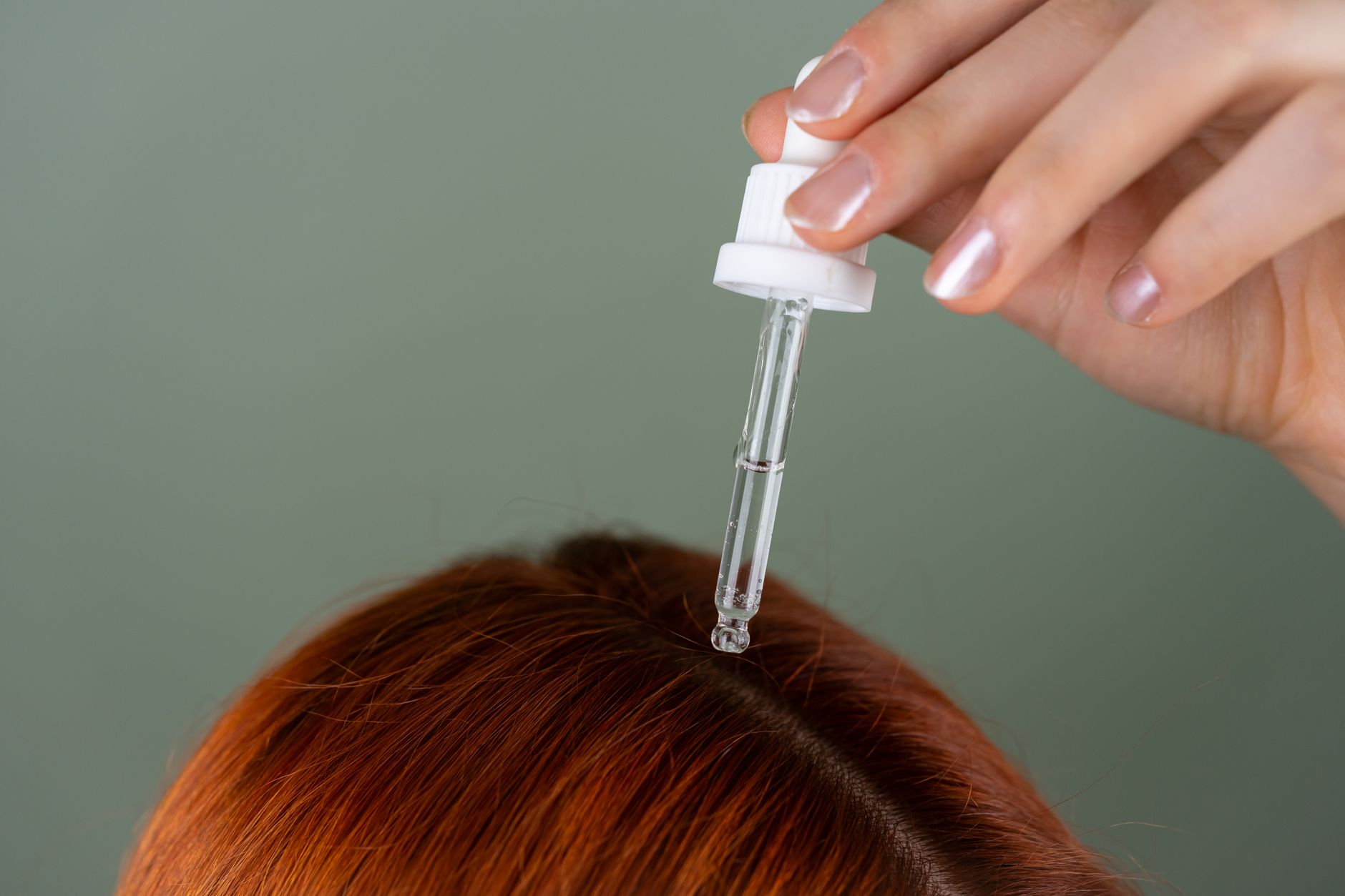
Quick summary
Key Takeaways
- Carrier oils nourish and protect, while essential oils deliver concentrated plant compounds. For a safe, effective treatment, dilute essential oils in a carrier oil before applying them to your scalp.
- Oils support growth mainly by improving scalp health, reducing breakage, and protecting the hair shaft. They are a helpful addition to a hair care routine, not a replacement for medical treatment.
- Consistency matters more than intensity. A weekly scalp massage and a pre-wash treatment are usually enough to see healthier hair over time.
- The best oils for hair growth support scalp health, reduce breakage, and protect existing strands.
- Carrier oils like castor, coconut, argan, jojoba, and pumpkin seed oil form the base of any treatment.
- Essential oils like rosemary, peppermint, lavender, and tea tree oil should always be diluted.
- Scalp massage, consistency, and realistic expectations are more important than any single ingredient.
- If hair loss is sudden, severe, or persistent, consult a dermatologist to rule out medical causes.
If you are searching for the best oils for hair growth, you are not alone. Between heat styling, tight hairstyles, stress, and seasonal shedding, many people notice more hair in the shower drain than they would like. While no oil can magically regrow a full head of hair overnight, the right oils can create a healthier scalp, strengthen strands, and reduce breakage so your hair looks thicker and longer over time.
This guide covers the best oils for hair growth, explains how they work, and shows you exactly how to use them. You will learn the difference between carrier oils and essential oils, which options are backed by research, and the most common mistakes that can turn a nourishing treatment into a greasy disappointment. Whether your hair is curly, fine, color-treated, or prone to dandruff, there is an oil routine here that can fit your needs.
What Are Hair Growth Oils?
Hair growth oils are plant-based oils applied to the scalp, roots, or lengths to support the conditions that help hair grow. They fall into two main categories:
- Carrier oils: These are fatty, moisturizing oils such as castor, coconut, argan, jojoba, and pumpkin seed oil. They are gentle enough to apply directly to the skin or hair in most cases.
- Essential oils: These are highly concentrated plant extracts such as rosemary, peppermint, lavender, and tea tree oil. They must be diluted in a carrier oil before scalp application because they are potent and can irritate the skin.
Why Use Oils for Hair Growth?
The best oils for hair growth do not change your genetics, but they can improve the environment around your hair follicles. Healthy hair starts at the scalp. When the scalp is clean, hydrated, and well-circulated, hair is more likely to grow in its strongest form.
Here is what hair oils can do:
- Moisturize the scalp to reduce dryness, itching, and flakes.
- Seal moisture into the hair shaft so strands stay elastic and less prone to snapping.
- Reduce friction during combing and styling, which lowers breakage.
- Support scalp circulation through massage, delivering more nutrients to follicles.
- Provide antimicrobial and anti-inflammatory benefits that may help with dandruff or follicle irritation.
- Protect against protein loss and environmental damage, especially for dry or curly hair.
If you want a fuller routine, combine oil treatments with the habits in our guide on how to grow your hair faster with simple tricks you should try.
How Oils Help Your Hair Grow: The Science
Search engines and readers today expect more than vague promises. Let us look at the actual mechanisms behind hair oils.
Scalp Blood Flow
A gentle scalp massage with oil increases blood circulation to the hair follicles. More blood flow means more oxygen and nutrients reach the follicle, which may support the anagen (growth) phase of the hair cycle. A small 2016 study published in ePlasty found that standardized scalp massages were associated with self-reported hair thickness improvements over several months.
Moisture Retention and Breakage Reduction
Hair grows from the root, but the length you keep depends on how little breaks off at the ends. Oils like coconut and argan reduce moisture loss and improve combability. A study in the Journal of Cosmetic Science showed that coconut oil reduced protein loss from both undamaged and damaged hair when used as a pre-wash treatment.
Anti-Inflammatory and Antimicrobial Effects
Chronic scalp inflammation from dandruff, product buildup, or conditions like seborrheic dermatitis can weaken follicles. Oils with antimicrobial properties, such as tea tree and rosemary, may help keep the scalp balanced. If flakes are a concern, see our post on how to get rid of dandruff fast and naturally.
DHT-Blocking Potential
Some oils are studied for their possible effect on dihydrotestosterone (DHT), a hormone linked to pattern hair loss. Pumpkin seed oil and rosemary oil have both shown promise in small clinical trials, though more research is needed before they can be compared to medical treatments.
The Best Carrier Oils for Hair Growth
Carrier oils are the foundation of any oil treatment. They dilute essential oils, add moisture, and deliver fatty acids and vitamins directly to the scalp and strands.
Castor Oil
Castor oil is thick, rich in ricinoleic acid, and one of the most popular natural remedies for thicker-looking hair. It creates a protective coating over the hair shaft and has anti-inflammatory properties. Because it is so viscous, many people mix it with a lighter oil such as jojoba or almond oil.
Best for: Dry scalps, coarse hair, protective styles
How to use it: Apply a thin layer to the scalp and massage for 5 minutes. Leave on for 30 minutes to overnight, then shampoo twice to remove residue.
Coconut Oil
Coconut oil is one of the most researched hair oils. Its small molecular structure allows it to penetrate the hair shaft and reduce protein loss. It is especially useful as a pre-shampoo treatment.
If you want a deep-dive into this popular option, read our dedicated post on coconut oil hair treatment.
Best for: Medium to thick hair, dry or damaged ends, pre-wash protection
How to use it: Warm a tablespoon between your palms, apply to dry hair from mid-lengths to ends, and leave on for at least 20 minutes before washing.
Argan Oil
Argan oil comes from Moroccan argan tree kernels and is packed with vitamin E and fatty acids. It is lighter than castor oil and excellent for controlling frizz without weighing hair down.
Best for: Fine or frizzy hair, daily leave-in use, heat protection
How to use it: Use 2–3 drops on damp hair as a leave-in conditioner, or massage into the scalp before washing.
Jojoba Oil
Jojoba oil is technically a wax ester that closely mimics human sebum. It absorbs quickly and is less likely to clog pores or feel greasy.
Best for: Oily or sensitive scalps, lightweight sealing
How to use it: Use as a scalp massage oil on its own or as the diluting base for essential oils.
Pumpkin Seed Oil
Pumpkin seed oil contains phytosterols, plant compounds that may help block DHT. A 2014 Korean study found that men who took pumpkin seed oil supplements saw increased hair counts compared to a placebo group. Topical use is less studied but is commonly used for scalp nourishment.
Best for: Thinning hair, dry scalp, anti-aging hair care
How to use it: Massage into the scalp and leave on for 20–30 minutes before rinsing.
Sweet Almond Oil
Sweet almond oil is lightweight, affordable, and rich in vitamin E. It softens hair, adds shine, and works well as a carrier for essential oils.
Best for: All hair types, especially fine or fragile hair
How to use it: Mix a few drops into your conditioner or use as a scalp massage base.
The Best Essential Oils for Hair Growth
Essential oils are powerful and must always be diluted. A safe general rule is 2–3 drops of essential oil per tablespoon of carrier oil.
Rosemary Oil
Rosemary essential oil is one of the most studied oils for hair growth. A 2015 randomized trial in Skinmed compared rosemary oil to minoxidil 2% and found both groups had a significant increase in hair count after six months, with rosemary causing less scalp itching.
Best for: Thinning at the crown, scalp stimulation
Blend idea: 3 drops rosemary oil + 1 tablespoon jojoba oil.
Peppermint Oil
Peppermint oil creates a cooling, tingling sensation that increases blood flow to the scalp. A 2014 animal study in Toxicological Research found that peppermint oil promoted hair growth faster than saline and jojoba oil in mice.
Best for: Oily scalps, invigorating scalp treatments
Blend idea: 2 drops peppermint oil + 1 tablespoon coconut oil.
Lavender Oil
Lavender oil has antimicrobial properties and a calming scent. Some animal research suggests it may help extend the number of hair follicles in the growth phase.
Best for: Sensitive scalps, relaxing nighttime routine
Blend idea: 3 drops lavender oil + 1 tablespoon sweet almond oil.
Tea Tree Oil
Tea tree oil is valued for its antifungal and antibacterial properties. It is a smart choice if you have buildup, dandruff, or an itchy scalp that could be slowing growth.
Best for: Dandruff-prone or irritated scalps
Blend idea: 2 drops tea tree oil + 1 tablespoon jojoba oil.
Comparison Table: Best Oils for Hair Growth
| Oil | Type | Best For | Key Benefit | Comedogenic Rating |
|---|---|---|---|---|
| Castor oil | Carrier | Dry scalp, thick hair | Seals moisture, anti-inflammatory | 1 |
| Coconut oil | Carrier | Dry, damaged, curly hair | Penetrates hair shaft, reduces protein loss | 4 |
| Argan oil | Carrier | Fine, frizzy, color-treated hair | Lightweight moisture and shine | 0 |
| Jojoba oil | Carrier | Oily, sensitive scalp | Mimics sebum, non-greasy | 2 |
| Pumpkin seed oil | Carrier | Thinning hair | May support DHT balance | 2 |
| Sweet almond oil | Carrier | Fine or fragile hair | Softens and adds vitamin E | 2 |
| Rosemary oil | Essential | Thinning, weak follicles | Clinically compared to minoxidil | N/A (dilute) |
| Peppermint oil | Essential | Oily scalp, stimulation | Cooling, circulation-boosting | N/A (dilute) |
| Lavender oil | Essential | Sensitive, irritated scalp | Calming, antimicrobial | N/A (dilute) |
| Tea tree oil | Essential | Dandruff, buildup | Antifungal and antibacterial | N/A (dilute) |
How to Use Hair Growth Oils: Step-by-Step Methods
There is no single right way to use hair oil. Pick the method that matches your schedule and hair type.
Method 1: Pre-Shampoo Mask
- Choose your oil or blend.
- Warm 1–2 tablespoons between your palms.
- Apply to dry hair from roots to tips.
- Massage the scalp for 3–5 minutes.
- Leave on for 20–45 minutes.
- Shampoo and condition as usual.
This method is excellent for coconut, castor, or pumpkin seed oil.
Method 2: Scalp Massage Treatment
- Mix 3–5 drops of essential oil into 1 tablespoon of carrier oil.
- Part your hair into sections.
- Use your fingertips to apply the oil directly to the scalp.
- Massage in small circular motions for 5–10 minutes.
- Leave on for at least 30 minutes or overnight, then wash out.
Scalp massage is one of the most effective ways to boost circulation. For more on scalp health, read our post on causes of hair loss in women.
Method 3: Overnight Oil Treatment
- Apply your chosen oil to the scalp and hair.
- Cover with a silk bonnet or old towel to protect your pillowcase.
- Leave on overnight.
- Rinse thoroughly in the morning with a gentle shampoo.
This works best with castor or coconut oil, but people with fine hair should use a very small amount.
Method 4: Leave-In Conditioner
- Apply 1–3 drops of lightweight oil such as argan or jojoba to damp hair.
- Focus on the mid-lengths and ends.
- Style as usual.
This adds shine, reduces frizz, and protects ends from splitting. If your ends are already damaged, our guide on how to repair damaged hair can help.
Method 5: Hot Oil Treatment
- Warm your oil blend in a heat-safe bowl placed in hot water.
- Test the temperature on your wrist.
- Apply to scalp and hair.
- Cover with a shower cap for 20–30 minutes.
- Rinse and shampoo.
Hot oil treatments help the oil penetrate more deeply and feel luxurious on wash day.
Sample Weekly Hair Oil Routine
Here is a simple routine you can adapt:
- Day 1: Scalp massage with rosemary + jojoba oil. Leave on for 30 minutes, then wash.
- Day 3: Leave-in argan oil on damp ends.
- Day 5: Pre-shampoo coconut oil mask for 20 minutes.
- Day 7: Overnight castor oil scalp treatment, shampooed out in the morning.
Adjust the frequency based on how your scalp and hair respond. Oily scalps may need lighter, shorter treatments, while dry scalps can handle richer, longer ones.
Common Mistakes to Avoid
Even the best oils for hair growth can backfire if used incorrectly.
- Using undiluted essential oils. This can burn or sensitize the scalp. Always dilute in a carrier oil.
- Applying too much oil. More oil does not mean more growth. Start small and add only if needed.
- Skipping the patch test. Test a small amount on your inner arm 24 hours before a full scalp application.
- Rubbing oil into dirty scalp. Oil traps buildup. Start with a clean or lightly cleansed scalp for best absorption.
- Expecting overnight results. Hair grows about half an inch per month. Give any routine at least 8–12 weeks.
- Ignoring the root cause. Hormonal imbalances, thyroid issues, and nutritional deficiencies can cause hair loss. If shedding is sudden or severe, see a dermatologist. The American Academy of Dermatology offers trusted information on hair loss causes and treatments.
What to Look for When Buying Hair Oils
Not all oils are created equal. Here is what to check on the label:
- Cold-pressed or unrefined: These extraction methods preserve more nutrients.
- 100% pure: Avoid blends with silicones, mineral oil, or heavy fragrance.
- Dark glass bottle: Light and heat degrade oil quality. Amber or cobalt bottles help protect the product.
- Organic certification: This reduces the risk of pesticide residue.
- Suitable for your hair type: Fine hair needs lighter oils; coarse or dry hair can handle thicker ones.
Ready to Give Your Hair Some Extra Love?
Start with one carrier oil and one essential oil blend this week. Track your progress with monthly photos, and do not forget to be gentle with your strands while they grow. If you found this guide helpful, share it with a friend and explore more of our hair care articles for tips on growth, repair, and scalp health.
Tags: hair growth, natural hair care, hair oils, scalp care, rosemary oil, castor oil, coconut oil, essential oils for hair
Category: Hair Care
Suggested Reading:
- How to Grow Your Hair Faster: Simple Tricks You Should Try
- Coconut Oil Hair Treatment
- How to Repair Damaged Hair
- Causes of Hair Loss in Women
- How to Get Rid of Dandruff Fast and Naturally
- Massage with intention. Use the pads of your fingers, not your nails, and move in slow circles.
- Warm the oil first. Warm oil spreads more easily and feels more soothing.
- Protect your linens. Use a silk or satin bonnet for overnight treatments.
- Eat for your hair. Protein, iron, omega-3 fatty acids, and biotin all support growth from the inside out.
- Be gentle. Avoid tight ponytails, rough brushing, and excessive heat styling while you are trying to grow your hair.
- Track progress. Take monthly photos in the same lighting to spot subtle changes in thickness or length.
Frequently Asked Questions
Last updated
This article is for informational purposes only and does not constitute medical advice. Consult a licensed dermatologist or healthcare provider before starting any new treatment.
Beauty & Hair Care Editor
Ilma is a beauty editor who specializes in breaking down cosmetic ingredients, skincare routines, and hair care practices. Her work focuses on evidence-based guidance readers can trust and apply.
Comments (0)
Be the first to comment.
Related Articles
Scalp Exfoliation Benefits: How to Do It Safely at Home
Discover scalp exfoliation benefits, how to exfoliate your scalp safely, and expert tips for healthier, fuller-looking hair. A complete guide for all hair types.

Protective Hairstyles That Prevent Heat and Manipulation Damage
Discover protective hairstyles that reduce heat and manipulation damage, plus tips for maintaining hair health while wearing them.
Best Hair Growth Ingredients for Thicker, Healthier Hair
Discover the best hair growth ingredients backed by science. Learn how biotin, minoxidil, rosemary oil, and more can boost thickness and reduce shedding.
How to Build a Healthy Hair Care Routine
Learn how to build a healthy hair care routine that strengthens, shines, and protects your strands with proven steps, product tips, and common mistakes to avoid.