 Funky Millions
Causes of Hair Loss in Women
Quick summary
Key Takeaways
- Hair loss in women can come from medical conditions, hormone changes, nutrition problems, stress, genetics, or physical damage to the hair and scalp.
- The pattern of shedding helps identify the cause, whether it is sudden all-over shedding, gradual thinning, breakage, or patchy loss.
- Iron deficiency, thyroid imbalance, PCOS, pregnancy, menopause, and major stress are especially important causes to consider in women.
- The most effective treatment starts with finding the trigger rather than choosing random supplements or hair products.
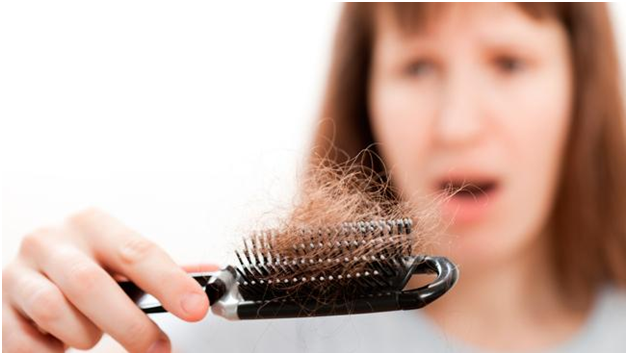
Hair loss is an illness which can cause many troubling effects both for men and women. It affects females more since hair, which is beautiful and strong, is a woman’s strength. Hair loss or thinning of hair can cause lack of self esteem and self confidence. It creates a hassle when women have to look out for a number of possible hair treatments and cures. It causes shame for them when they find ways to hide their problem. There are a number of factors that can cause hair loss. It is easier to cure it if you know the cause.
Causes of Hair Loss in Women:
Medical Issues
- Sometimes the cause of your hair falling in large bunches is due to the medication you are taking. Antidepressants or anti inflammatory drugs can cause this side effect to your hair. So if you are taking any of these drugs it is quite likely that you will start shedding hair in a few days.
- Some illnesses and medical conditions are also to be blamed for this issue as sometimes a normal flu can cause some hair loss. Thyroid dysfunction can cause hair loss. This is very common in women. Because of problems with thyroid glands, the hormones responsible for hair growth are disturbed resulting in hair loss. Anemia or iron deficiency is also one condition that is prevalent in many females. The reasons, mostly, are heavy bleeding during the menstrual cycle and lack of proper iron rich diet.
- Females having water bags in their ovaries or Polycystic ovarian syndrome, also lose hair over this illness. The hormones in the females stop functioning properly causing damage to hair growth. If you feel you have the symptoms of this ovarian syndrome, do get tested and get proper medication so that not only your hormonal condition is resolved, but so is your hair loss.
- Lumus is a dangerous and risky illness in which the immune system of a person may attack the body and will damage the tissues. Apart from many other side effects of this sickness, hair loss is one major issue.
- A physical trauma can also lead to hair loss. This trauma may consist severe accidents, surgeries or any other injuries. After this bodily unnatural change, hair will first stop growing and then in a couple of weeks will start to fall off. Normally, after you recover from your physical stress, the hair also starts getting back to its previous normal condition.
- Having a skin disease of some kind can also lead to hair loss. The scalp of the head gets inflamed not allowing proper hair growth. The minerals and other nutrients do not reach the hair properly, resulting in thinning of hair. As hair starts to get thinner, they also start falling off gradually.
Natural Changes
- Menopause is also another natural condition in which the female can experience hair loss. The change in hormones is responsible for this condition. Women of 40 years or more, should be aware of the fact that this change could occur anytime soon because old age will not give them healthy flowing hair.
- Pregnancy can also cause loss of hair in women. A lot of hormonal changes are occurring in a woman’s body while she is pregnant and this can cause thinning and then shedding of hair.
- If a person loses weight drastically, it can also cause hair loss because of the weakness that the body is undergoing. In order to maintain the health of hair, it needs proper nourishing and care. Depriving it of the essential minerals and protein because of weight loss, will cause damage to the hair.
Nutritional Deficiency
- Check your diet and see if you are taking too much Vitamin A. Excess of this vitamin, either taken from supplements or food, will not let the hair grow in full health. Once you stop taking vitamin A in full bloom, your hair will start to get back to normal.
- Not eating a balanced diet will not provide your hair with healthy nourishments. Hair needs all the vitamins, proteins and other minerals to grow in a proper condition. If it is not getting all of these supplements, it will eventually start falling off. Water is also very necessary so as to avoid dandruff which also proves to be a barrier to hair growth. So make sure you are taking about 10 glasses of water daily.
- Emotional trauma and stress are also one reason for hair loss. Because of the emotional stress and anxiety, the cells in the body are broken resulting in hair loss. Most of the times, after the death of a loved one or any other issue in your life will cause hair thinning. On earlier stage, the hair will stop growing and then later, after a period of 2-3 weeks, hair will start to fall.
Physical Damage
- Excessive use of hair styling tools on your hair will also cause hair loss. Irons, curlers and priming tools give out a lot of heat and permanently kill the roots. Products containing a lot of chemicals will also damage your hair.the nutrients and the protein that is present in the outer layer of each hair is removed because of the heat. This happens with regular use of irons and chemicals.
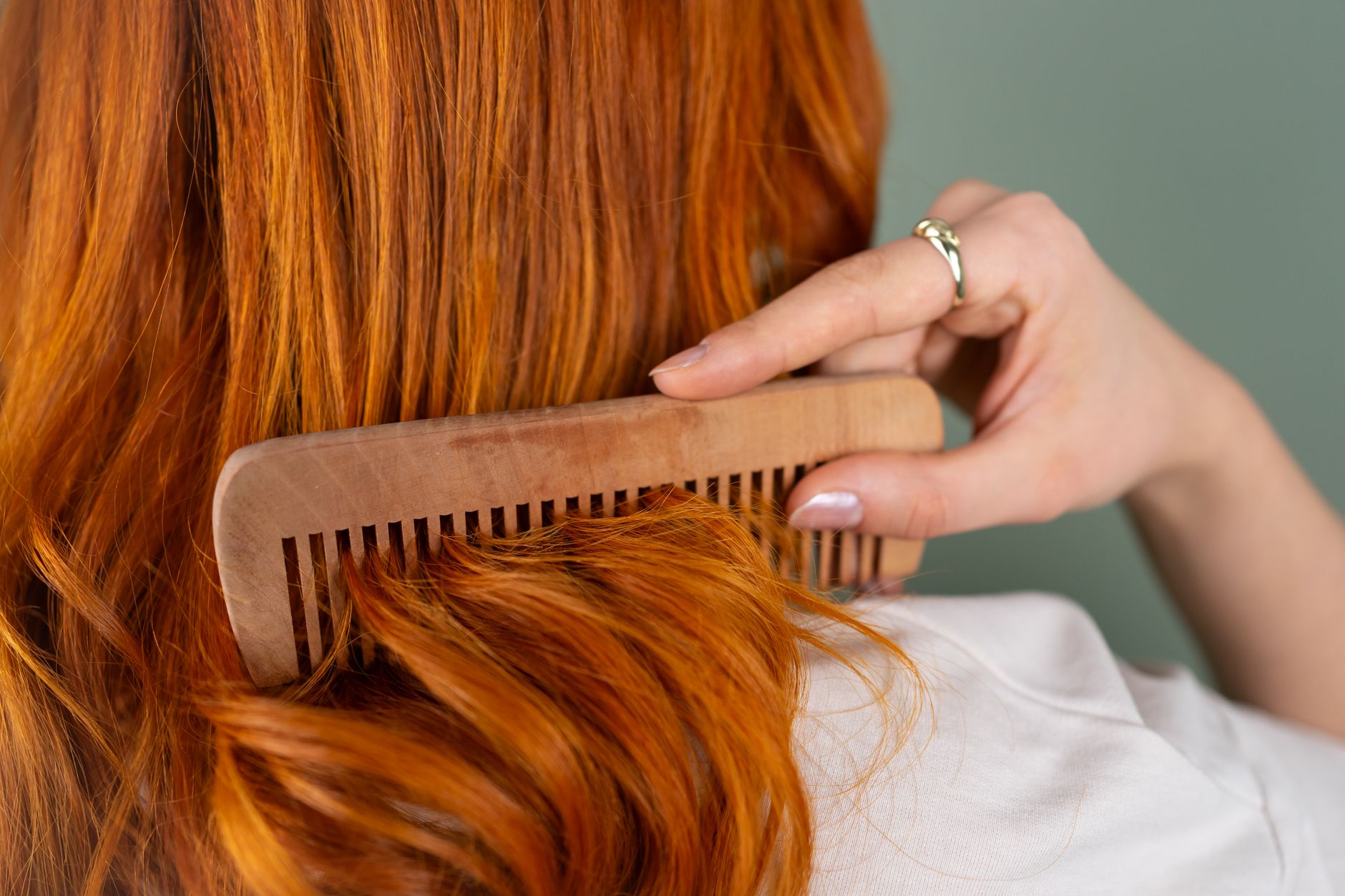
- Handling your hair roughly will also cause trouble. Treat them nicely with a soft and a tender hand. Too much stretching and pulling while combing or hair styling will weaken the roots. Use of hair pins and rubber bands also cause hair breakage. So use products and accessories on which are hair friendly. Also brushing your hair when it is wet will also cause harm.
If you are not able to find any of the above mentioned root causes that are giving you hair loss issues, then most probably it lies in your genes. An American research says that hair loss is a condition that is inherited through the genes from either one of your parents.
How to Recognize the Pattern of Female Hair Loss
The way hair sheds can give important clues about the cause. Sudden heavy shedding from all over the scalp often points to stress, illness, childbirth, rapid weight loss, medication changes, or a nutritional deficiency. This type of shedding may show up as extra hair in the shower, on the pillow, or in a brush, while the scalp still looks fairly even.
Gradual thinning around the part line, crown, or temples may suggest hormonal or genetic hair loss. Many women first notice that their ponytail feels smaller, their scalp is more visible under bright light, or their usual hairstyle no longer gives enough coverage. Patchy hair loss, broken hairs, itching, scaling, burning, or redness should be taken more seriously because it may involve inflammation, infection, autoimmune activity, or scalp disease.
When Hormones and Life Changes Affect Hair Growth
Women’s hair growth is closely connected to hormone balance, which is why pregnancy, postpartum changes, menopause, thyroid problems, and polycystic ovarian syndrome can all affect shedding. Hair may look thicker during pregnancy, then shed heavily a few months after delivery as hormone levels shift. This can feel alarming, but it is often temporary if no other deficiency or scalp condition is present.
Menopause can make hair thinner because estrogen levels decline while the influence of androgens may become more noticeable. In women with PCOS, excess androgen activity may contribute to thinning at the top of the scalp while causing unwanted facial hair or irregular periods. Thyroid imbalance can also disturb the normal growth cycle, so unexplained hair loss with fatigue, weight changes, cold sensitivity, or menstrual changes deserves medical attention.
What to Check Before Choosing a Hair Loss Treatment
Before buying oils, supplements, or salon treatments, it helps to look for the underlying trigger. A doctor may check iron stores, thyroid function, vitamin D, B12, hormone patterns, recent illness, medication history, and signs of scalp inflammation. Treating the wrong cause can waste time, especially when hair loss is linked to anemia, thyroid disease, PCOS, lupus, medication side effects, or a scalp condition.
It is also useful to review daily hair habits. Tight hairstyles, frequent bleaching, hot tools, harsh brushing, and chemical straightening can cause breakage that looks like hair loss. In that case, the solution is not only internal nutrition but also gentler styling, lower heat, less tension, and time for damaged strands to grow out.
For related advice, see [Hair Loss After Pregnancy](/hair-loss-after-pregnancy), [Best Hairstyles for Every Hair Type](/best-hairstyles-for-every-hair-type) and [Coconut Oil Hair Treatment](/coconut-oil-hair-treatment).
Dermatologists commonly recommend treating female hair loss by first identifying the cause, because shedding from iron deficiency, thyroid disease, postpartum hormone shifts, PCOS, scalp inflammation, stress, or styling damage may require different care. They often advise women to track when shedding started, note medication or health changes, examine the scalp for irritation, and seek testing when hair loss is persistent, sudden, patchy, or accompanied by other symptoms.
Conclusion
Hair loss in women can happen for many reasons, including illness, medication, thyroid imbalance, anemia, PCOS, menopause, pregnancy, stress, nutritional deficiency, genetics, scalp disease, and physical damage from styling habits. Because the causes are so different, the best treatment depends on understanding the pattern and timing of the shedding.
If hair loss is sudden, severe, patchy, painful, or linked with other symptoms, it should not be ignored. A careful review of health, diet, hormones, medications, and hair-care practices can make it easier to choose a treatment that protects both the scalp and future hair growth.
Frequently Asked Questions
Last updated
This article is for informational purposes only and does not constitute medical advice. Consult a licensed dermatologist or healthcare provider before starting any new treatment.
Beauty & Hair Care Editor
Amanda Gurton is a beauty editor and researcher with a focus on translating dermatology and trichology insights into clear, actionable advice. She covers skincare routines, hair health, ingredient science, and everyday beauty habits.
Comments (0)
Be the first to comment.
Related Articles
How to Build an Efficient Wash Day Routine for Curly Hair
Learn how to build an efficient, effective wash day routine for curly hair, from pre-poo to styling, without spending your entire day on it.
Sulfate-Free Shampoo: Who Actually Needs It?
Learn what sulfate-free shampoo actually means, the real pros and cons, and whether switching is genuinely necessary for your hair type.
Silicone-Free Haircare: What It Means and Who Needs It
Learn what silicone-free haircare means, why some people avoid silicones, and whether switching is right for your hair type.
Scalp Microbiome and Hair Health: What the Research Shows
Learn how the scalp microbiome affects hair health, dandruff, and hair loss, and how to support a balanced scalp ecosystem.