 Funky Millions
Scalp Microbiome and Hair Health: What the Research Shows
Learn how the scalp microbiome affects hair health, dandruff, and hair loss, and how to support a balanced scalp ecosystem.
Quick summary
Key Takeaways
- The scalp microbiome is a living ecosystem of microorganisms that helps regulate scalp health, similar to the skin microbiome elsewhere on the body.
- Dandruff is primarily driven by an overgrowth of Malassezia yeast, making it one of the clearest examples of scalp microbiome imbalance affecting visible scalp health.
- While still an active area of research, some evidence suggests scalp microbiome imbalance may contribute to inflammation-related hair thinning, though it is not considered a primary cause of most hair loss.
- Balanced washing frequency, gentle pH-appropriate products, and periodic exfoliation all support a healthy scalp microbiome.
- Scalp microbiome research is a younger field than gut microbiome research, meaning well-established findings like the Malassezia-dandruff connection deserve more confidence than newer, less-replicated claims about broader hair growth benefits.
- Preliminary research suggests scalp microbiome composition may vary by hair type, partly linked to differing washing frequencies, though the evidence is not yet developed enough to support firm, hair-type-specific scalp care rules.
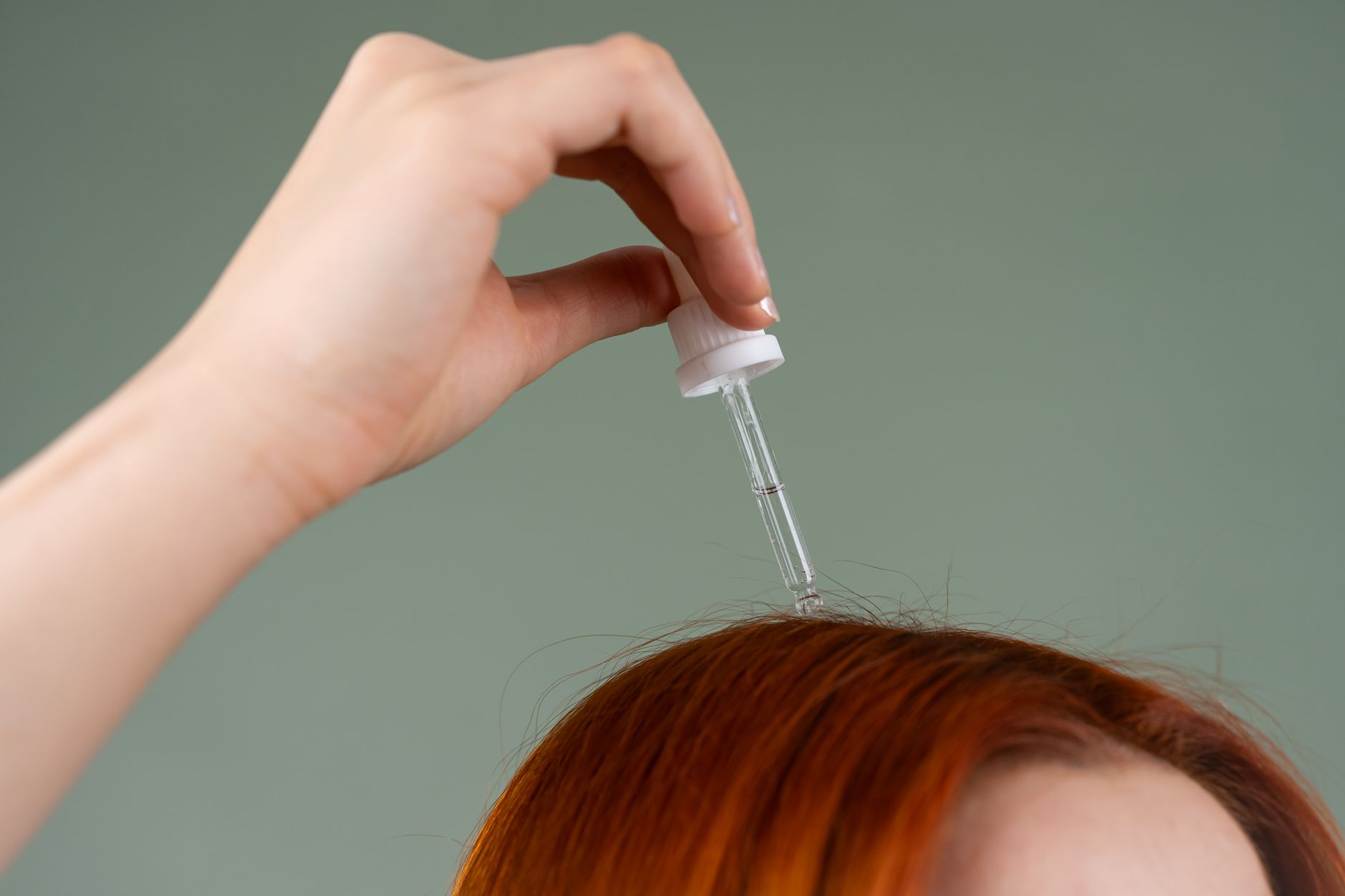
Just as the skin microbiome has become a major focus in skincare, the scalp microbiome, the community of bacteria and fungi living on your scalp, is increasingly recognized as a key factor in hair health, dandruff, and even some forms of hair thinning. This guide covers what current research actually shows about the scalp microbiome and how to support a balanced scalp ecosystem.
What Is the Scalp Microbiome?
The scalp microbiome is the community of bacteria, fungi, and other microorganisms that live on the scalp's surface and within hair follicles. Like the skin microbiome elsewhere on the body, it plays a role in regulating pH, competing with harmful pathogens, and supporting the scalp's overall barrier function. A balanced scalp microbiome is associated with a comfortable, flake-free scalp and can support healthy conditions for hair growth, while imbalance has been linked to several common scalp issues.
Key Microorganisms on the Scalp
- Cutibacterium (formerly Propionibacterium), a common bacterial genus on the scalp
- Staphylococcus, another common bacterial genus, generally beneficial in balanced amounts
- Malassezia, a yeast naturally present on most scalps, but linked to dandruff and seborrheic dermatitis when it overgrows
Research has found that the balance between these microorganisms, rather than the mere presence of any single one, tends to correlate most closely with scalp health outcomes.
How Scalp Microbiome Imbalance Shows Up
- Persistent flaking or dandruff that does not improve with typical anti-dandruff products
- Itchiness, particularly if it worsens over time rather than improving
- Excess oiliness or a change in scalp odor
- Increased sensitivity or redness on the scalp
- In some cases, association with certain types of hair thinning, an area still being actively researched
Scalp Microbiome and Dandruff
Dandruff is one of the most well-established connections between scalp microbiome imbalance and a visible symptom. Malassezia yeast overgrowth is the primary driver of most dandruff cases, along with the related but more inflammatory condition, seborrheic dermatitis. This overgrowth triggers increased skin cell turnover on the scalp, leading to the visible flaking associated with dandruff. Our guide on how to get rid of dandruff fast and naturally covers treatment approaches for this specific, well-researched connection.
Scalp Microbiome and Hair Thinning
Research connecting scalp microbiome imbalance to hair thinning and loss is still developing, but some studies have found differences in microbial diversity between scalps affected by certain types of hair loss and healthy control scalps. It is important to note that this research does not suggest microbiome imbalance is the primary cause of most hair loss, which is more commonly driven by genetics, hormones, and other factors, but rather that scalp inflammation linked to microbiome imbalance may be a contributing factor in some cases, particularly where inflammation is already part of the underlying condition.
What Disrupts a Healthy Scalp Microbiome
- Over-washing with harsh, sulfate-heavy shampoos, which can strip the scalp's natural oils and disrupt microbial balance
- Under-washing, which can allow excess oil and product buildup to feed opportunistic microorganisms
- Heavy product buildup from styling products that are not regularly, thoroughly cleansed away
- Excessive heat styling, which can affect the scalp's barrier function
- Harsh chemical treatments, including some relaxers and coloring processes, particularly with scalp contact
How to Support Scalp Microbiome Balance
Step 1: Find Your Right Washing Frequency
Neither over-washing nor under-washing supports a balanced microbiome. Most people benefit from washing every two to three days, though this varies by hair type and scalp oil production.
Step 2: Choose a Gentle, pH-Balanced Shampoo
Harsh, high-pH shampoos can disrupt the scalp's natural acid mantle, similar to how they affect facial skin.
Step 3: Exfoliate the Scalp Periodically
Gentle scalp exfoliation helps remove buildup that can feed problematic microorganisms. Our guide on scalp exfoliation benefits covers safe methods for this practice.
Step 4: Avoid Excessive Product Layering
Heavy product buildup, especially from oils, waxes, and styling creams, can create conditions that favor microbial imbalance if not regularly and thoroughly cleansed.
Ingredients That Help and Hurt the Scalp Microbiome
| Ingredient | Effect |
|---|---|
| Zinc pyrithione | Antifungal, helps manage Malassezia overgrowth |
| Salicylic acid | Exfoliates, helps clear buildup |
| Tea tree oil | Some antimicrobial properties, use diluted |
| Sulfates (heavy use) | Can strip natural oils and disrupt balance if overused |
| Heavy silicones (without regular clarifying) | Can contribute to buildup that disrupts balance |
Comparison Table: Balanced vs. Imbalanced Scalp
| Feature | Balanced Scalp Microbiome | Imbalanced Scalp Microbiome |
|---|---|---|
| Flaking | Minimal to none | Persistent dandruff or flaking |
| Itchiness | Rare | Common, sometimes worsening over time |
| Oil production | Regulated, predictable | Excessive or unpredictable |
| Scalp comfort | Comfortable | Often irritated or sensitive |
| Hair growth environment | Generally supportive | May contribute to inflammation-related issues |
Building a Scalp-Friendly Hair Care Routine
Weekly Routine Example
- Wash every 2-3 days with a gentle, pH-balanced shampoo
- Use a clarifying shampoo every 1-2 weeks to remove buildup
- Incorporate gentle scalp exfoliation once weekly
- Avoid excessive layering of heavy styling products
- Consider a zinc pyrithione or antifungal shampoo periodically if dandruff-prone
Our guide on healthy hair care routine covers a broader routine framework that incorporates these scalp-focused principles.
How Scalp Microbiome Research Compares to Gut Microbiome Research
The scalp microbiome field has drawn heavily on methodology and framing from gut microbiome research, which has a significantly larger and more mature body of evidence behind it, and understanding this relationship helps put current scalp findings into proper context.
Gut microbiome research has benefited from decades of study, large population datasets, and increasingly sophisticated sequencing technology that has revealed detailed, well-replicated connections between gut bacterial diversity and various aspects of health. Scalp microbiome research, by comparison, is a considerably younger field, having gained significant research attention only within the past decade or so, meaning many of its most interesting findings are still awaiting the kind of large-scale replication that has solidified confidence in gut microbiome science.
This does not mean scalp microbiome findings should be dismissed, early gut microbiome research followed a similar trajectory before becoming more established, but it does mean claims about the scalp microbiome, particularly dramatic ones made in product marketing, deserve a degree of healthy skepticism proportional to the relative youth of the supporting research. The more modest, well-supported claims, such as Malassezia's role in dandruff, rest on a stronger evidence base than newer claims about broader hair growth or thickness benefits tied to microbiome-focused products.
Common Mistakes to Avoid
Over-Washing in Response to Oiliness
Stripping the scalp too frequently can actually trigger a rebound increase in oil production and disrupt microbial balance further.
Ignoring Scalp Care While Focusing Only on Hair Strands
Many hair care routines focus entirely on the hair shaft, overlooking the scalp environment that ultimately supports healthy hair growth.
Using Harsh Antifungal Treatments Continuously Without Need
Constant use of medicated, antifungal shampoos when not needed can be unnecessarily disruptive to a scalp that does not have an active imbalance.
Skipping Clarifying Washes
Allowing product buildup to accumulate without periodic deep cleansing can create conditions that favor microbial imbalance over time.
Scalp Microbiome Differences Across Hair Types
Emerging research has begun to explore whether scalp microbiome composition differs meaningfully across different hair types and textures, an area with practical implications for how universally applicable general scalp care advice actually is.
Some preliminary studies have suggested that scalp microbial diversity and moisture levels may differ between straight, wavy, curly, and coily hair types, potentially related to how easily natural scalp oils travel down different hair shaft shapes and how washing frequency tends to differ across these groups. Coily and tightly curled hair types are often washed less frequently due to styling and moisture retention needs, which could theoretically create a different scalp microbial environment compared to hair types typically washed daily.
This research remains preliminary, and it would be premature to draw firm, universal conclusions about optimal scalp care recommendations for each hair type based on current evidence alone. However, it does reinforce the broader point that a one-size-fits-all approach to scalp care may not be ideal, and personal observation of your own scalp's response, rather than assuming your hair type dictates a fixed washing schedule, remains the most practical guide available today.
- Pay attention to scalp-specific symptoms, not just hair strand condition, when evaluating your routine's effectiveness.
- Introduce scalp exfoliation gradually, starting with once weekly and adjusting based on your scalp's response.
- Choose a washing frequency based on your individual scalp, not a generic recommendation, since oil production varies significantly by person.
- See a dermatologist for persistent dandruff or scalp symptoms that do not improve with basic routine adjustments, since a professional evaluation can rule out other underlying conditions and recommend more targeted treatment when needed.
Conclusion
The scalp microbiome plays a meaningful role in scalp comfort, dandruff, and potentially some aspects of hair health, though research connecting it directly to hair loss remains an evolving area. Supporting a balanced scalp microbiome through appropriate washing frequency, gentle products, and periodic exfoliation offers a practical, evidence-informed approach to scalp care that complements, rather than replaces, addressing hair health through the hair shaft itself.
For related scalp care guidance, see our guides on scalp exfoliation benefits and healthy hair care routine, both of which offer practical, actionable steps that align well with what current scalp microbiome research supports.
Category: Hair Care
Tags: scalp microbiome, scalp health, dandruff, Malassezia, hair loss, scalp exfoliation, hair care routine, scalp balance, zinc pyrithione, hair growth environment
Frequently Asked Questions
References
Last updated
This article is for informational purposes only and does not constitute medical advice. Consult a licensed dermatologist or healthcare provider before starting any new treatment.
Beauty & Hair Care Editor
Amanda Gurton is a beauty editor and researcher with a focus on translating dermatology and trichology insights into clear, actionable advice. She covers skincare routines, hair health, ingredient science, and everyday beauty habits.
Comments (0)
Be the first to comment.
Related Articles
Scalp Buildup: Signs You Have It and How to Remove It
Learn the signs of scalp buildup, what causes it, and effective methods to safely remove product and oil buildup from your scalp.
Building a Hair Routine Around Porosity and Density Together
Learn how to build a hair care routine that accounts for both porosity and density together, with practical combinations and product strategies.
The Hair Growth Cycle Explained: Anagen, Catagen, Telogen
Learn how the hair growth cycle works, including the anagen, catagen, and telogen phases, and what disrupts normal hair growth patterns.
Hair Breakage vs. Shedding: How to Tell the Difference
Hair breakage vs shedding: learn how to identify each one, what causes them, and the different solutions each problem requires.