 Funky Millions
Scalp Buildup: Signs You Have It and How to Remove It
Learn the signs of scalp buildup, what causes it, and effective methods to safely remove product and oil buildup from your scalp.
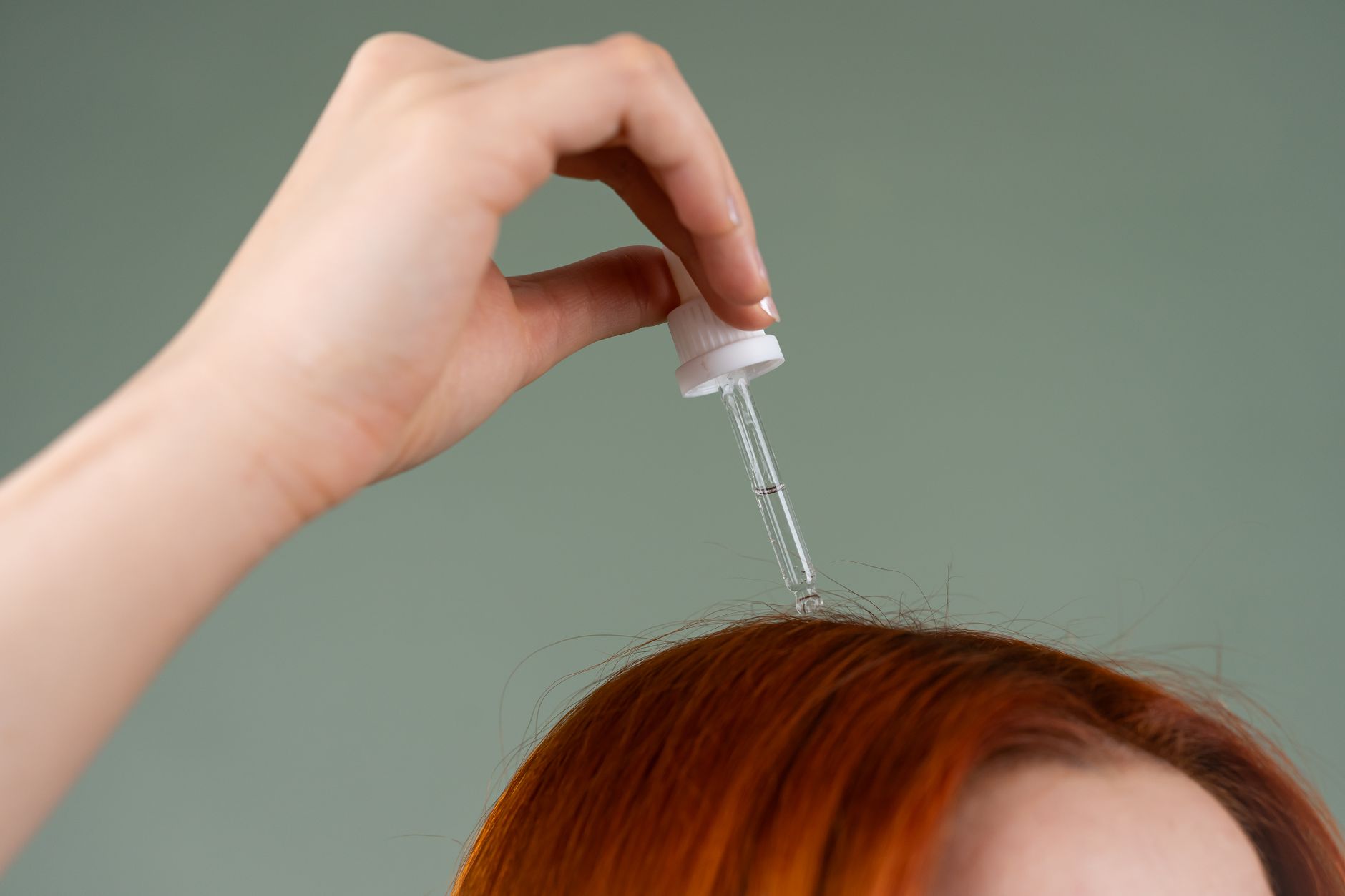
Quick summary
Key Takeaways
- Scalp buildup is the accumulation of product residue, natural oils, dead skin cells, and sometimes mineral deposits that regular washing has not fully removed.
- Persistent greasiness, reduced volume, unusual flaking, and reduced product effectiveness are the clearest signs of scalp buildup.
- Product buildup and natural oil buildup have different causes and sometimes require different removal approaches, though clarifying shampoo can address both.
- Clarifying shampoo, scalp exfoliation, and periodic double shampooing are the most effective methods for removing established scalp buildup.
- Fine hair shows buildup effects more quickly and dramatically due to its lower product-to-strand-mass ratio, while thick hair can mask more extensive underlying buildup for longer, meaning both hair types benefit from a consistent clarifying schedule rather than relying solely on visible symptoms as a guide.
- Extended protective styles are particularly prone to buildup accumulation due to infrequent washing, making lightweight product choices and interim scalp care between full washes especially important for managing comfort and scalp health during these styling periods.
Scalp buildup, the accumulation of product residue, natural oils, dead skin cells, and sometimes styling product byproducts, is a surprisingly common issue that can undermine even the most carefully chosen hair care products. Recognizing the signs and knowing how to safely remove buildup can resolve persistent hair frustrations that seem otherwise unexplainable.
What Is Scalp Buildup?
Scalp buildup refers to the accumulation of substances on the scalp's surface that are not adequately removed by regular washing. This can include leftover styling products (gels, mousses, dry shampoo), natural sebum (oil), dead skin cells, and mineral deposits from hard water. Over time, this accumulation can create a barrier that interferes with scalp health and product effectiveness.
What Causes Scalp Buildup
- Heavy styling products used regularly without adequate removal
- Dry shampoo overuse, particularly without periodic thorough washing to remove its absorbent particles
- Silicone-based products, especially non-water-soluble types, which can accumulate over time
- Infrequent washing, allowing natural oil and product to accumulate beyond what a single wash can address
- Hard water, contributing mineral deposits alongside other buildup sources
Our guide on how hard water damages your hair covers one specific contributing factor in more depth.
Signs You Have Scalp Buildup
- Hair feels greasy or weighed down shortly after washing
- Reduced volume that does not respond to typical volumizing products
- Persistent flaking that is different from typical dandruff, sometimes appearing as larger, waxier flakes
- Scalp itchiness or a feeling of tightness
- Products seem less effective than they used to be, absorbing poorly or not delivering expected results
- A noticeable change in scalp odor
Product Buildup vs. Natural Oil Buildup
| Feature | Product Buildup | Natural Oil (Sebum) Buildup |
|---|---|---|
| Cause | Styling products, dry shampoo, silicones | Overproduction of natural oil, infrequent washing |
| Texture | Often waxy or filmy | Greasy, oily |
| Removal difficulty | Can require clarifying shampoo | Usually resolves with regular washing |
| Common triggers | Heavy product use, inadequate rinsing | Hormonal factors, washing frequency mismatch |
How Buildup Affects Hair Growth and Health
While scalp buildup is not typically a direct cause of hair loss, a scalp environment heavily coated with buildup can create conditions less favorable to healthy hair growth, potentially affecting the scalp microbiome balance and contributing to conditions like folliculitis (inflamed hair follicles) in more severe cases. Additionally, buildup can prevent scalp-targeted treatments and serums from properly reaching the scalp, undermining their effectiveness regardless of how well-formulated they are.
Methods to Remove Scalp Buildup
Method 1: Clarifying Shampoo
A strong, deep-cleansing shampoo formulated specifically to remove buildup, used periodically (every one to two weeks) rather than as a daily cleanser.
Method 2: Scalp Scrubs and Exfoliants
Physical or chemical scalp exfoliants can help lift buildup that shampoo alone may not fully address, particularly for more stubborn, waxy residue. Our guide on scalp exfoliation benefits covers this method in detail.
Method 3: Apple Cider Vinegar Rinse
A diluted apple cider vinegar rinse can help dissolve product residue and mineral deposits, offering a low-cost, natural buildup removal option.
Method 4: Double Shampooing
For significant buildup, shampooing twice in one wash session, focusing the second wash entirely on the scalp, can more thoroughly remove accumulated residue than a single wash.
Clarifying Shampoo Explained
Clarifying shampoos contain stronger surfactants than regular shampoo, designed to thoroughly strip away buildup, including product residue, oil, and mineral deposits. Because of this strength, they are typically used periodically rather than as a daily or even regular cleanser, since overuse can lead to excessive dryness and irritation.
Scalp Scrubs and Exfoliants
Scalp scrubs, whether physical (with fine granules) or chemical (with salicylic acid or similar exfoliating ingredients), can help lift stubborn buildup directly from the scalp's surface. These are generally used less frequently than regular shampoo, often once weekly or every other week, depending on your scalp's specific buildup tendency.
Comparison Table: Buildup Removal Methods
| Method | Effectiveness | Frequency | Best For |
|---|---|---|---|
| Clarifying shampoo | High | Every 1-2 weeks | General buildup, product residue |
| Scalp scrub/exfoliant | High, especially for stubborn buildup | Weekly or every other week | Waxy, stubborn residue |
| Apple cider vinegar rinse | Moderate | Weekly or as needed | Mild buildup, mineral deposits |
| Double shampooing | Moderate to high | As needed for significant buildup | Heavy product days, special occasions |
Preventing Future Buildup
- Choose washable, water-soluble styling products when possible to reduce buildup accumulation between washes
- Wash hair thoroughly, ensuring adequate rinsing time rather than a quick rinse that may leave residue behind
- Limit dry shampoo use to a few days between washes rather than as an extended substitute for washing
- Address hard water if it is a contributing factor in your area, through filtration or periodic chelating treatments
Scalp Buildup and Fine vs. Thick Hair
Hair thickness and density significantly affect both how quickly buildup accumulates and how noticeable its effects become, which explains why the same styling routine can feel like a major buildup problem for one person and a non-issue for another.
Fine hair tends to show the visible effects of buildup much more quickly and dramatically than thicker hair, since each strand has a smaller surface-to-product ratio, meaning even a modest amount of product residue represents a proportionally larger coating relative to the hair's own mass. This is part of why fine-haired individuals often notice flatness or greasiness appearing within a day or two of product use, while someone with thick, coarse hair might use the same amount of product without any noticeable effect for several days longer.
Thick or coarse hair, while more forgiving in terms of visible buildup effects, is not immune to the underlying accumulation, it simply takes longer for the effects to become apparent, and by the time buildup does become noticeable in thick hair, the accumulation may actually be more extensive than what triggers visible symptoms in fine hair. This means thick-haired individuals may benefit from clarifying on a similar or even slightly more frequent schedule than their fine-haired counterparts, despite feeling like buildup is "less of a problem" for their hair type based on visible symptoms alone.
Common Mistakes to Avoid
Using Clarifying Shampoo Too Frequently
Given its strong cleansing action, daily or overly frequent clarifying shampoo use can strip too much natural oil, leading to dryness and potentially triggering a rebound increase in oil production.
Ignoring Buildup and Continuing the Same Routine
Persistent greasiness or reduced product effectiveness that is dismissed as simply needing "better" products often continues unresolved if the underlying buildup is never actually addressed.
Skipping the Scalp During Regular Shampooing
Focusing shampoo application only on the lengths rather than massaging thoroughly into the scalp misses the area most prone to buildup accumulation.
Not Adjusting Routine for Heavy Product Use
Using multiple heavy styling products daily without periodic deep cleansing significantly increases the likelihood of noticeable buildup over time.
Scalp Buildup in Protective Styles and Extended Wear Styles
Extended wear styles, including braids, locs, weaves, and other protective styling methods that are kept in for weeks at a time, present a unique buildup challenge that deserves separate attention from standard, more frequently washed hair routines.
Because these styles are often washed less frequently than loose hair, sometimes with several weeks between full wash sessions, product and natural oil buildup has considerably more time to accumulate before it is addressed, which is part of why scalp itchiness and discomfort are such commonly reported issues during extended protective styling periods. Using lightweight, water-based products specifically formulated for use under protective styles, rather than heavy oils and butters that a loose-hair routine might tolerate well, can help reduce the rate of buildup accumulation during these extended wear periods.
For those who do experience noticeable buildup or itchiness while wearing a protective style, diluted product applied directly to the scalp with a applicator bottle, combined with gentle scalp massage, can help manage buildup between full wash sessions without requiring the style to be taken down early. When the style is eventually removed, a thorough clarifying wash is particularly important, since the extended wear period likely allowed for more buildup accumulation than a typical one- to two-week gap between washes would produce.
- Massage your scalp thoroughly during every regular wash, not just during dedicated clarifying sessions.
- Watch for early signs of buildup, like slightly reduced volume or product effectiveness, rather than waiting until buildup becomes severe.
- Rotate between regular and clarifying shampoo on a consistent schedule rather than only clarifying when problems become obvious.
- Consider your styling product choices if buildup is a recurring issue, favoring lighter or more water-soluble formulas.
Conclusion
Scalp buildup is a common but often overlooked cause of persistent hair frustrations, from reduced volume to products that no longer seem to work as well as they used to. Recognizing the signs and using targeted removal methods like clarifying shampoo, scalp exfoliation, and thorough washing can restore your scalp's health and your hair's overall appearance, while prevention strategies help keep buildup from becoming a recurring issue.
For related scalp care guidance, see our guides on scalp exfoliation benefits and how hard water damages your hair, both of which complement the buildup-removal strategies outlined above.
Category: Hair Care
Tags: scalp buildup, clarifying shampoo, scalp exfoliation, product buildup, hair care basics, scalp health, dry shampoo, hard water, hair volume, scalp cleansing
Frequently Asked Questions
References
Last updated
This article is for informational purposes only and does not constitute medical advice. Consult a licensed dermatologist or healthcare provider before starting any new treatment.
Beauty & Hair Care Editor
Ilma is a beauty editor who specializes in breaking down cosmetic ingredients, skincare routines, and hair care practices. Her work focuses on evidence-based guidance readers can trust and apply.
Comments (0)
Be the first to comment.
Related Articles
Sulfate-Free Shampoo: Who Actually Needs It?
Learn what sulfate-free shampoo actually means, the real pros and cons, and whether switching is genuinely necessary for your hair type.
Scalp Microbiome and Hair Health: What the Research Shows
Learn how the scalp microbiome affects hair health, dandruff, and hair loss, and how to support a balanced scalp ecosystem.

Hair Density vs. Hair Thickness: What's the Difference?
Hair density vs hair thickness: learn the real difference between these two commonly confused terms and how to identify and care for both.
Silicone-Free Haircare: What It Means and Who Needs It
Learn what silicone-free haircare means, why some people avoid silicones, and whether switching is right for your hair type.